
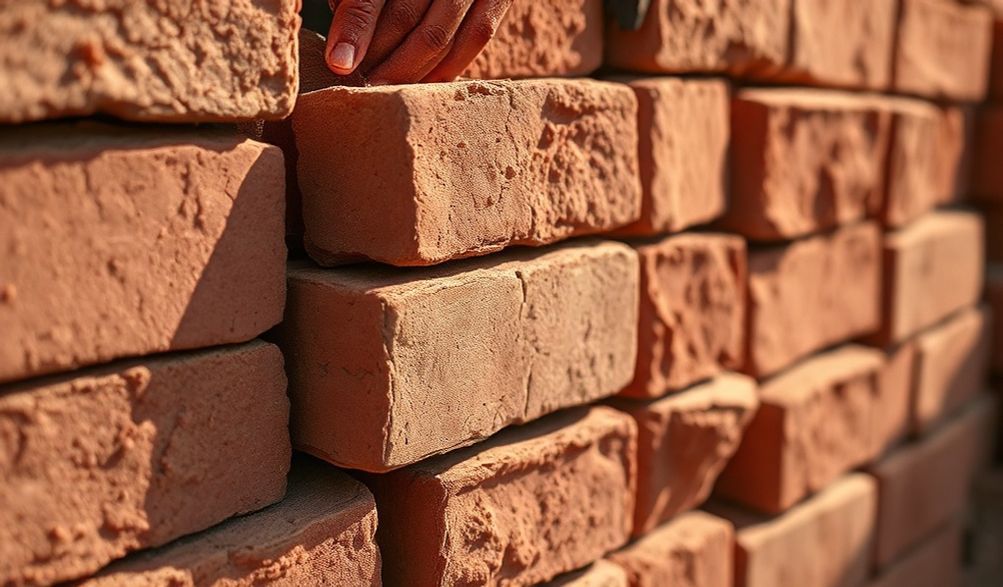
Gid Definitif pou Machin Blòk Tè Entèbloke: Bati nan Fason Dirab
Entwodiksyon
Defi mondyal la klè: yon bezwen k ap grandi pou lojman abòdab, ansanm ak enpak anviwònman an nan konstriksyon konvansyonèl yo. Rechèch pou solisyon bati dirab, rezistan, ak ki gen bon pri pa janm te pi ijan. Nan mitan rechèch sa a, yon teknoloji pwisan, men ki senp ak elegan ap pran teren—machin blòk tè antrebloke (ISB).
Gid sa a prezante machin ISB a pa sèlman kòm yon zouti, men kòm yon apwòch revolisyonè nan konstriksyon. Li bay moun, kominote, ak devlopè yo pouvwa pou konstwi estrikti solid, bèl, ak zanmitay anviwònman an ak tè ki anba pye yo. Diskisyon nou an bati sou yon fondasyon prensip jeni, eksperyans pratik sou teren, ak yon angajman pou bay enfòmasyon fyab ak aksyonnab. Objektif nou se pou nou vin resous otorite w sou teknoloji transfòmatè sa a.
Lè w ap eksplore konpleksite "machin blòk tè antrebloke" la, w ap aprann kijan li fonksyone, benefis pwofon li yo, diferan kalite ki disponib yo, ak etap enpòtan pou itilize youn avèk siksè. Kit ou se yon moun k ap konstwi pou kont li, yon pwofesyonèl nan devlopman, oswa senpleman kirye sou altènativ dirab yo, gid sa a pwomèt yon vwayaj konplè depi seleksyon tè a rive nan yon mi solid.
Kisa yon Machin Blòk Tè Entèbloke ye? (Konprann Teknoloji Debaz la)
Nan nwayo li, yon machin pou fè blòk tè entèbloke se yon aparèy ki konprese tè imid an yon blòk konstriksyon ki gen yon dansite wo ak yon fòm presi. Karakteristik prensipal li se konsepsyon entèbloke ki fòme nan chak blòk, ki pèmèt yo asanble ansanm tankou moso devinèt, souvan san yo pa bezwen mòtye.
Prensip Debaz: Konpresyon ak Entèbloke
Mekanik yo bèlman senp.
- Konpresyon:Yon melanj tè imid—souvan estabilize ak yon ti kantite siman oswa lacho—mete nan yon mòl an asye. Yon piston gwo presyon, kit manyèl, idwolik, oswa mekanik, konprese materyèl sa a. Fòs sa a aliyen patikil tè yo, elimine twou lè epi kreye yon blòk ki gen fòs ekstraòdinè.
- Entèbloke:Kontrèman ak yon brik rektangilè estanda, yon ISB gen yon modèl ki leve (lang) sou tèt li ak yon ran korespondan sou anba li. Gen kèk desen ki genyen kwen ki sanble ak devinèt sou kote yo tou. Sa pèmite blòk yo tache vètikalman ak orizontalman, kreye yon sistèm mi monolitik ki estab atravè "anpile sèk."
Yon Kout Istwa ak Enpak Mondyal
Konsèp modèn nan te evolye soti nan CINVA Ram manyèl ki te devlope nan ane 1950 yo. Jodi a, machin yo se iterasyon sofistike nan lide orijinal sa a, ki varye soti nan prese ki opere ak men rive nan liy pwodiksyon konplètman otomatize.
Enpak mondyal la se yon enpak enpòtan. Teknoloji ISB te esansyèl nan:
* Rekonstriksyon apre dezasnan rejyon tankou Ayiti ak Nepal, bay lojman rapid ak pri ki ba.
* Pwojè lojman abòdabnan Afrik, Azi, ak Amerik Latin.
* Bati dirabnan tout mond lan, soti nan eko-lodj rive nan kay prive, yo pran anpil valè pou enèji ki ba yo enkòpore ak pèfòmans tèmik yo.
Avantaj Kle nan Itilize yon Machin Blòk Tè Entèbloke
Avantaj teknoloji sa a kouvri domèn ekonomik, anviwònman ak estriktirèl, ki fè yon ka konvenkan pou adopte li.
Avantaj Ekonomik ak Aksesibilite
- Rediksyon Drastik Pri Materyo:Engredyan prensipal la—tè—souvan disponib sou plas la oswa lokalman pou yon pri minimòm. Sa elimine depans enpòtan brik kwit oswa blòk konkrè.
- Depense Fonksyònman Ba:Yon fwa machin nan akeri, depans pwodiksyon yo trè ba, li mande minim enèji (sitou pou modèl manyèl yo) ak travay.
- Potansyèl pou Jenere LajanPwopriyetè yo ka etabli yon ti biznis, pwodui blòk pou kominote yo ak kreye travay lokal, ankourajebati a pri ki baakkonstriksyon abòdabinisiyativ.
Environmental and Sustainability Benefits
- Minimal Carbon Footprint: The process requires no firing, saving vast amounts of fossil fuels and avoiding the CO2 emissions associated with cement or brick kilns.
- Local & Natural Materials: It utilizes subsoil, a renewable local resource, reducing the environmental damage from quarrying and long-distance transport of materials.
- Masi Tèmik Sipèryè: Compressed earth blocks have excellent thermal mass, absorbing heat during the day and releasing it at night, naturally regulating indoor temperatures and slashing energy bills—a hallmark of eco-friendly constructionaksustainable building material.
Structural and Practical Perks
- Fòs Konpresif Segondè: Properly made and cured blocks can achieve strengths comparable to or exceeding conventional fired clay bricks.
- Faster Construction Speed: The interlocking, mortar-less system allows walls to rise quickly, as there’s no waiting for mortar to set between courses.
- Fleksibilite nan Konsepsyon: The blocks can be easily shaped on-site for creating curved walls, arches, and various architectural features, offering great aesthetic freedom.
Types of Interlocking Soil Block Machines: Choosing the Right One
Selecting the correct machine hinges on your project scale, budget, and labor availability. Here are the three main categories.
Manual Press Machines (The Entry-Level Option)
- Deskripsyon: Operated by a long lever, these rely on human power to generate compression force. They are highly portable and simple.
- Avantaj: Lowest upfront cost, no need for electricity or fuel, extremely portable, easy to maintain.
- Desavantaj: Physically demanding, slower production rate (e.g., 60-100 blocks per person per day), requires consistent effort for uniform block quality.
Hydraulic Machines (The Balanced Performer)
- Deskripsyon: These use a hydraulic system to apply pressure. They can be powered by a manual hand pump, an electric motor, or a petrol/diesel engine.
- Avantaj: Delivers higher, more consistent pressure for stronger blocks. Significantly increases production output with less physical labor. Offers a great balance of capability and cost. Often marketed as a hydraulic brick pressoswamachin blòk tè konprese.
- Desavantaj: Higher initial investment than manual presses. Requires basic maintenance of hydraulic components. Engine or electric models need a power source.
Fully Automated Machines (The High-Production Solution)
- Deskripsyon: These are motorized, stationary systems that often integrate a mixer, conveyor, and multiple presses. They produce blocks in a continuous, automated cycle.
- Avantaj: Very high, consistent output (thousands of blocks per day), minimal manual labor, and excellent block uniformity. Ideal for commercial ventures.
- Desavantaj: Requires a substantial capital investment, a reliable power supply, and more space. They are not portable. These are true automatic soil block maker systems for commercial block making machineoperasyon yo.
The Step-by-Step Process: From Soil to Solid Wall
Success with ISBs depends on a meticulous process. Skipping steps compromises quality and strength.
Step 1: Soil Testing and Selection (The Critical Foundation)
Not all soil is suitable. The ideal soil is a “loam” containing a balanced mix of:
* Tè Acts as the natural binder.
* Silt: Fills voids.
* Sab Provides skeletal strength and reduces shrinkage.
Perform these simple field tests:
* Jar Test: Layer soil and water in a clear jar, shake, and let settle. The layers will show approximate ratios of sand, silt, and clay.
* Ribbon Test: Moisten soil and try to roll it into a thin ribbon. If it forms a ribbon 2-3 cm long before breaking, the clay content is likely adequate.
Step 2: Material Preparation and Stabilization
- Sieving: Remove stones, roots, and organic matter.
- Estabilizasyon: For permanent, load-bearing structures in most climates, a stabilizer is essential.
- Cement (5-10%): Most common. Provides high strength and water resistance.
- Lime (5-15%): Good for clay-rich soils, offers flexibility.
- Melanj: Combine soil, stabilizer, and water thoroughly. The moisture content is critical—aim for “optimum moisture” where a handful of mix holds its shape when squeezed but crumbles when poked.
Step 3: Block Production and Curing
- Pwodiksyon: Fill the machine’s mold with the prepared mix, operate the press to compress, then eject the finished block.
- Gerizon: This is where blocks gain strength. Stack them in a shaded area, cover with plastic sheeting, and keep them damp by lightly sprinkling with water for 7-14 days. Proper curing is non-negotiable for durability.
Critical Considerations Before You Buy or Use a Machine
Project Scope and Scale Assessment
Tèt ou menm:
* How many blocks do I need for my project?
* What is my timeline?
* What is my budget for the machine and labor?
Your answers will clearly point you toward a manual, hydraulic, or automated system.
Soil Suitability and Local Regulations
- Professional Testing: For large projects, invest in a lab soil test for precise composition and recommended stabilizer percentages.
- Building Codes: Crucially, check your local building regulations. While earth construction is gaining acceptance, you may need permits or to demonstrate compliance with specific engineering standards. This due diligence is key to establishing trustworthiness in your build.
Machine Specifications and Supplier Vetting
Espesifikasyon kle pou egzamine:
* Block dimensions and interlock design.
* Compression pressure (measured in MPa or PSI). Higher pressure generally means stronger blocks.
* Production capacity (blocks per hour/day).
* Machine weight and build quality (thick steel is better).
* Warranty and availability of spare parts.
Choosing a supplier:
* Seek companies with a proven track record.
* Ask for customer references and contact them.
* Look for suppliers who offer comprehensive training—this is a major value-add.
Frequently Asked Questions (FAQ) About Interlocking Soil Block Machines
Q1: How strong are interlocking soil blocks compared to fired bricks or concrete blocks?
A: With proper soil mix and stabilization (e.g., 5-10% cement), ISBs can achieve a compressive strength of 3-10 MPa, which meets or exceeds the strength of standard fired clay bricks (3.5-7 MPa). They are perfectly suited for durable, load-bearing walls in 1-3 story buildings.
Q2: Can I use any type of soil from my property?
A: Not all soil is suitable. Pure clay will shrink and crack; pure sand will not bind. The ideal soil is a blend. Simple field tests like the jar test and ribbon test are essential first steps to determine suitability.
Q3: Are buildings made with these blocks waterproof?
A: The blocks are weather-resistant but not waterproof. Like most masonry, they require protective detailing: a raised foundation, adequate roof overhangs, and a breathable plaster render (e.g., earthen or lime-based plaster). The interlocking design itself provides excellent resistance to rain penetration.
Q4: What is the typical cost range for a machine?
A: Manual presses range from \$500 – \$2,500. Hydraulic machines typically cost \$2,500 – \$15,000. Fully automated production systems start around \$20,000 and can exceed \$100,000. Prices vary by capacity, automation, and region.
Q5: Is special training required to operate the machine and build with the blocks?
A: Basic machine operation is simple to learn. However, comprehensive training in soil science, mix design, block production, and—most importantly—construction techniques (lintels, rebars, bond beams, plumbing/electrical integration) is highly recommended for ensuring structural integrity, safety, and a long-lasting building.
Konklizyon
The interlocking soil block machine stands as a testament to the power of appropriate technology. It offers a tangible path toward sustainable, economical, and resilient construction, putting the power to build back into the hands of communities and individuals. As we’ve explored, its success is not magic—it’s the application of expert knowledge in soil mechanics, learning from experienced practitioners, investing in trustworthy equipment, and adhering to proven best practices.
Your journey starts with understanding your local soil. We encourage you to take that first step: perform a simple jar test, connect with sustainable building organizations in your area, and reach out to reputable machine manufacturers for detailed specifications. In an era demanding smarter resource use, interlocking soil block technology isn’t just an alternative; it’s a forward-looking, practical choice for the future of building.
<