
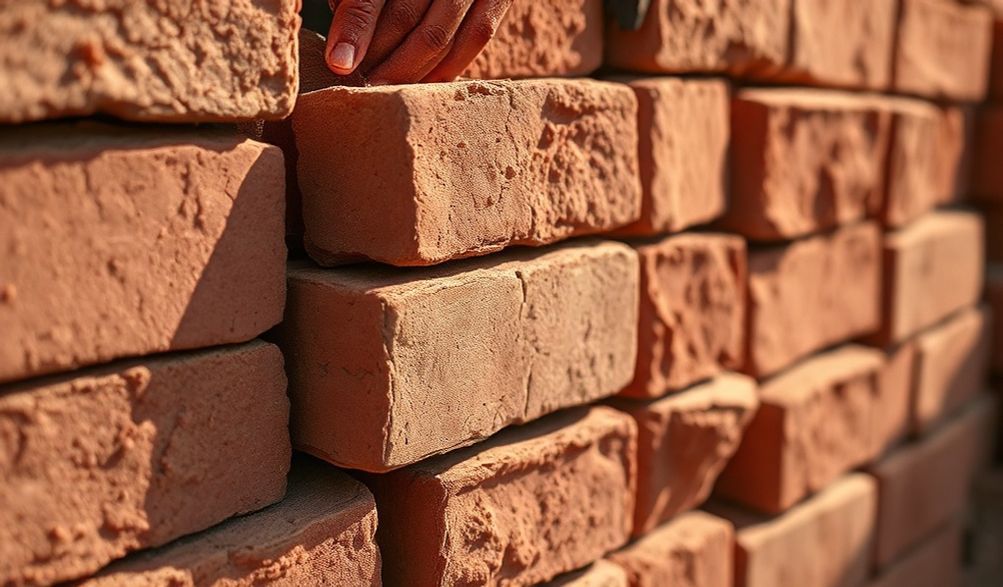
Ultima Ductoria ad Machinas Laterum Terrae Internexorum: Aedifica Perpetuo
Introductio
Provocatio globalis acerba est: crescit necessitas habitationis parabilis, cum detrimento environmentali constructionis usitatae. Quaesitio solutionum aedificandorum durabilium, fortium, et parabilium numquam magis urget. In hac quaesitione, ars potens sed simpliciter elegans locum capit—machina lateris soli intercludentis.
Hoc ducem machinam ISB non solum ut instrumentum exhibet, sed ut rationem novam aedificationis. Singulos, communitates, et architectos confirmat ut firma, pulchra, et naturae amica aedificia ex ipsa terra sub pedibus suis construant. Nostra disputatio in fundamento principiorum machinalium, usus practici in campo, et studio certi et efficacis informationis praebendae aedificatur. Propositum nostrum est tibi auctoritatem fontem huius technologiae transformativae praebere.
Perscrutando subtilitates "machinae laterum terrae intertextorum," disces quomodo operetur, eius emolumenta penitus, varia genera praesto, et gradus criticos ad unum feliciter utendum. Sive tu ipse aedificator sis, sive artifex progressionis, sive tantum curiosus de optionibus sustentabilibus, hic dux iter completum a delectu terrae ad murum solidum pollicetur.
Quid est Machina Laterum Solo Internexorum? (Intellegentia Technologiae Fundamentalis)
In corde eius, machina laterum terrae inter se coniunctorum est instrumentum quod humum umidam in laterem aedificii densissimum et accurate formatum comprimit. Eius nota propria est forma inter se coniuncta in quolibet latere efficta, quae permittit ut inter se apte cohaereant velut segmenta aenigmatis, saepe sine calce opus est.
Fundamentum Principium: Compressio et Implicatio
Mechanica pulchre simplex est.
- Compressio.Mixtura terrae umidae—saepe parvo cementi vel calcis additamento stabilita—in formam ferream infunditur. Tum pressor altus, sive manu, sive hydraulica vi, sive mechanica, hanc materiam comprimit. Haec vis particulas terrae ordinat, cavitates aërias excludit, et laterem mirabilis firmitudinis efficit.
- Intercludo:Dissimilis lateri rectangulari solito, Later ISB habet exemplum elevatum (linguam) in summo et canalem respondentem in imo. Nonnullae dispositiones etiam oras aenigmaticas in lateribus praebent. Hoc permittit lateres verticaliter et horizontaliter concludi, creans systema muri stabile ac monolithicum per "congestionem siccam."
Brevis Historia et Impactus Globalis
Conceptus hodiernus ex manuali CINVA Ram evolvit, quae annis 1950 excogitata est. Hodiernae machinae sunt excultae iterationes illius primigenii consilii, a pressis manibus operatis usque ad lineas productionis plene automatizatas variantes.
Globale momentum magnum est. Technologia ISB in his rebus praecipua fuit:
* Post calamitatem restitutioIn regionibus ut Haiti et Nepal, celerem, vilicam habitationem praebens.
* Habitationes pretio accessibilesper Africam, Asiam, Americamque Latinam.
* Aedificia durabiliaOrbe terrarum, ab hospitiis oecologicis ad privatas domos, aestimantur ob humilem energiam inhærentem et efficaciam thermicam.
Praecipua Beneficia Machinae Laterum Terrae Intertextorum Utendae
Huius technologiae commoda in oeconomicis, environmentalibus, structuralibusque provinciis patent, quae rationem validam pro eius adoptionem efficiunt.
Oeconomicae et Accessibilitatis Commoda
- Sumptus Materiae Drasticus Imminutus:Ingrediens principale—solum—saepe in loco vel localiter minimo pretio praesto est. Hoc maiorem impensam laterum coctorum vel cæmentariorum tollit.
- Sumptus Operandi HumilisSemel machina adepta, sumptus productionis perquam humiles sunt, exigentes minimam energiam (praesertim in exemplaribus manualibus) et laborem.
- Potentia Reditus GenerandiDomini parvum negotium instituere possunt, lateres pro communitate sua producentes et locorum opera creantes, alentes.aedificium sumptu parvuloetConstructio parabilis.initiativas.
Beneficia Circumiectorum et Sustentabilitatis
- Minimal Carbon Footprint: The process requires no firing, saving vast amounts of fossil fuels and avoiding the CO2 emissions associated with cement or brick kilns.
- Local & Natural Materials: It utilizes subsoil, a renewable local resource, reducing the environmental damage from quarrying and long-distance transport of materials.
- Massa Caloris Superior Compressed earth blocks have excellent thermal mass, absorbing heat during the day and releasing it at night, naturally regulating indoor temperatures and slashing energy bills—a hallmark of eco-friendly constructionetsustainable building material.
Structural and Practical Perks
- Alta Resistensia Compressiva: Properly made and cured blocks can achieve strengths comparable to or exceeding conventional fired clay bricks.
- Faster Construction Speed: The interlocking, mortar-less system allows walls to rise quickly, as there’s no waiting for mortar to set between courses.
- Designi Flexibilitas: The blocks can be easily shaped on-site for creating curved walls, arches, and various architectural features, offering great aesthetic freedom.
Types of Interlocking Soil Block Machines: Choosing the Right One
Selecting the correct machine hinges on your project scale, budget, and labor availability. Here are the three main categories.
Manual Press Machines (The Entry-Level Option)
- Descriptio: Operated by a long lever, these rely on human power to generate compression force. They are highly portable and simple.
- Pros: Lowest upfront cost, no need for electricity or fuel, extremely portable, easy to maintain.
- Incommodis: Physically demanding, slower production rate (e.g., 60-100 blocks per person per day), requires consistent effort for uniform block quality.
Hydraulic Machines (The Balanced Performer)
- Descriptio: These use a hydraulic system to apply pressure. They can be powered by a manual hand pump, an electric motor, or a petrol/diesel engine.
- Pros: Delivers higher, more consistent pressure for stronger blocks. Significantly increases production output with less physical labor. Offers a great balance of capability and cost. Often marketed as a hydraulic brick pressautmachina lateris compressi terrestris.
- Incommodis: Higher initial investment than manual presses. Requires basic maintenance of hydraulic components. Engine or electric models need a power source.
Fully Automated Machines (The High-Production Solution)
- Descriptio: These are motorized, stationary systems that often integrate a mixer, conveyor, and multiple presses. They produce blocks in a continuous, automated cycle.
- Pros: Very high, consistent output (thousands of blocks per day), minimal manual labor, and excellent block uniformity. Ideal for commercial ventures.
- Incommodis: Requires a substantial capital investment, a reliable power supply, and more space. They are not portable. These are true automatic soil block maker systems for commercial block making machineoperationes.
The Step-by-Step Process: From Soil to Solid Wall
Success with ISBs depends on a meticulous process. Skipping steps compromises quality and strength.
Step 1: Soil Testing and Selection (The Critical Foundation)
Not all soil is suitable. The ideal soil is a “loam” containing a balanced mix of:
* Argilla Acts as the natural binder.
* Lutum Fills voids.
* Arena Provides skeletal strength and reduces shrinkage.
Perform these simple field tests:
* Jar Test: Layer soil and water in a clear jar, shake, and let settle. The layers will show approximate ratios of sand, silt, and clay.
* Ribbon Test: Moisten soil and try to roll it into a thin ribbon. If it forms a ribbon 2-3 cm long before breaking, the clay content is likely adequate.
Step 2: Material Preparation and Stabilization
- Cribratio: Remove stones, roots, and organic matter.
- Stabilizatio For permanent, load-bearing structures in most climates, a stabilizer is essential.
- Caementum (5-10%) Most common. Provides high strength and water resistance.
- Lime (5-15%): Good for clay-rich soils, offers flexibility.
- Miscens: Combine soil, stabilizer, and water thoroughly. The moisture content is critical—aim for “optimum moisture” where a handful of mix holds its shape when squeezed but crumbles when poked.
Step 3: Block Production and Curing
- Productio: Fill the machine’s mold with the prepared mix, operate the press to compress, then eject the finished block.
- Sanatio: This is where blocks gain strength. Stack them in a shaded area, cover with plastic sheeting, and keep them damp by lightly sprinkling with water for 7-14 days. Proper curing is non-negotiable for durability.
Critical Considerations Before You Buy or Use a Machine
Project Scope and Scale Assessment
Interroga te ipsum:
* How many blocks do I need for my project?
* What is my timeline?
* What is my budget for the machine and labor?
Your answers will clearly point you toward a manual, hydraulic, or automated system.
Soil Suitability and Local Regulations
- Professional Testing: For large projects, invest in a lab soil test for precise composition and recommended stabilizer percentages.
- Building Codes: Crucially, check your local building regulations. While earth construction is gaining acceptance, you may need permits or to demonstrate compliance with specific engineering standards. This due diligence is key to establishing trustworthiness in your build.
Machine Specifications and Supplier Vetting
Clavis specificationes inspiciendae:
* Block dimensions and interlock design.
* Compression pressure (measured in MPa or PSI). Higher pressure generally means stronger blocks.
* Production capacity (blocks per hour/day).
* Machine weight and build quality (thick steel is better).
* Warranty and availability of spare parts.
Choosing a supplier:
* Seek companies with a proven track record.
* Ask for customer references and contact them.
* Look for suppliers who offer comprehensive training—this is a major value-add.
Frequently Asked Questions (FAQ) About Interlocking Soil Block Machines
Q1: How strong are interlocking soil blocks compared to fired bricks or concrete blocks?
A: With proper soil mix and stabilization (e.g., 5-10% cement), ISBs can achieve a compressive strength of 3-10 MPa, which meets or exceeds the strength of standard fired clay bricks (3.5-7 MPa). They are perfectly suited for durable, load-bearing walls in 1-3 story buildings.
Q2: Can I use any type of soil from my property?
A: Not all soil is suitable. Pure clay will shrink and crack; pure sand will not bind. The ideal soil is a blend. Simple field tests like the jar test and ribbon test are essential first steps to determine suitability.
Q3: Are buildings made with these blocks waterproof?
A: The blocks are weather-resistant but not waterproof. Like most masonry, they require protective detailing: a raised foundation, adequate roof overhangs, and a breathable plaster render (e.g., earthen or lime-based plaster). The interlocking design itself provides excellent resistance to rain penetration.
Q4: What is the typical cost range for a machine?
A: Manual presses range from \$500 – \$2,500. Hydraulic machines typically cost \$2,500 – \$15,000. Fully automated production systems start around \$20,000 and can exceed \$100,000. Prices vary by capacity, automation, and region.
Q5: Is special training required to operate the machine and build with the blocks?
A: Basic machine operation is simple to learn. However, comprehensive training in soil science, mix design, block production, and—most importantly—construction techniques (lintels, rebars, bond beams, plumbing/electrical integration) is highly recommended for ensuring structural integrity, safety, and a long-lasting building.
Conclusio.
The interlocking soil block machine stands as a testament to the power of appropriate technology. It offers a tangible path toward sustainable, economical, and resilient construction, putting the power to build back into the hands of communities and individuals. As we’ve explored, its success is not magic—it’s the application of expert knowledge in soil mechanics, learning from experienced practitioners, investing in trustworthy equipment, and adhering to proven best practices.
Your journey starts with understanding your local soil. We encourage you to take that first step: perform a simple jar test, connect with sustainable building organizations in your area, and reach out to reputable machine manufacturers for detailed specifications. In an era demanding smarter resource use, interlocking soil block technology isn’t just an alternative; it’s a forward-looking, practical choice for the future of building.
<