
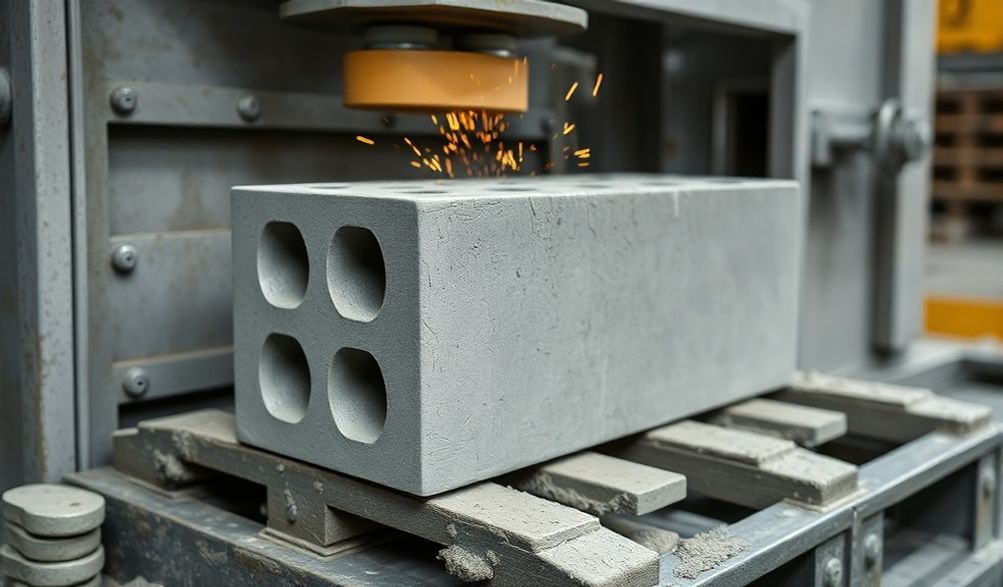
Hướng Dẫn Toàn Diện Về Sản Xuất Gạch Bê Tông: Từ Cơ Bản Đến Kinh Doanh
Giới thiệu
Hãy nhìn quanh bất kỳ cảnh quan đô thị hiện đại, khu phát triển ngoại ô hay dự án hạ tầng nào. Những khối bê tông phổ biến là trụ cột nền tảng của môi trường xây dựng của chúng ta, theo đúng nghĩa đen. Trong nhiều thập kỷ, việc sản xuất những thành phần xây dựng thiết yếu này là một nghề thủ công đòi hỏi nhiều sức lao động. Ngày nay, bức tranh đó đã hoàn toàn thay đổi nhờ sự ra đời củamáy làm khối bê tôngCông nghệ này đã dân chủ hóa sản xuất, tăng cường hiệu quả vượt bậc và mở ra cánh cửa cho các doanh nhân xây dựng doanh nghiệp khả thi trong lĩnh vực xây dựng.
Hướng dẫn toàn diện này được thiết kế để trở thành người bạn đồng hành đáng tin cậy trên hành trình của bạn. Dù bạn là chuyên gia xây dựng muốn tìm hiểu về chuỗi cung ứng, một doanh nhân sắc sảo đang tìm kiếm cơ hội sản xuất, hay một người đam mê DIY tận tâm với một dự án quy mô lớn, việc thành thạo sản xuất gạch block bằng máy móc là một kỹ năng mạnh mẽ. Chúng ta sẽ vượt ra ngoài lý thuyết để đi vào kiến thức thực tiễn và có thể áp dụng, cần thiết để đưa ra quyết định sáng suốt, vận hành an toàn và xây dựng nền tảng cho thành công.
Hướng dẫn này được xây dựng dựa trên sự tổng hợp từ thực tiễn ngành công nghiệp, nguyên tắc kỹ thuật và hiểu biết về vận hành doanh nghiệp. Chúng tôi hợp nhất chuyên môn từ sản xuất, kỹ thuật xây dựng và quy hoạch doanh nghiệp nhỏ để cung cấp thông tin đáng tin cậy. Cam kết của chúng tôi là mang đến lời khuyên thực tế, thiết thực và chú trọng an toàn, đồng hành cùng bạn trong từng bước đi.
Tìm hiểu về Máy Sản Xuất Gạch Bê Tông
Trước khi đầu tư vào một máy móc, điều quan trọng là phải hiểu nó làm gì và hoạt động như thế nào. Cốt lõi của máy sản xuất khối bê tông là tự động hóa và tăng cường quá trình biến hỗn hợp bê tông thô thành các khối chính xác, chắc chắn và đồng nhất.
Máy Sản Xuất Khối Bê Tông Hoạt Động Như Thế Nào?
Sức mạnh của những cỗ máy này nằm ở khả năng tái tạo và nâng cao quy trình truyền thống thông qua lực cơ khí hóa và độ chính xác. Chu trình vận hành cốt lõi vẫn nhất quán trên hầu hết các mẫu máy:
- Pha trộn:Xi măng, cốt liệu (cát, sỏi) và nước được trộn trong máy trộn chảo hoặc máy trộn hành tinh để tạo ra hỗn hợp bê tông đồng nhất, bán khô. Độ sệt là yếu tố then chốt—quá ướt thì khối không giữ được hình dạng; quá khô thì không đầm chặt đúng cách.
- Cho ăn & Tạo khuôn:Hỗn hợp vật liệu được đưa vào phễu, sau đó phễu sẽ đổ một lượng đã định vào khoang khuôn (còn gọi là hộp khuôn). Khuôn này xác định hình dạng của khối - rỗng, đặc, lát đường, v.v.
- Nén chặt:Đây là trọng tâm của quy trình. Máy sử dụng rung động mạnh (từ bộ rung thủy lực hoặc điện) và thường kết hợp đồng thời áp lực thủy lực để nén chặt hỗn hợp bên trong khuôn. Quá trình này loại bỏ các túi khí và đảm bảo khối bê tông đạt được cường độ kết cấu theo yêu cầu.
- Tháo khuôn:Sau khi được nén chặt, khuôn được nâng lên hoặc tháo ra, để lại khối "xanh" mới được tạo hình trên một pallet phẳng hoặc đế của máy.
- Chữa bệnh:Khối xanh sau đó được chuyển (thủ công hoặc qua băng chuyền) đến khu vực bảo dưỡng. Tại đây, nó được giữ ẩm trong một khoảng thời gian cụ thể (thường là 7-14 ngày) để xi măng hydrat hóa hoàn toàn và đạt được cường độ.
This cycle repeats continuously, with output ranging from a few hundred to thousands of blocks per day.
Key Types of Machines: Manual, Semi-Automatic, and Fully Automatic
Your choice here is the single biggest determinant of your production scale, labor needs, and initial investment.
- Máy Móc Thủ Công: These are the most basic, often lever-operated presses.
- Hoạt động: All steps—feeding, compacting (via a lever), and demolding—are done by hand.
- Đầu ra: Very low (100-500 blocks per day).
- Tốt Nhất Cho: Extremely small-scale projects, remote locations with no power, or producing specialty shapes where volume isn’t a concern.
- Máy Bán Tự Động: The sweet spot for most start-up and small-to-medium businesses.
- Hoạt động: Key processes like vibration and compaction are powered (electric or diesel). An operator manually feeds the mixer, loads the hopper, and removes finished blocks. The molding cycle is automated.
- Đầu ra: Medium (800-3000 blocks per 8-hour shift).
- Tốt Nhất Cho: Businesses with steady demand, offering a great balance between affordability, output, and control.
- Máy Móc Tự Động Hoàn Toàn: These are production line behemoths.
- Hoạt động: The entire process from material batching to block stacking is automated via PLC (Programmable Logic Controller) systems. They feature conveyor belts, automatic pallet feeders, and stackers.
- Đầu ra: High-volume (3000-20,000+ blocks per shift).
- Tốt Nhất Cho: Large-scale manufacturers supplying major construction projects or distributors, where consistency and volume are paramount.
Các Thành Phần Cốt Lõi và Chức Năng của Chúng
Understanding the key parts demystifies the machine and aids in maintenance:
* Máy trộn: Blends raw materials into a uniform concrete mix.
* Hopper: Holds the mixed concrete and feeds it into the mold box.
* Mold Box/Frame: The removable steel assembly that shapes the block. Different molds create different block types.
* Hệ thống rung: Electric or hydraulic motors that generate high-frequency vibration to compact the concrete.
* Bộ Nguồn Thủy Lực: Provides the immense pressure needed for compaction in semi- and fully-automatic models.
* Bảng điều khiển: Houses the electrical controls and, in advanced models, a PLC for programming block types and cycles.
* Máy cấp/Băng tải Pallet Moves the pallets (for block setting) or the blocks themselves through the production line.
Choosing the Right Machine for Your Needs
Selecting a machine is not about buying the biggest or cheapest. It’s about finding the perfect tool for your specific goals.
Assessing Your Production Goals and Scale
Start by asking yourself these foundational questions:
* What is my target daily or monthly output? Be realistic about your market demand and growth projections.
* What types of blocks will I produce? Standard hollow blocks, solid blocks, paving slabs, interlocking blocks? Ensure the machine can accommodate interchangeable molds.
* What is my available startup capital? Remember, the machine cost is only part of the total investment (covered next).
* What is my labor situation? Manual machines require more labor; fully automatic require skilled technicians.
Critical Machine Specifications to Evaluate
When comparing models, look beyond the price tag at these specs:
* Khối Mỗi Giờ (BPH): The key output metric. Ensure it’s a sustainable output, not a peak theoretical maximum.
* Các Loại Khuôn & Khả Năng Thay Thế Lẫn Nhau Can you easily switch from producing hollow blocks to paving blocks? How much do additional molds cost?
* Yêu cầu về nguồn điện: Does it run on standard 3-phase electricity, diesel, or is it a hybrid? This affects your operating costs and site setup.
* Mức độ Tự động hóa: Match this to your labor budget and desired consistency. Do you need an automatic pallet feeder? A block stacker?
* Machine Build Quality: Inspect the thickness of steel plates, the quality of welding, and the brand of hydraulic and electrical components.
Budgeting: Machine Cost vs. Total Investment
A common pitfall is underestimating the full setup cost. Create a comprehensive budget:
* Machine Price: The purchase cost of the equipment itself.
* Installation & Foundation: You’ll likely need a solid, level concrete foundation.
* Raw Material Storage: Covered space for cement (must be kept dry) and aggregates.
* Curing Area: A large, accessible yard, often with a sprinkler system or curing sheets.
* Lao động Wages for operators, mixers, and laborers for handling blocks.
* Utilities & Fuel: Ongoing cost for electricity, diesel, and water.
* Maintenance Fund: A reserve for spare parts and routine servicing.
The Raw Materials and Mix Design Process
A top-tier machine with poor-quality materials will only produce poor-quality blocks. The raw inputs are just as critical as the equipment.
Essential Ingredients: Cement, Aggregates, and Water
- Xi măng: The binder. Ordinary Portland Cement (OPC) is standard. Portland Pozzolana Cement (PPC), which includes fly ash, is a popular, often more eco-friendly alternative with good workability.
- Tổng hợp: These provide bulk and strength. This includes fine aggregates (like river sand or crushed stone sand) and coarse aggregates (gravel or crushed stone, typically 6mm-12mm). They must be clean, hard, and free of organic matter.
- Nước: Should be clean and potable. Impure water can weaken the final block or cause unsightly efflorescence (white salt deposits).
Mastering the Mix Design for Quality Blocks
The “recipe” is called mix design. A common starting ratio for standard hollow blocks is 1 part cement to 6 parts combined aggregates (e.g., a mix of sand and gravel). The water-cement ratio is crucial—aim for a semi-dry mix that holds its shape when squeezed in your hand.
* Consistency is Key: Batch-to-batch variation is the enemy of quality. Use measured volumes or, better yet, a weighing system for each ingredient.
* Strength & Finish: A higher cement ratio increases compressive strength but also cost. The right aggregate gradation ensures a smooth surface finish and good compaction.
Additives and Colorants for Enhanced Blocks
You can differentiate your product with additives:
* Plasticizers: Increase workability of the mix without adding extra water, leading to stronger blocks.
* Sắc tố: Iron oxide pigments are used to produce colored paving blocks, facades, or landscaping bricks.
* Waterproofing Agents: Integral waterproofing compounds can be added to the mix for blocks used in retaining walls or foundations.
Operating Your Machine: A Step-by-Step Workflow
Proper operation ensures safety, quality, and machine longevity.
Pre-Operation: Safety and Machine Setup
- Safety First: Mandatory Personal Protective Equipment (PPE) includes safety glasses, gloves, steel-toe boots, and hearing protection (vibration is loud).
- Kiểm tra máy móc: Check oil levels in the hydraulic tank, ensure all bolts are tight, and inspect electrical connections. Look for any debris in the mold or on the pallets.
- Site Preparation: Ensure the working area is clean, well-lit, and free of trip hazards. Have raw materials pre-positioned.
The Production Cycle in Detail
- Chuẩn bị nguyên vật liệu: Measure and load the cement, sand, and aggregate into the mixer. Add the correct amount of water. Mix thoroughly.
- Khởi tạo chu kỳ Transfer the mix to the machine hopper. Press the start button (semi/auto) or begin the manual process.
- Đúc khuôn & Nén chặt The machine fills the mold and initiates vibration and pressure. You will hear and see this happen over 5-15 seconds.
- Tháo khuôn: The mold rises, leaving the formed block on the pallet or production table.
- Gỡ bỏ khối: Carefully transfer the green block onto a curing rack or cart. Handle with care—it is still fragile.
Curing and Storage: Ensuring Final Strength
Curing is not just drying; it’s actively keeping the blocks moist to allow chemical reactions to complete.
* Phương pháp: After 24 hours, blocks can be stacked. Use a sprinkler system, cover with wet burlap sacks, or use plastic sheeting to retain moisture for at least 7 days.
* Storage: Cure blocks in a shaded area. After initial curing, they can be stored in the open but should be protected from rain-driven dirt and extreme temperature swings. Proper curing can double the final strength of the block.
Maintenance for Longevity and Consistent Output
Treat your machine like a partner. Preventive maintenance is far cheaper than breakdowns and lost production.
Daily, Weekly, and Monthly Maintenance Checklists
- Hàng ngày: Clean the machine thoroughly after use, especially the mold cavities and hopper. Check for loose parts. Grease all moving joints and bearings.
- Hàng tuần: Inspect hydraulic hoses for leaks. Check vibrator mounts. Tighten any bolts that may have shaken loose.
- Monthly: Change hydraulic oil and filters as per the manufacturer’s schedule. Inspect electrical components for wear. Calibrate the mixer’s measuring system.
Troubleshooting Common Machine Issues
- Poor Compaction/Weak Blocks: Incorrect mix (too dry), insufficient vibration time, or worn vibrators.
- Blocks Sticking in Mold: Mold needs cleaning or lubrication (use a recommended mold release agent, not motor oil). Mix could be too wet.
- Uneven Block Height: Worn mold liners, uneven feeding of the hopper, or an unlevel machine foundation.
- Machine Not Cycling: Check electrical connections, hydraulic pressure, and safety sensors.
Sourcing Spare Parts and Getting Professional Service
Always use Original Equipment Manufacturer (OEM) or high-quality certified parts for critical components like hydraulics and vibrators. Establish a relationship with a reliable local technician familiar with your machine brand. Keep a basic inventory of common wear items like seals and hoses.
Building a Viable Concrete Block Making Business
The machine is your factory floor. Now, you need to build the business around it.
Crafting Your Business and Marketing Plan
- Market Analysis: Study local construction activity. Who are your competitors? What blocks are in high demand?
- Marketing Basics: Your primary customers are contractors, builders, and masonry suppliers. Create a simple brochure with your block specifications and prices. Consider offering samples. Word-of-mouth from a quality product is your most powerful tool.
Calculating Profitability and ROI
Create a simple financial model:
* Revenue: Selling Price per Block x Monthly Volume.
* Cost of Goods Sold (COGS): (Cost of Cement + Aggregates + Power + Labor for production) per Block.
* Gross Profit: Revenue – COGS.
* Overheads: Rent, admin salaries, marketing, machine depreciation, maintenance fund.
* Net Profit: Gross Profit – Overheads.
Aim to understand your break-even point and how long it will take to recoup your initial investment (ROI).
Navigating Regulations and Quality Standards
- Business Licenses: Obtain necessary local trade licenses and factory registrations.
- Environmental Norms: Manage dust (from cement) and water runoff from your curing yard.
- Tiêu chuẩn Chất lượng: Adhering to standards like IS 2185 (India), ASTM C90 (USA), or BS 6073 (UK) isn’t just about compliance; it’s a powerful marketing tool that assures customers of your block’s strength and durability. Consider getting your blocks tested at a local civil engineering lab.
Advanced Tips and Future Trends
Optimizing Production for Efficiency and Lower Waste
- Plan production batches to minimize mold changeovers.
- Recycle broken or defective green blocks back into the mixer.
- Use energy-efficient motors and optimize the production cycle time to save power.
Exploring Specialized Block Production
Diversify your product line to tap into niche markets:
* Gạch lát liên kết: For driveways and walkways.
* Insulated Concrete Blocks: Incorporating materials like EPS beads for thermal efficiency.
* Decorative Facade Blocks: With textured or patterned faces for aesthetic walls.
The Future: Automation, Sustainability, and Smart Tech
The industry is evolving:
* IoT & Smart Machines: Sensors that predict maintenance needs and optimize cycle times in real-time.
* Sustainable Materials: Increased use of recycled concrete aggregate (RCA), industrial by-products like slag, and carbon-capturing cements.
* Tự động hóa tiên tiến: Robotics for palletizing and loading, further reducing labor and improving safety.
Các Câu Hỏi Thường Gặp (FAQ)
Q1: What is the average profit margin in a concrete block making business?
A: Net profit margins typically range from 15% to 35%. This wide range depends heavily on factors like your operational efficiency, local material costs, scale of production, and competitive pricing. A detailed, localized cost analysis is essential for accurate figures.
Q2: Can I operate a block making machine with no prior experience?
A: Yes, you can. However, comprehensive hands-on training from your equipment supplier is non-negotiable. Starting with a simpler semi-automatic model is highly advisable. Always, without exception, prioritize understanding and following all safety protocols.
Q3: How much space is required to set up a small block making unit?
A: For a small-scale semi-automatic operation, you should plan for a minimum of 5,000 to 10,000 square feet. This accommodates the machine shed, raw material storage (keeping cement dry is critical), the block curing area, and space for storing finished inventory.
Q4: What is the typical lifespan of a concrete block making machine?
A: With diligent and proper maintenance, a well-built machine can have a productive lifespan of 10 to 20 years. High-wear components like vibrator motors, hydraulic seals, and mold liners will require replacement more frequently based on usage intensity.
Q5: Are there eco-friendly options for concrete block production?
A: Absolutely. Sustainability is a major trend. You can use fly ash-based cement (PPC), incorporate recycled concrete or other industrial wastes as aggregates, and implement water recycling systems in your curing yard. Many modern machines are designed to handle these alternative material mixes effectively.
Conclusion
The journey from understanding the mechanics of a máy làm khối bê tông to running a successful production business is one of practical learning and meticulous execution. Success is not guaranteed by the machine alone; it is forged by choosing the right equipment for your goals, mastering the science of mix design and curing, and committing to a culture of quality, safety, and relentless maintenance.
The advice in this guide is distilled from industry experience and expert knowledge, designed to give you a trustworthy foundation. We strongly encourage you to use this as a starting point for your own detailed research.
Call to Action: Take the next step. Use the frameworks here to calculate your specific production needs and draft a preliminary budget. Reach out to multiple reputable machine manufacturers for consultations and detailed quotes. Before you make any investment, ensure you have a plan for training and a clear understanding of your local market. Your blueprint for success starts with informed action.
<