
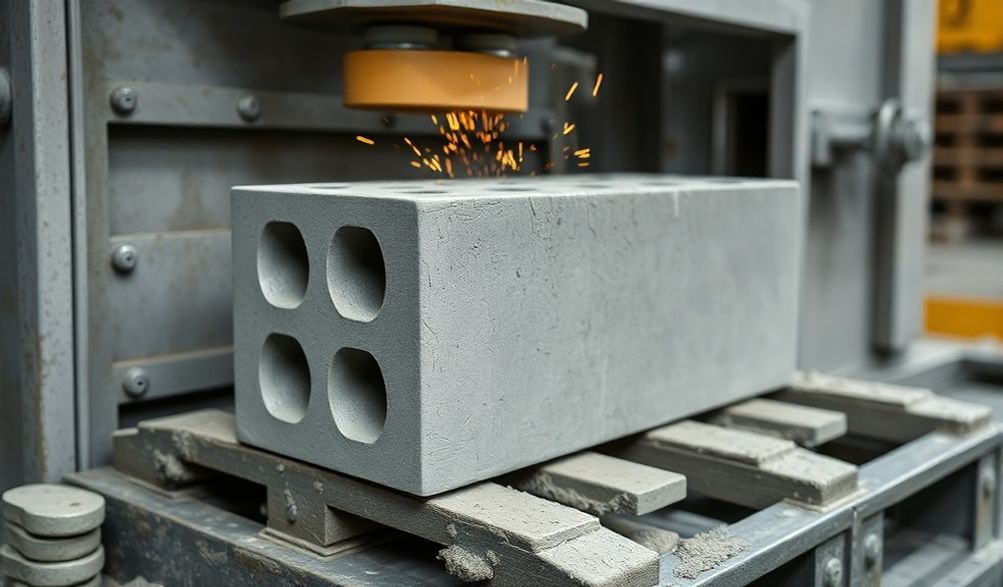
Guia Completo para a Fabricação de Blocos de Concreto: Do Básico ao Negócio
Introdução
Olhe ao redor de qualquer cenário urbano moderno, loteamento suburbano ou projeto de infraestrutura. O onipresente bloco de concreto é um pilar fundamental do nosso ambiente construído, literalmente. Por décadas, a produção desses componentes essenciais de construção era um ofício que exigia muita mão de obra. Hoje, esse cenário foi completamente transformado pelo advento damáquina de fazer blocos de concretoEsta tecnologia democratizou a produção, potencializou a eficiência e abriu a porta para que empreendedores construam negócios viáveis no setor da construção.
Este guia definitivo foi projetado para ser seu companheiro de confiança nessa jornada. Seja você um profissional da construção civil buscando entender a cadeia de suprimentos, um empreendedor astuto explorando uma oportunidade de fabricação ou um entusiasta dedicado ao faça-você-mesmo com um projeto de grande escala, dominar a produção de blocos com máquinas é uma habilidade poderosa. Vamos além da teoria, adentrando o conhecimento prático e acionável necessário para tomar decisões informadas, operar com segurança e construir uma base para o sucesso.
Este guia é construído a partir de uma síntese de práticas reais da indústria, princípios de engenharia e insights operacionais de negócios. Consolidamos conhecimentos de manufatura, engenharia civil e planejamento de pequenos negócios para fornecer informações autorizadas nas quais você pode confiar. Nosso compromisso é oferecer conselhos factuais, práticos e com consciência de segurança para orientar cada passo seu.
Compreendendo as Máquinas de Fabricação de Blocos de Concreto
Antes de investir em uma máquina, é crucial entender o que ela faz e como funciona. Em sua essência, uma máquina de fazer blocos automatiza e intensifica o processo de transformar a mistura bruta de concreto em blocos precisos, resistentes e uniformes.
Como Funcionam as Máquinas de Fabricação de Blocos de Concreto?
A magia dessas máquinas reside em replicar e aprimorar o processo tradicional por meio de força e precisão mecanizadas. O ciclo operacional central é consistente na maioria dos modelos:
- Mistura:Cimento, agregados (areia, brita) e água são combinados em um misturador de cuba ou planetário para criar uma mistura de concreto homogênea e semi-seca. A consistência é crítica — se muito úmida, o bloco não mantém a forma; se muito seca, não compacta adequadamente.
- Alimentação & Moldagem:O material misturado é alimentado em um funil, que então deposita uma quantidade medida em uma cavidade de molde (também chamada de caixa de molde). Este molde define a forma do bloco — oco, maciço, de pavimentação, etc.
- Compactação:Este é o cerne do processo. A máquina emprega vibração potente (de vibradores hidráulicos ou elétricos) e, frequentemente, pressão hidráulica simultânea para compactar densamente a mistura dentro do molde. Isso elimina bolsas de ar e garante que o bloco atinja a resistência estrutural necessária.
- Desmoldagem:Uma vez compactado, o molde é levantado ou removido, deixando o bloco "verde" recém-formado sobre um palete plano ou na base da máquina.
- Cura:O bloco verde é então transferido (manualmente ou por esteira) para uma área de cura. Aqui, ele é mantido úmido por um período específico (geralmente 7 a 14 dias) para permitir que o cimento hidrate completamente e ganhe resistência.
Este ciclo se repete continuamente, com uma produção que varia de algumas centenas a milhares de blocos por dia.
Tipos Principais de Máquinas: Manual, Semiautomática e Totalmente Automática
A sua escolha aqui é o maior determinante da sua escala de produção, necessidades de mão de obra e investimento inicial.
- Máquinas Manuais:Estas são as prensas mais básicas, frequentemente acionadas por alavancas.
- Operação:Todas as etapas — alimentação, compactação (por meio de uma alavanca) e desmoldagem — são feitas manualmente.
- Saída:Muito baixa (100-500 blocos por dia).
- Melhor Para:Projetos de escala extremamente pequena, locais remotos sem energia, ou produção de formatos especiais onde o volume não é uma preocupação.
- Máquinas Semiautomáticas:O ponto ideal para a maioria das startups e pequenas e médias empresas.
- Operação:Processos-chave como vibração e compactação são alimentados (elétrico ou diesel). Um operador alimenta manualmente a betoneira, carrega a tremonha e remove blocos acabados. O ciclo de moldagem é automatizado.
- Saída:Médio (800-3000 blocos por turno de 8 horas).
- Melhor Para:Negócios com demanda estável, oferecendo um ótimo equilíbrio entre acessibilidade, produção e controle.
- Máquinas Totalmente Automáticas:Estes são gigantes da linha de produção.
- Operação:Todo o processo, desde a dosagem de materiais até o empilhamento de blocos, é automatizado por meio de sistemas CLP (Controladores Lógicos Programáveis). Eles contam com esteiras transportadoras, alimentadores automáticos de paletes e empilhadores.
- Saída:Alto volume (3.000 a mais de 20.000 blocos por turno).
- Melhor Para:Fabricantes de grande escala que fornecem para grandes projetos de construção ou distribuidores, onde consistência e volume são fundamentais.
Componentes Principais e Suas Funções
Compreender as partes principais desmistifica a máquina e auxilia na manutenção.
* Misturador:Mistura matérias-primas em uma mistura uniforme de concreto.
* Hopper:Contém o concreto misturado e o alimenta no molde.
* Caixa/Moldura de MoldeO conjunto de aço removível que molda o bloco. Diferentes moldes criam diferentes tipos de bloco.
* Sistema de Vibrador: Motores elétricos ou hidráulicos que geram vibração de alta frequência para compactar o concreto.
* Unidade de Potência Hidráulica:Fornece a imensa pressão necessária para compactação em modelos semiautomáticos e totalmente automáticos.
* Painel de Controle:Abriga os controles elétricos e, em modelos avançados, um CLP para programar tipos de blocos e ciclos.
* Alimentador/Transportador de Paletes Moves the pallets (for block setting) or the blocks themselves through the production line.
Choosing the Right Machine for Your Needs
Selecting a machine is not about buying the biggest or cheapest. It’s about finding the perfect tool for your specific goals.
Assessing Your Production Goals and Scale
Start by asking yourself these foundational questions:
* What is my target daily or monthly output? Be realistic about your market demand and growth projections.
* What types of blocks will I produce? Standard hollow blocks, solid blocks, paving slabs, interlocking blocks? Ensure the machine can accommodate interchangeable molds.
* What is my available startup capital? Remember, the machine cost is only part of the total investment (covered next).
* What is my labor situation? Manual machines require more labor; fully automatic require skilled technicians.
Critical Machine Specifications to Evaluate
When comparing models, look beyond the price tag at these specs:
* Blocos Por Hora (BPH): The key output metric. Ensure it’s a sustainable output, not a peak theoretical maximum.
* Tipos de Moldes & Intercambialidade: Can you easily switch from producing hollow blocks to paving blocks? How much do additional molds cost?
* Requisitos de Energia: Does it run on standard 3-phase electricity, diesel, or is it a hybrid? This affects your operating costs and site setup.
* Grau de Automação: Match this to your labor budget and desired consistency. Do you need an automatic pallet feeder? A block stacker?
* Machine Build Quality: Inspect the thickness of steel plates, the quality of welding, and the brand of hydraulic and electrical components.
Budgeting: Machine Cost vs. Total Investment
A common pitfall is underestimating the full setup cost. Create a comprehensive budget:
* Machine Price: The purchase cost of the equipment itself.
* Installation & Foundation: You’ll likely need a solid, level concrete foundation.
* Raw Material Storage: Covered space for cement (must be kept dry) and aggregates.
* Curing Area: A large, accessible yard, often with a sprinkler system or curing sheets.
* Trabalho: Wages for operators, mixers, and laborers for handling blocks.
* Utilities & Fuel: Ongoing cost for electricity, diesel, and water.
* Maintenance Fund: A reserve for spare parts and routine servicing.
The Raw Materials and Mix Design Process
A top-tier machine with poor-quality materials will only produce poor-quality blocks. The raw inputs are just as critical as the equipment.
Essential Ingredients: Cement, Aggregates, and Water
- Cimento: The binder. Ordinary Portland Cement (OPC) is standard. Portland Pozzolana Cement (PPC), which includes fly ash, is a popular, often more eco-friendly alternative with good workability.
- Agregados: These provide bulk and strength. This includes fine aggregates (like river sand or crushed stone sand) and coarse aggregates (gravel or crushed stone, typically 6mm-12mm). They must be clean, hard, and free of organic matter.
- Água: Should be clean and potable. Impure water can weaken the final block or cause unsightly efflorescence (white salt deposits).
Mastering the Mix Design for Quality Blocks
The “recipe” is called mix design. A common starting ratio for standard hollow blocks is 1 part cement to 6 parts combined aggregates (e.g., a mix of sand and gravel). The water-cement ratio is crucial—aim for a semi-dry mix that holds its shape when squeezed in your hand.
* Consistency is Key: Batch-to-batch variation is the enemy of quality. Use measured volumes or, better yet, a weighing system for each ingredient.
* Strength & Finish: A higher cement ratio increases compressive strength but also cost. The right aggregate gradation ensures a smooth surface finish and good compaction.
Additives and Colorants for Enhanced Blocks
You can differentiate your product with additives:
* Plasticizers: Increase workability of the mix without adding extra water, leading to stronger blocks.
* Pigmentos: Iron oxide pigments are used to produce colored paving blocks, facades, or landscaping bricks.
* Waterproofing Agents: Integral waterproofing compounds can be added to the mix for blocks used in retaining walls or foundations.
Operating Your Machine: A Step-by-Step Workflow
Proper operation ensures safety, quality, and machine longevity.
Pre-Operation: Safety and Machine Setup
- Safety First: Mandatory Personal Protective Equipment (PPE) includes safety glasses, gloves, steel-toe boots, and hearing protection (vibration is loud).
- Inspeção de Máquina: Check oil levels in the hydraulic tank, ensure all bolts are tight, and inspect electrical connections. Look for any debris in the mold or on the pallets.
- Site Preparation: Ensure the working area is clean, well-lit, and free of trip hazards. Have raw materials pre-positioned.
The Production Cycle in Detail
- Preparação de Materiais: Measure and load the cement, sand, and aggregate into the mixer. Add the correct amount of water. Mix thoroughly.
- Início do Ciclo: Transfer the mix to the machine hopper. Press the start button (semi/auto) or begin the manual process.
- Moldagem e Compactação: The machine fills the mold and initiates vibration and pressure. You will hear and see this happen over 5-15 seconds.
- Desmoldagem: The mold rises, leaving the formed block on the pallet or production table.
- Remoção de Bloco: Carefully transfer the green block onto a curing rack or cart. Handle with care—it is still fragile.
Curing and Storage: Ensuring Final Strength
Curing is not just drying; it’s actively keeping the blocks moist to allow chemical reactions to complete.
* Método: After 24 hours, blocks can be stacked. Use a sprinkler system, cover with wet burlap sacks, or use plastic sheeting to retain moisture for at least 7 days.
* Storage: Cure blocks in a shaded area. After initial curing, they can be stored in the open but should be protected from rain-driven dirt and extreme temperature swings. Proper curing can double the final strength of the block.
Maintenance for Longevity and Consistent Output
Treat your machine like a partner. Preventive maintenance is far cheaper than breakdowns and lost production.
Daily, Weekly, and Monthly Maintenance Checklists
- Daily: Clean the machine thoroughly after use, especially the mold cavities and hopper. Check for loose parts. Grease all moving joints and bearings.
- Weekly: Inspect hydraulic hoses for leaks. Check vibrator mounts. Tighten any bolts that may have shaken loose.
- Monthly: Change hydraulic oil and filters as per the manufacturer’s schedule. Inspect electrical components for wear. Calibrate the mixer’s measuring system.
Troubleshooting Common Machine Issues
- Poor Compaction/Weak Blocks: Incorrect mix (too dry), insufficient vibration time, or worn vibrators.
- Blocks Sticking in Mold: Mold needs cleaning or lubrication (use a recommended mold release agent, not motor oil). Mix could be too wet.
- Uneven Block Height: Worn mold liners, uneven feeding of the hopper, or an unlevel machine foundation.
- Machine Not Cycling: Check electrical connections, hydraulic pressure, and safety sensors.
Sourcing Spare Parts and Getting Professional Service
Always use Original Equipment Manufacturer (OEM) or high-quality certified parts for critical components like hydraulics and vibrators. Establish a relationship with a reliable local technician familiar with your machine brand. Keep a basic inventory of common wear items like seals and hoses.
Building a Viable Concrete Block Making Business
The machine is your factory floor. Now, you need to build the business around it.
Crafting Your Business and Marketing Plan
- Market Analysis: Study local construction activity. Who are your competitors? What blocks are in high demand?
- Marketing Basics: Your primary customers are contractors, builders, and masonry suppliers. Create a simple brochure with your block specifications and prices. Consider offering samples. Word-of-mouth from a quality product is your most powerful tool.
Calculating Profitability and ROI
Create a simple financial model:
* Revenue: Selling Price per Block x Monthly Volume.
* Cost of Goods Sold (COGS): (Cost of Cement + Aggregates + Power + Labor for production) per Block.
* Gross Profit: Revenue – COGS.
* Overheads: Rent, admin salaries, marketing, machine depreciation, maintenance fund.
* Net Profit: Gross Profit – Overheads.
Aim to understand your break-even point and how long it will take to recoup your initial investment (ROI).
Navigating Regulations and Quality Standards
- Licenças Comerciais: Obtain necessary local trade licenses and factory registrations.
- Environmental Norms: Manage dust (from cement) and water runoff from your curing yard.
- Padrões de Qualidade: Adhering to standards like IS 2185 (India), ASTM C90 (USA), or BS 6073 (UK) isn’t just about compliance; it’s a powerful marketing tool that assures customers of your block’s strength and durability. Consider getting your blocks tested at a local civil engineering lab.
Advanced Tips and Future Trends
Optimizing Production for Efficiency and Lower Waste
- Plan production batches to minimize mold changeovers.
- Recycle broken or defective green blocks back into the mixer.
- Use energy-efficient motors and optimize the production cycle time to save power.
Exploring Specialized Block Production
Diversify your product line to tap into niche markets:
* Blocos de Pavimentação Intertravados For driveways and walkways.
* Insulated Concrete Blocks: Incorporating materials like EPS beads for thermal efficiency.
* Decorative Facade Blocks: With textured or patterned faces for aesthetic walls.
The Future: Automation, Sustainability, and Smart Tech
The industry is evolving:
* IoT & Smart Machines: Sensors that predict maintenance needs and optimize cycle times in real-time.
* Sustainable Materials: Increased use of recycled concrete aggregate (RCA), industrial by-products like slag, and carbon-capturing cements.
* Automação Avançada: Robotics for palletizing and loading, further reducing labor and improving safety.
Perguntas Frequentes (FAQ)
Q1: What is the average profit margin in a concrete block making business?
A: Net profit margins typically range from 15% to 35%. This wide range depends heavily on factors like your operational efficiency, local material costs, scale of production, and competitive pricing. A detailed, localized cost analysis is essential for accurate figures.
Q2: Can I operate a block making machine with no prior experience?
A: Yes, you can. However, comprehensive hands-on training from your equipment supplier is non-negotiable. Starting with a simpler semi-automatic model is highly advisable. Always, without exception, prioritize understanding and following all safety protocols.
Q3: How much space is required to set up a small block making unit?
A: For a small-scale semi-automatic operation, you should plan for a minimum of 5,000 to 10,000 square feet. This accommodates the machine shed, raw material storage (keeping cement dry is critical), the block curing area, and space for storing finished inventory.
Q4: What is the typical lifespan of a concrete block making machine?
A: With diligent and proper maintenance, a well-built machine can have a productive lifespan of 10 to 20 years. High-wear components like vibrator motors, hydraulic seals, and mold liners will require replacement more frequently based on usage intensity.
Q5: Are there eco-friendly options for concrete block production?
A: Absolutely. Sustainability is a major trend. You can use fly ash-based cement (PPC), incorporate recycled concrete or other industrial wastes as aggregates, and implement water recycling systems in your curing yard. Many modern machines are designed to handle these alternative material mixes effectively.
Conclusão
The journey from understanding the mechanics of a máquina de fazer blocos de concreto to running a successful production business is one of practical learning and meticulous execution. Success is not guaranteed by the machine alone; it is forged by choosing the right equipment for your goals, mastering the science of mix design and curing, and committing to a culture of quality, safety, and relentless maintenance.
The advice in this guide is distilled from industry experience and expert knowledge, designed to give you a trustworthy foundation. We strongly encourage you to use this as a starting point for your own detailed research.
Call to Action: Take the next step. Use the frameworks here to calculate your specific production needs and draft a preliminary budget. Reach out to multiple reputable machine manufacturers for consultations and detailed quotes. Before you make any investment, ensure you have a plan for training and a clear understanding of your local market. Your blueprint for success starts with informed action.
<