
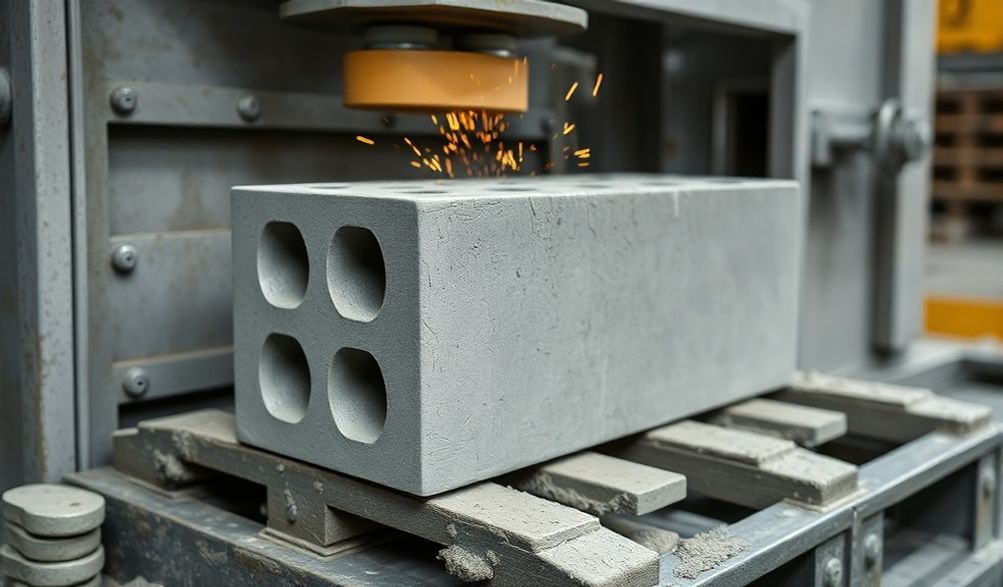
Panduan Lengkap Pembuatan Blok Konkrit Mesin: Dari Asas ke Perniagaan
Pengenalan
Lihatlah sekeliling mana-mana pemandangan bandar moden, pembangunan subbandar, atau projek infrastruktur. Blok konkrit yang terdapat di mana-mana merupakan tiang asas persekitaran binaan kita, secara harfiahnya. Selama beberapa dekad, penghasilan komponen binaan penting ini merupakan satu kraf yang memerlukan tenaga kerja yang intensif. Hari ini, landskap itu telah berubah sepenuhnya dengan kemunculanmesin membuat blok konkritTeknologi ini telah mendemokrasikan pengeluaran, meningkatkan kecekapan secara drastik, dan membuka pintu untuk usahawan membina perniagaan yang berdaya maju dalam sektor pembinaan.
Panduan muktamad ini direka untuk menjadi teman setia anda dalam perjalanan tersebut. Sama ada anda seorang profesional pembinaan yang ingin memahami rantaian bekalan, usahawan bijak yang mencari peluang pembuatan, atau peminat DIY yang berdedikasi dengan projek berskala besar, menguasai penghasilan blok berasaskan mesin adalah kemahiran yang sangat berkuasa. Kami akan melangkah melebihi teori kepada pengetahuan praktikal dan boleh dilaksanakan yang diperlukan untuk membuat keputusan termaklum, beroperasi dengan selamat, dan membina asas untuk kejayaan.
Panduan ini dibina berdasarkan sintesis amalan industri dunia sebenar, prinsip kejuruteraan, dan wawasan operasi perniagaan. Kami menggabungkan kepakaran dari bidang pembuatan, kejuruteraan awam, dan perancangan perniagaan kecil untuk menyediakan maklumat berwibawa yang boleh anda andalkan. Komitmen kami adalah untuk memberikan nasihat yang faktual, praktikal, dan peka keselamatan untuk membimbing setiap langkah anda.
Memahami Mesin Pembuat Blok Konkrit
Sebelum melabur dalam mesin, adalah penting untuk memahami apa yang dilakukannya dan bagaimana ia berfungsi. Pada terasnya, mesin pembuat blok mengautomasikan dan mengintensifkan proses membentuk campuran konkrit mentah menjadi blok yang tepat, kuat, dan seragam.
Bagaimana Mesin Pembuat Blok Konkrit Berfungsi?
Keajaiban mesin-mesin ini terletak pada kemampuannya meniru dan meningkatkan proses tradisional melalui tenaga dan ketepatan bermesin. Kitaran operasi terasnya adalah konsisten merentasi kebanyakan model:
- Mencampurkan:Simen, agregat (pasir, batu kelikir), dan air dicampurkan dalam pengadun pan atau planet untuk menghasilkan campuran konkrit separa kering yang homogen. Konsistensinya amat penting—terlalu basah dan blok tidak akan mengekalkan bentuk; terlalu kering dan ia tidak akan memadat dengan baik.
- Makan & Membentuk:Campuran bahan itu dimasukkan ke dalam corong, yang kemudiannya menyimpan jumlah yang diukur ke dalam rongga acuan (juga dipanggil kotak acuan). Acuan ini menentukan bentuk blok - berongga, padat, batu bata, dan lain-lain.
- Pemadatan:Ini adalah teras prosesnya. Mesin ini menggunakan getaran kuat (daripada penggetar hidraulik atau elektrik) dan sering kali tekanan hidraulik serentak untuk memadatkan campuran dengan padat di dalam acuan. Ini menghilangkan poket udara dan memastikan blok mencapai kekuatan struktur yang diperlukan.
- Pelepasan Acuan:Setelah dipadatkan, acuan diangkat atau dikeluarkan, meninggalkan blok "hijau" yang baru terbentuk di atas palet rata atau dasar mesin.
- Penyembuhan:Blok hijau kemudiannya dipindahkan (secara manual atau melalui penghantar) ke kawasan pematangan. Di sini, ia disimpan lembap untuk tempoh tertentu (biasanya 7-14 hari) untuk membenarkan simen terhidrat sepenuhnya dan memperoleh kekuatan.
Kitaran ini berulang secara berterusan, dengan keluaran berjulat dari beberapa ratus hingga ribuan blok setiap hari.
Jenis Utama Mesin: Manual, Semi-Automatik, dan Sepenuhnya Automatik
Pilihan anda di sini adalah penentu tunggal terbesar bagi skala pengeluaran, keperluan tenaga kerja, dan pelaburan awal anda.
- Mesin Manual:Ini adalah mesin cetak paling asas, sering dikendalikan dengan tuas.
- Operasi:Semua langkah—pemberian makanan, pemadatan (melalui tuas), dan pembukaan acuan—dilakukan secara manual.
- Output:Sangat rendah (100-500 blok sehari).
- Terbaik Untuk:Projek berskala sangat kecil, lokasi terpencil tanpa bekalan elektrik, atau menghasilkan bentuk khas di mana isipadu bukanlah satu kebimbangan.
- Mesin Semi-Automatik:Titik kemanisan bagi kebanyakan syarikat pemula dan perusahaan kecil hingga sederhana.
- Operasi:Proses utama seperti getaran dan pemadatan dikuasakan (elektrik atau diesel). Seorang pengendali secara manual memberi suapan kepada pengadun, memuatkan corong, dan mengeluarkan blok siap. Kitaran pengacuan adalah automatik.
- Output:Sederhana (800-3000 blok setiap 8 jam syif).
- Terbaik Untuk:Perniagaan dengan permintaan yang stabil, menawarkan keseimbangan yang baik antara kemampuan kewangan, output, dan kawalan.
- Mesin Sepenuhnya Automatik:Ini adalah gergasi barisan pengeluaran.
- Operasi:Keseluruhan proses dari penyediaan bahan hingga penyusunan blok adalah automatik melalui sistem PLC (Pengawal Logik Boleh Atur). Ia menampilkan tali sawat, penyuap palet automatik, dan mesin penyusun.
- Output:Isipadu tinggi (3000-20,000+ blok setiap syif).
- Terbaik Untuk:Pembekal berskala besar yang membekalkan projek pembinaan utama atau pengedar, di mana konsistensi dan kuantiti adalah penting.
Komponen Teras dan Fungsi Mereka
Memahami bahagian utama membongkar misteri mesin dan membantu dalam penyelenggaraan.
* Pengadun:Mencampurkan bahan mentah menjadi bancuhan konkrit yang seragam.
* Hopper:Memegang konkrit campuran dan menyuapkannya ke dalam kotak acuan.
* Kotak/Bingkai AcuanAcuan keluli boleh tanggal yang membentuk blok. Acuan yang berbeza menghasilkan jenis blok yang berbeza.
* Sistem Getar:Motor elektrik atau hidraulik yang menghasilkan getaran frekuensi tinggi untuk memadatkan konkrit.
* Pek Kuasa Hidraulik:Menyediakan tekanan yang amat diperlukan untuk pemadatan dalam model separa automatik dan automatik sepenuhnya.
* Panel Kawalan:Mengandungi kawalan elektrik dan, dalam model-model canggih, PLC untuk memprogramkan jenis blok dan kitaran.
* Penghantar Palet/Penghantar: Moves the pallets (for block setting) or the blocks themselves through the production line.
Choosing the Right Machine for Your Needs
Selecting a machine is not about buying the biggest or cheapest. It’s about finding the perfect tool for your specific goals.
Assessing Your Production Goals and Scale
Start by asking yourself these foundational questions:
* What is my target daily or monthly output? Be realistic about your market demand and growth projections.
* What types of blocks will I produce? Standard hollow blocks, solid blocks, paving slabs, interlocking blocks? Ensure the machine can accommodate interchangeable molds.
* What is my available startup capital? Remember, the machine cost is only part of the total investment (covered next).
* What is my labor situation? Manual machines require more labor; fully automatic require skilled technicians.
Critical Machine Specifications to Evaluate
When comparing models, look beyond the price tag at these specs:
* Blok Per Jam (BPH): The key output metric. Ensure it’s a sustainable output, not a peak theoretical maximum.
* Jenis Acuan & Kebolehubahan: Can you easily switch from producing hollow blocks to paving blocks? How much do additional molds cost?
* Keperluan Kuasa: Does it run on standard 3-phase electricity, diesel, or is it a hybrid? This affects your operating costs and site setup.
* Tahap Automasi: Match this to your labor budget and desired consistency. Do you need an automatic pallet feeder? A block stacker?
* Machine Build Quality: Inspect the thickness of steel plates, the quality of welding, and the brand of hydraulic and electrical components.
Budgeting: Machine Cost vs. Total Investment
A common pitfall is underestimating the full setup cost. Create a comprehensive budget:
* Machine Price: The purchase cost of the equipment itself.
* Installation & Foundation: You’ll likely need a solid, level concrete foundation.
* Raw Material Storage: Covered space for cement (must be kept dry) and aggregates.
* Curing Area: A large, accessible yard, often with a sprinkler system or curing sheets.
* Buruh: Wages for operators, mixers, and laborers for handling blocks.
* Utilities & Fuel: Ongoing cost for electricity, diesel, and water.
* Maintenance Fund: A reserve for spare parts and routine servicing.
The Raw Materials and Mix Design Process
A top-tier machine with poor-quality materials will only produce poor-quality blocks. The raw inputs are just as critical as the equipment.
Essential Ingredients: Cement, Aggregates, and Water
- Simen: The binder. Ordinary Portland Cement (OPC) is standard. Portland Pozzolana Cement (PPC), which includes fly ash, is a popular, often more eco-friendly alternative with good workability.
- Agregat: These provide bulk and strength. This includes fine aggregates (like river sand or crushed stone sand) and coarse aggregates (gravel or crushed stone, typically 6mm-12mm). They must be clean, hard, and free of organic matter.
- Air: Should be clean and potable. Impure water can weaken the final block or cause unsightly efflorescence (white salt deposits).
Mastering the Mix Design for Quality Blocks
The “recipe” is called mix design. A common starting ratio for standard hollow blocks is 1 part cement to 6 parts combined aggregates (e.g., a mix of sand and gravel). The water-cement ratio is crucial—aim for a semi-dry mix that holds its shape when squeezed in your hand.
* Consistency is Key: Batch-to-batch variation is the enemy of quality. Use measured volumes or, better yet, a weighing system for each ingredient.
* Strength & Finish: A higher cement ratio increases compressive strength but also cost. The right aggregate gradation ensures a smooth surface finish and good compaction.
Additives and Colorants for Enhanced Blocks
You can differentiate your product with additives:
* Plasticizers: Increase workability of the mix without adding extra water, leading to stronger blocks.
* Pigmen: Iron oxide pigments are used to produce colored paving blocks, facades, or landscaping bricks.
* Waterproofing Agents: Integral waterproofing compounds can be added to the mix for blocks used in retaining walls or foundations.
Operating Your Machine: A Step-by-Step Workflow
Proper operation ensures safety, quality, and machine longevity.
Pre-Operation: Safety and Machine Setup
- Safety First: Mandatory Personal Protective Equipment (PPE) includes safety glasses, gloves, steel-toe boots, and hearing protection (vibration is loud).
- Machine Inspection: Check oil levels in the hydraulic tank, ensure all bolts are tight, and inspect electrical connections. Look for any debris in the mold or on the pallets.
- Site Preparation: Ensure the working area is clean, well-lit, and free of trip hazards. Have raw materials pre-positioned.
The Production Cycle in Detail
- Penyediaan Bahan: Measure and load the cement, sand, and aggregate into the mixer. Add the correct amount of water. Mix thoroughly.
- Permulaan Kitaran: Transfer the mix to the machine hopper. Press the start button (semi/auto) or begin the manual process.
- Pembentukan & Pemadatan: The machine fills the mold and initiates vibration and pressure. You will hear and see this happen over 5-15 seconds.
- Pelepasan Acuan: The mold rises, leaving the formed block on the pallet or production table.
- Penyingkiran Blok: Carefully transfer the green block onto a curing rack or cart. Handle with care—it is still fragile.
Curing and Storage: Ensuring Final Strength
Curing is not just drying; it’s actively keeping the blocks moist to allow chemical reactions to complete.
* Kaedah: After 24 hours, blocks can be stacked. Use a sprinkler system, cover with wet burlap sacks, or use plastic sheeting to retain moisture for at least 7 days.
* Storage: Cure blocks in a shaded area. After initial curing, they can be stored in the open but should be protected from rain-driven dirt and extreme temperature swings. Proper curing can double the final strength of the block.
Maintenance for Longevity and Consistent Output
Treat your machine like a partner. Preventive maintenance is far cheaper than breakdowns and lost production.
Daily, Weekly, and Monthly Maintenance Checklists
- Daily: Clean the machine thoroughly after use, especially the mold cavities and hopper. Check for loose parts. Grease all moving joints and bearings.
- Weekly: Inspect hydraulic hoses for leaks. Check vibrator mounts. Tighten any bolts that may have shaken loose.
- Monthly: Change hydraulic oil and filters as per the manufacturer’s schedule. Inspect electrical components for wear. Calibrate the mixer’s measuring system.
Troubleshooting Common Machine Issues
- Poor Compaction/Weak Blocks: Incorrect mix (too dry), insufficient vibration time, or worn vibrators.
- Blocks Sticking in Mold: Mold needs cleaning or lubrication (use a recommended mold release agent, not motor oil). Mix could be too wet.
- Uneven Block Height: Worn mold liners, uneven feeding of the hopper, or an unlevel machine foundation.
- Machine Not Cycling: Check electrical connections, hydraulic pressure, and safety sensors.
Sourcing Spare Parts and Getting Professional Service
Always use Original Equipment Manufacturer (OEM) or high-quality certified parts for critical components like hydraulics and vibrators. Establish a relationship with a reliable local technician familiar with your machine brand. Keep a basic inventory of common wear items like seals and hoses.
Building a Viable Concrete Block Making Business
The machine is your factory floor. Now, you need to build the business around it.
Crafting Your Business and Marketing Plan
- Market Analysis: Study local construction activity. Who are your competitors? What blocks are in high demand?
- Marketing Basics: Your primary customers are contractors, builders, and masonry suppliers. Create a simple brochure with your block specifications and prices. Consider offering samples. Word-of-mouth from a quality product is your most powerful tool.
Calculating Profitability and ROI
Create a simple financial model:
* Revenue: Selling Price per Block x Monthly Volume.
* Cost of Goods Sold (COGS): (Cost of Cement + Aggregates + Power + Labor for production) per Block.
* Gross Profit: Revenue – COGS.
* Overheads: Rent, admin salaries, marketing, machine depreciation, maintenance fund.
* Net Profit: Gross Profit – Overheads.
Aim to understand your break-even point and how long it will take to recoup your initial investment (ROI).
Navigating Regulations and Quality Standards
- Business Licenses: Obtain necessary local trade licenses and factory registrations.
- Environmental Norms: Manage dust (from cement) and water runoff from your curing yard.
- Piawaian Kualiti: Adhering to standards like IS 2185 (India), ASTM C90 (USA), or BS 6073 (UK) isn’t just about compliance; it’s a powerful marketing tool that assures customers of your block’s strength and durability. Consider getting your blocks tested at a local civil engineering lab.
Advanced Tips and Future Trends
Optimizing Production for Efficiency and Lower Waste
- Plan production batches to minimize mold changeovers.
- Recycle broken or defective green blocks back into the mixer.
- Use energy-efficient motors and optimize the production cycle time to save power.
Exploring Specialized Block Production
Diversify your product line to tap into niche markets:
* Blok Papak Berkunci For driveways and walkways.
* Insulated Concrete Blocks: Incorporating materials like EPS beads for thermal efficiency.
* Decorative Facade Blocks: With textured or patterned faces for aesthetic walls.
The Future: Automation, Sustainability, and Smart Tech
The industry is evolving:
* IoT & Smart Machines: Sensors that predict maintenance needs and optimize cycle times in real-time.
* Sustainable Materials: Increased use of recycled concrete aggregate (RCA), industrial by-products like slag, and carbon-capturing cements.
* Automasi Lanjutan: Robotics for palletizing and loading, further reducing labor and improving safety.
Soalan Lazim (FAQ)
Q1: What is the average profit margin in a concrete block making business?
A: Net profit margins typically range from 15% to 35%. This wide range depends heavily on factors like your operational efficiency, local material costs, scale of production, and competitive pricing. A detailed, localized cost analysis is essential for accurate figures.
Q2: Can I operate a block making machine with no prior experience?
A: Yes, you can. However, comprehensive hands-on training from your equipment supplier is non-negotiable. Starting with a simpler semi-automatic model is highly advisable. Always, without exception, prioritize understanding and following all safety protocols.
Q3: How much space is required to set up a small block making unit?
A: For a small-scale semi-automatic operation, you should plan for a minimum of 5,000 to 10,000 square feet. This accommodates the machine shed, raw material storage (keeping cement dry is critical), the block curing area, and space for storing finished inventory.
Q4: What is the typical lifespan of a concrete block making machine?
A: With diligent and proper maintenance, a well-built machine can have a productive lifespan of 10 to 20 years. High-wear components like vibrator motors, hydraulic seals, and mold liners will require replacement more frequently based on usage intensity.
Q5: Are there eco-friendly options for concrete block production?
A: Absolutely. Sustainability is a major trend. You can use fly ash-based cement (PPC), incorporate recycled concrete or other industrial wastes as aggregates, and implement water recycling systems in your curing yard. Many modern machines are designed to handle these alternative material mixes effectively.
Kesimpulan
The journey from understanding the mechanics of a mesin membuat blok konkrit to running a successful production business is one of practical learning and meticulous execution. Success is not guaranteed by the machine alone; it is forged by choosing the right equipment for your goals, mastering the science of mix design and curing, and committing to a culture of quality, safety, and relentless maintenance.
The advice in this guide is distilled from industry experience and expert knowledge, designed to give you a trustworthy foundation. We strongly encourage you to use this as a starting point for your own detailed research.
Call to Action: Take the next step. Use the frameworks here to calculate your specific production needs and draft a preliminary budget. Reach out to multiple reputable machine manufacturers for consultations and detailed quotes. Before you make any investment, ensure you have a plan for training and a clear understanding of your local market. Your blueprint for success starts with informed action.
<