
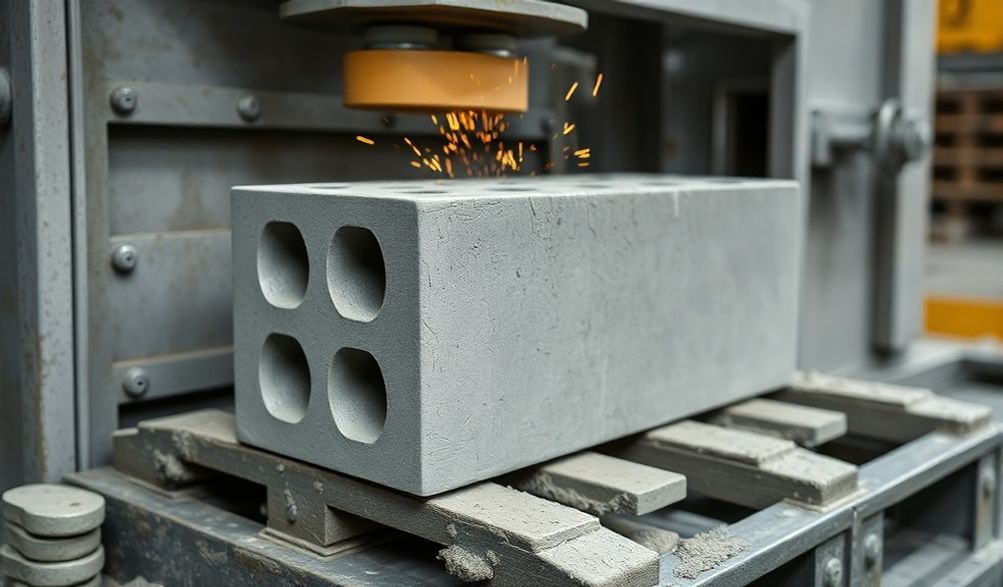
콘크리트 블록 제작 완벽 가이드: 기초부터 사업까지 이 가이드는 콘크리트 블록 제작의 모든 단계를 다루며, 초보자도 쉽게 따라할 수 있는 기초부터 본격적인 사업으로 확장하는 방법까지 체계적으로 설명합니다. 콘크리트 블록 제작의 원리, 필요한 장비, 재료 선택, 제작 공정, 품질 관리, 그리고 수익성 있는 사업 모델 구축에 이르기까지 실용적인 정보를 제공합니다.
소개
어느 현대 도시의 풍경, 교외 주택 단지, 혹은 인프라 프로젝트를 둘러보라. 어디에나 있는 콘크리트 블록은 우리의 건조 환경을 이루는 말 그대로 기초적인 기둥이다. 수십 년 동안, 이러한 필수 건축 자재의 생산은 노동 집약적인 공예였다. 오늘날, 그 풍경은 자동 블록 제조기의 등장으로 완전히 변모했다.콘크리트 블록 제조 기계이 기술은 생산을 민주화하고, 효율성을 극대화하며, 건설 분야에서 기업가들이 실질적인 사업을 구축할 수 있는 문을 열었습니다.
이 확실한 가이드는 여러분의 그 여정에서 믿음직한 동반자가 되도록 설계되었습니다. 건설 전문가로서 공급망을 이해하려는 분이든, 제조업 기회를 살피는 기민한 기업가이든, 대규모 프로젝트를 계획 중인 열정적인 DIY 애호가이든, 기계를 이용한 블록 생산을 숙달하는 것은 강력한 기술입니다. 우리는 이론을 넘어 실용적이고 실행 가능한 지식으로 나아가, 정보에 기반한 결정을 내리고 안전하게 운영하며 성공의 기초를 쌓는 데 필요한 내용을 다룰 것입니다.
이 가이드는 실제 산업 현장의 관행, 공학적 원칙, 그리고 비즈니스 운영 통찰력을 종합하여 구축되었습니다. 제조업, 토목 공학, 소기업 계획 분야의 전문 지식을 통합하여 신뢰할 수 있는 권위 있는 정보를 제공합니다. 우리의 목표는 사실에 기반하고 실용적이며 안전을 중시하는 조언을 제공하여 여러분의 모든 단계를 안내하는 데 있습니다.
콘크리트 블록 제조 기계 이해하기
기계에 투자하기 전에, 그것이 무엇을 하는지 그리고 어떻게 작동하는지 이해하는 것이 중요합니다. 블록 제작 기계의 핵심은 원료 콘크리트 혼합물을 정밀하고 강하며 균일한 블록으로 성형하는 과정을 자동화하고 강화하는 데 있습니다.
콘크리트 블록 제작 기계는 어떻게 작동하나요?
이 기계들의 마법은 기계화된 힘과 정밀도를 통해 전통적인 공정을 재현하고 향상시키는 데 있습니다. 대부분의 모델에서 핵심 작동 사이클은 일관되게 유지됩니다:
- 믹싱시멘트, 골재(모래, 자갈), 물을 팬 믹서나 플래너터리 믹서에 섞어 균일하고 반건조 상태의 콘크리트 배합을 만듭니다. 이 배합의 점도는 매우 중요합니다. 너무 축축하면 블록이 형태를 유지하지 못하고, 너무 건조하면 적절하게 다져지지 않습니다.
- 급식 및 성형혼합된 재료는 호퍼에 투입된 후, 측정된 양이 몰드 캐비티(몰드 박스라고도 함)에 투하됩니다. 이 몰드는 블록의 모양—속이 빈 형태, 단단한 형태, 포장용 형태 등—을 결정합니다.
- 압축:이것이 공정의 핵심입니다. 이 기계는 강력한 진동(유압 또는 전기 진동기를 통해)과 종종 동시에 가해지는 유압 압력을 이용하여 몰드 내부의 혼합물을 밀도 있게 다집니다. 이 과정은 공기 주머니를 제거하고 블록이 요구되는 구조적 강도를 확보하도록 보장합니다.
- 탈형:성형이 완료되면 몰드를 들어 올리거나 벗겨내어, 새로 만들어진 "생" 블록을 평평한 팔레트나 기계 베이스 위에 남겨둡니다.
- 치유:그린 블록은 그 다음에 경화 구역으로 (수동으로 또는 컨베이어를 통해) 이동됩니다. 여기서는 시멘트가 완전히 수화하여 강도를 얻을 수 있도록 특정 기간 동안(보통 7~14일) 습기를 유지합니다.
이 사이클은 지속적으로 반복되며, 하루에 수백 개에서 수천 개에 이르는 블록이 출력됩니다.
기계의 주요 유형: 수동, 반자동 및 완전 자동
여기서 당신의 선택은 생산 규모, 노동력 필요성, 그리고 초기 투자에 있어 가장 큰 결정 요인입니다.
- 수동 기계:이것들은 가장 기본적이고, 종종 레버로 작동되는 프레스들입니다.
- 작전:모든 단계—사료 공급, 압축(레버를 통한), 그리고 탈형—은 수작업으로 이루어집니다.
- 출력:매우 낮음(하루 100~500 블록).
- 최적 대상:극소규모 프로젝트, 전력 공급이 없는 외딴 지역, 또는 생산량이 중요하지 않은 특수 형상 제작.
- 반자동 기계: The sweet spot for most start-up and small-to-medium businesses.
- 작전: Key processes like vibration and compaction are powered (electric or diesel). An operator manually feeds the mixer, loads the hopper, and removes finished blocks. The molding cycle is automated.
- 출력: Medium (800-3000 blocks per 8-hour shift).
- 최적 대상: Businesses with steady demand, offering a great balance between affordability, output, and control.
- 완전 자동 기계: These are production line behemoths.
- 작전: The entire process from material batching to block stacking is automated via PLC (Programmable Logic Controller) systems. They feature conveyor belts, automatic pallet feeders, and stackers.
- 출력: High-volume (3000-20,000+ blocks per shift).
- 최적 대상: Large-scale manufacturers supplying major construction projects or distributors, where consistency and volume are paramount.
핵심 구성 요소와 그 기능
Understanding the key parts demystifies the machine and aids in maintenance:
* 믹서: Blends raw materials into a uniform concrete mix.
* 호퍼: Holds the mixed concrete and feeds it into the mold box.
* Mold Box/Frame: The removable steel assembly that shapes the block. Different molds create different block types.
* 진동 시스템: Electric or hydraulic motors that generate high-frequency vibration to compact the concrete.
* 유압 파워 팩 Provides the immense pressure needed for compaction in semi- and fully-automatic models.
* 제어판 Houses the electrical controls and, in advanced models, a PLC for programming block types and cycles.
* 팔레트 피더/컨베이어 Moves the pallets (for block setting) or the blocks themselves through the production line.
Choosing the Right Machine for Your Needs
Selecting a machine is not about buying the biggest or cheapest. It’s about finding the perfect tool for your specific goals.
Assessing Your Production Goals and Scale
Start by asking yourself these foundational questions:
* What is my target daily or monthly output? Be realistic about your market demand and growth projections.
* What types of blocks will I produce? Standard hollow blocks, solid blocks, paving slabs, interlocking blocks? Ensure the machine can accommodate interchangeable molds.
* What is my available startup capital? Remember, the machine cost is only part of the total investment (covered next).
* What is my labor situation? Manual machines require more labor; fully automatic require skilled technicians.
Critical Machine Specifications to Evaluate
When comparing models, look beyond the price tag at these specs:
* 시간당 블록 수 (BPH): The key output metric. Ensure it’s a sustainable output, not a peak theoretical maximum.
* 곰팡이 유형 및 호환성: Can you easily switch from producing hollow blocks to paving blocks? How much do additional molds cost?
* 전력 요구 사항 Does it run on standard 3-phase electricity, diesel, or is it a hybrid? This affects your operating costs and site setup.
* 자동화 정도: Match this to your labor budget and desired consistency. Do you need an automatic pallet feeder? A block stacker?
* 기계 제작 품질: Inspect the thickness of steel plates, the quality of welding, and the brand of hydraulic and electrical components.
Budgeting: Machine Cost vs. Total Investment
A common pitfall is underestimating the full setup cost. Create a comprehensive budget:
* Machine Price: The purchase cost of the equipment itself.
* Installation & Foundation: You’ll likely need a solid, level concrete foundation.
* Raw Material Storage: Covered space for cement (must be kept dry) and aggregates.
* Curing Area: A large, accessible yard, often with a sprinkler system or curing sheets.
* 노동 Wages for operators, mixers, and laborers for handling blocks.
* Utilities & Fuel: Ongoing cost for electricity, diesel, and water.
* Maintenance Fund: A reserve for spare parts and routine servicing.
The Raw Materials and Mix Design Process
A top-tier machine with poor-quality materials will only produce poor-quality blocks. The raw inputs are just as critical as the equipment.
Essential Ingredients: Cement, Aggregates, and Water
- 시멘트: The binder. Ordinary Portland Cement (OPC) is standard. Portland Pozzolana Cement (PPC), which includes fly ash, is a popular, often more eco-friendly alternative with good workability.
- 집계체 These provide bulk and strength. This includes fine aggregates (like river sand or crushed stone sand) and coarse aggregates (gravel or crushed stone, typically 6mm-12mm). They must be clean, hard, and free of organic matter.
- 물: Should be clean and potable. Impure water can weaken the final block or cause unsightly efflorescence (white salt deposits).
Mastering the Mix Design for Quality Blocks
The “recipe” is called mix design. A common starting ratio for standard hollow blocks is 1 part cement to 6 parts combined aggregates (e.g., a mix of sand and gravel). The water-cement ratio is crucial—aim for a semi-dry mix that holds its shape when squeezed in your hand.
* 일관성이 핵심입니다 Batch-to-batch variation is the enemy of quality. Use measured volumes or, better yet, a weighing system for each ingredient.
* Strength & Finish: A higher cement ratio increases compressive strength but also cost. The right aggregate gradation ensures a smooth surface finish and good compaction.
Additives and Colorants for Enhanced Blocks
You can differentiate your product with additives:
* Plasticizers: Increase workability of the mix without adding extra water, leading to stronger blocks.
* 안료: Iron oxide pigments are used to produce colored paving blocks, facades, or landscaping bricks.
* Waterproofing Agents: Integral waterproofing compounds can be added to the mix for blocks used in retaining walls or foundations.
Operating Your Machine: A Step-by-Step Workflow
Proper operation ensures safety, quality, and machine longevity.
Pre-Operation: Safety and Machine Setup
- Safety First: Mandatory Personal Protective Equipment (PPE) includes safety glasses, gloves, steel-toe boots, and hearing protection (vibration is loud).
- Machine Inspection: Check oil levels in the hydraulic tank, ensure all bolts are tight, and inspect electrical connections. Look for any debris in the mold or on the pallets.
- 현장 준비: Ensure the working area is clean, well-lit, and free of trip hazards. Have raw materials pre-positioned.
The Production Cycle in Detail
- 자재 준비 Measure and load the cement, sand, and aggregate into the mixer. Add the correct amount of water. Mix thoroughly.
- 사이클 시작 Transfer the mix to the machine hopper. Press the start button (semi/auto) or begin the manual process.
- 성형 및 압축 The machine fills the mold and initiates vibration and pressure. You will hear and see this happen over 5-15 seconds.
- 탈형: The mold rises, leaving the formed block on the pallet or production table.
- 블록 제거 Carefully transfer the green block onto a curing rack or cart. Handle with care—it is still fragile.
Curing and Storage: Ensuring Final Strength
Curing is not just drying; it’s actively keeping the blocks moist to allow chemical reactions to complete.
* 방법 After 24 hours, blocks can be stacked. Use a sprinkler system, cover with wet burlap sacks, or use plastic sheeting to retain moisture for at least 7 days.
* 저장 Cure blocks in a shaded area. After initial curing, they can be stored in the open but should be protected from rain-driven dirt and extreme temperature swings. Proper curing can double the final strength of the block.
Maintenance for Longevity and Consistent Output
Treat your machine like a partner. Preventive maintenance is far cheaper than breakdowns and lost production.
Daily, Weekly, and Monthly Maintenance Checklists
- Daily: Clean the machine thoroughly after use, especially the mold cavities and hopper. Check for loose parts. Grease all moving joints and bearings.
- Weekly: Inspect hydraulic hoses for leaks. Check vibrator mounts. Tighten any bolts that may have shaken loose.
- Monthly: Change hydraulic oil and filters as per the manufacturer’s schedule. Inspect electrical components for wear. Calibrate the mixer’s measuring system.
Troubleshooting Common Machine Issues
- Poor Compaction/Weak Blocks: Incorrect mix (too dry), insufficient vibration time, or worn vibrators.
- Blocks Sticking in Mold: Mold needs cleaning or lubrication (use a recommended mold release agent, not motor oil). Mix could be too wet.
- Uneven Block Height: Worn mold liners, uneven feeding of the hopper, or an unlevel machine foundation.
- Machine Not Cycling: Check electrical connections, hydraulic pressure, and safety sensors.
Sourcing Spare Parts and Getting Professional Service
Always use Original Equipment Manufacturer (OEM) or high-quality certified parts for critical components like hydraulics and vibrators. Establish a relationship with a reliable local technician familiar with your machine brand. Keep a basic inventory of common wear items like seals and hoses.
Building a Viable Concrete Block Making Business
The machine is your factory floor. Now, you need to build the business around it.
Crafting Your Business and Marketing Plan
- Market Analysis: Study local construction activity. Who are your competitors? What blocks are in high demand?
- Marketing Basics: Your primary customers are contractors, builders, and masonry suppliers. Create a simple brochure with your block specifications and prices. Consider offering samples. Word-of-mouth from a quality product is your most powerful tool.
Calculating Profitability and ROI
Create a simple financial model:
* Revenue: Selling Price per Block x Monthly Volume.
* Cost of Goods Sold (COGS): (Cost of Cement + Aggregates + Power + Labor for production) per Block.
* Gross Profit: Revenue – COGS.
* Overheads: Rent, admin salaries, marketing, machine depreciation, maintenance fund.
* Net Profit: Gross Profit – Overheads.
Aim to understand your break-even point and how long it will take to recoup your initial investment (ROI).
Navigating Regulations and Quality Standards
- Business Licenses: Obtain necessary local trade licenses and factory registrations.
- Environmental Norms: Manage dust (from cement) and water runoff from your curing yard.
- 품질 기준: Adhering to standards like IS 2185 (India), ASTM C90 (USA), or BS 6073 (UK) isn’t just about compliance; it’s a powerful marketing tool that assures customers of your block’s strength and durability. Consider getting your blocks tested at a local civil engineering lab.
Advanced Tips and Future Trends
Optimizing Production for Efficiency and Lower Waste
- Plan production batches to minimize mold changeovers.
- Recycle broken or defective green blocks back into the mixer.
- Use energy-efficient motors and optimize the production cycle time to save power.
Exploring Specialized Block Production
Diversify your product line to tap into niche markets:
* Interlocking Paving Blocks: For driveways and walkways.
* Insulated Concrete Blocks: Incorporating materials like EPS beads for thermal efficiency.
* Decorative Facade Blocks: With textured or patterned faces for aesthetic walls.
The Future: Automation, Sustainability, and Smart Tech
The industry is evolving:
* IoT & Smart Machines: Sensors that predict maintenance needs and optimize cycle times in real-time.
* Sustainable Materials: Increased use of recycled concrete aggregate (RCA), industrial by-products like slag, and carbon-capturing cements.
* 고급 자동화: Robotics for palletizing and loading, further reducing labor and improving safety.
자주 묻는 질문 (FAQ)
Q1: What is the average profit margin in a concrete block making business?
A: Net profit margins typically range from 15% to 35%. This wide range depends heavily on factors like your operational efficiency, local material costs, scale of production, and competitive pricing. A detailed, localized cost analysis is essential for accurate figures.
Q2: Can I operate a block making machine with no prior experience?
A: Yes, you can. However, comprehensive hands-on training from your equipment supplier is non-negotiable. Starting with a simpler semi-automatic model is highly advisable. Always, without exception, prioritize understanding and following all safety protocols.
Q3: How much space is required to set up a small block making unit?
A: For a small-scale semi-automatic operation, you should plan for a minimum of 5,000 to 10,000 square feet. This accommodates the machine shed, raw material storage (keeping cement dry is critical), the block curing area, and space for storing finished inventory.
Q4: What is the typical lifespan of a concrete block making machine?
A: With diligent and proper maintenance, a well-built machine can have a productive lifespan of 10 to 20 years. High-wear components like vibrator motors, hydraulic seals, and mold liners will require replacement more frequently based on usage intensity.
Q5: Are there eco-friendly options for concrete block production?
A: Absolutely. Sustainability is a major trend. You can use fly ash-based cement (PPC), incorporate recycled concrete or other industrial wastes as aggregates, and implement water recycling systems in your curing yard. Many modern machines are designed to handle these alternative material mixes effectively.
결론
The journey from understanding the mechanics of a 콘크리트 블록 제조 기계 to running a successful production business is one of practical learning and meticulous execution. Success is not guaranteed by the machine alone; it is forged by choosing the right equipment for your goals, mastering the science of mix design and curing, and committing to a culture of quality, safety, and relentless maintenance.
The advice in this guide is distilled from industry experience and expert knowledge, designed to give you a trustworthy foundation. We strongly encourage you to use this as a starting point for your own detailed research.
Call to Action: Take the next step. Use the frameworks here to calculate your specific production needs and draft a preliminary budget. Reach out to multiple reputable machine manufacturers for consultations and detailed quotes. Before you make any investment, ensure you have a plan for training and a clear understanding of your local market. Your blueprint for success starts with informed action.
<