
Hage Dhamaystiran ee Samaynta Boodhka Koonkriitga: Laga Bilabo Aasaasiga ilaa Ganacsiga
Hordhac
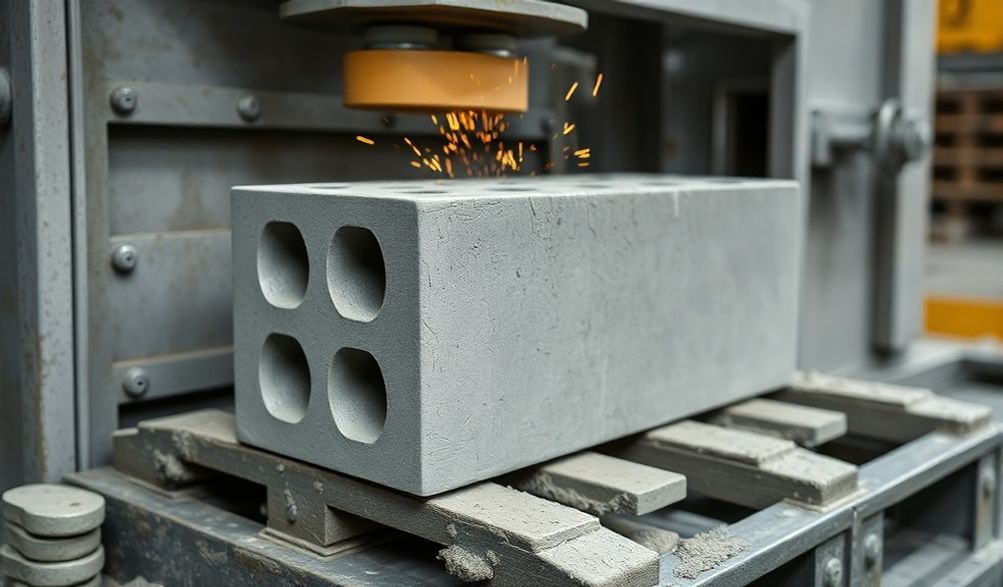
Fiiri meel kasta oo ka mid ah dhismaha magaalooyinka casriga ah, horumarinta tuulooyinka, ama mashruucyada dhismaha. Boodhka simenti ee aad u badan waa tiir aasaasi oo dhismaha aagaggana lagu dhisay, si sax ah ayaana loo isticmaalaa. In ka badan qarniyo, soo saarista qaybahaas muhiimka ah ee dhismaha waxay ahayd farsamo oo ay ku lug lahaan jirtay shaqa badan. Maanta, dhulkaas waa la beddelay oo wixii ka dambeeyay wuxuu u muuqdaa mid cusub oo ay sabab u ahayd soo bixitaankamakiinada sameynta bulookada simentiTiknoolojiyadan waxay u sahlisay wax soo saarka, si weyn u kor u qaaday wax soo saarka, oo furday albaabka ganacsatada inay dhisaan ganacsiyo suurtagal ah qaybta dhismaha.
Halkan waa hagaha ugu muhiimsan ee loogu talagalay inuu noqdo saaxiibka aad kalsoonid u tahay safarkaaga. Haddii aad tahay xirfadlaya qorsheyn oo raba inaad fahanto silsiladda wax soo saarka, ganacsade fahamsan oo baaraya fursad wax soo saar, ama shaqsi isku-kalsoon oo leh mashruucyo weyn, bartashada wax soo saarka birta adag ee aaladda lagu sameeyo waa xirfad awood u leh. Waxaan ka sii bixi doonaa aragtida ilaa cilmi waxtar leh oo lagama maarmaan u ah go’aan wanaagsan, hawlgalka ammaan ah, iyo dhisidda aasaaska guusha.
Hagahan wuxuu ku dhisanyahay isku-dhafka hababka shaqada ee dhabta ah ee warshadaha, mabda'ayda injineernimada, iyo aragtida hawlgalka ganacsiga. Waxaan ku soo koobnay khibradaha ka soo jeeda warshadaha, injineernimada dhismaha, iyo qorshaynta ganacsiyada yar-yar si aan u siinno macluumaad awood leh aad ku kalsoon kartid. Ballankeena waa in aan ku siino talooyin run ah, waxtar leh, iyo ammaan ah oo ku hagaya tallaabadaada mid kasta.
Fahamka Makiinadaha Sameynta Boodhka Siman
Ka hor inta aadan mashiin ku maal-gelin, waxaa muhiim ah in aad fahanto waxa ay sameyso iyo sida ay u shaqeyso. Qotoorta, mashiinka sameynta blookyada waxa uu u dhaqaaqiyaa oo u xoojiyaa habka loo sameeyo isku dhiska simento ee la qasay si uu u noqdo blookyado sax ah, adag, oo isku mid ah.
Sidee Ugu Shaqeeyaan Makiinadaha Sameynta Boodhka Laami?
Sixirka makiinadan waxa uu ku jira sidii ay u soo saari lahaayeen iyo si ay u wanaajin lahaayeen habka dhaqameed ee caadiga ah iyadoo la adeegsanayo xoogga iyo saxnaanta makiineed. Diiwaanka shaqada ee aasaasiga ah waa isku mid noocyada badan ee makiinada.
- Isku-dhafka:Simento, dheeman (ciid, dhagax), iyo biyo ayaa lagu isku darayaa qashin ama khalad wareegsan si loo sameeyo isku dhaf wareegsan, nus-qalalan siman oo siman. Isku midka ah waa muhiim—aad u dheereeya oo qalalan ma dhigayo qaab; aad u qalalan ma dhigayo isku dhufasho si sax ah.
- Cunista & Qaabeynta:Alaabta isku dhafan ayaa lagu shubaa hopper, kaasoo markaas ku ridaa qiyaas la qiyaasiyay qolka qalabka (oo sidoo kale loo yaqaan sanduuqa qalabka). Qalabkani wuxuu qeexaa qaabka blooka—balaadh, adag, darbeyn, iwm.
- Daboolid:Tani waa qalbiga habka. Makiinadu waxay adeegsataa gariir xoog leh (oo ka yimid gariireyaal hydraulik ah ama korontada) iyo inta badan cadaadis hydraulik oo isku waqti ah si ay u cufo si qoto dheer isku-darka gudaha qaabka. Tani waxay ka saartaa boobbooyinka hawo oo waxay hubinaysaa in blockku gaaro xoogga qaab-dhismeedkiisa loo baahan yahay.
- Qaadista Qalabka:Marka la dhigto, qolofka ayaa la qaadaa ama la jaraa, isagoo ka tagaya booloowga cusub ee "cagaaran" ee ku yaal pallet siman ama saldhigga mashiinka.
- Daweynta:Kaddib, balooga cagaaran ayaa loo wareejiyaa (gacan ama iyada oo loo marayo conveyor) meel lagu daweeyo. Halkan, waxaa lagu hayaa qoyan muddo cayiman (badanaa 7-14 maalmood) si simintu si buuxda u qooyaato oo u xoogaysato.
Wareeggani wuxuu si joogto ah u soo celceliyaa, wax-soo-saarkuna wuxuu u dhexeeyaa dhowr boqol ilaa kumanaan block maalintii.
Noocyada Muhiimka ah ee Mashiinnada: Gacanta, Semi-Automatic, iyo Fully Automatic
Doorashadaadu halkan waa qodobka ugu weyn ee go'aamiya baaxadda wax-soo-saarka, baahida shaqaalaha, iyo maalgashiga bilowga ah.
- Makiinada Gacanta:Kuwani waa mashiinnada ugu fudud, oo inta badan lagu shaqeeyo caws-gacmeed.
- Hawlgalka:Tallaabooyinka oo dhan—quudinta, isku-duubidda (iyada oo loo marayo hantiye), iyo weymanka—waxaa lagu sameeyaa gacanta.
- Soo saarAad u hooseeya (100-500 darajooyin maalintii).
- Ugu Fiican:Mashruucyo aad u yar yar, meelo fog oo aan lahayn koronto, ama soo saarista qaabab gaar ah oo mugga muhiimad u ahayn.
- Makiinnada Yar-otoomaatig ah: The sweet spot for most start-up and small-to-medium businesses.
- Hawlgalka: Key processes like vibration and compaction are powered (electric or diesel). An operator manually feeds the mixer, loads the hopper, and removes finished blocks. The molding cycle is automated.
- Soo saar Medium (800-3000 blocks per 8-hour shift).
- Ugu Fiican: Businesses with steady demand, offering a great balance between affordability, output, and control.
- Makiinadaha Tooska ah ee Si Fudud: These are production line behemoths.
- Hawlgalka: The entire process from material batching to block stacking is automated via PLC (Programmable Logic Controller) systems. They feature conveyor belts, automatic pallet feeders, and stackers.
- Soo saar High-volume (3000-20,000+ blocks per shift).
- Ugu Fiican: Large-scale manufacturers supplying major construction projects or distributors, where consistency and volume are paramount.
Qaybaha Aasaasiga ah iyo Hawlaha Ay Qabtaan
Understanding the key parts demystifies the machine and aids in maintenance:
* Mikser: Blends raw materials into a uniform concrete mix.
* Hopper: Holds the mixed concrete and feeds it into the mold box.
* Mold Box/Frame: The removable steel assembly that shapes the block. Different molds create different block types.
* Nidaamka Gariirka: Electric or hydraulic motors that generate high-frequency vibration to compact the concrete.
* Baabka Korontada Hydraulic: Provides the immense pressure needed for compaction in semi- and fully-automatic models.
* Qaybta Maamulka: Houses the electrical controls and, in advanced models, a PLC for programming block types and cycles.
* Pallet Feeder/Conveyor: Moves the pallets (for block setting) or the blocks themselves through the production line.
Choosing the Right Machine for Your Needs
Selecting a machine is not about buying the biggest or cheapest. It’s about finding the perfect tool for your specific goals.
Assessing Your Production Goals and Scale
Start by asking yourself these foundational questions:
* What is my target daily or monthly output? Be realistic about your market demand and growth projections.
* What types of blocks will I produce? Standard hollow blocks, solid blocks, paving slabs, interlocking blocks? Ensure the machine can accommodate interchangeable molds.
* What is my available startup capital? Remember, the machine cost is only part of the total investment (covered next).
* What is my labor situation? Manual machines require more labor; fully automatic require skilled technicians.
Critical Machine Specifications to Evaluate
When comparing models, look beyond the price tag at these specs:
* Gudbiyada Saacaddii (BPH): The key output metric. Ensure it’s a sustainable output, not a peak theoretical maximum.
* Noocyada Qalabka & Isbeddelidda: Can you easily switch from producing hollow blocks to paving blocks? How much do additional molds cost?
* Shuruudaha Korontada: Does it run on standard 3-phase electricity, diesel, or is it a hybrid? This affects your operating costs and site setup.
* Heerka Automationka Match this to your labor budget and desired consistency. Do you need an automatic pallet feeder? A block stacker?
* Machine Build Quality: Inspect the thickness of steel plates, the quality of welding, and the brand of hydraulic and electrical components.
Budgeting: Machine Cost vs. Total Investment
A common pitfall is underestimating the full setup cost. Create a comprehensive budget:
* Machine Price: The purchase cost of the equipment itself.
* Installation & Foundation: You’ll likely need a solid, level concrete foundation.
* Raw Material Storage: Covered space for cement (must be kept dry) and aggregates.
* Curing Area: A large, accessible yard, often with a sprinkler system or curing sheets.
* Shaqo: Wages for operators, mixers, and laborers for handling blocks.
* Utilities & Fuel: Ongoing cost for electricity, diesel, and water.
* Maintenance Fund: A reserve for spare parts and routine servicing.
The Raw Materials and Mix Design Process
A top-tier machine with poor-quality materials will only produce poor-quality blocks. The raw inputs are just as critical as the equipment.
Essential Ingredients: Cement, Aggregates, and Water
- Simento: The binder. Ordinary Portland Cement (OPC) is standard. Portland Pozzolana Cement (PPC), which includes fly ash, is a popular, often more eco-friendly alternative with good workability.
- Wadarta: These provide bulk and strength. This includes fine aggregates (like river sand or crushed stone sand) and coarse aggregates (gravel or crushed stone, typically 6mm-12mm). They must be clean, hard, and free of organic matter.
- Biyo: Should be clean and potable. Impure water can weaken the final block or cause unsightly efflorescence (white salt deposits).
Mastering the Mix Design for Quality Blocks
The “recipe” is called mix design. A common starting ratio for standard hollow blocks is 1 part cement to 6 parts combined aggregates (e.g., a mix of sand and gravel). The water-cement ratio is crucial—aim for a semi-dry mix that holds its shape when squeezed in your hand.
* Consistency is Key: Batch-to-batch variation is the enemy of quality. Use measured volumes or, better yet, a weighing system for each ingredient.
* Strength & Finish: A higher cement ratio increases compressive strength but also cost. The right aggregate gradation ensures a smooth surface finish and good compaction.
Additives and Colorants for Enhanced Blocks
You can differentiate your product with additives:
* Plasticizers: Increase workability of the mix without adding extra water, leading to stronger blocks.
* Midabada: Iron oxide pigments are used to produce colored paving blocks, facades, or landscaping bricks.
* Waterproofing Agents: Integral waterproofing compounds can be added to the mix for blocks used in retaining walls or foundations.
Operating Your Machine: A Step-by-Step Workflow
Proper operation ensures safety, quality, and machine longevity.
Pre-Operation: Safety and Machine Setup
- Safety First: Mandatory Personal Protective Equipment (PPE) includes safety glasses, gloves, steel-toe boots, and hearing protection (vibration is loud).
- Hubinta Mashiinka Check oil levels in the hydraulic tank, ensure all bolts are tight, and inspect electrical connections. Look for any debris in the mold or on the pallets.
- Site Preparation: Ensure the working area is clean, well-lit, and free of trip hazards. Have raw materials pre-positioned.
The Production Cycle in Detail
- Diyaarinta Qalabka: Measure and load the cement, sand, and aggregate into the mixer. Add the correct amount of water. Mix thoroughly.
- Bilowga Wareegga: Transfer the mix to the machine hopper. Press the start button (semi/auto) or begin the manual process.
- Qalabka & Isku-dhafka: The machine fills the mold and initiates vibration and pressure. You will hear and see this happen over 5-15 seconds.
- Qaadista Qalabka: The mold rises, leaving the formed block on the pallet or production table.
- Ka saarista Xannibaadka Carefully transfer the green block onto a curing rack or cart. Handle with care—it is still fragile.
Curing and Storage: Ensuring Final Strength
Curing is not just drying; it’s actively keeping the blocks moist to allow chemical reactions to complete.
* Habka: After 24 hours, blocks can be stacked. Use a sprinkler system, cover with wet burlap sacks, or use plastic sheeting to retain moisture for at least 7 days.
* Storage: Cure blocks in a shaded area. After initial curing, they can be stored in the open but should be protected from rain-driven dirt and extreme temperature swings. Proper curing can double the final strength of the block.
Maintenance for Longevity and Consistent Output
Treat your machine like a partner. Preventive maintenance is far cheaper than breakdowns and lost production.
Daily, Weekly, and Monthly Maintenance Checklists
- Daily: Clean the machine thoroughly after use, especially the mold cavities and hopper. Check for loose parts. Grease all moving joints and bearings.
- Weekly: Inspect hydraulic hoses for leaks. Check vibrator mounts. Tighten any bolts that may have shaken loose.
- Monthly: Change hydraulic oil and filters as per the manufacturer’s schedule. Inspect electrical components for wear. Calibrate the mixer’s measuring system.
Troubleshooting Common Machine Issues
- Poor Compaction/Weak Blocks: Incorrect mix (too dry), insufficient vibration time, or worn vibrators.
- Blocks Sticking in Mold: Mold needs cleaning or lubrication (use a recommended mold release agent, not motor oil). Mix could be too wet.
- Uneven Block Height: Worn mold liners, uneven feeding of the hopper, or an unlevel machine foundation.
- Machine Not Cycling: Check electrical connections, hydraulic pressure, and safety sensors.
Sourcing Spare Parts and Getting Professional Service
Always use Original Equipment Manufacturer (OEM) or high-quality certified parts for critical components like hydraulics and vibrators. Establish a relationship with a reliable local technician familiar with your machine brand. Keep a basic inventory of common wear items like seals and hoses.
Building a Viable Concrete Block Making Business
The machine is your factory floor. Now, you need to build the business around it.
Crafting Your Business and Marketing Plan
- Market Analysis: Study local construction activity. Who are your competitors? What blocks are in high demand?
- Marketing Basics: Your primary customers are contractors, builders, and masonry suppliers. Create a simple brochure with your block specifications and prices. Consider offering samples. Word-of-mouth from a quality product is your most powerful tool.
Calculating Profitability and ROI
Create a simple financial model:
* Revenue: Selling Price per Block x Monthly Volume.
* Cost of Goods Sold (COGS): (Cost of Cement + Aggregates + Power + Labor for production) per Block.
* Gross Profit: Revenue – COGS.
* Overheads: Rent, admin salaries, marketing, machine depreciation, maintenance fund.
* Net Profit: Gross Profit – Overheads.
Aim to understand your break-even point and how long it will take to recoup your initial investment (ROI).
Navigating Regulations and Quality Standards
- Business Licenses: Obtain necessary local trade licenses and factory registrations.
- Environmental Norms: Manage dust (from cement) and water runoff from your curing yard.
- Heerarka Tayada: Adhering to standards like IS 2185 (India), ASTM C90 (USA), or BS 6073 (UK) isn’t just about compliance; it’s a powerful marketing tool that assures customers of your block’s strength and durability. Consider getting your blocks tested at a local civil engineering lab.
Advanced Tips and Future Trends
Optimizing Production for Efficiency and Lower Waste
- Plan production batches to minimize mold changeovers.
- Recycle broken or defective green blocks back into the mixer.
- Use energy-efficient motors and optimize the production cycle time to save power.
Exploring Specialized Block Production
Diversify your product line to tap into niche markets:
* Interlocking Paving Blocks: For driveways and walkways.
* Insulated Concrete Blocks: Incorporating materials like EPS beads for thermal efficiency.
* Decorative Facade Blocks: With textured or patterned faces for aesthetic walls.
The Future: Automation, Sustainability, and Smart Tech
The industry is evolving:
* IoT & Smart Machines: Sensors that predict maintenance needs and optimize cycle times in real-time.
* Sustainable Materials: Increased use of recycled concrete aggregate (RCA), industrial by-products like slag, and carbon-capturing cements.
* Automaysiyada Sare: Robotics for palletizing and loading, further reducing labor and improving safety.
Su'aalaha Inta Badan La Is Weydiiyo (FAQ)
Q1: What is the average profit margin in a concrete block making business?
A: Net profit margins typically range from 15% to 35%. This wide range depends heavily on factors like your operational efficiency, local material costs, scale of production, and competitive pricing. A detailed, localized cost analysis is essential for accurate figures.
Q2: Can I operate a block making machine with no prior experience?
A: Yes, you can. However, comprehensive hands-on training from your equipment supplier is non-negotiable. Starting with a simpler semi-automatic model is highly advisable. Always, without exception, prioritize understanding and following all safety protocols.
Q3: How much space is required to set up a small block making unit?
A: For a small-scale semi-automatic operation, you should plan for a minimum of 5,000 to 10,000 square feet. This accommodates the machine shed, raw material storage (keeping cement dry is critical), the block curing area, and space for storing finished inventory.
Q4: What is the typical lifespan of a concrete block making machine?
A: With diligent and proper maintenance, a well-built machine can have a productive lifespan of 10 to 20 years. High-wear components like vibrator motors, hydraulic seals, and mold liners will require replacement more frequently based on usage intensity.
Q5: Are there eco-friendly options for concrete block production?
A: Absolutely. Sustainability is a major trend. You can use fly ash-based cement (PPC), incorporate recycled concrete or other industrial wastes as aggregates, and implement water recycling systems in your curing yard. Many modern machines are designed to handle these alternative material mixes effectively.
Gabagabo
The journey from understanding the mechanics of a makiinada sameynta bulookada simenti to running a successful production business is one of practical learning and meticulous execution. Success is not guaranteed by the machine alone; it is forged by choosing the right equipment for your goals, mastering the science of mix design and curing, and committing to a culture of quality, safety, and relentless maintenance.
The advice in this guide is distilled from industry experience and expert knowledge, designed to give you a trustworthy foundation. We strongly encourage you to use this as a starting point for your own detailed research.
Call to Action: Take the next step. Use the frameworks here to calculate your specific production needs and draft a preliminary budget. Reach out to multiple reputable machine manufacturers for consultations and detailed quotes. Before you make any investment, ensure you have a plan for training and a clear understanding of your local market. Your blueprint for success starts with informed action.
<