
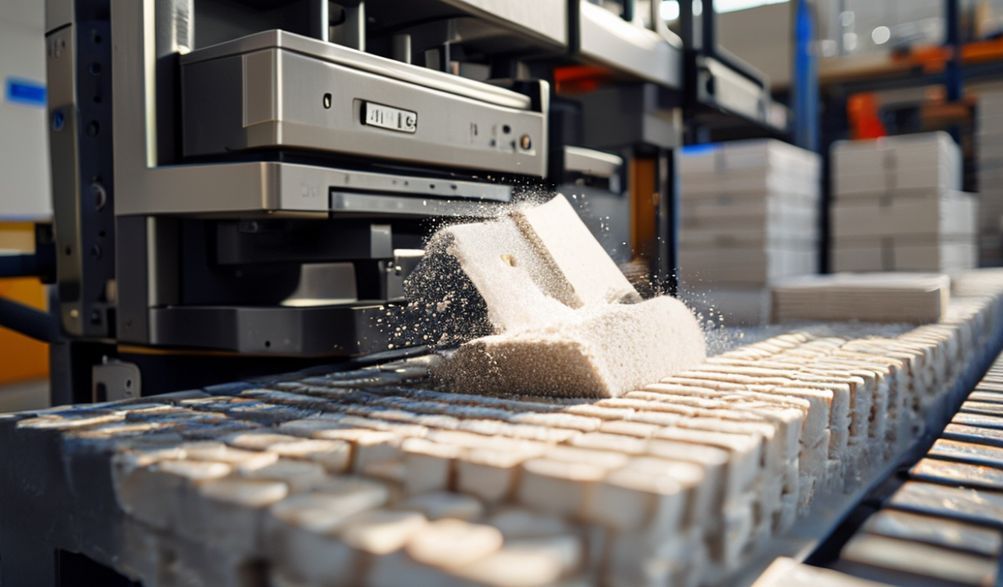
Полное руководство по машинам для производства строительных блоков: типы, цены и как выбрать
Введение
Аппетит глобальной строительной индустрии к строительным блокам ненасытен. От жилищных проектов до развития инфраструктуры, спрос на стабильные, высококачественные бетонные блоки буквально составляет основу современного роста. Однако эффективное удовлетворение этого спроса представляет собой серьёзную проблему. Традиционная ручная формовка трудоёмка, медленна и склонна к неоднородностям, которые могут поставить под угрозу структурную целостность.
Для предпринимателей, строителей и специалистов по закупкам ориентироваться на перенасыщенном рынке оборудования для производства блоков может быть столь же сложно. Выбор неподходящего...Машина для формования блоковМожет привести к катастрофическим простоям, некачественной продукции и низкой окупаемости инвестиций. Это руководство станет вашим главным источником информации, развеивая неясности с помощью чётких и практических рекомендаций.
Созданный на основе отраслевых исследований, технических спецификаций и практического опыта эксплуатации, этот всеобъемлющий материал задуман как ваше надежное руководство. Мы выйдем за рамки рекламных брошюр, чтобы предоставить знания, необходимые для взвешенного решения. Вы узнаете о различных типах оборудования, поймете ключевые факторы, влияющие на цену и производительность, и получите практические советы по эксплуатации и техническому обслуживанию. Давайте начнем формировать ваши знания с самого начала.
Что такое машина для производства блоков? Основная функция и преимущества
В своей основе, машина для формования блоков — это устройство, предназначенное для автоматизации и стандартизации производства бетонных блоков. Она преобразует сырую, влажную смесь цемента, песка и заполнителей в плотные, точно сформированные строительные элементы посредством сочетания уплотнения и вибрации.
Определение станка: от сырья до готового блока
Процесс изящно механизирован. Готовая бетонная смесь подается в бункер. Затем смесь направляется в полость формы, которая определяет форму блока — будь то пустотелый, полнотелый или с замковым соединением. Здесь происходит ключевое действие машины: сочетание гидравлического давления и высокочастотной вибрации уплотняет смесь, вытесняя воздушные пузыри и обеспечивая равномерную плотность по всему блоку. После уплотнения блок выталкивается на поддон или на землю, готовый к отвердеванию. Этот механизированный цикл заменяет нестабильную ручную утрамбовку, характерную для ручных методов.
Ключевые преимущества по сравнению с ручными методами
Переход от ручного к механизированному производству — это не просто незначительное улучшение; это преобразование возможностей и делового потенциала.
- Непревзойдённая эффективность и производительность:Одна машина может произвести за час то, на что у ручной бригады ушли бы дни, что значительно увеличивает производственные мощности.
- Превосходная стабильность и качество:Каждый блок идентичен по размерам и плотности. Эта однородность критически важна для прочности конструкции, удобства укладки и профессионального внешнего вида.
- Значительная экономия труда и затрат:Хотя первоначальные инвестиции выше, сокращение необходимой рабочей силы и увеличение объема производства со временем приводят к значительно более низкой стоимости за блок.
- Усиленная прочность блокаКонтролируемое прессование под высоким давлением создает более плотный блок с повышенной прочностью на сжатие, что напрямую способствует возведению более безопасных и долговечных конструкций.
- Масштабируемость бизнеса:С надежным оборудованием вы можете уверенно браться за более крупные контракты и масштабировать производство, чтобы удовлетворить рыночный спрос.
Типы машин для формования блоков: Подробный анализ
Понимание категорий машин является первым шагом в согласовании технологий с целями вашего проекта. Спектр варьируется от простых, приводимых в действие человеком устройств до полностью автоматизированных производственных линий.
Ручные станки для формования блоков
Это самый простой тип, требующий физических усилий для приведения в действие рычага или механизма, сжимающего смесь в форме.
- Идеальные сценарии использования:Идеально подходит для очень небольших проектов, общественных инициатив или предпринимателей, тестирующих рынок с минимальным капиталом. Также полезны для производства специализированных блоков в малых объемах.
- Плюсы:Очень низкая начальная стоимость, минимальное обслуживание, не требует питания и обладает высокой портативностью.
- Минусы:Крайне низкая производительность (обычно 100–400 блоков в день), физически тяжёлый труд, а стабильность качества продукции в значительной степени зависит от мастерства оператора.
Полуавтоматические машины для формования блоков
Эта категория находит баланс, механизируя ключевые процессы уплотнения и вибрации, но требуя ручного вмешательства для подачи смеси и извлечения готовых блоков. К распространенным типам относятся статические машины "несущие яйца", которые производят блоки прямо на земле.
- Идеальные сценарии использования:Небольшие и средние площадки для производства блоков, растущие предприятия и подрядчики, которым требуется надежное производство на месте.
- Плюсы:Хорошая производительность (например, 500–2000 блоков за 8-часовую смену), стабильное качество, разумная цена и часто мобильность. Они представляют собой удачный баланс стоимости и возможностей.
- Минусы:Все еще требует небольшого экипажа для работы, производство не является непрерывным.
Полностью автоматические машины для формования блоков
Это промышленные системы. Они объединяют подачу смеси, формование, уплотнение, выталкивание блоков и обработку поддонов в единый, управляемый компьютером цикл с минимальным участием человека.
- Идеальные сценарии использования:Крупные заводы по производству блоков, поставщики больших объемов для ведущих строительных компаний, а также предприятия, где затраты на рабочую силу высоки, а однородность продукции имеет первостепенное значение.
- Плюсы: Very high and continuous output (e.g., 4,000-10,000+ blocks per shift), exceptional consistency, minimal labor requirements per block produced.
- Минусы: High capital investment, significant space and foundation requirements, complex maintenance, and requires a steady, high-volume market for a viable ROI.
Мобильные и стационарные блок-машины
This distinction cuts across automation levels.
- Мобильные блок-машины: Typically semi-automatic “egg-laying” or smaller hydraulic presses mounted on wheels or trailers. Their prime advantage is the ability to produce blocks directly on the construction site, eliminating transport costs for the finished product. Ideal for remote projects or large sites like housing estates.
- Стационарные блок-машины: These are fixed installations, from large semi-automatic to fully automatic lines. They form the heart of a dedicated block yard or factory, optimized for centralized, high-volume production. They often require concrete foundations and fixed power hookups.
Critical Factors to Consider Before Buying
Choosing a machine is a strategic investment. Rushing this decision based on price alone is the most common and costly mistake. Based on industry feedback and operational experience, here is your essential checklist.
Assessing Your Production Needs: Output Capacity (Blocks per Hour)
Be brutally realistic. Calculate your current and near-future (12-24 month) demand. A machine operating at 20% capacity is a waste, while one running at 110% capacity will break down prematurely. Match the machine’s rated output (e.g., blocks per hour under ideal conditions) to your practical, sustained needs, factoring in downtime for maintenance.
Block Type and Size Versatility: Hollow, Solid, Interlocking, Pavers
What does your market need? A machine that only makes solid 9″x9″ blocks is limiting. Many modern semi-automatic and automatic machines offer interchangeable moulds. Consider the potential for diversifying your product line to include:
* Hollow blocks (for lighter walls)
* Solid blocks (for foundations)
* Interlocking blocks (for dry-stack construction)
* Paving stones (for hardscaping)
Verify the cost and availability of these additional moulds from the supplier.
Power Source: Electric, Diesel, or Hybrid?
Your location’s infrastructure dictates this choice.
* Электрический: Cleaner, quieter, and lower operating cost where grid power is stable and affordable. Requires a proper electrical connection.
* Дизель: Essential for sites with no reliable electricity. Offers mobility and consistent power but has higher fuel costs, noise, and emissions.
* Гибрид: Some models can switch between power sources, offering valuable flexibility for variable site conditions.
Machine Durability and Key Components
Inspect the build quality. This is where cheap machines fail.
* Прочность рамы: The chassis must be heavy-duty steel to withstand constant vibration without cracking or warping.
* Качество пресс-формы: Moulds should be made from hardened, high-chrome steel for longevity and a smooth block finish. Cheap mild steel moulds wear out rapidly.
* Вибросистема: This is the heart of the machine. Look for robust, isolated vibration motors with adjustable frequency for optimal compaction of different mixes.
After-Sales Support: Availability of Spare Parts and Technical Service
A machine is a long-term partner. The supplier’s reputation for support is as important as the machine itself. Ask: Do they stock critical spare parts (like moulds, vibration motors, hydraulic seals)? Do they offer training? Is technical assistance just a phone call away, or will you be stranded? Prioritize suppliers with a proven track record of support in your region.
Understanding Block Moulding Machine Prices and Investment
Transparency about cost is key to building trust. Prices vary wildly, and understanding почему protects you from overpaying or buying an unfit machine.
Price Range Spectrum: From Manual to Fully Automatic
- Ручные станки: $500 – $3,000. The cost is in the steel and moulds.
- Полуавтоматические станки: $3,000 – $25,000. Price increases with output capacity, level of automation (e.g., hydraulic vs. mechanical), and brand reputation.
- Полностью автоматические машины: $25,000 – $150,000+. This is for complete production lines. The price reflects the complexity, speed, and degree of automation (e.g., robotic pallet handling).
What Influences the Cost? Brand, Automation, Capacity, and Features
A $5,000 machine and a $15,000 machine may look similar in a photo, but the difference is in the details:
* Brand & Origin: Established brands with quality control command a premium.
* Степень автоматизации: Each step automated (feeding, pressing, ejecting) adds cost.
* Производственные мощности: A 1,000-blocks-per-hour machine costs more than a 500-blocks-per-hour model.
* Качество сборки и компоненты: As discussed, the quality of steel, motors, hydraulics, and bearings is a major cost driver.
Calculating Your Return on Investment (ROI)
Think beyond the price tag. A simple ROI framework:
1. Total Investment: Machine cost + delivery + setup + initial spare parts.
2. Operational Cost Per Block: (Cost of materials + labor + power/fuel + maintenance) / Number of blocks produced.
3. Revenue Per Block: Your selling price.
4. Gross Profit Per Block: Revenue – Operational Cost.
5. Break-Even Point: Total Investment / Gross Profit Per Block. This tells you how many blocks you need to sell to recover your machine investment.
Expert Advice: The cheapest machine often has the highest long-term cost due to downtime and low output. Prioritize value—reliability, support, and suitable capacity—over the lowest initial price.
Operation and Maintenance Best Practices
Owning a machine is a commitment to proper care. These best practices, drawn from operator manuals and field experience, will ensure safety, quality, and longevity.
Safe and Efficient Machine Operation: A Step-by-Step Overview
- Pre-Start Check: Inspect for loose bolts, hydraulic leaks, and clear the work area. Ensure all safety guards are in place.
- Подготовка смеси: Use a consistent, correct ratio of cement, sand, and aggregate. The moisture content is critical—too dry and blocks crumble; too wet and they slump.
- Machine Warm-up: Run the machine empty for a minute to ensure vibrations and hydraulics are working smoothly.
- Кормление и Формирование: Feed the hopper consistently. Avoid overfilling the mould cavity.
- Regular Monitoring: Check the first few blocks for proper shape, density, and finish. Adjust mix or vibration time if necessary.
Essential Daily and Weekly Maintenance Checklist
- Ежедневно: Clean the machine thoroughly at the end of the shift, removing all concrete residue. Check and tighten any visible loose nuts and bolts. Lubricate all moving parts as per the manual.
- Weekly: Inspect the mould for wear or damage. Check hydraulic oil levels and hose condition. Inspect the vibration motors and their mounts.
Устранение распространённых проблем
- Poor Block Quality (Crumbling): Usually indicates a dry mix, insufficient vibration time, or low compression pressure.
- Blocks Sticking in Mould: Often caused by a worn mould, insufficient release agent, or a wet mix.
- Uneven Block Height: Can be due to an uneven feeding of the mix, worn mould edges, or an unlevel machine setup.
Maximizing the Lifespan of Your Moulds
Moulds are high-wear items. To extend their life:
* Clean them meticulously after every production run.
* Apply a recommended release agent (like diesel or specialized oil) to prevent concrete adhesion.
* Store them in a dry place to prevent rust when not in use.
* Never use tools to pry blocks out, as this scratches the steel.
Frequently Asked Questions (FAQ)
Q1: What is the average production output of a standard block moulding machine?
There is no single “standard.” Output ranges dramatically: manual machines produce 100-400 blocks per day, semi-automatic machines 500-3,000 per 8-hour shift, and fully automatic lines can produce 5,000-15,000+ blocks in the same period. Always refer to the specific model’s technical sheet.
Q2: Can one machine produce different types and sizes of blocks?
Yes, most semi-automatic and automatic machines are designed with interchangeable moulds. You can purchase additional mould sets for hollow blocks, pavers, etc. However, changing moulds takes time (from 30 minutes to a few hours), so it’s best for batch production, not constant switching.
Q3: What is the typical lifespan of a well-maintained block moulding machine?
A quality machine from a reputable brand, following a strict maintenance regimen, can last 10 to 20 years. Key wear components like moulds, vibration motors, and hydraulic seals will need replacement during this time, but the main frame should endure.
Q4: How much space is required to set up a block production yard with a machine?
For a small to medium semi-automatic operation, you need space for: the machine itself (approx. 4m x 2m), raw material storage (sand, aggregate, cement), a mixing area, and a large, level curing area for the freshly produced blocks. A minimum of 500-1000 square meters is a practical starting point.
Q5: Are there eco-friendly or waste-reusing block moulding machines available?
Absolutely. The process itself is adaptable. Many successful operations use machines to produce blocks from fly ash, crushed construction waste, or laterite soil, stabilized with a small percentage of cement. The machine doesn’t change; the input mix does. This is a significant trend towards sustainable construction.
Заключение
Выбор подходящегоМашина для формования блоков is a pivotal decision that hinges on a clear understanding of your production scale, budget, and product goals. From the simplicity of a manual press for a startup to the formidable output of a fully automated line for an industrial plant, the correct choice balances your immediate needs with your vision for growth.
Let this guide serve as your foundational checklist. When you engage with suppliers, use the factors outlined here—output, versatility, durability, and support—to ask the right questions. Insist on seeing a machine in operation, if possible, and always calculate the total cost of ownership, not just the purchase price. The most profitable investment is a reliable machine backed by a reliable partner.
As the industry evolves, we see a clear trajectory towards smarter automation and more sustainable material use. By making an informed choice today, you position your operation not just to compete, but to lead in building the future.
<