
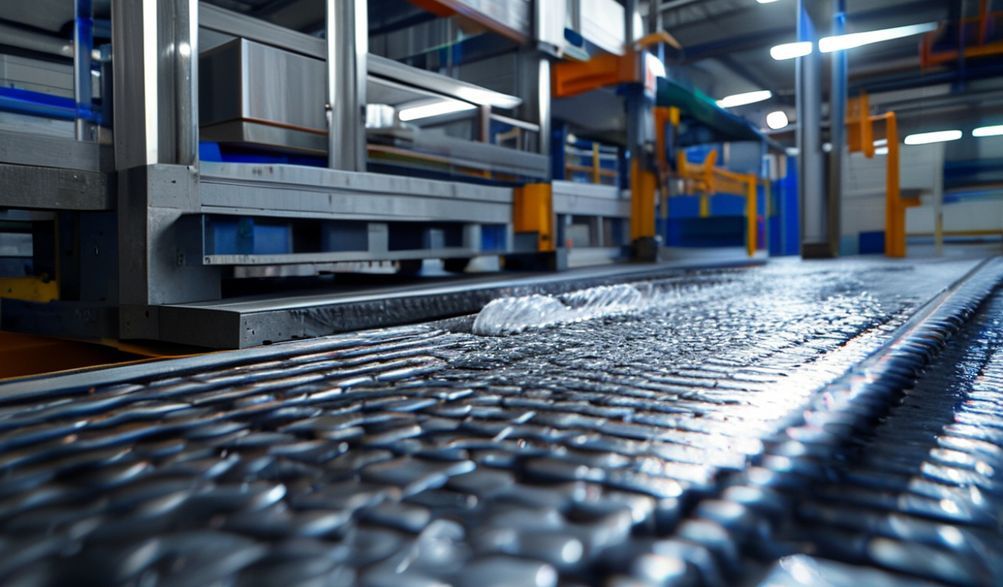
Полное руководство по выбору машины для производства бетонных тротуарных блоков
Введение
Прогуливаясь по любому современному городу, жилому комплексу или общественному пространству, вы становитесь свидетелем незаметной рабочей лошадки городского дизайна: бетонных тротуарных блоков. От замысловатых узоров подъездных путей до просторных общественных площадей и долговечных дорожных покрытий — спрос на универсальные, прочные и эстетически привлекательные плиты остаётся неизменным во всём мире. Однако этот спрос создаёт серьёзную проблему для производителей. Опора на ручной труд или устаревшее оборудование часто приводит к порочному кругу: нестабильное качество, мучительно низкая производительность, растущие затраты на рабочую силу и неспособность использовать рыночные возможности.
Решение этой современной промышленной задачи — это инженерная точность: машина для производства бетонных тротуарных блоков. Это не просто оборудование; это сердце преобразования, превращающее сыпучий песок, заполнитель и цемент в поток прибыльной, высококачественной продукции с непревзойденной стабильностью и эффективностью. Это руководство создано на основе глубоких отраслевых знаний и технического опыта. Наша цель — предоставить вам, владельцу бизнеса, подрядчику или предпринимателю, достоверную и практичную информацию для уверенных стратегических инвестиций.
Мы рассмотрим типы доступных машин, разберем ключевые технические и коммерческие факторы, влияющие на ваше решение, и предоставим четкий план для достижения операционной эффективности и возврата инвестиций.
Понимание машин для производства бетонных тротуарных блоков
Что такое машина для производства бетонных тротуарных блоков?
По своей сути, машина для производства бетонных тротуарных блоков — это механизированная или полностью автоматизированная система, предназначенная для формования смешанной бетонной смеси в точные, высокоплотные формы. Благодаря процессу контролируемой вибрации и сжатия она производит брусчатку, кирпичи, плитку, садовые плиты и бордюрный камень с замковым соединением, обладая высокой повторяемостью.
Его основная функция заключается в замене переменных человеческих усилий механической точностью, обеспечивая производство блоков, которые не только однородны по размерам и внешнему виду, но и превосходят по структурной прочности. Эта стабильность является ключевой для правильной сцепки, скорости монтажа и долгосрочной эксплуатации в любых условиях применения.
Ключевые компоненты и принцип их работы
Понимание подсистем устройства раскрывает принцип его работы и помогает принимать более обоснованные решения при покупке. Вот что лежит в основе его функционирования:
- Хоппер и питатель:Это отправная точка, где загружается сухая бетонная смесь (состоящая из песка, заполнителя и цемента). В автоматизированных системах конвейер или питатель обеспечивает постоянную дозированную подачу в форму.
- Форма (Штамп):Сердце машины. Этот прецизионно сконструированный компонент определяет форму, размер, рисунок и текстуру готового блока. Формы взаимозаменяемы, что позволяет одной машине производить разнообразную продукцию.
- Вибросистема:Критически важно для качества. Высокочастотные вибростолы с большой амплитудой уплотняют бетонную смесь в форме, устраняя воздушные пустоты и обеспечивая плотную, прочную структуру, необходимую для несущих конструкций.
- Гидравлическая или пневматическая система:Это обеспечивает мощное усилие прессования, которое работает в сочетании с вибрацией. Гидравлические системы широко распространены благодаря высокому давлению и точному управлению, гарантируя уплотнение каждого блока до заданной плотности.
- Система управления:"Мозг" операции. В простых моделях это могут быть обычные ручные рычаги, тогда как в автоматических машинах используются сложные панели программируемых логических контроллеров (ПЛК) с сенсорными интерфейсами, что позволяет точно контролировать каждый параметр цикла.
- Паллетный питатель и система передачи:В стационарных машинах под формой находится поддон (металлическая или деревянная плита). После формирования блока система перемещает поддон со свежим блоком на стеллаж или конвейер для отверждения, освобождая машину для немедленного производства следующего блока.
Типы машин: от ручных до полностью автоматических
Выбор подходящего типа — это ваше первое важное решение, которое требует баланса между инвестициями, трудозатратами и целями по объёму производства.
-
Ручные или полуавтоматические машины:
- Как они работают:Сильно зависит от оператора. Рабочие обычно заполняют форму вручную, запускают цикл вибрации/прессования, а затем вручную извлекают сформированный блок.
- Плюсы:Наименьшие капитальные затраты, механическая простота, более легкое обслуживание. Идеально подходит для очень небольших стартапов, нишевых продуктов или рынков с очень низкой стоимостью рабочей силы.
- Минусы:Низкая производительность (обычно несколько сотен блоков в день), высокие требования к физическому труду и больший потенциал для неоднородности продукции из-за человеческого фактора.
-
Полностью автоматические стационарные машины:
- Как они работают:Это производственные рабочие лошадки. Они автоматизируют подачу материала, формование, уплотнение и выгрузку блоков на паллетный транспортер. Операторы в основном осуществляют мониторинг, управляют подачей материала и занимаются готовыми паллетами.
- Плюсы:Высокая и стабильная производительность (тысячи блоков за смену), значительная экономия труда, превосходная однородность продукции и улучшенные условия труда. Стандарт для серьёзного коммерческого производства блоков.
- Минусы:Более высокие первоначальные инвестиции, требуется больше места и инфраструктуры (например, стабильные поставки бетона), а также необходимы более технически подготовленные операторы.
-
Полностью автоматические мобильные станки для производства блоков (тип "несущие яйца"):
- Как они работают:Эти автономные модули смешивают, формуют, а затем укладывают готовые блоки непосредственно на подготовленную выровненную поверхность (например, на дорожное основание). Они медленно продвигаются вперед в процессе производства.
- Плюсы:Устраняет необходимость в поддонах, стеллажах для отверждения и транспортировке блоков для укладки на месте. Невероятно эффективно для крупномасштабных линейных проектов, таких как дороги, парковки или аэродромные покрытия.
- Минусы:Ограничено производством на месте одного (или очень небольшого количества) типов блоков для конкретного проекта. Не предназначено для диверсифицированного заводского производства.
Ключевые факторы для выбора подходящего оборудования
Оценка ваших производственных потребностей
Начните с четкого бизнес-плана. Ваша машина должна служить вашей рыночной стратегии.
- Выходная мощность:Будьте реалистами. Рассчитывайте текущие и прогнозируемые продажи в блоках в день или месяц. Машина, работающая на 80% своей мощности, более эффективна и прибыльна, чем та, которая постоянно перегружена или, наоборот, простаивает. Не покупайте просто самую большую машину; покупайте ту, которая соответствует вашим потребностям.精准规模машина.
- Типы и размеры блоков:Что хочет ваш рынок? Стандартные замковые брусчатки? Проницаемые газонные решетки для ландшафтного дизайна? Тяжелые бордюрные камни? Убедитесь, что выбранная вами машина может вместить размеры форм и требуемое давление/вибрацию для желаемого ассортимента продукции. Универсальность форм является ключевым фактором ценности.
- Соображения о сырье:Машина должна работать с тем, что у вас есть на месте. Проверьте местный песок и заполнитель на гранулометрический состав, содержание ила и влажность. Некоторые современные машины чувствительны к некачественным материалам, в то время как прочные модели способны работать с более широким диапазоном.
Технические характеристики машин: углубленный анализ
Не смотрите на рекламный проспект. Эти технические детали определяют производительность.
- Давление и вибрационная сила: This directly correlates to block density and compressive strength (measured in MPa). Higher pressure and well-calibrated vibration produce stronger, more durable blocks suitable for vehicular traffic. Ask for the machine’s rated pressure and the MPa range it can achieve.
- Время цикла: The total time to produce one block or one pallet of blocks. A faster cycle time means higher potential output. However, balance speed with quality—sometimes a slightly slower cycle with better compaction yields a superior, more marketable product.
- Требования к питанию: Most industrial machines require a 3-phase electrical supply. Verify your facility’s power capacity. Also, note the total connected load (in kW) to estimate your energy operating costs.
- Automation Level & Control: Evaluate the trade-offs. A PLC-controlled machine offers repeatability, easier troubleshooting (error codes), and potential for data logging. It may also require more skilled maintenance. Simpler systems are easier to fix but offer less precision.
Quality, Durability, and Supplier Evaluation
The machine is a long-term asset. Its construction and the company behind it are paramount.
- Качество сборки: Inspect the frame—it should be heavy-duty, welded steel, not bolted light-gauge. Critical components like the mold table, vibration shafts, and hydraulic cylinders should be made from hardened, wear-resistant materials. This reduces long-term maintenance and downtime.
- Послепродажная поддержка: This is non-negotiable. A reliable supplier provides comprehensive technical support, readily available spare parts, and thorough operator training. Ask for specifics: Is there a local service agent? What is the typical spare parts delivery time? Is installation and commissioning included?
- Supplier Reputation: Conduct due diligence. How long have they been in business? Ask for client references and contact them. Search for independent reviews or their presence at industry trade shows. A reputable manufacturer stands behind their product for the long haul.
The Business Case: ROI and Operational Setup
Cost Analysis and Return on Investment (ROI)
Transform the machine from a cost to a calculated investment.
- Первоначальные инвестиции:
- Machine Cost (base price)
- Mold Costs (initial set of 2-3 molds is typical)
- Auxiliary Equipment: Concrete pan mixer or batching plant, conveyor systems, pallets (hundreds may be needed), curing racks or space, forklift for handling.
- Operational Costs (Per Month):
- Raw Materials (cement, sand, aggregate, pigment)
- Labor (machine operators, mixers, forklift drivers)
- Utilities (electricity, water)
- Maintenance & Spare Parts fund
- Revenue Projections: Estimate based on:
(Machine Output per Shift) x (Capacity Utilization %) x (Selling Price per Block) x (Working Days). - Calculating Payback Period: A simplified formula:
Total Initial Investment / (Monthly Gross Profit - Monthly Operational Costs). A typical target payback period for a well-run block yard can range from 12 to 36 months.
Setting Up Your Production Line
Efficiency is born on the factory floor.
- Пространство и планировка: You need space for: raw material storage, the mixing area, the machine itself, a curing area (covered and protected from sun/wind), and storage for finished blocks. Design a linear workflow to minimize material and product handling.
- Auxiliary Equipment Checklist:
- Concrete Mixer (pan mixer for consistency is recommended over drum mixers).
- Material Loading Conveyor (for automatic machines).
- Pallets and Pallet Return System.
- Curing Racks or a dedicated, leveled curing yard.
- Forklift or Stacker.
- Basic Operational Workflow:
- Raw materials are batched and mixed to a consistent, semi-dry consistency.
- Mix is fed into the machine hopper.
- Machine automatically cycles: feeds mix into mold, vibrates, presses, and ejects block-on-pallet.
- Pallets are moved to the curing area for 24-48 hours of initial curing.
- Blocks are de-palletized, stacked, and continue air-curing for 2-4 weeks to reach full strength before sale.
Maintenance for Longevity and Consistent Output
Preventative care is far cheaper than emergency repairs.
- Daily/Weekly Checklist:
- Clean the machine thoroughly at the end of each shift, removing all concrete buildup.
- Check and tighten any bolts, especially on vibration mounts.
- Lubricate all moving parts as per the manual (grease nipples, guide rails).
- Check hydraulic oil levels and look for leaks.
- Pro Tip from the Field: Keep a logbook. Record daily output, any machine stoppages, and maintenance performed. This data is invaluable for predicting wear-part failure and optimizing performance.
- Common Wear Parts: Be prepared to stock or source: mold liners and wear plates, vibration motor mounts, hydraulic seals and hoses, feeder scraper blades.
- Troubleshooting Common Issues:
- Blocks sticking in mold: Likely a worn mold, insufficient mold release agent, or an overly wet concrete mix.
- Poor compaction/weak blocks: Check vibration motor function, pressure settings, and ensure your concrete mix is not too dry.
- Surface defects: Often caused by a dirty mold, incorrect mix, or issues with the pallet surface.
Maximizing Success with Your Block Making Machine
Optimizing Concrete Mix Design
The machine is a tool; the mix is the raw material. Their synergy defines quality.
- The standard ratio is a starting point (e.g., 1 part cement : 3 parts sand : 3 parts aggregate), but local materials require adjustment. Aim for a semi-dry mix—it should hold its shape when squeezed but crumble apart easily.
- The mix directly affects strength, color absorption (if using pigments), and surface finish. Too much water weakens the block and causes sticking. Too little water leads to poor compaction and laminations.
- Consistency is key. Use a weigh-batching system, not volume buckets, for your raw materials to eliminate daily variation.
Ensuring Product Quality and Consistency
Quality builds your reputation and allows you to command better prices.
- Testing Block Strength: Regularly test samples in a compression testing machine. This verifies you are meeting the required MPa standards (e.g., 35 MPa for heavy traffic areas) and provides certified proof for engineers and clients.
- Точность размеров: Use calipers to randomly check block dimensions. Consistent size is critical for the interlocking system and allows for fast, hassle-free installation by your customers.
- Curing Best Practices: The first 28 days are critical. After initial setting, blocks must be kept moist (by sprinkling water or covering with plastic sheeting) and protected from rapid drying. Proper curing can increase final strength by over 50%.
Safety Protocols for Operators
A safe operation is a productive and sustainable one.
- Обязательные средства индивидуальной защиты (СИЗ): Safety glasses, hearing protection (machines are loud), gloves, and steel-toe boots are non-negotiable.
- Безопасность машин: Ensure all moving parts have guards. Implement strict Lock-Out/Tag-Out (LOTO) procedures for any maintenance or clearing of jams. Never bypass safety interlocks.
- Материально-техническое обеспечение: Train staff on safe lifting techniques for bags of cement and heavy molds. Ensure clear pathways and safe practices for forklift operation in the yard.
Frequently Asked Questions (FAQ)
Q1: What is the average production capacity of a standard automatic block making machine?
А: Capacity varies widely by model and block size. A typical mid-range, fully automatic stationary machine can produce between 4,000 to 10,000 standard 60mm thick pavers in an 8-hour shift. Always confirm output based on the specific block type you intend to produce.
Q2: Can one machine produce different shapes and sizes of blocks?
А: Absolutely. This is a key advantage. By changing the mold (die), the same machine can produce different products. Discuss mold changeover time with your supplier—efficient systems can allow changes in 15-30 minutes. Ensure you purchase compatible molds from your machine manufacturer.
Q3: How much skilled labor is required to operate an automatic machine?
А: For a fully automatic production line, a crew of 2-3 trained individuals is typically sufficient. One may oversee the mixer and material feed, while others manage the machine operation and handle the pallets of fresh blocks. The critical factor is proper training, not the number of people.
Q4: What is the typical lead time for delivery and installation?
А: This varies significantly by manufacturer (local vs. overseas) and machine complexity. It can range from a few weeks for local stock to 3-6 months for a custom-configured line from abroad. Crucially, before purchasing, clarify what “installation” includes—onsite commissioning, calibration, and hands-on operator training are essential services.
Q5: How do I choose between a stationary and a mobile (egg-laying) machine?
А: The choice is defined by your business model. Choose a stationary machine if you are running a factory to produce blocks for stock, sale to distributors, or multiple projects. Choose a mobile “egg-layer” if your primary business is large-scale, on-site paving contracts where you will produce and place blocks directly onto the prepared sub-base in one continuous operation.
Заключение
Selecting the right concrete paving block making machine is a foundational decision that will shape the productivity, quality, and profitability of your business for years to come. It requires a careful balance of understanding your production needs, scrutinizing technical specifications, and forging a partnership with a reputable, supportive supplier. We’ve explored the journey from machine types and ROI calculations to the daily practices that ensure quality and safety.
Remember, this investment is not just in metal and hydraulics; it’s in the technology and knowledge that will build your competitive edge. By applying the insights from this guide and conducting thorough due diligence, you lay the groundwork for a sustainable and successful venture in the essential construction materials industry.
Ready to move from planning to action? Download our comprehensive free checklist: “10 Essential Questions to Ask Before Buying Your Block Making Machine,” designed to guide your conversations with suppliers and ensure you cover every critical detail.
<