
Полное руководство по машинам для изготовления бетонных блоков: типы, преимущества и как выбрать
Введение
Глобальная строительная отрасль ведет непрекращающуюся гонку со временем и бюджетом. В основе бесчисленных проектов — от жилых напольных покрытий и городских тротуаров до промышленных площадок и ограждающих стен — лежит фундаментальный компонент: бетонные плиты и блоки. Традиционные методы ручной отливки этих важнейших элементов становятся все менее приемлемыми, страдая от медленного производства, высоких трудозатрат и разочаровывающей нестабильности качества. Для подрядчиков, строителей и предпринимателей это узкое место представляет собой серьезное препятствие для рентабельности и масштабируемости.
Вот современное решение:машина для производства бетонных плит и блоковЭто инженерное оборудование превращает сырую бетонную смесь в точные, высокопрочные строительные блоки с выдающейся эффективностью. Оно является краеугольным камнем производства сборного железобетона, отвечая требованиям скорости, стабильности и контроля затрат.
Это подробное руководство создано, чтобы отделить важное от второстепенного. Опираясь на лучшие отраслевые практики и технические знания, мы предлагаем экспертные и надежные рекомендации для всех, кто рассматривает инвестиции в эту революционную технологию. Независимо от того, являетесь ли вы подрядчиком, стремящимся наладить собственное производство, владельцем бизнеса, запускающим предприятие по изготовлению блоков, или менеджером проекта, занимающимся закупкой оборудования, вы узнаете:
- Что это за машины и как они работают.
- Неоспоримые преимущества, которые они предоставляют.
- Различные типы, представленные на рынке.
- Подробный, практический чек-лист для выбора подходящей модели.
- Основные рекомендации по эксплуатации и техническому обслуживанию.
Давайте заложим основу знаний для вашей следующей удачной инвестиции.
Что такое станок для изготовления бетонных плитных блоков?
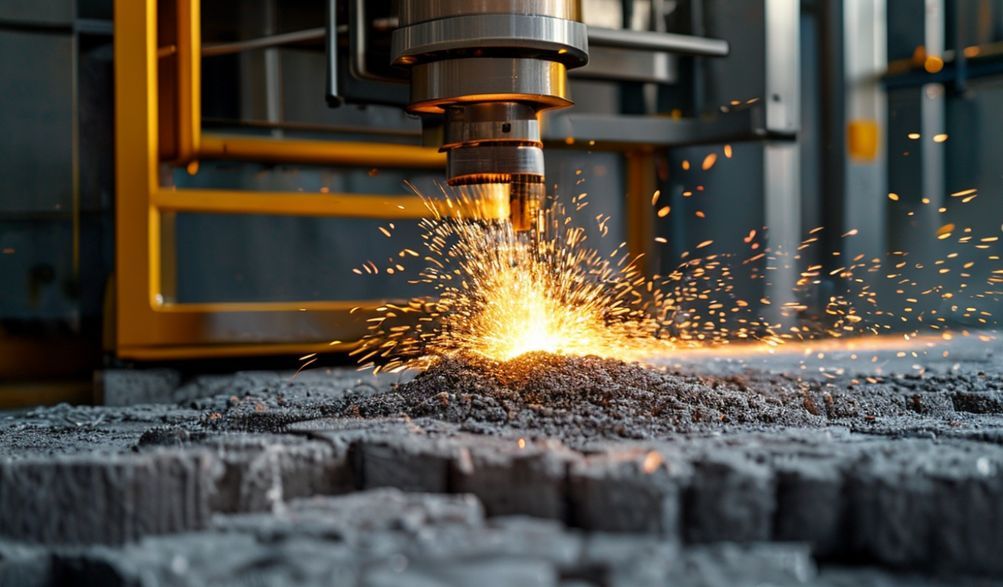
В своей основе,машина для производства бетонных плит и блоковЭто механизированная система, предназначенная для автоматизации и оптимизации производства бетонных изделий. Она использует сочетание вибрации и высокого давления для уплотнения полусухой бетонной смеси в форме, производя однородные плиты, блоки, тротуарную плитку, бордюры и другие сборные элементы.
Процесс, несмотря на сложность исполнения, следует логической последовательности:
- Кормление:Сырая бетонная смесь (цемент, заполнители, песок и минимальное количество воды) загружается в бункер.
- Формование:Смесь переносят в форму или полость определенной формы и размера.
- Уплотнение:Это критическая фаза. Мощные вибрационные двигатели уплотняют смесь, устраняя воздушные пузыри, в то время как гидравлический или механический пресс прикладывает значительное усилие вниз (измеряемое в тоннах). Это двойное действие обеспечивает максимальную плотность и прочность.
- Выброс:Свежесформированный, уплотненный блок поднимают или выталкивают из формы на поддон или на землю.
- Курение:Затем блоки перемещаются в зону отверждения, где они набирают прочность с течением времени благодаря контролируемой гидратации, часто с применением пара или водяного распыления.
Основные области примененияИбо эти машины огромны:
* Строительство:Производство блоков для стен, пустотелых блоков для армированных конструкций и крупноформатных плит для систем перекрытий.
* Инфраструктура и благоустройство территории:Изготовление тротуарной плитки, брусчатки для подъездных путей и пешеходных дорожек, бордюров и блоков для подпорных стен.
* Коммерческое производство:Служит основным оборудованием для заводов, специализирующихся на поставках строительной отрасли стандартизированными сборными железобетонными изделиями.
Ключевые преимущества использования станка для производства блоков
Инвестиции в станок для производства блоков — это не просто покупка; это стратегическое решение, которое влияет на всю вашу деятельность. Вот ключевые преимущества, которые оправдывают эти вложения.
Непревзойдённая эффективность и производительность
- Скорость:Машины завершают производственный цикл (заполнение, уплотнение, выброс) за секунды, производя за час то, на что ручной бригаде может потребоваться целый день.
- Объём:Спроектированные для непрерывной работы, эти машины способны производить тысячи однородных блоков за смену, позволяя вам соблюдать сроки крупных проектов или без труда расширять бизнес по поставкам.
Высокое качество и стабильность
- Единообразие:Каждый произведенный блок имеет одинаковые размеры, вес и плотность. Такая точность недостижима при постоянном использовании ручного труда.
- Высокая прочность:Контролируемое прессование под высоким давлением обеспечивает получение блоков с превосходной прочностью на сжатие, соответствующей или превышающей отраслевые стандарты (такие как ASTM или IS) для несущих конструкций.
- Сокращение отходов:Точное измерение материалов и стабильный выпуск продукции сводят к минимуму количество бракованных единиц и потери материалов.
Значительное снижение затрат
- Оптимизация труда:Одна машина, управляемая небольшой командой, заменяет большой ручной труд, значительно сокращая долгосрочные затраты на рабочую силу и зависимость от неё.
- Материальная эффективность:Оптимизированные составы смесей и сокращение отходов снижают затраты на сырье на один блок.
- Снижение переделок:Стабильное качество означает меньше обращений, ремонтов или замен на объекте, что защищает бюджет вашего проекта.
Operational Versatility
- Ассортимент продукции: With interchangeable molds, a single machine can often produce a variety of products—from solid and hollow blocks to interlocking pavers and slabs of different thicknesses.
- Scale Adaptation: Machines are available for every scale, from small, mobile units for on-site projects to fully automated production lines for industrial plants.
Types of Concrete Block Making Machines
Understanding the classifications is crucial to narrowing your search. Machines are typically categorized by their level of automation, mobility, and output.
По типу управления: ручная, полуавтоматическая и полностью автоматическая
- Ручные станки: Require significant human effort for feeding, compaction (often via a lever), and ejection. They are low-cost and suitable for very small-scale or start-up ventures with minimal output needs (e.g., a few hundred blocks per day).
- Полуавтоматические станки: The most common choice for small to medium businesses. Key processes like vibration and compaction are powered (electric or diesel), but mold filling and block removal may require operator intervention. They offer an excellent balance of output, affordability, and control.
- Полностью автоматические машины: These are computer-controlled production lines. They feature automated material batching, feeding, compaction, block ejection, stacking, and pallet return. While representing a higher initial investment, they maximize output (thousands of blocks per hour) with minimal labor and unparalleled consistency.
By Production Method: Stationary vs. Mobile
- Стационарные станки для производства блоков: These are fixed installations, typically found in a factory or dedicated production yard. They are designed for high-volume, continuous output and are often the core of semi- or fully-automatic production lines.
- Mobile Block Making Machines (Egg-Laying Type): These self-contained units can produce blocks directly on the ground at a construction site. As they move forward, they “lay” cured blocks behind them, eliminating the need for block transportation. This is a game-changer for large, remote projects, saving substantial logistics costs.
By Block Type: Slab, Paver, Hollow Block, and Interlocking Block Machines
While many machines are multi-purpose with mold changes, some are optimized for specific products:
* Slab Making Machines: Designed for larger, flatter products like paving slabs or flooring panels, often with larger mold tables and specific vibration systems.
* Машины для производства тротуарной плитки: Focus on producing smaller, high-density paving stones, frequently with color feeder attachments for surface coloring.
* Машины для производства пустотелых блоков: Feature mold cores to create the hollow cavities in blocks used for reinforced construction, offering material savings and insulation properties.
* Машины для производства блоков с замковым соединением: Produce blocks with designed tongues and grooves that fit together without mortar, ideal for dry-stack walls and paving systems.
How to Choose the Right Machine: A Buyer’s Checklist
Making the wrong choice can be a costly mistake. Use this expert checklist to guide your evaluation and ensure your investment aligns perfectly with your goals.
Assess Your Production Requirements
Начните с основных вопросов:
* What is my required daily or hourly output (e.g., 2,000 blocks/day)?
* What specific products do I need to make (size, type, thickness)?
* Is this for a single projectилиcontinuous commercial production?
* What is the available space for the machine and curing area?
Evaluate Machine Specifications & Features
Look beyond the marketing and scrutinize the technical details:
* Сила давления (тоннаж): Higher tonnage (e.g., 150 tons vs. 50 tons) generally means higher block density and strength.
* Вибросистема: Consider the power (kW/HP) and frequency. A dual vibration system (both vertical and horizontal) often yields better compaction.
* Время цикла: How many seconds for one complete production cycle? This directly dictates maximum output.
* Mold Compatibility & Changeover Time: Can it accept the molds you need? How quickly and easily can molds be swapped?
* Ключевые особенности: Look for automation aids like automatic feeders, concrete mixers, and block stackers, which significantly boost productivity.
Consider Power Source & Infrastructure
- Источник питания: Electric motors are cleaner and cheaper to run in fixed locations with grid access. Diesel engines offer mobility and independence from the power grid, ideal for remote sites.
- Site Needs: Ensure your location has the necessary space, a level and strong concrete foundation, and the required electrical connection (voltage, phase) for the machine.
Factor in Total Cost of Ownership
The purchase price is just the beginning. Consider:
* Installation & Commissioning costs.
* Regular Maintenance and the cost/availability of spare parts (wear parts like mold liners, springs, and hydraulic seals).
* Потребление энергии (electricity or diesel).
* The quality and cost of supplier support (training, service visits).
Vet the Manufacturer for Reliability
This is perhaps the most critical step for long-term success.
* Reputation & History: Research the manufacturer’s track record. How long have they been in business? Look for customer testimonials and case studies.
* Гарантия: What is covered and for how long? A comprehensive warranty indicates confidence in product quality.
* Послепродажное обслуживание: Is there local or readily available technical support? Can they provide timely spare parts? Will they offer proper installation and operator training?
* Соответствие требованиям: Does the machinery meet relevant safety and quality standards?
Essential Tips for Operation and Maintenance
To protect your investment and ensure peak performance, proper operation and maintenance are non-negotiable.
Best Practices for Optimal Operation
- Mix Design is Key: Use a consistent, semi-dry concrete mix with the correct ratio of cement, sand, and aggregates (e.g., a standard 1:3:5 ratio is a starting point). The mix must be just wet enough to bind but dry enough to hold its shape immediately after ejection.
- Proper Curing: Do not neglect this step. Freshly ejected blocks are fragile. They must be kept moist (via water spraying or steam curing) for several days to achieve their design strength.
- Follow the Manual: Adhere strictly to the manufacturer’s recommended procedures for machine setup, operation, and safety.
Routine Maintenance Schedule
A small amount of preventative care prevents major downtime.
* Ежедневно: Clean the mold, hopper, and feed system thoroughly after each shift. Check for loose bolts and nuts. Inspect hydraulic hoses for leaks.
* Weekly: Lubricate all moving parts as specified. Check the vibration motors and electrical connections.
* Monthly: Inspect wear parts like mold liners, springs, and pressure heads. Check hydraulic oil levels and filters.
Устранение распространённых проблем
- Poor Surface Finish/Sticking Blocks: Often caused by a worn mold, insufficient vibration, or an incorrect (too wet) concrete mix.
- Low Block Density/Strength: Usually due to insufficient compaction pressure, a short vibration time, or an improper mix design with too much water or insufficient cement.
- Block Breaking During Ejection: Can be caused by a misaligned mold, damaged pallets, or, again, a mix that is too wet.
Frequently Asked Questions (FAQ)
Q1: What is the average production capacity of a standard block making machine?
А: Capacity varies enormously. A small manual machine may produce 800-1500 blocks in an 8-hour shift. A semi-automatic model can produce 2000-5000 blocks, while a fully automatic line can exceed 10,000 blocks per shift. The specific block size, machine model, and cycle time are the determining factors.
Q2: Can one machine produce different sizes of blocks and slabs?
А: Yes, in most cases. The key is interchangeable molds. When evaluating a machine, confirm that the manufacturer offers a range of compatible molds for the products you need and that the mold changeover process is manageable for your operation.
Q3: What is the typical cost range for a concrete slab block making machine?
А: Prices can range from a few thousand dollars for a basic manual machine to tens or even hundreds of thousands for a high-output, fully automatic production line with auxiliary equipment. It is essential to get detailed quotes based on your specific required specifications and features.
Q4: How important is after-sales service when purchasing?
А: It is absolutely critical. A machine is a long-term asset. Reliable after-sales service—including installation guidance, operator training, readily available spare parts, and responsive technical support—is what ensures your machine runs smoothly for years, protecting your return on investment and business continuity.
Q5: What raw materials are needed besides the machine?
А: The primary materials are Portland cement, fine aggregate (sand), coarse aggregate (gravel or crushed stone), and water. For colored products, you will need concrete color pigments (iron oxide pigments are common). Some operations also use plasticizers or other admixtures to enhance mix workability or block properties.
Заключение
Theмашина для производства бетонных плит и блоков stands as a transformative force in construction and manufacturing, decisively solving the age-old problems of inefficiency, inconsistency, and high cost associated with manual block production. By automating the core process of compaction, it unlocks new levels of productivity, quality, and profitability.
Your path to success lies in making an informed, strategic choice. Avoid the temptation to simply select the cheapest model. Instead, rigorously apply the buyer’s checklist provided in this guide—aligning the machine’s capabilities with your specific production needs, budget, and operational context. Remember, partnering with a reputable, supportive manufacturer is just as important as the technical specifications of the machine itself. Invest in proper training for your team and commit to a disciplined maintenance routine.
Ready to take the next step? We recommend contacting several trusted suppliers with your detailed requirements to obtain comparative quotes and, if possible, arrange live demonstrations. This due diligence is the final, crucial step in securing the right equipment to build the foundation for your future growth.
<