
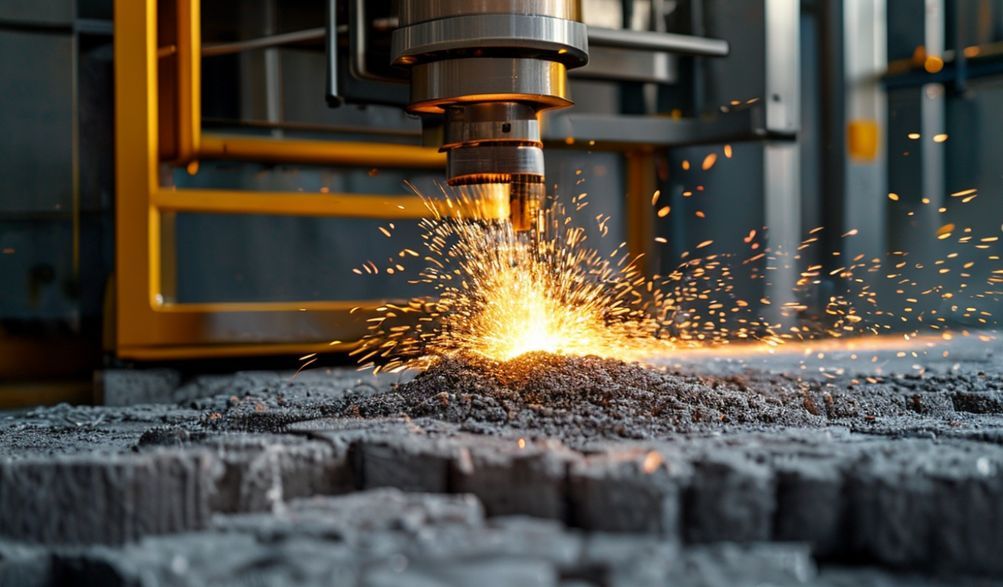
الدليل الشامل لآلات صناعة بلوكات الألواح الخرسانية: الأنواع، المزايا، وكيفية الاختيار
مقدمة
تسابق صناعة البناء العالمية الزمن والميزانية باستمرار. وفي صميم عدد لا يحصى من المشاريع - من أرضيات المباني السكنية والأرصفة الحضرية إلى الساحات الصناعية والجدران الحدودية - يكمن مكون أساسي: بلاطة وكتلة الخرسانة. فأساليب الصب التقليدية اليدوية لهذه العناصر الأساسية أصبحت غير قابلة للاستدامة بشكل متزايد، حيث تعاني من بطء الإنتاج، وتكاليف العمالة المرتفعة، وعدم الاتساق المزعج في الجودة. وبالنسبة للمقاولين والبنائين ورجال الأعمال، يمثل عنق الزجاجة هذا تحدياً كبيراً للربحية والقابلية للتوسع.
الحل الحديث:آلة صنع بلوكات الألواح الخرسانيةهذه المعدات المُصمَّمة هندسياً تحول خليط الخرسانة الخام إلى وحدات بناء دقيقة وعالية القوة بكفاءة ملحوظة. إنها حجر الزاوية في إنتاج الخرسانة سابقة الصب، مستجيبةً لمتطلبات السرعة، والاتساق، والتحكم في التكاليف.
هذا الدليل الشامل مصمم لاختراق الضجيج. بالاعتماد على أفضل الممارسات الصناعية والمعرفة التقنية، نقدم نصائح خبيرة وموثوقة لأي شخص يتطلع للاستثمار في هذه التكنولوجيا التحويلية. سواء كنت مقاولاً تهدف إلى إنتاج داخلي، أو صاحب عمل تطلق مشروعاً لتصنيع الكتل، أو مدير مشروع يبحث عن معدات، ستتعلم:
- ما هي هذه الآلات وكيف تعمل.
- الفوائد التي لا يمكن إنكارها التي يقدمونها.
- الأنواع المختلفة المتوفرة في السوق.
- قائمة تدقيق تفصيلية وقابلة للتنفيذ لاختيار النموذج المناسب.
- نصائح أساسية للتشغيل والصيانة.
دعونا نبني أساسًا من المعرفة لاستثمارك الذكي القادم.
ما هي آلة صنع كتل الألواح الخرسانية؟
في صميمها،آلة صنع بلوكات الألواح الخرسانيةهو نظام ميكانيكي مصمم لأتمتة وتحسين تشكيل المنتجات الخرسانية. يستخدم مزيجاً من الاهتزاز والضغط العالي لضغط خليط خرساني شبه جاف في قالب، منتجاً ألواحاً وكتلاً وبلاطات وأحجار أرصفة وعناصر مسبقة الصب أخرى موحدة.
العملية، رغم تعقيدها في التنفيذ، تتبع تسلسلاً منطقياً:
- التغذية:يتم تحميل خليط الخرسانة الخام (الأسمنت، الركام، الرمل، وكمية قليلة من الماء) في قادوس.
- صبيتم نقل الخليط إلى قالب أو تجويف ذي شكل وحجم محددين.
- الضغط:هذه هي المرحلة الحرجة. تقوم محركات اهتزاز قوية بتثبيت الخليط، مما يزيل الجيوب الهوائية، بينما يطبق مكبس هيدروليكي أو ميكانيكي قوة هبوطية كبيرة (تُقاس بالأطنان). يضمن هذا الفعل المزدوج أقصى كثافة وقوة.
- طرد:يتم رفع أو دفع الكتلة المدمجة حديثاً من القالب إلى منصة أو الأرض.
- التداويثم يتم نقل الكتل إلى منطقة معالجة، حيث تكتسب قوة مع مرور الوقت من خلال الترطيب المتحكم فيه، غالباً بمساعدة البخار أو رش المياه.
التطبيقات الأساسيةهذه الآلات ضخمة:
* البناء:إنتاج بلوكات للجدران، وبلوكات مجوفة للبناء المسلح، وألواح كبيرة لأنظمة الأرضيات.
* البنية التحتية والتنسيق الطبيعيتصنيع حجارة الرصف، البلاط المتشابك للممرات والطرقات، الأرصفة، ووحدات الجدران الاستنادية.
* الإنتاج التجاري:تخدم كالمعدات الأساسية للمصانع المخصصة لتزويد صناعة البناء بمنتجات الخرسانة سابقة الصب القياسية.
المزايا الرئيسية لاستخدام آلة صناعة الطوب
استثمار آلة صنع البلوك ليس مجرد عملية شراء؛ إنه قرار استراتيجي يؤثر على عمليتك بأكملها. إليك المزايا الأساسية التي تدفع هذا الاستثمار.
كفاءة وإنتاجية لا مثيل لهما
- السرعةتنجز الآلات دورة إنتاجية (ملء، ضغط، قذف) في ثوانٍ، وتنتج في ساعة ما قد يستغرق طاقمًا يدويًا يومًا كاملًا.
- الحجم:مصممة للعمل المستمر، يمكن لهذه الآلات إنتاج آلاف الكتل المتجانسة في كل وردية، مما يمكنك من الوفاء بمواعيد المشاريع الكبيرة أو توسيع أعمال التوريد الخاصة بك بكل سهولة.
جودة متفوقة واتساق
- التوحيد:كل كتلة منتجة لها أبعاد ووزن وكثافة متطابقة. هذا المستوى من الدقة لا يمكن تحقيقه باستمرار بالعمل اليدوي.
- عالية القوة:يؤدي الضغط العالي المُتحكَّم به إلى إنتاج كتل ذات مقاومة ضغط ممتازة، تلبي أو تتجاوز المعايير الصناعية (مثل مواصفات ASTM أو IS) للتطبيقات الحاملة للأحمال.
- تقليل النفايات:القياس الدقيق للمواد والإنتاج المتسق يقلل من الوحدات المرفوضة وهدر المواد.
تخفيض كبير في التكاليف
- تحسين العمالة:آلة واحدة تشغلها فرقة صغيرة تحل محل قوة عمل يدوية كبيرة، مما يقلل بشكل كبير من تكاليف العمالة طويلة الأجل والاعتماد عليها.
- الكفاءة المادية:تصميمات الخلطات المحسّنة وتقليل الهدر يخفضان تكلفة المواد الخام لكل كتلة.
- إعادة العمل المنخفضة Consistent quality means fewer call-backs, repairs, or replacements on-site, protecting your project’s bottom line.
Operational Versatility
- مجموعة المنتجات: With interchangeable molds, a single machine can often produce a variety of products—from solid and hollow blocks to interlocking pavers and slabs of different thicknesses.
- Scale Adaptation: Machines are available for every scale, from small, mobile units for on-site projects to fully automated production lines for industrial plants.
Types of Concrete Block Making Machines
Understanding the classifications is crucial to narrowing your search. Machines are typically categorized by their level of automation, mobility, and output.
حسب التشغيل: يدوي، شبه آلي، وآلي بالكامل
- الآلات اليدوية: Require significant human effort for feeding, compaction (often via a lever), and ejection. They are low-cost and suitable for very small-scale or start-up ventures with minimal output needs (e.g., a few hundred blocks per day).
- الآلات شبه الآلية: The most common choice for small to medium businesses. Key processes like vibration and compaction are powered (electric or diesel), but mold filling and block removal may require operator intervention. They offer an excellent balance of output, affordability, and control.
- آلات أوتوماتيكية بالكامل: These are computer-controlled production lines. They feature automated material batching, feeding, compaction, block ejection, stacking, and pallet return. While representing a higher initial investment, they maximize output (thousands of blocks per hour) with minimal labor and unparalleled consistency.
By Production Method: Stationary vs. Mobile
- آلات صناعة الكتل الثابتة: These are fixed installations, typically found in a factory or dedicated production yard. They are designed for high-volume, continuous output and are often the core of semi- or fully-automatic production lines.
- Mobile Block Making Machines (Egg-Laying Type): These self-contained units can produce blocks directly on the ground at a construction site. As they move forward, they “lay” cured blocks behind them, eliminating the need for block transportation. This is a game-changer for large, remote projects, saving substantial logistics costs.
By Block Type: Slab, Paver, Hollow Block, and Interlocking Block Machines
While many machines are multi-purpose with mold changes, some are optimized for specific products:
* Slab Making Machines: Designed for larger, flatter products like paving slabs or flooring panels, often with larger mold tables and specific vibration systems.
* آلات صناعة البلاط: Focus on producing smaller, high-density paving stones, frequently with color feeder attachments for surface coloring.
* آلات صناعة البلوك المجوف: Feature mold cores to create the hollow cavities in blocks used for reinforced construction, offering material savings and insulation properties.
* آلات تصنيع البلوك المتشابك: Produce blocks with designed tongues and grooves that fit together without mortar, ideal for dry-stack walls and paving systems.
How to Choose the Right Machine: A Buyer’s Checklist
Making the wrong choice can be a costly mistake. Use this expert checklist to guide your evaluation and ensure your investment aligns perfectly with your goals.
Assess Your Production Requirements
ابدأ بطرح الأسئلة الأساسية:
* What is my required daily or hourly output (e.g., 2,000 blocks/day)?
* ماذاspecific products do I need to make (size, type, thickness)?
* Is this for a single projectأوcontinuous commercial production?
* ما هوavailable space for the machine and curing area?
Evaluate Machine Specifications & Features
Look beyond the marketing and scrutinize the technical details:
* قوة الضغط (الطناج): Higher tonnage (e.g., 150 tons vs. 50 tons) generally means higher block density and strength.
* نظام الاهتزاز: Consider the power (kW/HP) and frequency. A dual vibration system (both vertical and horizontal) often yields better compaction.
* وقت الدورة: How many seconds for one complete production cycle? This directly dictates maximum output.
* Mold Compatibility & Changeover Time: Can it accept the molds you need? How quickly and easily can molds be swapped?
* الميزات الرئيسية: Look for automation aids like automatic feeders, concrete mixers, and block stackers, which significantly boost productivity.
Consider Power Source & Infrastructure
- مصدر الطاقة Electric motors are cleaner and cheaper to run in fixed locations with grid access. Diesel engines offer mobility and independence from the power grid, ideal for remote sites.
- Site Needs: Ensure your location has the necessary space, a level and strong concrete foundation, and the required electrical connection (voltage, phase) for the machine.
Factor in Total Cost of Ownership
The purchase price is just the beginning. Consider:
* Installation & Commissioning costs.
* Regular Maintenance and the cost/availability of spare parts (wear parts like mold liners, springs, and hydraulic seals).
* Energy Consumption (electricity or diesel).
* The quality and cost of supplier support (training, service visits).
Vet the Manufacturer for Reliability
This is perhaps the most critical step for long-term success.
* Reputation & History: Research the manufacturer’s track record. How long have they been in business? Look for customer testimonials and case studies.
* الضمان: What is covered and for how long? A comprehensive warranty indicates confidence in product quality.
* خدمة ما بعد البيع: Is there local or readily available technical support? Can they provide timely spare parts? Will they offer proper installation and operator training?
* الامتثال Does the machinery meet relevant safety and quality standards?
Essential Tips for Operation and Maintenance
To protect your investment and ensure peak performance, proper operation and maintenance are non-negotiable.
Best Practices for Optimal Operation
- Mix Design is Key: Use a consistent, semi-dry concrete mix with the correct ratio of cement, sand, and aggregates (e.g., a standard 1:3:5 ratio is a starting point). The mix must be just wet enough to bind but dry enough to hold its shape immediately after ejection.
- Proper Curing: Do not neglect this step. Freshly ejected blocks are fragile. They must be kept moist (via water spraying or steam curing) for several days to achieve their design strength.
- Follow the Manual: Adhere strictly to the manufacturer’s recommended procedures for machine setup, operation, and safety.
Routine Maintenance Schedule
A small amount of preventative care prevents major downtime.
* Daily: Clean the mold, hopper, and feed system thoroughly after each shift. Check for loose bolts and nuts. Inspect hydraulic hoses for leaks.
* Weekly: Lubricate all moving parts as specified. Check the vibration motors and electrical connections.
* Monthly: Inspect wear parts like mold liners, springs, and pressure heads. Check hydraulic oil levels and filters.
Troubleshooting Common Issues
- Poor Surface Finish/Sticking Blocks: Often caused by a worn mold, insufficient vibration, or an incorrect (too wet) concrete mix.
- Low Block Density/Strength: Usually due to insufficient compaction pressure, a short vibration time, or an improper mix design with too much water or insufficient cement.
- Block Breaking During Ejection: Can be caused by a misaligned mold, damaged pallets, or, again, a mix that is too wet.
الأسئلة الشائعة (FAQ)
Q1: What is the average production capacity of a standard block making machine?
أ: Capacity varies enormously. A small manual machine may produce 800-1500 blocks in an 8-hour shift. A semi-automatic model can produce 2000-5000 blocks, while a fully automatic line can exceed 10,000 blocks per shift. The specific block size, machine model, and cycle time are the determining factors.
Q2: Can one machine produce different sizes of blocks and slabs?
أ: Yes, in most cases. The key is قوالب قابلة للتبديل. When evaluating a machine, confirm that the manufacturer offers a range of compatible molds for the products you need and that the mold changeover process is manageable for your operation.
Q3: What is the typical cost range for a concrete slab block making machine?
أ: Prices can range from a few thousand dollars for a basic manual machine to tens or even hundreds of thousands for a high-output, fully automatic production line with auxiliary equipment. It is essential to get detailed quotes based on your specific required specifications and features.
Q4: How important is after-sales service when purchasing?
أ: It is absolutely critical. A machine is a long-term asset. Reliable after-sales service—including installation guidance, operator training, readily available spare parts, and responsive technical support—is what ensures your machine runs smoothly for years, protecting your return on investment and business continuity.
Q5: What raw materials are needed besides the machine?
أ: The primary materials are Portland cement, fine aggregate (sand), coarse aggregate (gravel or crushed stone), and water. For colored products, you will need concrete color pigments (iron oxide pigments are common). Some operations also use plasticizers or other admixtures to enhance mix workability or block properties.
خاتمة
الآلة صنع بلوكات الألواح الخرسانية stands as a transformative force in construction and manufacturing, decisively solving the age-old problems of inefficiency, inconsistency, and high cost associated with manual block production. By automating the core process of compaction, it unlocks new levels of productivity, quality, and profitability.
Your path to success lies in making an informed, strategic choice. Avoid the temptation to simply select the cheapest model. Instead, rigorously apply the buyer’s checklist provided in this guide—aligning the machine’s capabilities with your specific production needs, budget, and operational context. Remember, partnering with a reputable, supportive manufacturer is just as important as the technical specifications of the machine itself. Invest in proper training for your team and commit to a disciplined maintenance routine.
Ready to take the next step? We recommend contacting several trusted suppliers with your detailed requirements to obtain comparative quotes and, if possible, arrange live demonstrations. This due diligence is the final, crucial step in securing the right equipment to build the foundation for your future growth.
<