
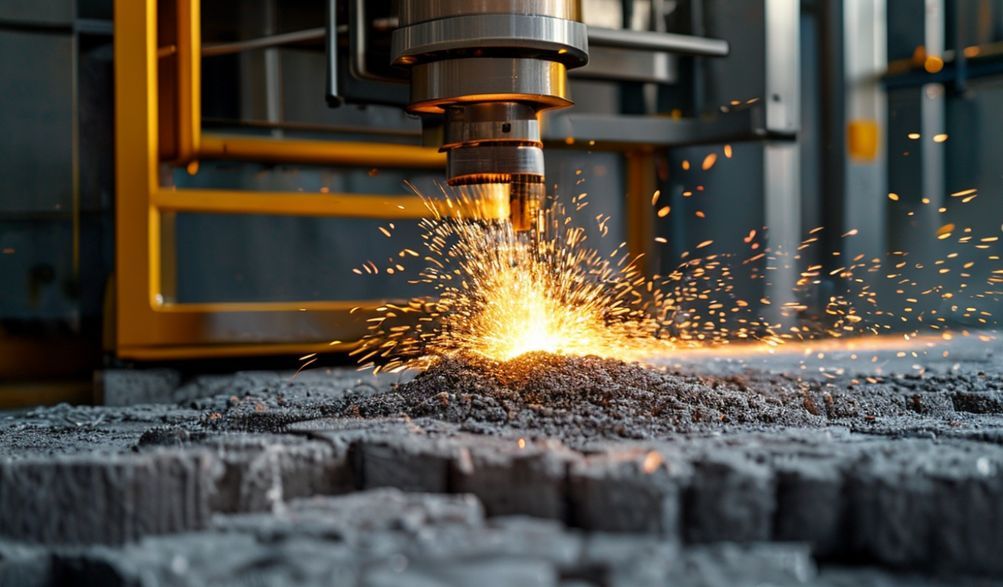
Ingamba y’ingenzi yo gukora Imashini zikora ibyatsi bya sima: Ubwoko, Inyungu n’Uburyo bwo Gutoranya
Intangamarara
Uruganda rw’ubwubatsi ku isi ruri mu guhiganwa gikomeye n’igihe n’umushinga. Mu bikorwa byinshi—kuva mu gutera imyanda mu ngo no mu mihanda y’imijyi, kugeza mu mazu y’inganda n’imiringo—hari ikintu gikomeye: urukuta rwa sima n’ibyatsi. Uburyo bwa kera bwo gutunganya ibyo bintu bishya, bushingiye ku bakozi, bukomeje kudakwiriye, buhagarika umusaruro, ugurisha abakozi, kandi bukaza n’ibibazo by’ubwiza. Ku banyamwuga, abubatsi, n’abacuruzi, iki kibazo kibera kikaba ingorane ikomeye mu kugira inyungu no kongera ubushobozi.
Injira uburyo bwa gikondo:mashini yo gukora ibyatsi bya simaIyi midasire yubatswe ihindura kongere y'umwimerere mu bice by'ubwubatsi bikonjesha, bishyushye cyane kandi bishoboye gukora neza. Ni ingenzi mu gukora kongere mbere, isubiza ibyo byifuzo byo kugira umwanya, gukomeza ubwiza, no kugenzura ibiciro.
Uyu mwongozo uzuye ureba icyo wifuza kumenya. Ukoresheje uburambe bw’abakora mu bukungu n’ubumenyi mu by’ikoranabuhanga, duha inama z’abahanga kandi zizewe kuri buri muntu ushaka kugura ibikoresho by’ikoranabuhanga bigezweho. Niba uri umukontarakare ushaka gukora ibikoresho mu rugo, umwishingizi w’ubucuruzi utangiza gucuruza amabuye y’ibyumba, cyangwa umuyobozi w’umushinga ushaka kugura ibikoresho, uzamenya ibi bikurikira:
- Iyo mudasobwa ni ibiki n’uko ikora.
- Inyungu zitashidikanywaho bazana.
- Ibyoko bitandukanye bibaranga ku isoko.
- Urutonde rw'ibikorwa rw'ibanze kugirango uhitemo imodere y'ikwiriye.
- Ibyingenzi byo gukoresha no kurinda.
Reka dushyireho ishingiro ry’ubumenyi kugirango ugire amafaranga meza yo gutanga mu bihugu bikiri mu nzira y’amajyambere.
Ni iki gikoresho cyubaka cyitwa Concrete Slab Block Making Machine?
Mu mishinga yacyo, amashini yo gukora ibyatsi bya simani sisiteme ikoresha imashini yateganijwe gukora no kungurura uburyo bwo gukora ibikoresho bya sima. Ikoresha umubare w’imikorere hamwe n’umuvuduko ukabije wo gukandagira umuvange w’isima utari umwuzure mu mwobo, ikora amapapuro y’isima, amabuye y’ububiko, amabuye yo mu mihanda, amabuye yo mu nzira, n’ibindi bikoresho bya sima byakozwe mbere.
Uburyo, nubwo busobanukiwe mu gukurikizwa, bukurikira urutonde rw'ingingo:
- Kurisha:Ingufu z’amakara zisanzwe (siman, amabuye y’umusaruro, umusenyi, n’amazi make) zirashyirwa mu gashyushyu.
- Gukora ibikoreshoIbyo byongeweho bihindurwa mu miterere cyangwa mu mwobo w'igishushanyo cyangwa ingano zidasanzwe.
- Gukanyaga:Iyi ni igihe gikomeye. Imashini zikomeye zikora umuvuduko zishiraho umuvange, zikuraho amapfuka y’umwuka, mu gihe ipresiya y’amazi cyangwa imashini ikoresha ingufu zikomeye zo hasi (zigereranywa mu toni). Ibi bikorwa byombi byemeza ko ibintu byuzuye kandi bifite ingufu nyinshi.
- GuhagarikaIkinamwa gishya, gikomeje, gikururwa cyangwa gusunikwa mu ikinamwa ku giti cyangwa hasi.
- Gukora:Niba ibyuma byo muri uwo muriro bigasohotse, bijyana mu nzu y’ubushyuhe, aho bigakorwa mu buryo bukurikijwe amategeko kugira ngo bishobore kugira imbaraga mu gihe runaka, bikaba byakunze gufashwa n’umwotsi cyangwa amazi yanyanyagirwa.
Porogaramu nyamukurukuko izi mashini ni nyinshi cyane:
* Ubwubatsi:Gutanga ibyumba byo mu masasi, ibyumba bifite imyobo kugirango bikoreshwe mu kubaka byasubiyemewe, n’amapapuro makuru yo mu gusakara imyanya yo gutambamo.
* Infrastruktur na Imigaragarire:Gukora amabuye y’inzira, amatiles ashingiranwa y’amabarabara n’inzira, inkengero, n’ibice by’inkuta zikomeza.
* Gutunganya mu BwokoziGukora nk'ibikoresho by'ibanze mu nganda zitanga inganda zubaka ibintu byakozwe mu rwunge rwungano rwa sima.
Inyungu z'ingenzi zo gukoresha imashini ikora amatafari
Kugura mashini ikora amatafari nk’iguzi ntabwo ari ugura gusa; ni ihitamo ryingenzi rikora ku mikorere yawe yose. Dore ibyiza by’ibanze bishyigikira iyi nshoramari.
Ubushobozi Butagira Urwego & Ubukire
- UmuvudukoImashini zuzanya uruziga rwo gutunganya (kuzuza, gukama, gusohora) mu masegonda, zikabyara mu isaha imwe ibishobora gutwara itsinda ry'abakozi umunsi wose.
- Umubare:Izi mashini zateguwe gukora imirimo itaziguye, zikabasha gukora ibihumbi by’amabuye ahuje uburinganire mu gihe kimwe, bigatuma ushobora guhaza igihe cy’imishinga minini cyangwa ukagura ubucuruzi bwawe bwo gutanga ibikoresho nta kabuza.
Ubwiza Budasanzwe n'Ubunyaruganda
- Kinyabupfura:Buri bloc irimo uburinganiro, uburemere, n’ubwinshi bisa. Iki cyubahiro ntigishobora kugerwaho mu buryo buhoraho ukoresheje imirimo ya maboko.
- Imbaraga NiniKugandisha gukoresha umuvuduko munini bigira ingaruka nziza kuri blocki kuko ziba zifite imbaraga nyinshi zo gukumira, zikajya kuba zihuje cyangwa zikarenza amategeko y’inganda (nka ASTM cyangwa IS) mu bikorwa byo gutwara ibintu.
- Gutubya Imyanda:Gupima ibikoresho neza no gutanga umusaruro uhoraho bigabanya ibice byanzwe n’ibikoresho byamenetse.
Kugabanya ikiguzi cyane
- Gukoresha Abakozi neza:Imashini imwe ikoreshwa n’itsinda rito isimbura abakozi benshi bakora n’amaboko, igabanya cyane ibiciro by’abakozi by’igihe kirekire no kwishingikiriza.
- Ubworoheri bw'ibikoresho: Optimized mix designs and reduced waste lower raw material costs per block.
- Lower Rework: Consistent quality means fewer call-backs, repairs, or replacements on-site, protecting your project’s bottom line.
Operational Versatility
- Umutungo w'ibicuruzwa: With interchangeable molds, a single machine can often produce a variety of products—from solid and hollow blocks to interlocking pavers and slabs of different thicknesses.
- Scale Adaptation: Machines are available for every scale, from small, mobile units for on-site projects to fully automated production lines for industrial plants.
Types of Concrete Block Making Machines
Understanding the classifications is crucial to narrowing your search. Machines are typically categorized by their level of automation, mobility, and output.
By Operation: Manual, Semi-Automatic, and Fully Automatic
- Imashini z'ibikorwa by'amaboko: Require significant human effort for feeding, compaction (often via a lever), and ejection. They are low-cost and suitable for very small-scale or start-up ventures with minimal output needs (e.g., a few hundred blocks per day).
- Imitungo Imigendeshwa n'ikiremwamuntu: The most common choice for small to medium businesses. Key processes like vibration and compaction are powered (electric or diesel), but mold filling and block removal may require operator intervention. They offer an excellent balance of output, affordability, and control.
- Imashini Zikora Byikoresho Zishobora Kwikorera Ubwabyo. These are computer-controlled production lines. They feature automated material batching, feeding, compaction, block ejection, stacking, and pallet return. While representing a higher initial investment, they maximize output (thousands of blocks per hour) with minimal labor and unparalleled consistency.
By Production Method: Stationary vs. Mobile
- Imashini zikora ibikoresho byo mu biro. These are fixed installations, typically found in a factory or dedicated production yard. They are designed for high-volume, continuous output and are often the core of semi- or fully-automatic production lines.
- Mobile Block Making Machines (Egg-Laying Type): These self-contained units can produce blocks directly on the ground at a construction site. As they move forward, they “lay” cured blocks behind them, eliminating the need for block transportation. This is a game-changer for large, remote projects, saving substantial logistics costs.
By Block Type: Slab, Paver, Hollow Block, and Interlocking Block Machines
While many machines are multi-purpose with mold changes, some are optimized for specific products:
* Slab Making Machines: Designed for larger, flatter products like paving slabs or flooring panels, often with larger mold tables and specific vibration systems.
* Paver Making Machines: Focus on producing smaller, high-density paving stones, frequently with color feeder attachments for surface coloring.
* Imashini z’ibikoresho by’ibyumba by’amabuye y’urugomero: Feature mold cores to create the hollow cavities in blocks used for reinforced construction, offering material savings and insulation properties.
* Interlocking Block Machines: Produce blocks with designed tongues and grooves that fit together without mortar, ideal for dry-stack walls and paving systems.
How to Choose the Right Machine: A Buyer’s Checklist
Making the wrong choice can be a costly mistake. Use this expert checklist to guide your evaluation and ensure your investment aligns perfectly with your goals.
Assess Your Production Requirements
Start by asking the fundamental questions:
* What is my required daily or hourly output (e.g., 2,000 blocks/day)?
* What specific products do I need to make (size, type, thickness)?
* Is this for a single projectcyangwacontinuous commercial production?
* What is the available space for the machine and curing area?
Evaluate Machine Specifications & Features
Look beyond the marketing and scrutinize the technical details:
* Pressure Force (Tonnage): Higher tonnage (e.g., 150 tons vs. 50 tons) generally means higher block density and strength.
* Sisitemu yo Gutengurwa: Consider the power (kW/HP) and frequency. A dual vibration system (both vertical and horizontal) often yields better compaction.
* Igihe cyo gukora How many seconds for one complete production cycle? This directly dictates maximum output.
* Mold Compatibility & Changeover Time: Can it accept the molds you need? How quickly and easily can molds be swapped?
* Ibintu by'ingenzi: Look for automation aids like automatic feeders, concrete mixers, and block stackers, which significantly boost productivity.
Consider Power Source & Infrastructure
- Inkomoko y'ingufu: Electric motors are cleaner and cheaper to run in fixed locations with grid access. Diesel engines offer mobility and independence from the power grid, ideal for remote sites.
- Site Needs: Ensure your location has the necessary space, a level and strong concrete foundation, and the required electrical connection (voltage, phase) for the machine.
Factor in Total Cost of Ownership
The purchase price is just the beginning. Consider:
* Installation & Commissioning costs.
* Regular Maintenance and the cost/availability of spare parts (wear parts like mold liners, springs, and hydraulic seals).
* Energy Consumption (electricity or diesel).
* The quality and cost of supplier support (training, service visits).
Vet the Manufacturer for Reliability
This is perhaps the most critical step for long-term success.
* Reputation & History: Research the manufacturer’s track record. How long have they been in business? Look for customer testimonials and case studies.
* Warranty: What is covered and for how long? A comprehensive warranty indicates confidence in product quality.
* Serivisi yo Nyuma yo Kugurisha: Is there local or readily available technical support? Can they provide timely spare parts? Will they offer proper installation and operator training?
* Compliance: Does the machinery meet relevant safety and quality standards?
Essential Tips for Operation and Maintenance
To protect your investment and ensure peak performance, proper operation and maintenance are non-negotiable.
Best Practices for Optimal Operation
- Mix Design is Key: Use a consistent, semi-dry concrete mix with the correct ratio of cement, sand, and aggregates (e.g., a standard 1:3:5 ratio is a starting point). The mix must be just wet enough to bind but dry enough to hold its shape immediately after ejection.
- Proper Curing: Do not neglect this step. Freshly ejected blocks are fragile. They must be kept moist (via water spraying or steam curing) for several days to achieve their design strength.
- Follow the Manual: Adhere strictly to the manufacturer’s recommended procedures for machine setup, operation, and safety.
Routine Maintenance Schedule
A small amount of preventative care prevents major downtime.
* Buri munsi: Clean the mold, hopper, and feed system thoroughly after each shift. Check for loose bolts and nuts. Inspect hydraulic hoses for leaks.
* Buri cyumweru: Lubricate all moving parts as specified. Check the vibration motors and electrical connections.
* Monthly: Inspect wear parts like mold liners, springs, and pressure heads. Check hydraulic oil levels and filters.
Troubleshooting Common Issues
- Poor Surface Finish/Sticking Blocks: Often caused by a worn mold, insufficient vibration, or an incorrect (too wet) concrete mix.
- Low Block Density/Strength: Usually due to insufficient compaction pressure, a short vibration time, or an improper mix design with too much water or insufficient cement.
- Block Breaking During Ejection: Can be caused by a misaligned mold, damaged pallets, or, again, a mix that is too wet.
Bibazo Byinshi Byibazwa (FAQ)
Q1: What is the average production capacity of a standard block making machine?
A: Capacity varies enormously. A small manual machine may produce 800-1500 blocks in an 8-hour shift. A semi-automatic model can produce 2000-5000 blocks, while a fully automatic line can exceed 10,000 blocks per shift. The specific block size, machine model, and cycle time are the determining factors.
Q2: Can one machine produce different sizes of blocks and slabs?
A: Yes, in most cases. The key is interchangeable molds. When evaluating a machine, confirm that the manufacturer offers a range of compatible molds for the products you need and that the mold changeover process is manageable for your operation.
Q3: What is the typical cost range for a concrete slab block making machine?
A: Prices can range from a few thousand dollars for a basic manual machine to tens or even hundreds of thousands for a high-output, fully automatic production line with auxiliary equipment. It is essential to get detailed quotes based on your specific required specifications and features.
Q4: How important is after-sales service when purchasing?
A: It is absolutely critical. A machine is a long-term asset. Reliable after-sales service—including installation guidance, operator training, readily available spare parts, and responsive technical support—is what ensures your machine runs smoothly for years, protecting your return on investment and business continuity.
Q5: What raw materials are needed besides the machine?
A: The primary materials are Portland cement, fine aggregate (sand), coarse aggregate (gravel or crushed stone), and water. For colored products, you will need concrete color pigments (iron oxide pigments are common). Some operations also use plasticizers or other admixtures to enhance mix workability or block properties.
Ibyo byose
Themashini yo gukora ibyatsi bya sima stands as a transformative force in construction and manufacturing, decisively solving the age-old problems of inefficiency, inconsistency, and high cost associated with manual block production. By automating the core process of compaction, it unlocks new levels of productivity, quality, and profitability.
Your path to success lies in making an informed, strategic choice. Avoid the temptation to simply select the cheapest model. Instead, rigorously apply the buyer’s checklist provided in this guide—aligning the machine’s capabilities with your specific production needs, budget, and operational context. Remember, partnering with a reputable, supportive manufacturer is just as important as the technical specifications of the machine itself. Invest in proper training for your team and commit to a disciplined maintenance routine.
Ready to take the next step? We recommend contacting several trusted suppliers with your detailed requirements to obtain comparative quotes and, if possible, arrange live demonstrations. This due diligence is the final, crucial step in securing the right equipment to build the foundation for your future growth.
<