
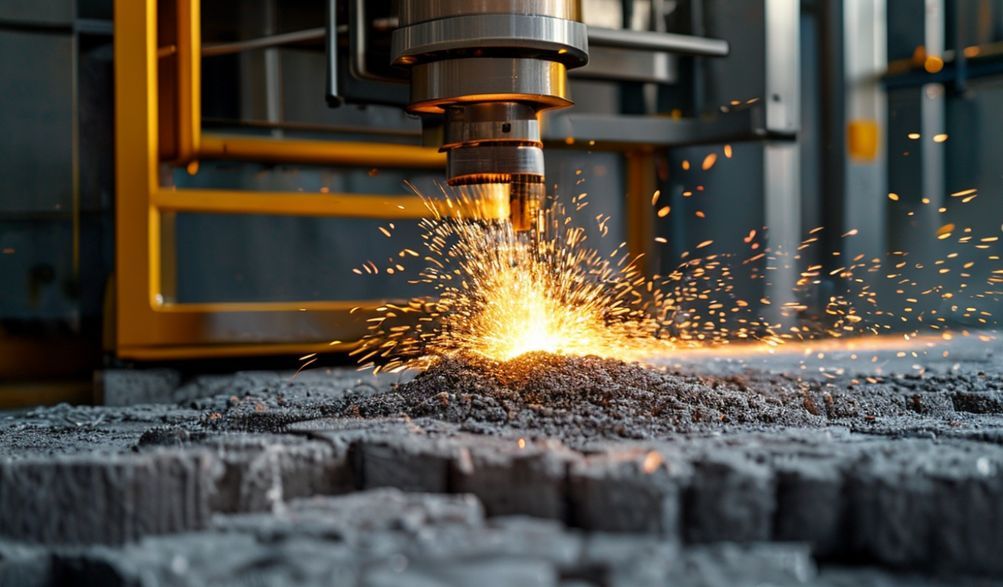
Ultima Ductor ad Machinas Laterum Tabulae Concreti Faciendas: Genera, Commoda et Quomodo Eligere
Introductio
Industria aedificatoria globalis perpetuo contra tempus et sumptum certat. In corde innumerabilium operum—a contignationibus domesticis et pavimentis urbanis ad areas industriales et muros terminales—iacet elementum primarium: tabula et later concretus. Modus traditus, manualis fundendi horum elementorum essentialium magis magisque intolerabilis fit, lentitudine productionis, sumptibus altis laboris, et inconstantia qualitatis molesta afflictus. Pro redemptoribus, aedificatoribus, et negotiatoribus, hoc impedimentum provocationem magnam lucro et incremento repraesentat.
Introduce modernum remedium:Machina ad lateres tabulatos concretos faciendosHaec machinata supellex rudem mixturam caementi in praecisa, altae firmitatis aedificiorum elementa cum insigni efficentia transformat. Hoc est cardo productionis caementi praefabricati, postulationi celeritatis, constantiae, et moderaminis sumptus respondens.
Hic liber plenus ad excutiendum tumultum comparatus est. Ex optimis artis industriae usibus et scientia technica hauriens, peritum ac fidelem consilium praebemus omnibus qui in hanc technologiam transformantem collocare volunt. Sive conductor es qui productionem intra domesticos parietes adducere studes, sive negotiorum dominus qui opus latericium inire parat, sive procurator operis qui instrumenta comparat, disces:
- Quid hae machinae sint et quomodo operentur.
- Certissima commoda quae praestant.
- Diversae species in foro praesto.
- Index rerum eligendarum ad exemplar aptum, distincte et efficaciter ordinatus.
- Consilia necessaria ad operationem et conservationem.
Fundamentum scientiae pro tuo proximo prudenti collocatione aedificemus.
Quid est Machina ad Lateres Tabulae Concreti Faciendos?
In suo nucleo,Machina ad lateres tabulatos concretos faciendosSystema mechanicum est quod ad automatizandam et optimandam formationem productorum concreti designatur. Vibrationis et pressionis altae coniunctione utitur ad mixturam concreti semi-aridam in formam comprimendam, tabulas uniformes, lateres, pavimenta, lapides marginales aliaque elementa praeiecta efficiens.
Processus, quamquam exsecutione subtilis, sequitur ordinem logicum:
- Alimentatio:Materia rudis concreti mixta (caementum, aggregata, harena, et aqua minima) in infundibulum oneratur.
- Fingere:Mixtura in formam vel cavitatem certae figurae et magnitudinis transfertur.
- Compressio:Hic est status criticus. Praepotentes motores vibrationis mixturam sedant, bullas aeris tollentes, dum pressura hydraulica vel mechanica vim deorsum ingentem (in talentis mensam) adhibet. Haec duplex actio densitatem et firmitatem summam efficit.
- Eiectio:Massa recens formata et compacta e forma in palam vel humum tollitur vel expellitur.
- Sanatio:Deinde caudices in locum curationis moventur, ubi per tempus vires capiunt moderata hydratione, saepe adiuvante vaporis vel aquae aspergine.
Primariae applicationesnam hae machinae ingentes sunt:
* Aedificatio:Lateres pro parietibus fabricare, lateres cavos pro structura armatis, et grandes tabulas pro systematibus pavimentorum.
* Infrastructura & Topiaria:Lapides sternendos fabricare, lateres coniunctos pro itineribus vehiculorum et ambulacris, margines, et structuras murorum sustinendorum.
* Productio Mercatoria:Instrumentum praecipuum officinis praebet quae industriae aedificiorum praestant producta concreti praefabricati normata.
Praecipua Beneficia Machinae Laterum Faciendorum Utendae
In machinam laterum faciendorum pecuniam ponere non est emere tantum; consilium est opportunum quod totam operationem tuam afficit. Haec sunt praecipua commoda quae hanc collocationem impellunt.
Efficacia et Operositas Incomparabilis
- CeleritasMachinae productionis cyclum (implent, comprimunt, eiciunt) secundis perficiunt, efficientes in hora id quod manu operantes tota die efficere possint.
- Volumen:Ad continuum usum comparatae, hae machinae milia caementorum uniformium per vicem efficere possunt, ut vel magna incepta tempore absolvere vel copiae negotium sine labore augere possis.
Summa Qualitas et Constantia
- Uniformitas:Omnis caementum productum eadem dimensione, pondere, densitateque praeditum est. Haec praecisio per laborem manuum constanter effici non potest.
- Alta Fortitudo:Coacta et alta pressura compactione efficiuntur lateres praestanti vi compressionis, qui normas industriales (ut ASTM vel IS codices) ad onera ferenda adaequant vel superant.
- Reductus Vastitas:Mensura materialis accurata et productio constans unitates reiectas et effusionem materiae minuunt.
Magnus Impendii Deminutio
- Laboris Optimatio:Una machina a parva turba operata magnam manum manualem substituit, sumptus laboris longinquos et dependentiam vehementer minuens.
- Materiae Efficientia:Composita rationes excultae et vastitas imminuta materiae crudae sumptus per massam minuunt.
- Opus Redintegrandum Inferius: Consistent quality means fewer call-backs, repairs, or replacements on-site, protecting your project’s bottom line.
Operational Versatility
- Productorum Series: With interchangeable molds, a single machine can often produce a variety of products—from solid and hollow blocks to interlocking pavers and slabs of different thicknesses.
- Scale Adaptation: Machines are available for every scale, from small, mobile units for on-site projects to fully automated production lines for industrial plants.
Machinae ad lateres concretos fabricandos: genera
Understanding the classifications is crucial to narrowing your search. Machines are typically categorized by their level of automation, mobility, and output.
Operatione: Manualis, Semi-Automatica, et Plene Automata
- Machina Manualia: Require significant human effort for feeding, compaction (often via a lever), and ejection. They are low-cost and suitable for very small-scale or start-up ventures with minimal output needs (e.g., a few hundred blocks per day).
- Semiautomaticae Machinae: The most common choice for small to medium businesses. Key processes like vibration and compaction are powered (electric or diesel), but mold filling and block removal may require operator intervention. They offer an excellent balance of output, affordability, and control.
- Machinamenta Plena Automata: These are computer-controlled production lines. They feature automated material batching, feeding, compaction, block ejection, stacking, and pallet return. While representing a higher initial investment, they maximize output (thousands of blocks per hour) with minimal labor and unparalleled consistency.
By Production Method: Stationary vs. Mobile
- Machinae Stationariae ad Lateres Faciendos: These are fixed installations, typically found in a factory or dedicated production yard. They are designed for high-volume, continuous output and are often the core of semi- or fully-automatic production lines.
- Mobile Block Making Machines (Egg-Laying Type): These self-contained units can produce blocks directly on the ground at a construction site. As they move forward, they “lay” cured blocks behind them, eliminating the need for block transportation. This is a game-changer for large, remote projects, saving substantial logistics costs.
By Block Type: Slab, Paver, Hollow Block, and Interlocking Block Machines
While many machines are multi-purpose with mold changes, some are optimized for specific products:
* Slab Making Machines: Designed for larger, flatter products like paving slabs or flooring panels, often with larger mold tables and specific vibration systems.
* Machinae ad pavimenta facienda: Focus on producing smaller, high-density paving stones, frequently with color feeder attachments for surface coloring.
* Machinae Laterum Cavorum: Feature mold cores to create the hollow cavities in blocks used for reinforced construction, offering material savings and insulation properties.
* Machinae Laterum Implicatorum: Produce blocks with designed tongues and grooves that fit together without mortar, ideal for dry-stack walls and paving systems.
How to Choose the Right Machine: A Buyer’s Checklist
Making the wrong choice can be a costly mistake. Use this expert checklist to guide your evaluation and ensure your investment aligns perfectly with your goals.
Assess Your Production Requirements
Start by asking the fundamental questions:
* What is my required daily or hourly output (e.g., 2,000 blocks/day)?
* What specific products do I need to make (size, type, thickness)?
* Is this for a single projectautcontinuous commercial production?
* What is the available space for the machine and curing area?
Evaluate Machine Specifications & Features
Look beyond the marketing and scrutinize the technical details:
* Vis Pressurae (Pondus): Higher tonnage (e.g., 150 tons vs. 50 tons) generally means higher block density and strength.
* Systema Vibratorium: Consider the power (kW/HP) and frequency. A dual vibration system (both vertical and horizontal) often yields better compaction.
* Tempus Cycli: How many seconds for one complete production cycle? This directly dictates maximum output.
* Mold Compatibility & Changeover Time: Can it accept the molds you need? How quickly and easily can molds be swapped?
* Claves Notae: Look for automation aids like automatic feeders, concrete mixers, and block stackers, which significantly boost productivity.
Consider Power Source & Infrastructure
- Fons Potestatis: Electric motors are cleaner and cheaper to run in fixed locations with grid access. Diesel engines offer mobility and independence from the power grid, ideal for remote sites.
- Site Needs: Ensure your location has the necessary space, a level and strong concrete foundation, and the required electrical connection (voltage, phase) for the machine.
Factor in Total Cost of Ownership
The purchase price is just the beginning. Consider:
* Installation & Commissioning costs.
* Regular Maintenance and the cost/availability of spare parts (wear parts like mold liners, springs, and hydraulic seals).
* Energy Consumption (electricity or diesel).
* The quality and cost of supplier support (training, service visits).
Vet the Manufacturer for Reliability
This is perhaps the most critical step for long-term success.
* Reputation & History: Research the manufacturer’s track record. How long have they been in business? Look for customer testimonials and case studies.
* Cautio: What is covered and for how long? A comprehensive warranty indicates confidence in product quality.
* Post-Venditio Servitium: Is there local or readily available technical support? Can they provide timely spare parts? Will they offer proper installation and operator training?
* Obsequium: Does the machinery meet relevant safety and quality standards?
Essential Tips for Operation and Maintenance
To protect your investment and ensure peak performance, proper operation and maintenance are non-negotiable.
Best Practices for Optimal Operation
- Mix Design is Key: Use a consistent, semi-dry concrete mix with the correct ratio of cement, sand, and aggregates (e.g., a standard 1:3:5 ratio is a starting point). The mix must be just wet enough to bind but dry enough to hold its shape immediately after ejection.
- Proper Curing: Do not neglect this step. Freshly ejected blocks are fragile. They must be kept moist (via water spraying or steam curing) for several days to achieve their design strength.
- Follow the Manual: Adhere strictly to the manufacturer’s recommended procedures for machine setup, operation, and safety.
Routine Maintenance Schedule
A small amount of preventative care prevents major downtime.
* Daily: Clean the mold, hopper, and feed system thoroughly after each shift. Check for loose bolts and nuts. Inspect hydraulic hoses for leaks.
* Weekly: Lubricate all moving parts as specified. Check the vibration motors and electrical connections.
* Monthly: Inspect wear parts like mold liners, springs, and pressure heads. Check hydraulic oil levels and filters.
Troubleshooting Common Issues
- Poor Surface Finish/Sticking Blocks: Often caused by a worn mold, insufficient vibration, or an incorrect (too wet) concrete mix.
- Low Block Density/Strength: Usually due to insufficient compaction pressure, a short vibration time, or an improper mix design with too much water or insufficient cement.
- Block Breaking During Ejection: Can be caused by a misaligned mold, damaged pallets, or, again, a mix that is too wet.
Interrogationes Saepius Petitae (ISP)
Q1: What is the average production capacity of a standard block making machine?
A: Capacity varies enormously. A small manual machine may produce 800-1500 blocks in an 8-hour shift. A semi-automatic model can produce 2000-5000 blocks, while a fully automatic line can exceed 10,000 blocks per shift. The specific block size, machine model, and cycle time are the determining factors.
Q2: Can one machine produce different sizes of blocks and slabs?
A: Yes, in most cases. The key is interchangeable molds. When evaluating a machine, confirm that the manufacturer offers a range of compatible molds for the products you need and that the mold changeover process is manageable for your operation.
Q3: What is the typical cost range for a concrete slab block making machine?
A: Prices can range from a few thousand dollars for a basic manual machine to tens or even hundreds of thousands for a high-output, fully automatic production line with auxiliary equipment. It is essential to get detailed quotes based on your specific required specifications and features.
Q4: How important is after-sales service when purchasing?
A: It is absolutely critical. A machine is a long-term asset. Reliable after-sales service—including installation guidance, operator training, readily available spare parts, and responsive technical support—is what ensures your machine runs smoothly for years, protecting your return on investment and business continuity.
Q5: What raw materials are needed besides the machine?
A: The primary materials are Portland cement, fine aggregate (sand), coarse aggregate (gravel or crushed stone), and water. For colored products, you will need concrete color pigments (iron oxide pigments are common). Some operations also use plasticizers or other admixtures to enhance mix workability or block properties.
Conclusio.
TheMachina ad lateres tabulatos concretos faciendos stands as a transformative force in construction and manufacturing, decisively solving the age-old problems of inefficiency, inconsistency, and high cost associated with manual block production. By automating the core process of compaction, it unlocks new levels of productivity, quality, and profitability.
Your path to success lies in making an informed, strategic choice. Avoid the temptation to simply select the cheapest model. Instead, rigorously apply the buyer’s checklist provided in this guide—aligning the machine’s capabilities with your specific production needs, budget, and operational context. Remember, partnering with a reputable, supportive manufacturer is just as important as the technical specifications of the machine itself. Invest in proper training for your team and commit to a disciplined maintenance routine.
Ready to take the next step? We recommend contacting several trusted suppliers with your detailed requirements to obtain comparative quotes and, if possible, arrange live demonstrations. This due diligence is the final, crucial step in securing the right equipment to build the foundation for your future growth.
<