
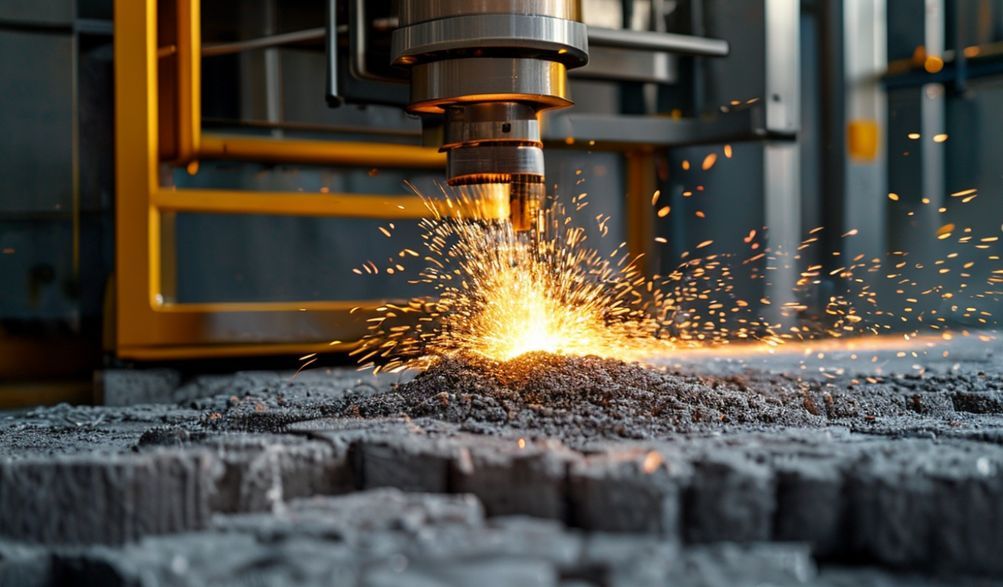
콘크리트 슬래브 블록 제작 기계의 궁극적인 가이드: 종류, 장점 및 선택 방법
소개
세계 건설 산업은 시간과 예산과의 끊임없는 경쟁 속에 있습니다. 수많은 프로젝트—주거용 바닥재와 도시 포장부터 산업용 야드와 경계 벽까지—의 핵심에는 기본 구성 요소인 콘크리트 슬래브와 블록이 자리 잡고 있습니다. 이러한 필수 요소를 위한 전통적인 수동 주조 방식은 느린 생산 속도, 높은 노동 비용, 그리고 질적인 불일치라는 문제로 점점 더 지속하기 어려워지고 있습니다. 계약자, 건설업자, 기업가들에게 이 병목 현상은 수익성과 확장성에 대한 중대한 도전으로 다가옵니다.
현대적 해결책:콘크리트 슬래브 블록 제조기이 설비는 원료 콘크리트 믹스를 정밀하고 고강도의 건축 자재로 탁월한 효율성으로 변환합니다. 이는 프리캐스트 콘크리트 생산의 핵심으로, 속도, 일관성, 비용 관리에 대한 수요에 부응합니다.
이 종합 가이드는 불필요한 정보를 걸러내고자 설계되었습니다. 업계 최선의 관행과 기술적 지식을 바탕으로, 이 혁신적인 기술에 투자하려는 모든 이에게 전문적이고 신뢰할 수 있는 조언을 제공합니다. 생산을 사내로 가져오려는 계약자, 블록 제조 사업을 시작하려는 사업주, 장비를 조달하는 프로젝트 관리자 누구나 다음과 같은 내용을 배우게 될 것입니다:
- 이 기계들이 무엇이며 어떻게 작동하는지.
- 그들이 제공하는 부인할 수 없는 혜택.
- 시장에서 이용 가능한 다양한 유형들.
- 적합한 모델을 선택하기 위한 상세하고 실행 가능한 체크리스트입니다.
- 운영 및 유지보수를 위한 필수 팁.
당신의 다음 현명한 투자를 위한 지식의 기초를 쌓아봅시다.
콘크리트 슬래브 블록 제조 기계란 무엇인가요?
핵심적으로,콘크리트 슬래브 블록 제조기콘크리트 제품 성형의 자동화와 최적화를 위해 설계된 기계화 시스템입니다. 반건조 콘크리트 믹스를 진동과 고압을 결합하여 몰드에 다져 넣어 균일한 슬래브, 블록, 포장석, 연석 및 기타 프리캐스트 부재를 생산합니다.
이 과정은 실행에 있어 정교하지만, 논리적인 순서를 따릅니다.
- 급식원래의 콘크리트 혼합물(시멘트, 골재, 모래, 최소량의 물)이 호퍼에 적재됩니다.
- 성형:혼합물은 특정한 모양과 크기의 몰드나 캐비티로 옮겨집니다.
- 압축:이것이 바로 결정적인 단계입니다. 강력한 진동 모터가 혼합물을 안정시켜 공기 주머니를 제거하는 동시에, 유압 또는 기계식 프레스가 상당한 하향 압력(톤 단위로 측정됨)을 가합니다. 이러한 이중 작용은 최대의 밀도와 강도를 보장합니다.
- 이젝션새로 성형되고 다져진 블록은 몰드에서 들어 올려지거나 밀려나 팔레트나 바닥에 놓입니다.
- 치유:블록은 그 후 양생 구역으로 옮겨져, 종종 증기나 물 분사를 통해 조절된 수화 과정을 거쳐 시간이 지남에 따라 강도를 얻습니다.
주요 응용 분야이 기계들의 규모는 방대합니다:
* 건설:벽체용 블록, 철근 구조용 중공 블록, 바닥 시스템용 대형 슬래브 생산.
* 인프라 및 조경:포장용 돌, 진입로와 산책로용 인터록 타일, 연석, 그리고 옹벽 블록 제조.
* 상업적 생산건설 산업에 표준화된 프리캐스트 콘크리트 제품을 공급하는 공장의 주요 장비 역할을 합니다.
블록 제작 기계 사용의 주요 이점
블록 제작 기계에 투자하는 것은 단순한 구매가 아닙니다. 이는 전체 운영에 영향을 미치는 전략적 결정입니다. 이 투자를 이끄는 핵심적인 장점들을 소개합니다.
뛰어난 효율성과 생산성
- 속도기계는 생산 사이클(충전, 다지기, 배출)을 몇 초 만에 완료하여, 수동 작업팀이 하루 종일 걸릴 수 있는 작업량을 한 시간 안에 생산합니다.
- 볼륨:지속적인 운영을 위해 설계된 이 기계들은 교대 근무당 수천 개의 균일한 블록을 생산할 수 있어, 대규모 프로젝트의 마감 기한을 맞추거나 공급 사업을 손쉽게 확장할 수 있게 해줍니다.
최고의 품질과 일관성
- 균일성:생산되는 모든 블록은 동일한 치수, 무게 및 밀도를 가지고 있습니다. 이러한 정밀도를 수작업으로 일관되게 달성하는 것은 불가능합니다.
- 고강도:控制下的高压压实工艺所生产的砌块具有优异的抗压强度,满足或超越行业标准(如ASTM或IS规范)对承重应用的要求。
- 폐기물 감소정밀한 재료 계측과 일관된 출력은 불량품 및 재료 낭비를 최소화합니다.
비용 절감 효과
- 노동 최적화一台由小团队操作的机器取代了大量人工劳动力,大幅降低了长期劳动力成本和依赖性。
- 자재 효율성최적화된 배합 설계와 폐기물 감소로 블록당 원자재 비용이 절감됩니다.
- 하위 재작업 Consistent quality means fewer call-backs, repairs, or replacements on-site, protecting your project’s bottom line.
Operational Versatility
- 제품 라인업: With interchangeable molds, a single machine can often produce a variety of products—from solid and hollow blocks to interlocking pavers and slabs of different thicknesses.
- Scale Adaptation: Machines are available for every scale, from small, mobile units for on-site projects to fully automated production lines for industrial plants.
Types of Concrete Block Making Machines
Understanding the classifications is crucial to narrowing your search. Machines are typically categorized by their level of automation, mobility, and output.
작동 방식: 수동, 반자동, 완전 자동
- 수동 기계: Require significant human effort for feeding, compaction (often via a lever), and ejection. They are low-cost and suitable for very small-scale or start-up ventures with minimal output needs (e.g., a few hundred blocks per day).
- 반자동 기계: The most common choice for small to medium businesses. Key processes like vibration and compaction are powered (electric or diesel), but mold filling and block removal may require operator intervention. They offer an excellent balance of output, affordability, and control.
- 완전 자동 기계: These are computer-controlled production lines. They feature automated material batching, feeding, compaction, block ejection, stacking, and pallet return. While representing a higher initial investment, they maximize output (thousands of blocks per hour) with minimal labor and unparalleled consistency.
By Production Method: Stationary vs. Mobile
- 고정식 블록 제조 기계 These are fixed installations, typically found in a factory or dedicated production yard. They are designed for high-volume, continuous output and are often the core of semi- or fully-automatic production lines.
- Mobile Block Making Machines (Egg-Laying Type): These self-contained units can produce blocks directly on the ground at a construction site. As they move forward, they “lay” cured blocks behind them, eliminating the need for block transportation. This is a game-changer for large, remote projects, saving substantial logistics costs.
By Block Type: Slab, Paver, Hollow Block, and Interlocking Block Machines
While many machines are multi-purpose with mold changes, some are optimized for specific products:
* Slab Making Machines: Designed for larger, flatter products like paving slabs or flooring panels, often with larger mold tables and specific vibration systems.
* 포장 블록 제작 기계: Focus on producing smaller, high-density paving stones, frequently with color feeder attachments for surface coloring.
* 홀로우 블록 기계: Feature mold cores to create the hollow cavities in blocks used for reinforced construction, offering material savings and insulation properties.
* 인터록킹 블록 머신: Produce blocks with designed tongues and grooves that fit together without mortar, ideal for dry-stack walls and paving systems.
How to Choose the Right Machine: A Buyer’s Checklist
Making the wrong choice can be a costly mistake. Use this expert checklist to guide your evaluation and ensure your investment aligns perfectly with your goals.
Assess Your Production Requirements
Start by asking the fundamental questions:
* What is my required daily or hourly output (e.g., 2,000 blocks/day)?
* What specific products do I need to make (size, type, thickness)?
* Is this for a single project또는continuous commercial production?
* What is the available space for the machine and curing area?
Evaluate Machine Specifications & Features
Look beyond the marketing and scrutinize the technical details:
* 압력 힘 (톤수) Higher tonnage (e.g., 150 tons vs. 50 tons) generally means higher block density and strength.
* 진동 시스템 Consider the power (kW/HP) and frequency. A dual vibration system (both vertical and horizontal) often yields better compaction.
* 사이클 타임: How many seconds for one complete production cycle? This directly dictates maximum output.
* Mold Compatibility & Changeover Time: Can it accept the molds you need? How quickly and easily can molds be swapped?
* 주요 특징: Look for automation aids like automatic feeders, concrete mixers, and block stackers, which significantly boost productivity.
Consider Power Source & Infrastructure
- 전원 공급 장치 Electric motors are cleaner and cheaper to run in fixed locations with grid access. Diesel engines offer mobility and independence from the power grid, ideal for remote sites.
- Site Needs: Ensure your location has the necessary space, a level and strong concrete foundation, and the required electrical connection (voltage, phase) for the machine.
Factor in Total Cost of Ownership
The purchase price is just the beginning. Consider:
* Installation & Commissioning costs.
* Regular Maintenance and the cost/availability of spare parts (wear parts like mold liners, springs, and hydraulic seals).
* Energy Consumption (electricity or diesel).
* The quality and cost of supplier support (training, service visits).
Vet the Manufacturer for Reliability
This is perhaps the most critical step for long-term success.
* Reputation & History: Research the manufacturer’s track record. How long have they been in business? Look for customer testimonials and case studies.
* 보증: What is covered and for how long? A comprehensive warranty indicates confidence in product quality.
* 애프터 서비스: Is there local or readily available technical support? Can they provide timely spare parts? Will they offer proper installation and operator training?
* 준수 Does the machinery meet relevant safety and quality standards?
Essential Tips for Operation and Maintenance
To protect your investment and ensure peak performance, proper operation and maintenance are non-negotiable.
Best Practices for Optimal Operation
- Mix Design is Key: Use a consistent, semi-dry concrete mix with the correct ratio of cement, sand, and aggregates (e.g., a standard 1:3:5 ratio is a starting point). The mix must be just wet enough to bind but dry enough to hold its shape immediately after ejection.
- Proper Curing: Do not neglect this step. Freshly ejected blocks are fragile. They must be kept moist (via water spraying or steam curing) for several days to achieve their design strength.
- Follow the Manual: Adhere strictly to the manufacturer’s recommended procedures for machine setup, operation, and safety.
Routine Maintenance Schedule
A small amount of preventative care prevents major downtime.
* Daily: Clean the mold, hopper, and feed system thoroughly after each shift. Check for loose bolts and nuts. Inspect hydraulic hoses for leaks.
* Weekly: Lubricate all moving parts as specified. Check the vibration motors and electrical connections.
* Monthly: Inspect wear parts like mold liners, springs, and pressure heads. Check hydraulic oil levels and filters.
Troubleshooting Common Issues
- Poor Surface Finish/Sticking Blocks: Often caused by a worn mold, insufficient vibration, or an incorrect (too wet) concrete mix.
- Low Block Density/Strength: Usually due to insufficient compaction pressure, a short vibration time, or an improper mix design with too much water or insufficient cement.
- Block Breaking During Ejection: Can be caused by a misaligned mold, damaged pallets, or, again, a mix that is too wet.
자주 묻는 질문 (FAQ)
Q1: What is the average production capacity of a standard block making machine?
A: Capacity varies enormously. A small manual machine may produce 800-1500 blocks in an 8-hour shift. A semi-automatic model can produce 2000-5000 blocks, while a fully automatic line can exceed 10,000 blocks per shift. The specific block size, machine model, and cycle time are the determining factors.
Q2: Can one machine produce different sizes of blocks and slabs?
A: Yes, in most cases. The key is 교환 가능한 몰드. When evaluating a machine, confirm that the manufacturer offers a range of compatible molds for the products you need and that the mold changeover process is manageable for your operation.
Q3: What is the typical cost range for a concrete slab block making machine?
A: Prices can range from a few thousand dollars for a basic manual machine to tens or even hundreds of thousands for a high-output, fully automatic production line with auxiliary equipment. It is essential to get detailed quotes based on your specific required specifications and features.
Q4: How important is after-sales service when purchasing?
A: It is absolutely critical. A machine is a long-term asset. Reliable after-sales service—including installation guidance, operator training, readily available spare parts, and responsive technical support—is what ensures your machine runs smoothly for years, protecting your return on investment and business continuity.
Q5: What raw materials are needed besides the machine?
A: The primary materials are Portland cement, fine aggregate (sand), coarse aggregate (gravel or crushed stone), and water. For colored products, you will need concrete color pigments (iron oxide pigments are common). Some operations also use plasticizers or other admixtures to enhance mix workability or block properties.
결론
그콘크리트 슬래브 블록 제조기 stands as a transformative force in construction and manufacturing, decisively solving the age-old problems of inefficiency, inconsistency, and high cost associated with manual block production. By automating the core process of compaction, it unlocks new levels of productivity, quality, and profitability.
Your path to success lies in making an informed, strategic choice. Avoid the temptation to simply select the cheapest model. Instead, rigorously apply the buyer’s checklist provided in this guide—aligning the machine’s capabilities with your specific production needs, budget, and operational context. Remember, partnering with a reputable, supportive manufacturer is just as important as the technical specifications of the machine itself. Invest in proper training for your team and commit to a disciplined maintenance routine.
Ready to take the next step? We recommend contacting several trusted suppliers with your detailed requirements to obtain comparative quotes and, if possible, arrange live demonstrations. This due diligence is the final, crucial step in securing the right equipment to build the foundation for your future growth.
<