
Gid Komplè pou Machin Fè Blòk Slab Beton: Kalite, Avantaj & Ki Jan Pou Chwazi
Entwodiksyon
Endistri konstriksyon mondyal la ap fè yon kous kont tan ak bidjè san rete. Nan nwayo anpil pwojè—soti nan planche rezidansyèl ak pave iben, rive nan lakou endistriyèl ak mi fwontyè—gen yon eleman fondamantal: dal ak blòk beton an. Metòd tradisyonèl, manyèl pou fòme eleman esansyèl sa yo vin de pli zan pli enstab, akoz pwodiksyon ki lant, pri travay ki wo, ak enkonsistans agasan nan kalite. Pou kontraktè, bòs mason, ak antreprenè, goulòt sa a reprezante yon defi enpòtan pou pwofi ak posiblite agrandisman.
Solisyòn modèn nan:machin pou fè blòk dal betonEkipman sa a, ki fèt ak anpil konesans, transfòme melanj beton anvan li fin pran fòm an inite konstriksyon egzak ak gwo rezistans, ak yon efikasite remakab. Li se baz fondamantal pou pwodiksyon beton prefabrike, ki reponn a demann pou vitès, konsistans, ak kontwòl pri.
Gid konplè sa a fèt pou bay enfòmasyon klè san distraksyon. Li baze sou pi bon pratik endistri yo ak konesans teknik, epi nou ofri konsèy espesyalize ak serye pou nenpòt moun ki vle envesti nan teknoloji transfòmatè sa a. Kit ou se yon kontraktè ki vle pwodwi nan pwòp biznis ou, yon pwopriyetè biznis ki ap lanse yon antrepriz fabrikasyon blòk, oswa yon manadjè pwojè k ap chache ekipman, w ap aprann:
- Kisa machin sa yo ye ak kijan yo fonksyone.
- Avantaj yo bay yo, yo pa ka nye.
- Kalite diferan ki disponib sou mache a.
- Yon lis detaye ak pratik pou chwazi bon modèl la.
- Konsèy esansyèl pou operasyon ak antretyen.
Ann bati yon fondasyon konesans pou pwochen envestisman entelijan ou.
Kisa yon Machin pou Fè Blòk Dlo?
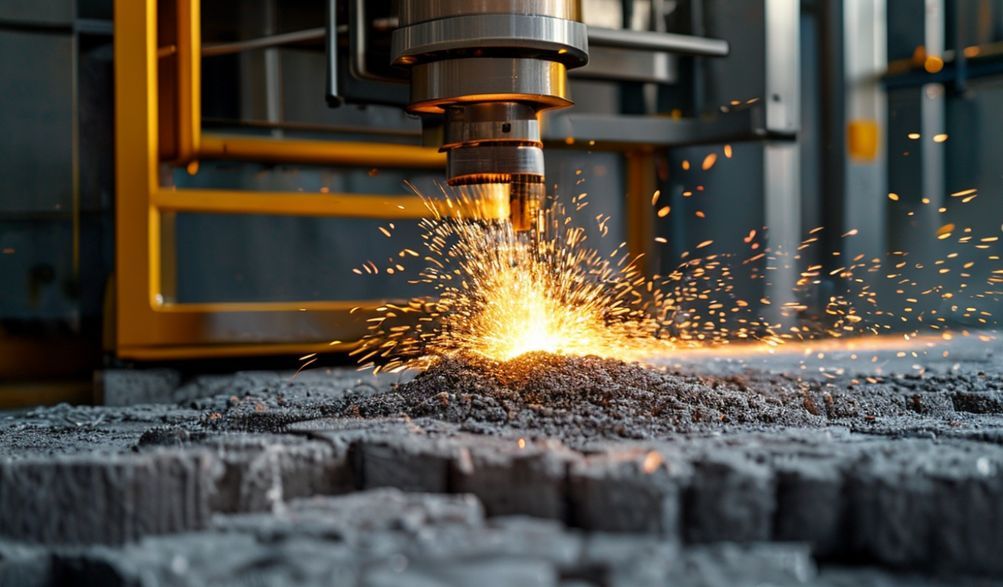
Nan nwayo li, yonmachin pou fè blòk dal betonse yon sistèm mekanize ki fèt pou otomatize ak optimize fòmasyon pwodwi beton. Li itilize yon konbinezon de vibrasyon ak gwo presyon pou konpakte yon melanj beton semi-sèk nan yon mwazi, ki pwodui dal inifòm, blòk, pave, wòch bò wout, ak lòt eleman pre-fabrike.
Pwosesis la, byenke sofistike nan ekzekisyon li, swiv yon sekans lojik:
- Manje:Melanj beton an (siman, agrega, sab, ak yon ti dlo) chaje nan yon tremi.
- Moulaj:Melanj la transfere nan yon mwazi oswa yon kavite ki gen yon fòm ak yon gwosè espesifik.
- Konpaksyon:Sa se faz kritik la. Motè vibrasyon pwisan yo fè melanj la estab, elimine bul lè yo, pandan yon prez idwolik oswa mekanik ap aplike yon fòs desandan konsiderab (ki mezire an tòn). Aksyon doub sa a asire dansite ak fòs maksimòm.
- Ejeksyon:Blòk ki fèk fòme a, ki konpak, leve oswa pouse soti nan mòl la sou yon palèt oswa atè a.
- Gerizon:Blòk yo Lè sa a, deplase nan yon zòn trete, kote yo vin pi fò ak tan atravè idratasyon kontwole, souvan ede ak vapè oswa espre dlo.
Aplikasyon prensipal yopou machin sa yo se vas:
* Konstriksyon:Pwodwi blòk pou mi yo, blòk vid pou konstriksyon ranfòse, ak gwo dal pou sistèm planche yo.
* Enfrastrikti ak Peyizaj:Fabrikasyon wòch pave, mozayik antrebloke pou ale machin ak pasaj, bòdwate, ak inite mi ranfò.
* Pwodiksyon Komèsyal:Sèvi kòm ekipman prensipal pou faktori ki dedye a bay endistri konstriksyon an pwodwi beton prefabrike estanda.
Avantaj Prensipal Pou Itilize Yon Machin Pou Fè Blòk
Envèstir nan yon machin pou fè blòk se pa senpleman yon acha; se yon desizyon estratejik ki afekte tout operasyon ou an. Men avantaj prensipal yo ki motive envèstisman sa a.
Efikasite ak Pwodiktivite San Pè
- Vitès:Machin yo konplete yon sik pwodiksyon (ranpli, konpakte, voye deyò) nan kèk segonn, yo pwodwi nan yon èdtan sa ki ta ka pran yon ekip manyèl yon jou antye.
- Volim:Konsepsyon yo fèt pou opere san rete, machin sa yo kapab pwodwi dè milye blòk inifòm pa chan, sa ki pèmèt ou satisfè dat limit gwo pwojè oswa ogmantè biznis apwovizyon ou an san pwoblèm.
Bon jan kalite ak konsistans
- Inifòmite: Every block produced has identical dimensions, weight, and density. This precision is impossible to achieve consistently with manual labor.
- Fòs segondè: The controlled, high-pressure compaction results in blocks with excellent compressive strength, meeting or exceeding industry standards (like ASTM or IS codes) for load-bearing applications.
- Reduced Waste: Precise material measurement and consistent output minimize rejected units and material spillage.
Significant Cost Reduction
- Optimizasyon Travay: One machine operated by a small team replaces a large manual workforce, drastically reducing long-term labor costs and dependency.
- Efikasite Materyèl: Optimized mix designs and reduced waste lower raw material costs per block.
- Lower Rework: Consistent quality means fewer call-backs, repairs, or replacements on-site, protecting your project’s bottom line.
Operational Versatility
- Seri Pwodwi: With interchangeable molds, a single machine can often produce a variety of products—from solid and hollow blocks to interlocking pavers and slabs of different thicknesses.
- Scale Adaptation: Machines are available for every scale, from small, mobile units for on-site projects to fully automated production lines for industrial plants.
Kalite Machin pou Fè Blòk Beton
Understanding the classifications is crucial to narrowing your search. Machines are typically categorized by their level of automation, mobility, and output.
Pa Operasyon: Manyèl, Semi-Otomatik, ak Otomatik Konplè
- Machin Manyèl: Require significant human effort for feeding, compaction (often via a lever), and ejection. They are low-cost and suitable for very small-scale or start-up ventures with minimal output needs (e.g., a few hundred blocks per day).
- Machin Semi-Otomatik: The most common choice for small to medium businesses. Key processes like vibration and compaction are powered (electric or diesel), but mold filling and block removal may require operator intervention. They offer an excellent balance of output, affordability, and control.
- Machin Otomatik Konplè: These are computer-controlled production lines. They feature automated material batching, feeding, compaction, block ejection, stacking, and pallet return. While representing a higher initial investment, they maximize output (thousands of blocks per hour) with minimal labor and unparalleled consistency.
By Production Method: Stationary vs. Mobile
- Machin pou fè blòk estasyonè: These are fixed installations, typically found in a factory or dedicated production yard. They are designed for high-volume, continuous output and are often the core of semi- or fully-automatic production lines.
- Mobile Block Making Machines (Egg-Laying Type): These self-contained units can produce blocks directly on the ground at a construction site. As they move forward, they “lay” cured blocks behind them, eliminating the need for block transportation. This is a game-changer for large, remote projects, saving substantial logistics costs.
By Block Type: Slab, Paver, Hollow Block, and Interlocking Block Machines
While many machines are multi-purpose with mold changes, some are optimized for specific products:
* Slab Making Machines: Designed for larger, flatter products like paving slabs or flooring panels, often with larger mold tables and specific vibration systems.
* Machin pou Fè Pave: Focus on producing smaller, high-density paving stones, frequently with color feeder attachments for surface coloring.
* Machin pou Blòk Vid: Feature mold cores to create the hollow cavities in blocks used for reinforced construction, offering material savings and insulation properties.
* Blòk Entèloke Machin Produce blocks with designed tongues and grooves that fit together without mortar, ideal for dry-stack walls and paving systems.
How to Choose the Right Machine: A Buyer’s Checklist
Making the wrong choice can be a costly mistake. Use this expert checklist to guide your evaluation and ensure your investment aligns perfectly with your goals.
Assess Your Production Requirements
Start by asking the fundamental questions:
* What is my required daily or hourly output (e.g., 2,000 blocks/day)?
* What specific products do I need to make (size, type, thickness)?
* Is this for a single projectoswacontinuous commercial production?
* What is the available space for the machine and curing area?
Evaluate Machine Specifications & Features
Look beyond the marketing and scrutinize the technical details:
* Fòs Pweson (Tònaj): Higher tonnage (e.g., 150 tons vs. 50 tons) generally means higher block density and strength.
* Sistèm Vibration: Consider the power (kW/HP) and frequency. A dual vibration system (both vertical and horizontal) often yields better compaction.
* Tan Sik How many seconds for one complete production cycle? This directly dictates maximum output.
* Mold Compatibility & Changeover Time: Can it accept the molds you need? How quickly and easily can molds be swapped?
* Karakteristik Kle yo: Look for automation aids like automatic feeders, concrete mixers, and block stackers, which significantly boost productivity.
Consider Power Source & Infrastructure
- Sous Pouvwa: Electric motors are cleaner and cheaper to run in fixed locations with grid access. Diesel engines offer mobility and independence from the power grid, ideal for remote sites.
- Site Needs: Ensure your location has the necessary space, a level and strong concrete foundation, and the required electrical connection (voltage, phase) for the machine.
Factor in Total Cost of Ownership
The purchase price is just the beginning. Consider:
* Installation & Commissioning costs.
* Regular Maintenance and the cost/availability of spare parts (wear parts like mold liners, springs, and hydraulic seals).
* Konsomasyon Enèji (electricity or diesel).
* The quality and cost of supplier support (training, service visits).
Vet the Manufacturer for Reliability
This is perhaps the most critical step for long-term success.
* Reputation & History: Research the manufacturer’s track record. How long have they been in business? Look for customer testimonials and case studies.
* Garanti: What is covered and for how long? A comprehensive warranty indicates confidence in product quality.
* Sèvis Apre Vann: Is there local or readily available technical support? Can they provide timely spare parts? Will they offer proper installation and operator training?
* Konfòmite: Does the machinery meet relevant safety and quality standards?
Essential Tips for Operation and Maintenance
To protect your investment and ensure peak performance, proper operation and maintenance are non-negotiable.
Best Practices for Optimal Operation
- Mix Design is Key: Use a consistent, semi-dry concrete mix with the correct ratio of cement, sand, and aggregates (e.g., a standard 1:3:5 ratio is a starting point). The mix must be just wet enough to bind but dry enough to hold its shape immediately after ejection.
- Proper Curing: Do not neglect this step. Freshly ejected blocks are fragile. They must be kept moist (via water spraying or steam curing) for several days to achieve their design strength.
- Follow the Manual: Adhere strictly to the manufacturer’s recommended procedures for machine setup, operation, and safety.
Routine Maintenance Schedule
A small amount of preventative care prevents major downtime.
* Daily: Clean the mold, hopper, and feed system thoroughly after each shift. Check for loose bolts and nuts. Inspect hydraulic hoses for leaks.
* Weekly: Lubricate all moving parts as specified. Check the vibration motors and electrical connections.
* Monthly: Inspect wear parts like mold liners, springs, and pressure heads. Check hydraulic oil levels and filters.
Troubleshooting Common Issues
- Poor Surface Finish/Sticking Blocks: Often caused by a worn mold, insufficient vibration, or an incorrect (too wet) concrete mix.
- Low Block Density/Strength: Usually due to insufficient compaction pressure, a short vibration time, or an improper mix design with too much water or insufficient cement.
- Block Breaking During Ejection: Can be caused by a misaligned mold, damaged pallets, or, again, a mix that is too wet.
Kesyon yo poze souvan (FAQ)
Q1: What is the average production capacity of a standard block making machine?
A: Capacity varies enormously. A small manual machine may produce 800-1500 blocks in an 8-hour shift. A semi-automatic model can produce 2000-5000 blocks, while a fully automatic line can exceed 10,000 blocks per shift. The specific block size, machine model, and cycle time are the determining factors.
Q2: Can one machine produce different sizes of blocks and slabs?
A: Yes, in most cases. The key is interchangeable molds. When evaluating a machine, confirm that the manufacturer offers a range of compatible molds for the products you need and that the mold changeover process is manageable for your operation.
Q3: What is the typical cost range for a concrete slab block making machine?
A: Prices can range from a few thousand dollars for a basic manual machine to tens or even hundreds of thousands for a high-output, fully automatic production line with auxiliary equipment. It is essential to get detailed quotes based on your specific required specifications and features.
Q4: How important is after-sales service when purchasing?
A: It is absolutely critical. A machine is a long-term asset. Reliable after-sales service—including installation guidance, operator training, readily available spare parts, and responsive technical support—is what ensures your machine runs smoothly for years, protecting your return on investment and business continuity.
Q5: What raw materials are needed besides the machine?
A: The primary materials are Portland cement, fine aggregate (sand), coarse aggregate (gravel or crushed stone), and water. For colored products, you will need concrete color pigments (iron oxide pigments are common). Some operations also use plasticizers or other admixtures to enhance mix workability or block properties.
Konklizyon
Amachin pou fè blòk dal beton stands as a transformative force in construction and manufacturing, decisively solving the age-old problems of inefficiency, inconsistency, and high cost associated with manual block production. By automating the core process of compaction, it unlocks new levels of productivity, quality, and profitability.
Your path to success lies in making an informed, strategic choice. Avoid the temptation to simply select the cheapest model. Instead, rigorously apply the buyer’s checklist provided in this guide—aligning the machine’s capabilities with your specific production needs, budget, and operational context. Remember, partnering with a reputable, supportive manufacturer is just as important as the technical specifications of the machine itself. Invest in proper training for your team and commit to a disciplined maintenance routine.
Ready to take the next step? We recommend contacting several trusted suppliers with your detailed requirements to obtain comparative quotes and, if possible, arrange live demonstrations. This due diligence is the final, crucial step in securing the right equipment to build the foundation for your future growth.
<