
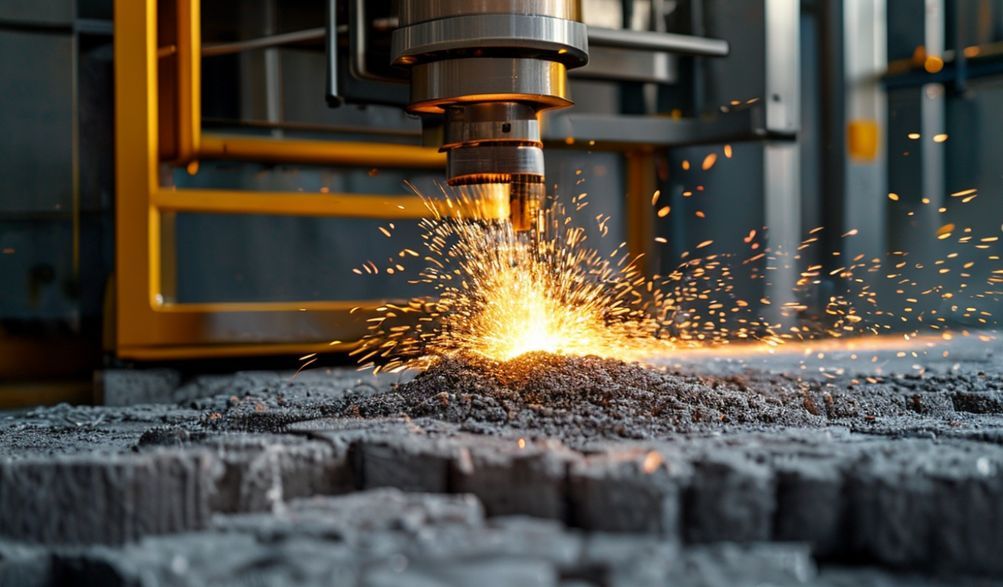
Panduan Muktamad untuk Mesin Pembuat Blok Papak Konkrit: Jenis, Faedah & Cara Memilih
Pengenalan
Industri pembinaan global berada dalam perlumbaan berterusan menentang masa dan belanjawan. Di teras projek-projek yang tidak terkira—dari lantai kediaman dan laluan pejalan kaki bandar ke halaman industri dan tembok sempadan—terletak komponen asas: papak dan blok konkrit. Kaedah tuangan manual tradisional untuk elemen penting ini semakin tidak dapat dipertahankan, dilanda oleh pengeluaran perlahan, kos buruh tinggi, dan ketidakkonsistenan kualiti yang mengecewakan. Bagi kontraktor, pembina, dan usahawan, halangan ini mewakili cabaran besar terhadap keuntungan dan kebolehskalaan.
Masuki penyelesaian moden:mesin pembuatan blok papak konkritPeralatan yang direkayasa ini mengubah campuran konkrit mentah menjadi unit binaan berketepatan tinggi dan kekuatan tinggi dengan kecekapan yang luar biasa. Ia merupakan asas utama dalam pengeluaran konkrit pratuang, memenuhi permintaan untuk kelajuan, konsistensi, dan kawalan kos.
Panduan komprehensif ini direka untuk memotong segala kekeliruan. Dengan merujuk amalan terbaik industri dan pengetahuan teknikal, kami menyediakan nasihat pakar yang boleh dipercayai untuk sesiapa yang ingin melabur dalam teknologi transformatif ini. Sama ada anda seorang kontraktor yang ingin membawa pengeluaran secara dalaman, pemilik perniagaan yang melancarkan usaha pembuatan blok, atau pengurus projek yang mencari peralatan, anda akan belajar:
- Apakah mesin-mesin ini dan bagaimana ia berfungsi.
- Manfaat yang tidak dapat dinafikan yang mereka berikan.
- Jenis-jenis yang berbeza terdapat di pasaran.
- Senarai semak terperinci dan boleh dilaksanakan untuk memilih model yang tepat.
- Petua penting untuk operasi dan penyelenggaraan.
Mari kita bina asas pengetahuan untuk pelaburan bijak anda seterusnya.
Apakah itu Mesin Pembuat Blok Papak Konkrit?
Pada terasnya, sebuahmesin pembuatan blok papak konkritadalah sistem bermekanikal yang direka untuk mengautomasikan dan mengoptimumkan pembentukan produk konkrit. Ia menggunakan gabungan getaran dan tekanan tinggi untuk memadatkan campuran konkrit separa kering ke dalam acuan, menghasilkan papak, blok, batu paver, batu tepi jalan, dan elemen pratuang lain yang seragam.
Proses ini, meskipun canggih dalam pelaksanaannya, mengikuti urutan yang logis:
- Pemberian Makan:Campuran konkrit mentah (simen, agregat, pasir, dan air minimum) dimuatkan ke dalam corong.
- Pembentukan:Campuran itu dipindahkan ke dalam acuan atau rongga yang berbentuk dan bersaiz tertentu.
- Pemadatan:Ini adalah fasa kritikal. Motor getaran berkuasa mengukuhkan campuran, menghapuskan poket udara, sementara akhbar hidraulik atau mekanikal mengenakan daya menurun yang besar (diukur dalam tan). Tindakan dwi ini memastikan ketumpatan dan kekuatan maksimum.
- Pengusiran:Blok yang baru terbentuk dan dipadatkan diangkat atau didorong keluar dari acuan ke atas palet atau tanah.
- Penyembuhan:Blok-blok kemudian dipindahkan ke kawasan pengawetan, di mana mereka memperoleh kekuatan dari masa ke masa melalui penghidratan terkawal, selalunya dibantu dengan pengabusan wap atau penyemburan air.
Aplikasi utamakerana mesin-mesin ini sangat luas:
* Pembinaan:Menghasilkan blok untuk dinding, blok berongga untuk pembinaan bertetulang, dan papak besar untuk sistem lantai.
* Infrastruktur & Lanskap:Pembuatan batu bata turap, jubin saling kunci untuk jalan masuk dan laluan pejalan kaki, kerb, dan unit dinding penahan.
* Pengeluaran Komersial:Berfungsi sebagai peralatan utama untuk kilang-kilang yang dikhaskan untuk membekalkan industri pembinaan dengan produk konkrit pasang siap yang piawai.
Kelebihan Utama Menggunakan Mesin Pembuat Blok
Melabur dalam mesin pembuat blok bukan sekadar pembelian; ia adalah keputusan strategik yang memberi kesan kepada keseluruhan operasi anda. Berikut adalah kelebihan teras yang mendorong pelaburan ini.
Kecekapan & Produktiviti Tiada Tandingan
- Kelajuan:Mesin melengkapkan satu kitaran pengeluaran (mengisi, memadatkan, mengeluarkan) dalam beberapa saat, menghasilkan dalam sejam apa yang mungkin mengambil masa sehari penuh untuk pasukan manual.
- Isipadu:Direka untuk operasi berterusan, mesin-mesin ini mampu menghasilkan ribuan blok seragam setiap syif, membolehkan anda memenuhi tarikh akhir projek besar atau mengembangkan perniagaan bekalan anda dengan mudah.
Kualiti dan Konsistensi Unggul
- Keseragaman:Setiap blok yang dihasilkan mempunyai dimensi, berat, dan ketumpatan yang serupa. Ketepatan ini mustahil dicapai secara konsisten dengan tenaga kerja manual.
- Kekuatan Tinggi:Pemadatan terkawal bertekanan tinggi menghasilkan blok dengan kekuatan mampatan yang sangat baik, memenuhi atau melebihi piawaian industri (seperti kod ASTM atau IS) untuk aplikasi beban galas.
- Sisa Dikurangkan:Pengukuran bahan yang tepat dan keluaran yang konsisten mengurangkan unit yang ditolak dan tumpahan bahan.
Pengurangan Kos yang Ketara
- Pengoptimuman Tenaga Kerja:Satu mesin yang dikendalikan oleh pasukan kecil menggantikan tenaga kerja manual yang besar, mengurangkan kos buruh jangka panjang dan pergantungan secara drastik.
- Kecekapan Bahan:Reka bentuk campuran yang dioptimumkan dan pengurangan sisa menurunkan kos bahan mentah setiap blok.
- Kurangkan Kerja Semula:Kualiti yang konsisten bermaksud kurang panggilan semula, pembaikan, atau penggantian di tapak, melindungi keuntungan projek anda.
Kepelbagaian Operasi
- Julat Produk:Dengan acuan yang boleh ditukar ganti, satu mesin selalunya boleh menghasilkan pelbagai jenis produk—daripada blok pejal dan berongga kepada penurap saling mengunci serta papak dengan ketebalan yang berbeza.
- Penyesuaian SkalaMesin tersedia untuk setiap skala, dari unit mudah alih yang kecil untuk projek di tapak hingga ke barisan pengeluaran automatik sepenuhnya untuk loji perindustrian.
Jenis-jenis Mesin Pembuat Blok Konkrit
Memahami klasifikasi adalah penting untuk menyempitkan carian anda. Mesin biasanya dikategorikan mengikut tahap automasi, mobiliti, dan keluarannya.
By Operation: Manual, Semi-Automatic, and Fully Automatic
- Mesin Manual: Require significant human effort for feeding, compaction (often via a lever), and ejection. They are low-cost and suitable for very small-scale or start-up ventures with minimal output needs (e.g., a few hundred blocks per day).
- Mesin Semi-Automatik: The most common choice for small to medium businesses. Key processes like vibration and compaction are powered (electric or diesel), but mold filling and block removal may require operator intervention. They offer an excellent balance of output, affordability, and control.
- Mesin Sepenuhnya Automatik: These are computer-controlled production lines. They feature automated material batching, feeding, compaction, block ejection, stacking, and pallet return. While representing a higher initial investment, they maximize output (thousands of blocks per hour) with minimal labor and unparalleled consistency.
By Production Method: Stationary vs. Mobile
- Mesin Pembuatan Blok Stesen: These are fixed installations, typically found in a factory or dedicated production yard. They are designed for high-volume, continuous output and are often the core of semi- or fully-automatic production lines.
- Mobile Block Making Machines (Egg-Laying Type): These self-contained units can produce blocks directly on the ground at a construction site. As they move forward, they “lay” cured blocks behind them, eliminating the need for block transportation. This is a game-changer for large, remote projects, saving substantial logistics costs.
By Block Type: Slab, Paver, Hollow Block, and Interlocking Block Machines
While many machines are multi-purpose with mold changes, some are optimized for specific products:
* Slab Making Machines: Designed for larger, flatter products like paving slabs or flooring panels, often with larger mold tables and specific vibration systems.
* Mesin Pembuat Paver: Focus on producing smaller, high-density paving stones, frequently with color feeder attachments for surface coloring.
* Mesin Blok Berongga: Feature mold cores to create the hollow cavities in blocks used for reinforced construction, offering material savings and insulation properties.
* Interlocking Block Machines: Produce blocks with designed tongues and grooves that fit together without mortar, ideal for dry-stack walls and paving systems.
Cara Memilih Mesin yang Tepat: Senarai Semak Pembeli
Making the wrong choice can be a costly mistake. Use this expert checklist to guide your evaluation and ensure your investment aligns perfectly with your goals.
Assess Your Production Requirements
Start by asking the fundamental questions:
* What is my required daily or hourly output (e.g., 2,000 blocks/day)?
* What specific products do I need to make (size, type, thickness)?
* Is this for a single projectataucontinuous commercial production?
* What is the available space for the machine and curing area?
Evaluate Machine Specifications & Features
Look beyond the marketing and scrutinize the technical details:
* Daya Tekanan (Tonase): Higher tonnage (e.g., 150 tons vs. 50 tons) generally means higher block density and strength.
* Sistem Getaran: Consider the power (kW/HP) and frequency. A dual vibration system (both vertical and horizontal) often yields better compaction.
* Masa Kitaran: How many seconds for one complete production cycle? This directly dictates maximum output.
* Mold Compatibility & Changeover Time: Can it accept the molds you need? How quickly and easily can molds be swapped?
* Ciri-ciri Utama: Look for automation aids like automatic feeders, concrete mixers, and block stackers, which significantly boost productivity.
Consider Power Source & Infrastructure
- Sumber Kuasa: Electric motors are cleaner and cheaper to run in fixed locations with grid access. Diesel engines offer mobility and independence from the power grid, ideal for remote sites.
- Site Needs: Ensure your location has the necessary space, a level and strong concrete foundation, and the required electrical connection (voltage, phase) for the machine.
Factor in Total Cost of Ownership
The purchase price is just the beginning. Consider:
* Installation & Commissioning costs.
* Regular Maintenance and the cost/availability of spare parts (wear parts like mold liners, springs, and hydraulic seals).
* Penggunaan Tenaga (electricity or diesel).
* The quality and cost of supplier support (training, service visits).
Vet the Manufacturer for Reliability
This is perhaps the most critical step for long-term success.
* Reputation & History: Research the manufacturer’s track record. How long have they been in business? Look for customer testimonials and case studies.
* Jaminan: What is covered and for how long? A comprehensive warranty indicates confidence in product quality.
* Perkhidmatan Selepas Jualan: Is there local or readily available technical support? Can they provide timely spare parts? Will they offer proper installation and operator training?
* Pematuhan: Does the machinery meet relevant safety and quality standards?
Essential Tips for Operation and Maintenance
To protect your investment and ensure peak performance, proper operation and maintenance are non-negotiable.
Best Practices for Optimal Operation
- Mix Design is Key: Use a consistent, semi-dry concrete mix with the correct ratio of cement, sand, and aggregates (e.g., a standard 1:3:5 ratio is a starting point). The mix must be just wet enough to bind but dry enough to hold its shape immediately after ejection.
- Proper Curing: Do not neglect this step. Freshly ejected blocks are fragile. They must be kept moist (via water spraying or steam curing) for several days to achieve their design strength.
- Follow the Manual: Adhere strictly to the manufacturer’s recommended procedures for machine setup, operation, and safety.
Routine Maintenance Schedule
A small amount of preventative care prevents major downtime.
* Daily: Clean the mold, hopper, and feed system thoroughly after each shift. Check for loose bolts and nuts. Inspect hydraulic hoses for leaks.
* Weekly: Lubricate all moving parts as specified. Check the vibration motors and electrical connections.
* Monthly: Inspect wear parts like mold liners, springs, and pressure heads. Check hydraulic oil levels and filters.
Troubleshooting Common Issues
- Poor Surface Finish/Sticking Blocks: Often caused by a worn mold, insufficient vibration, or an incorrect (too wet) concrete mix.
- Low Block Density/Strength: Usually due to insufficient compaction pressure, a short vibration time, or an improper mix design with too much water or insufficient cement.
- Block Breaking During Ejection: Can be caused by a misaligned mold, damaged pallets, or, again, a mix that is too wet.
Soalan Lazim (FAQ)
Q1: What is the average production capacity of a standard block making machine?
A: Capacity varies enormously. A small manual machine may produce 800-1500 blocks in an 8-hour shift. A semi-automatic model can produce 2000-5000 blocks, while a fully automatic line can exceed 10,000 blocks per shift. The specific block size, machine model, and cycle time are the determining factors.
Q2: Can one machine produce different sizes of blocks and slabs?
A: Yes, in most cases. The key is acuan boleh tukar. When evaluating a machine, confirm that the manufacturer offers a range of compatible molds for the products you need and that the mold changeover process is manageable for your operation.
Q3: What is the typical cost range for a concrete slab block making machine?
A: Prices can range from a few thousand dollars for a basic manual machine to tens or even hundreds of thousands for a high-output, fully automatic production line with auxiliary equipment. It is essential to get detailed quotes based on your specific required specifications and features.
Q4: How important is after-sales service when purchasing?
A: It is absolutely critical. A machine is a long-term asset. Reliable after-sales service—including installation guidance, operator training, readily available spare parts, and responsive technical support—is what ensures your machine runs smoothly for years, protecting your return on investment and business continuity.
Q5: What raw materials are needed besides the machine?
A: The primary materials are Portland cement, fine aggregate (sand), coarse aggregate (gravel or crushed stone), and water. For colored products, you will need concrete color pigments (iron oxide pigments are common). Some operations also use plasticizers or other admixtures to enhance mix workability or block properties.
Kesimpulan
Themesin pembuatan blok papak konkrit stands as a transformative force in construction and manufacturing, decisively solving the age-old problems of inefficiency, inconsistency, and high cost associated with manual block production. By automating the core process of compaction, it unlocks new levels of productivity, quality, and profitability.
Your path to success lies in making an informed, strategic choice. Avoid the temptation to simply select the cheapest model. Instead, rigorously apply the buyer’s checklist provided in this guide—aligning the machine’s capabilities with your specific production needs, budget, and operational context. Remember, partnering with a reputable, supportive manufacturer is just as important as the technical specifications of the machine itself. Invest in proper training for your team and commit to a disciplined maintenance routine.
Ready to take the next step? We recommend contacting several trusted suppliers with your detailed requirements to obtain comparative quotes and, if possible, arrange live demonstrations. This due diligence is the final, crucial step in securing the right equipment to build the foundation for your future growth.
<