
Igiceri cya Machine yo Gukora Ibikoresho bya Sima mu Buhinde muri 2026: Umuyoboro Wuzuye w'Umuguzi
Umutungo w’ubwubatsi mu Buhinde uharira ubuhinzi mu gihe gito cyane, ukiringira kuba wa gatatu mu isi ku rwego rw’ubukungu ku mwaka wa 2025. Muri iki kigororwa, hari ikintu cy’ingenzi gifata uruhare—mu by’ukuri. Ishaka ry’amabuye y’imisazi y’igiciro gito kandi ikomeye riragenda ryiyongera, bishishikariza abacura umutungo n’amasosiyete y’ubwubatsi gutanga amafaranga mu makinari yo gukora amabuye. Ariko, gushakisha "igiciro cy’umashini wo gukora amabuye y’imisazi mu Buhinde" bigaragaza amafaranga atandukanye cyane, ava ku ma lakhs make kugeza ku ma crore menshi.
Iyi giherekezi isubiza ibintu mu buryo bworoshye. Ishingiye ku bucukumbuzi bw’imirimo burambuye, ku makuru aturuka mu bucuruzi bw’ibanze, no ku bumenyi bwa nyabyo buturuka mu bikorwa by’abakora mu rwego rw’ubucuruzi, iyi ngingo itanga ibisobanuro bigaragara ku giciro cya 2026. Intego yacu ni ugukora ngo ufate umwanzuro ushingiye ku bumenyi, uguriza mu mudasobwa utanga agaciro nyako—si gusa ku giciro gito—kandi ukumire ibyago by’ibikoresho bihenze cyane cyangwa bidakora neza. Wibuke, akamaro ko “gushaka giciro” mu by’ukuri ni ugushaka agaciro.agaciroGusobanukirwa ibyo bituma igiciro gihinduka n’ibyo ubonye mu byo wishyuye ni kintu gikomeye mu gushaka inyungu mu bihugu.
Gusobanukirwa Imashini z'Ubwubatsi z'ibikoresho by'Simenti: Ibyoko n'Uko Bikoreshwa
Mbere yo kugerageza gusobanukirwa ibiciro, ni ngombwa gusobanukirwa uko ibicuruzwa bigenda. Imashini ikwiye kuri gahunda y’inganda nini itandukanye n’iyo ikwiye kuri gahunda yo kubaka amazu mu cyaro.
Ni iki gikoresho cyubaka ibikoresho bya sima?
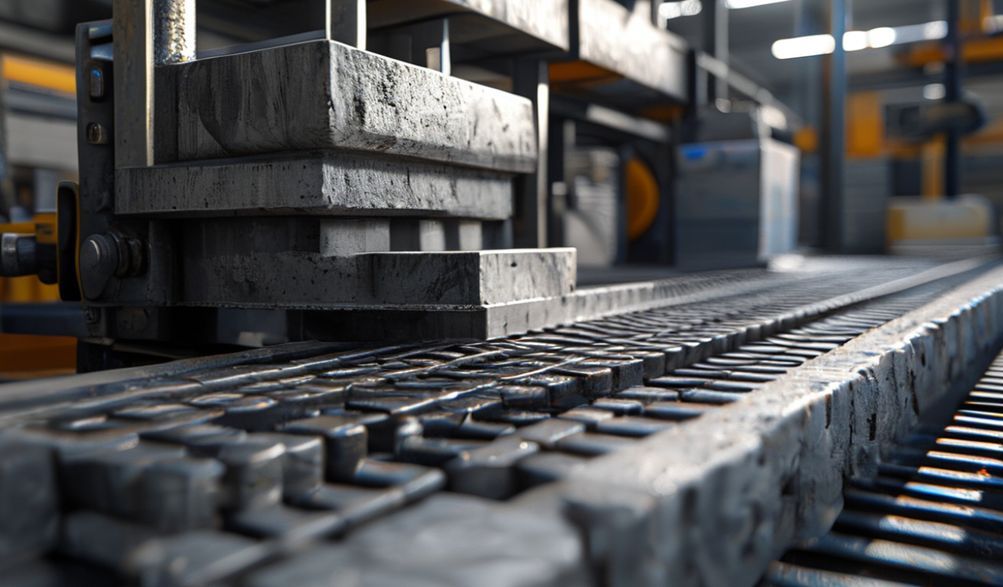
Mashini yo gukora ibyumba bya sima ni igikoresho cyihariye cy’ikoranabuhanga gikora mu buryo bwikora, gikora mu gukora ibyumba bya sima (umuvange wa sima, umusenyi, amabuye y’imisase, n’amazi) mu buryo bwerekeye, bikaba ari ibyumba byuzuye cyangwa ibyumba bifite imyobo. Iyi mashini isimbuza uburyo bwa kera bwo gukora ibyumba mu buryo bwa gikondo, bwakundaga gukoresha abantu benshi kandi butanga ibyumba bitari byuzuye, ikazana uburyo bwo gukora ibyumba byinshi mu buryo bumwe, bishingiye ku ikoranabuhanga, bigamije guteza imbere ubwiza no kuba byihuse byo kubaka mu bihe by’ubu.
Ubwoko Bw'ibanze by'Amashini n'Igihe cy'Igiciro Cyabyo
Uburyo bwo mu rwego rw’ubucuruzi buragaragaza ko imashini zisobanurwa mu buryo bw’ingenzi bitewe n’urwego rw’ubwikorezi n’umusaruro wazo. Amafaranga yazo aratandukanye cyane ariko ashyirwa mu ngingo z’ibanze.
-
Imashini z'Abantu/Ikigikorwa cya Semi-Automatiki:Aya ni imashini zo mu rwego rwo gutangira, aho gutanga ibikoresho, gukanya, no gusohora ibyazu byakozwe bisaba umurimo w’abantu ukomeye. Zigira igitero gito ariko kandi zibashwa cyane.
- Ubushyuhe bw'igiciro:Ibihumbi 150.000 Frw kugeza kuri miliyoni 10 Frw.
- Byiza Kuri:Progera nto cyane, abacuruzi bo mu cyaro, cyangwa kongerera ibikorwa byo gutunganya birimo.
-
Imashini Zikora Byikora Zihagaze:Ayo ni ibikoresho bikomeye mu bukungu bwo hagati. Uburyo bose—kuva mu gutanga ibiribwa no gukora ibikomeye kugeza mu gukora neza no kubika—bujyanwa mu itumanaho binyuze mu gushushanya ry'ibanze. Birangwa n'uburyo bukomeye bw'ibikorwa no gusohora ibikorwa byiza.
- Ubushyuhe bw'igiciro:Milioni 15 kugeza kuri Milioni 75.
- Byiza Kuri:Kuvanga inganda z’ibikoresho by’amabara, ibigo by’ubucuruzi bukiriye hagati biguriza abubatsi n’abakora amashusho mu gihugu.
-
Imashini z'ibyuma z'ibikoresho bya Mobile zikora mu buryo bwikora:Nka izwi cyangwa nka "egg-laying" cyangwa "mobile block makers", izi ni inganda zihagije, zikora cyane kandi zikora imyanda. Zikora imyanda imeze nk'ibyatsi ku butaka cyangwa ku rwego rw'amakara, bitakeneye amapalet. Zitanga ubushobozi bwa kureba neza no gukora imyanda myinshi.
- Ubushyuhe bw'igiciro:Milioni 50 kugeza kuri Miliyoni 200+.
- Byiza Kuri:Porogaramu nini (nk'iterambere ry'imidugudu), abatanga ibyumba bihagije bafite ubushake bwo gukora ibintu byinshi, n'ibikorwa by'ubukungu bya leta.
Icyitonderwa cy'ingirakamaro:Iyo mirongo ni ibisobanuro. Igiciro cyanyuma gihindagurika cyane bitewe n'ibisobanuro, ikirango, n'imiterere, ibyo tuzakurikirane mu bikurikira.
Ni Iki Gihinguranyamashini Kiberanye n'Ubucuruzi Bwawe?
Guhitamo ubwoko bw'ikiguzi bukwiriye ni ingingo ya mbere kandi ihambaye mu byo ufata mu by'imari. Shingira ihitamo ryawe ku:
- Daily Production Capacity: Honestly assess your current and near-future demand. A manual machine might produce 800-1500 blocks per day, while a fully automatic stationary plant can produce 4000-10,000+.
- Investment Level: Align your machinery cost with your business plan. Don’t over-capitalize at the start.
- Ibigo n'Igiciro cy'Abakozi: Automatic machines reduce reliance on skilled labor but require technically sound operators. Semi-automatic machines are labor-intensive.
Key Factors Influencing the Cost of a Block Making Machine in India
The price difference between two “fully automatic” machines can be lakhs of rupees. Based on user feedback and technical analysis, here are the core factors that drive the cost.
Iby'ingenzi by'ikoreshwa rya mashini
These are the fundamental technical drivers of price.
- Ubushobozi bwo Gukora (Imbaho ku Isaha): This is the primary cost driver. A machine rated for 2,000 blocks per hour will cost significantly more than one rated for 800 blocks per hour.
- Umutekano wo Gukoresha Imashini The complexity of the PLC (Programmable Logic Controller) system, sensors, and automated material handling systems adds cost but also improves efficiency and reduces human error.
- Type of Blocks it Can Produce: A basic machine for solid blocks is cheaper. Machines that can produce multiple block types (hollow, paver, interlocking, fly ash bricks) with quick mould change systems command a higher price due to their versatility.
Brand and Origin of Manufacturing
The brand’s reputation and where the machine is built significantly impact cost and long-term value.
- Abamarekani bo mu Buhinde: Generally offer competitive pricing, better spare parts availability, and more responsive after-sales service tailored to local conditions. They are a trusted choice for reliability and lower maintenance costs.
- Imported Machines (Chinese, European): Chinese machines can have a lower initial purchase price but may involve hidden costs in spare parts and service. European machines are typically at the premium end, offering advanced technology and durability but at a significantly higher capital cost and potentially longer wait times for specialized spares.
Quality of Components and Build
This is where “cheap” can become expensive. Superior components justify a higher initial investment through operational expenditure (OPEX) savings.
- Sisitemu ya Hydraulique: The heart of the machine. Reputed brands (e.g., Bosch Rexroth, Yuken) ensure consistent pressure, fewer leaks, and longer life.
- Moteri zo Gutigisa: High-frequency, durable motors (often from European manufacturers) ensure optimal compaction and block strength with less wear.
- Kontoro na Elektroniki: Quality PLCs (Siemens, Allen-Bradley) and wiring reduce downtime and electrical faults.
- Frame Durability: Heavy-duty steel frames and reinforced structures withstand constant vibration, ensuring machine longevity and alignment.
Additional Features and Customization
The base model price can increase with optional add-ons:
- Automatic pallet feeders and stackers.
- Attached color mixer for paving blocks.
- Specialized moulds for designer blocks or cubes.
- Upgraded material loaders and conveyors.
Detailed Price Breakdown of Machines in India (2026)
To establish trustworthiness, here is a transparent, structured look at current market indications. All prices are indicative, exclusive of GST, and subject to change based on configuration and market dynamics.
Entry-Level (Manual/Semi-Auto) Machine Costs
- Example Models: Basic manual block press, semi-automatic single vibrator table machines.
- Key Specs: Production: 800-1500 blocks/8-hour shift. Manual material feeding and block removal.
- Indicative Market Price Range: ₹1.5 Lakhs – ₹8 Lakhs.
- Byiza Kuri: Small builders, individual entrepreneurs, start-ups in tier-2/3 cities, and for producing blocks for in-house projects.
Mid-Range (Fully Automatic Stationary) Machine Costs
- Example Models: Fully automatic stationary plant with conveyor, mixer, and automatic control panel.
- Key Specs: Production: 2,000 – 6,000 blocks per 8-hour shift. PLC-controlled, automatic pallet handling.
- Indicative Market Price Range: ₹20 Lakhs – ₹60 Lakhs.
- Byiza Kuri: Growing block manufacturing businesses, medium enterprises supplying to multiple construction sites, and cooperative housing societies.
High-Capacity (Fully Automatic Mobile) Machine Costs
- Example Models: High-output mobile block making machines with self-propelled mechanisms.
- Key Specs: Production: 8,000 – 20,000+ blocks per day. Can produce blocks directly on the ground, highly versatile.
- Indicative Market Price Range: ₹70 Lakhs – ₹2 Crore+.
- Byiza Kuri: Large-scale infrastructure projects, established block suppliers with pan-city contracts, and major real estate developers.
Beyond the Sticker Price: Hidden and Recurring Costs
The machine’s purchase price is only part of the story. Commonly reported by buyers, these additional costs must be budgeted:
- Gushyiraho & Gukoresha: Fees for technician travel, setup, and calibration.
- Freight and Logistics: Cost of transporting the heavy machinery from the factory to your site.
- Training Costs: Some manufacturers charge separately for training your operators.
- Annual Maintenance Contract (AMC): Essential for minimizing downtime. Typically costs 5-10% of the machine cost per year.
- Ibikoresho Bya Spare: Setting aside a budget for common wear parts like springs, mould liners, and hydraulic seals.
How to Get the Best Value for Your Investment
An authoritative purchase decision goes beyond comparing brochures. Follow this actionable, expert advice.
Research and Shortlist Reputable Manufacturers
- Verify the manufacturer’s industry experience and ask for client references.
- Visit the factory if possible. Assess their production capability and quality control.
- Check their client portfolio for similar-scale projects.
The Critical Role of After-Sales Service & Support
The “true cost” includes support. A cheaper machine with no local service network can halt your production for weeks.
* Prioritize manufacturers with a service center or trained technicians within your region.
* Inquire about the availability and cost of critical spare parts.
Requesting and Evaluating Quotations
A detailed quote is your first contract. Ensure it includes:
* Complete technical specifications sheet.
* Itemized price list.
* Warranty terms (scope and duration).
* Delivery and installation timeline.
* Payment terms and schedule.
* Details of after-sales support offered.
Financing Options and Government Subsidies
The effective cost can be reduced through smart financing.
* Machinery Loans: Most nationalized and private banks offer loans for capital equipment under the MSME category.
* Government Subsidies: Explore state-specific industrial policies, MSME schemes, and subsidies for promoting eco-friendly products like fly ash brick making machines. Platforms like the MSME Sambandh portal can provide guidance.
Bibazo Byinshi Byibazwa (FAQ)
Q1: What is the cheapest concrete block making machine available in India?
A: The cheapest options are manual block presses, starting around ₹1.5 lakhs. However, buyers must be cautious about their very limited production capacity and high labor dependency, which can increase the per-block cost.
Q2: Is it better to buy an Indian machine or an imported one?
A: It depends on your priorities. Indian machines often provide the best balance of cost, suitability for local raw materials, and accessible service. Imported European machines offer top-tier technology for those with the budget, while some Chinese imports may have a low upfront cost but pose risks in long-term service and part availability.
Q3: How much profit can I make with a concrete block making machine?
A: Profitability hinges on local market demand, raw material (cement, sand) cost, operational efficiency, and your selling price. A simplified ROI framework: Calculate your daily production capacity, subtract daily operational costs (material, labor, power), and measure against your machine investment. Efficient medium-scale plants commonly report an ROI within 18-36 months.
Q4: What is the average warranty period for these machines?
A: Industry standards typically offer a 1-year comprehensive warranty on the main machine and 6 months on wear parts like moulds and liners. Always get the warranty terms in writing.
Q5: Can I get a loan to purchase this machine?
A: Yes, absolutely. Most banks and NBFCs (Non-Banking Financial Companies) offer machinery loans or term loans for such capital expenditures. You will generally need a solid business plan, project report, and may need to provide collateral. MSME registration can facilitate easier loan processing.
Ibyo byose
In conclusion, the “cost” of a concrete block making machine in India is a multifaceted equation combining the purchase price, operational efficiency, and the invaluable peace of mind that comes with long-term technical support. The cheapest quote can lead to the highest long-term cost through downtime and maintenance woes.
We encourage you to buy based on a clear assessment of your technical needs and the manufacturer’s reputation, not just the lowest number on a page. Consult with multiple industry experts, visit trade shows like Excon, and conduct a thorough cost-benefit analysis for your specific scale of operation.
This guide is based on an analysis of current industry reports, direct manufacturer interviews, and prevailing market trends for 2026. As the market evolves, we recommend using this framework to ask the right questions and secure an investment that builds the foundation for your business’s success.
<