
Giá Máy Sản Xuất Khối Bê Tông tại Ấn Độ 2026: Hướng Dẫn Mua Hàng Toàn Diện
Ngành xây dựng Ấn Độ đang kiến tạo tương lai với tốc độ chóng mặt, dự kiến sẽ trở thành lớn thứ ba thế giới vào năm 2025. Trọng tâm của sự tăng trưởng này nằm ở một yếu tố nền tảng—theo đúng nghĩa đen. Nhu cầu về các khối bê tông giá rẻ, bền bỉ đang tăng vọt, thúc đẩy các doanh nhân và công ty xây dựng đầu tư vào máy móc sản xuất khối. Tuy nhiên, chỉ một tìm kiếm đơn giản về "chi phí máy làm khối bê tông ở Ấn Độ" đã cho thấy một loạt giá cả choáng ngợp, từ vài lakh đến vài crore.
Hướng dẫn này loại bỏ mọi thông tin nhiễu loạn. Dựa trên phân tích thị trường chuyên sâu, dữ liệu trực tiếp từ nhà sản xuất và những hiểu biết thực tiễn từ các đơn vị vận hành trong ngành, bài viết này cung cấp bảng phân tích chi phí minh bạch cho năm 2026. Mục tiêu của chúng tôi là đảm bảo bạn đưa ra quyết định sáng suốt, đầu tư vào một thiết bị mang lại giá trị thực sự—không chỉ dựa trên mức giá thấp nhất—và tránh được những cạm bẫy từ trang thiết bị có giá quá cao hoặc hiệu suất kém. Hãy nhớ rằng, việc tìm kiếm "chi phí" của bạn thực chất nên là tìm kiếmgiá trịhiểu được điều gì thúc đẩy giá cả và những gì bạn nhận được từ khoản đầu tư là chìa khóa cho một dự án sinh lời.
Tìm Hiểu Về Máy Sản Xuất Gạch Bê Tông: Các Loại và Ứng Dụng
Trước khi đi sâu vào vấn đề giá cả, việc nắm bắt bức tranh tổng thể về sản phẩm là vô cùng quan trọng. Một chiếc máy phù hợp cho một dự án hạ tầng quy mô lớn sẽ hoàn toàn khác biệt so với loại máy dành cho một sáng kiến nhà ở nông thôn.
Máy sản xuất gạch bê tông là gì?
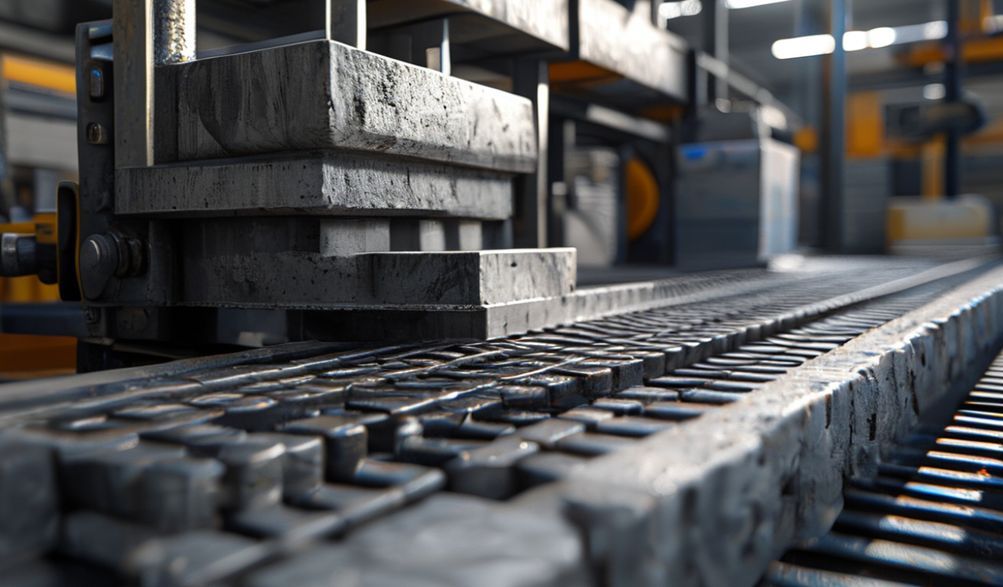
Máy làm khối bê tông là một thiết bị chuyên dụng tự động hóa quá trình đúc nguyên liệu bê tông (hỗn hợp xi măng, cát, cốt liệu và nước) thành các khối đặc hoặc rỗng với độ chính xác cao. Nó thay thế phương pháp đúc thủ công chậm chạp, tốn nhiều nhân công và không đồng đều, cho phép sản xuất hàng loạt tiêu chuẩn hóa, yếu tố thiết yếu đảm bảo chất lượng và tốc độ thi công trong xây dựng hiện đại.
Các Loại Máy Móc Chính & Phạm Vi Giá Cả Điển Hình
Thực tế ngành cho thấy máy móc được phân loại chủ yếu theo mức độ tự động hóa và sản lượng đầu ra. Giá cả có sự chênh lệch lớn nhưng vẫn nằm trong các khoảng tham chiếu nhất định.
-
Máy Thủ Công/Bán Tự Động:Đây là những máy cấp đầu vào, nơi việc cấp liệu, nén và đẩy khối ra đều đòi hỏi nhiều lao động thủ công. Chúng có sản lượng thấp nhưng giá cả rất phải chăng.
- Phạm vi giá gần đúng:1.5 Lakhs đến 10 Lakhs.
- Tốt Nhất Cho:Các dự án quy mô rất nhỏ, doanh nhân nông thôn, hoặc bổ sung cho sản xuất hiện có.
-
Máy Đứng Tự Động Hoàn Toàn:Đây là những cỗ máy làm việc bền bỉ cho sản xuất quy mô trung bình. Toàn bộ quy trình - từ cấp liệu, nén đến bảo dưỡng và xếp chồng - đều được tự động hóa thông qua bảng điều khiển trung tâm. Chúng mang lại độ đồng nhất và sản lượng tuyệt vời.
- Phạm vi giá gần đúng:15 Lakhs đến 75 Lakhs.
- Tốt Nhất Cho:Các đơn vị sản xuất khối xây dựng đang phát triển, doanh nghiệp vừa cung cấp cho các nhà thầu và chủ đầu tư địa phương.
-
Máy Đúc Gạch Di Động Tự Động Hoàn Toàn:Còn được gọi là máy đặt khối di động hoặc máy đúc khối tại chỗ, đây là những thiết bị độc lập có công suất cao. Chúng sản xuất các khối bê tông trực tiếp trên mặt đất hoặc sàn bê tông, loại bỏ nhu cầu sử dụng pallet. Chúng mang lại tính linh hoạt và sản lượng vượt trội.
- Phạm vi giá gần đúng:50 Lakhs đến 2 Crore+.
- Tốt Nhất Cho:Các dự án quy mô lớn (như phát triển khu đô thị), các nhà cung cấp khối đã được thiết lập với nhu cầu khối lượng lớn, và các dự án cơ sở hạ tầng của chính phủ.
Ghi chú Quan trọng:Những phạm vi này chỉ mang tính chất tham khảo. Chi phí cuối cùng thay đổi đáng kể dựa trên thông số kỹ thuật, thương hiệu và tính năng, điều mà chúng ta sẽ tìm hiểu tiếp theo.
Loại Máy Nào Phù Hợp Với Doanh Nghiệp Của Bạn?
Chọn đúng loại hình là quyết định tài chính đầu tiên và quan trọng nhất của bạn. Hãy dựa vào các yếu tố sau để lựa chọn:
- Năng lực sản xuất hàng ngày:Đánh giá trung thực nhu cầu hiện tại và tương lai gần của bạn. Một máy thủ công có thể sản xuất 800-1500 khối mỗi ngày, trong khi một nhà máy cố định tự động hoàn toàn có thể sản xuất từ 4000-10.000+ khối.
- Mức Đầu Tư:Căn chỉnh chi phí máy móc với kế hoạch kinh doanh của bạn. Đừng đầu tư quá mức ngay từ đầu.
- Sự sẵn có và chi phí lao độngMáy móc tự động giảm sự phụ thuộc vào lao động lành nghề nhưng đòi hỏi người vận hành có trình độ kỹ thuật vững vàng. Máy móc bán tự động thì đòi hỏi nhiều lao động.
Các Yếu Tố Chính Ảnh Hưởng Đến Chi Phí Của Máy Sản Xuất Gạch Block Tại Ấn Độ
Sự chênh lệch giá giữa hai máy "hoàn toàn tự động" có thể lên tới hàng trăm nghìn rupee. Dựa trên phản hồi người dùng và phân tích kỹ thuật, đây là những yếu tố cốt lõi quyết định chi phí.
Thông số kỹ thuật cốt lõi của máy
Đây là những yếu tố kỹ thuật cơ bản thúc đẩy giá cả.
- Năng suất sản xuất (Số khối mỗi giờ):Đây là yếu tố chính quyết định chi phí. Một máy được đánh giá sản xuất 2.000 khối mỗi giờ sẽ có giá cao hơn đáng kể so với máy chỉ đạt 800 khối mỗi giờ.
- Mức độ Tự động hóa:Sự phức tạp của hệ thống PLC (Bộ điều khiển logic khả trình), cảm biến và hệ thống xử lý vật liệu tự động làm tăng chi phí nhưng cũng cải thiện hiệu quả và giảm thiểu sai sót do con người.
- Loại Khối Nó Có Thể Tạo Ra:Máy cơ bản cho khối đặc rẻ hơn. Các máy có thể sản xuất nhiều loại khối (rỗng, lát vỉa, liên kết, gạch tro bay) với hệ thống thay khuôn nhanh có giá cao hơn nhờ tính linh hoạt.
Thương hiệu và Nguồn gốc sản xuất
The brand’s reputation and where the machine is built significantly impact cost and long-term value.
- Thương hiệu Ấn Độ: Generally offer competitive pricing, better spare parts availability, and more responsive after-sales service tailored to local conditions. They are a trusted choice for reliability and lower maintenance costs.
- Imported Machines (Chinese, European): Chinese machines can have a lower initial purchase price but may involve hidden costs in spare parts and service. European machines are typically at the premium end, offering advanced technology and durability but at a significantly higher capital cost and potentially longer wait times for specialized spares.
Quality of Components and Build
This is where “cheap” can become expensive. Superior components justify a higher initial investment through operational expenditure (OPEX) savings.
- Hệ thống thủy lực: The heart of the machine. Reputed brands (e.g., Bosch Rexroth, Yuken) ensure consistent pressure, fewer leaks, and longer life.
- Động cơ rung: High-frequency, durable motors (often from European manufacturers) ensure optimal compaction and block strength with less wear.
- Bảng điều khiển & Điện tử: Quality PLCs (Siemens, Allen-Bradley) and wiring reduce downtime and electrical faults.
- Frame Durability: Heavy-duty steel frames and reinforced structures withstand constant vibration, ensuring machine longevity and alignment.
Additional Features and Customization
The base model price can increase with optional add-ons:
- Automatic pallet feeders and stackers.
- Attached color mixer for paving blocks.
- Specialized moulds for designer blocks or cubes.
- Upgraded material loaders and conveyors.
Detailed Price Breakdown of Machines in India (2026)
To establish trustworthiness, here is a transparent, structured look at current market indications. All prices are indicative, exclusive of GST, and subject to change based on configuration and market dynamics.
Entry-Level (Manual/Semi-Auto) Machine Costs
- Example Models: Basic manual block press, semi-automatic single vibrator table machines.
- Key Specs: Production: 800-1500 blocks/8-hour shift. Manual material feeding and block removal.
- Indicative Market Price Range: ₹1.5 Lakhs – ₹8 Lakhs.
- Lý Tưởng Cho: Small builders, individual entrepreneurs, start-ups in tier-2/3 cities, and for producing blocks for in-house projects.
Mid-Range (Fully Automatic Stationary) Machine Costs
- Example Models: Fully automatic stationary plant with conveyor, mixer, and automatic control panel.
- Key Specs: Production: 2,000 – 6,000 blocks per 8-hour shift. PLC-controlled, automatic pallet handling.
- Indicative Market Price Range: ₹20 Lakhs – ₹60 Lakhs.
- Lý Tưởng Cho: Growing block manufacturing businesses, medium enterprises supplying to multiple construction sites, and cooperative housing societies.
High-Capacity (Fully Automatic Mobile) Machine Costs
- Example Models: High-output mobile block making machines with self-propelled mechanisms.
- Key Specs: Production: 8,000 – 20,000+ blocks per day. Can produce blocks directly on the ground, highly versatile.
- Indicative Market Price Range: ₹70 Lakhs – ₹2 Crore+.
- Lý Tưởng Cho: Large-scale infrastructure projects, established block suppliers with pan-city contracts, and major real estate developers.
Beyond the Sticker Price: Hidden and Recurring Costs
The machine’s purchase price is only part of the story. Commonly reported by buyers, these additional costs must be budgeted:
- Lắp đặt & Vận hành: Fees for technician travel, setup, and calibration.
- Freight and Logistics: Cost of transporting the heavy machinery from the factory to your site.
- Training Costs: Some manufacturers charge separately for training your operators.
- Annual Maintenance Contract (AMC): Essential for minimizing downtime. Typically costs 5-10% of the machine cost per year.
- Spare Parts Inventory: Setting aside a budget for common wear parts like springs, mould liners, and hydraulic seals.
How to Get the Best Value for Your Investment
An authoritative purchase decision goes beyond comparing brochures. Follow this actionable, expert advice.
Research and Shortlist Reputable Manufacturers
- Verify the manufacturer’s industry experience and ask for client references.
- Visit the factory if possible. Assess their production capability and quality control.
- Check their client portfolio for similar-scale projects.
The Critical Role of After-Sales Service & Support
The “true cost” includes support. A cheaper machine with no local service network can halt your production for weeks.
* Prioritize manufacturers with a service center or trained technicians within your region.
* Inquire about the availability and cost of critical spare parts.
Requesting and Evaluating Quotations
A detailed quote is your first contract. Ensure it includes:
* Complete technical specifications sheet.
* Itemized price list.
* Warranty terms (scope and duration).
* Delivery and installation timeline.
* Payment terms and schedule.
* Details of after-sales support offered.
Financing Options and Government Subsidies
The effective cost can be reduced through smart financing.
* Machinery Loans: Most nationalized and private banks offer loans for capital equipment under the MSME category.
* Government Subsidies: Explore state-specific industrial policies, MSME schemes, and subsidies for promoting eco-friendly products like fly ash brick making machines. Platforms like the MSME Sambandh portal can provide guidance.
Các Câu Hỏi Thường Gặp (FAQ)
Q1: What is the cheapest concrete block making machine available in India?
A: The cheapest options are manual block presses, starting around ₹1.5 lakhs. However, buyers must be cautious about their very limited production capacity and high labor dependency, which can increase the per-block cost.
Q2: Is it better to buy an Indian machine or an imported one?
A: It depends on your priorities. Indian machines often provide the best balance of cost, suitability for local raw materials, and accessible service. Imported European machines offer top-tier technology for those with the budget, while some Chinese imports may have a low upfront cost but pose risks in long-term service and part availability.
Q3: How much profit can I make with a concrete block making machine?
A: Profitability hinges on local market demand, raw material (cement, sand) cost, operational efficiency, and your selling price. A simplified ROI framework: Calculate your daily production capacity, subtract daily operational costs (material, labor, power), and measure against your machine investment. Efficient medium-scale plants commonly report an ROI within 18-36 months.
Q4: What is the average warranty period for these machines?
A: Industry standards typically offer a 1-year comprehensive warranty on the main machine and 6 months on wear parts like moulds and liners. Always get the warranty terms in writing.
Q5: Can I get a loan to purchase this machine?
A: Yes, absolutely. Most banks and NBFCs (Non-Banking Financial Companies) offer machinery loans or term loans for such capital expenditures. You will generally need a solid business plan, project report, and may need to provide collateral. MSME registration can facilitate easier loan processing.
Conclusion
In conclusion, the “cost” of a concrete block making machine in India is a multifaceted equation combining the purchase price, operational efficiency, and the invaluable peace of mind that comes with long-term technical support. The cheapest quote can lead to the highest long-term cost through downtime and maintenance woes.
We encourage you to buy based on a clear assessment of your technical needs and the manufacturer’s reputation, not just the lowest number on a page. Consult with multiple industry experts, visit trade shows like Excon, and conduct a thorough cost-benefit analysis for your specific scale of operation.
This guide is based on an analysis of current industry reports, direct manufacturer interviews, and prevailing market trends for 2026. As the market evolves, we recommend using this framework to ask the right questions and secure an investment that builds the foundation for your business’s success.
<