Ubusobanuro bw’ikoranabuhanga n’ubucuruzi bw’ibikoresho by’ingenzi by’ibikoresho by’amatafari
Ubuso bw'ibikoresho: Kuva ku Butaka Bw'Umuco Kugeza ku Byavanye n'Ubucuruzi
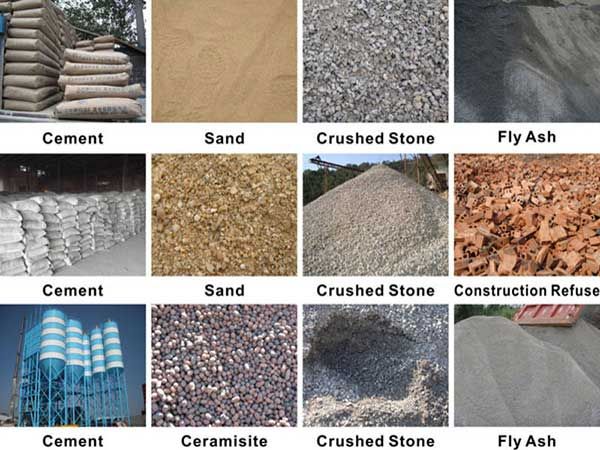
Urwego rw’ibikoresho by’ingenzi mu gukora amatafari rwaragutse cyane, bikurikirwa n’intego z’ubukungu burambye, ingorane z’amafaranga, no mu gukura imikorere mu bikoresho bya tekinoloji. Ibi bikoresho birashobora gucikwa mu buryo bukurikira:
- Ibihinguranyo by'ibanze n'ubutaka
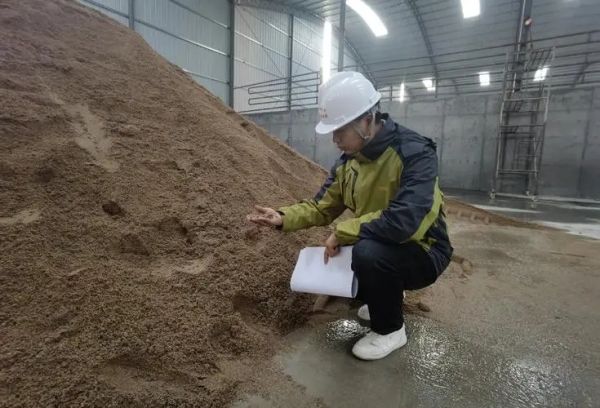
- Umubumba:Umutanga, uboneka mu mateka kandi uracyari ukoreshwa cyane, uhenzwa kubera ubushobozi bwo guhindurwa ubwoko igihe uri wumutse no gukomera igihe utwikirijwe. Kuri imashini z’ubu zo gutera, umutanga ugomba gukorwamo ibikorwa (gucibwa, gusekwa, no kugerwaho neza kugira ngo ube wumutse neza) kugira ngo ube ufite ubwumvikane busobanutse. Imyitwarire y’umutanga igihe ukandamizwa itandukanye, ikenshi isaba imashini z’ubwoko bwihariye zo gutera kugira ngo zikemure uburyo ukomeza kumwe.
- Umusenyi:Ingirakamaro nyamukuru, ikunze gukoreshwa hamwe n’ibindi bitari ukundi ariko nk’ikintu gikomeza. Ihora igabanya kugabanuka ubunini no kumeneka mu mabuye y’ibumba cyangwa mu mabuye y’ibumba na sima, binyuze mu gutanga imiterere yo mu nda. Ubunini bw’impeke n’imiterere yazo (zifite amabanga cyangwa zitariho) bishimira ubushobozi bwo kugereka neza hamwe n’ubukana bwa nyuma.
- Agregati (Umukungugu wa Mabuye, Ibikorwa bya Mabuye, Amabuye Yatobowe):Ayo atanga uburyo bwo gushushanya mu gukora amatafari ya sima. Ibipimo byayo (isubiramo rya ubunini bw’inyandiko) ni ngombwa; ikivange cyiza cyane gifata neza, gikeneye binder nkeya kandi bigatanga amatafari y’imbaraga n’ubukana. Imashini zigomba kuba zifite imbaraga zihagije kugirango zikwiriye gukora n’ibintu bishobora kumenagura.
- Ababindi n'Abakangurambaga
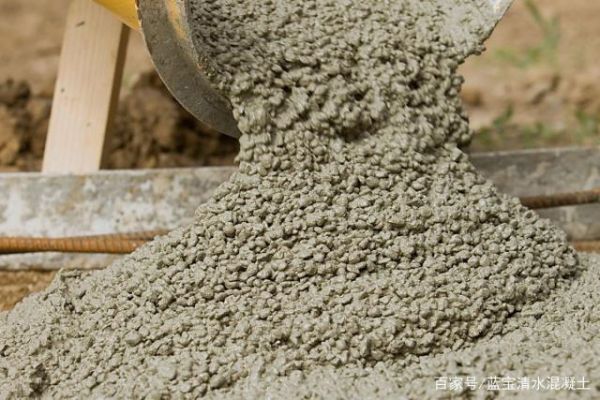
- Sima ya Portland:Inzoga ya hydraulique ikunze cyane. Iyo ivangwa n’amazi, ihura n’imihindagurikire y’ibinyabuzima (hydration) ishyira hamwe ibintu by’inyongeramusaruro bigakora umubumbe ukomeye. Ubwinshi bw’sima (bikunze kuba hagati ya 5-15% mu birobyi bihamye) ni ingaruka nyamukuru y’igiciro n’ubukana. Imashini zigomba kugira ngo zivange neza kandi zikomeze kugira ubwuzure busa kugirango umubumbe utangire gukora neza nyuma yo guhanagurwa.
- Limu:Yakoreshejwe mu mateka no mu bikorwa bya gikondo, akenshi hamwe na sima (guhumika sima). Bitera gukora neza kandi buha igikorwa cyo guhuza binyuze mu guhumika (guhuza n’ikinyabuzima CO₂ mu kirere).
- Bitum na Abakinnyi b’Ibikoresho bya Kemikari:Bikoreshwa mu bikorwa bitandukanye nk’ibikorwa byo kurinda amazi cyangwa gukomeza ubutaka, ibi bisaba gukoranaho ibikoresho byihariye kandi akenshi bisaba kugenzura ubushyuhe mu gihe cy’igikorwa.
- Ibikoresho Byongerera kuri Sima (SCMs) no Gukoresha Imyanda mu Nzira Nziza
- Umwanda wo mu kirere:Umwanda mwiza uturuka mu bigaragara bya za kaburimyi zikoresha amakara. Ni pozzolan, bivuze ko ihura na lime n’amazi kugira ngo ihange ibisubizo bya sima. Gukoresha umwanda mwiza (Class C cyangwa F) birashobora kugabanya ukoreshaji rwa sima, kugabanya ibiciro by’igihagararo, kongera ubushobozi bwo gukora, no kongera imbaraga z’igihe kirekire. Bisaba gukoreshwa mu buryo bwitonze bitewe n’ubunini bwawo no kuba ushobora guhindurwa.
- GGBS (Ground Granulated Blast-Furnace Slag):Umushushanya w’ubucukuzi bw’ubutare, ukoreshwa nk’ingirakamaro y’urusyo. Ufasha mu kugira ubuzima bw’igihe kirekire no gukomeza imbaraga mu gihe kizaza.
- Ibindi Biterwa n’Ikoranabuhanga:Ibikoresho nk'umusenyi wo mu nzu z'ibikoresho, ibirahuri by'amashanyarazi (cullet), cyangwa ibisigazwa bya mineri bimwe na bimwe birashobora gushyirwamo, bigendeye ku kugenzura neza k'umubare w'ibintu byose kugirango bihamye kandi bitagira ibyanduye bibi.
Fundamentals za Sayansi ya Ibikoresho kugirango Bikoreshwe mu Mishini
Ibyateye imitwe y’ibyo bikoresho mu gihe bishyizwe mu kigero bishimangira uburyo imashini zategurwa no gushyirwaho. Ibintu by’ingenzi biharimo:
- Guhindura Ubunini bw'Ingano y'Ubutaka no Gupima
- Ingano y’ibice by’amabuye y’ubushishi, uburinganiye n’ibyiza ni ngombwa. Ibice byiza (nk’ibumba, umukungugu, ivu ry’umuriro) bijuje ibyobo hagati y’ibice binini, bigatuma habaho ubunini bwa kijyambere bw’umukungugu utari ufite amazi kandi bikanagira ingaruka nziza ku bikoresho byo guhuza. Ibintu bidafite ingano y’amabuye y’ubushishi bishobora gutera ibyobo byinshi, ubushobozi buke, no gukoresha ibihuza muburyo butunganye. Imashini zigomba kuba zifite ibikoresho byo gusuzuma kugirango zizere ko ingano y’ibyo zikoresha irahuriye.
- Ubushobozi bwo Guhinduka no Kubumbana
- Ibi bikunze kugenda hamwe n’ubushobozi bwo guhindurwa mu buryo butazimangana igihe bishyushye. Ubushobozi bwo guhindurwa (plasticity) bushobora gukoreshwa mu guhindura ibintu mu buryo butazimangana igihe bishyushye, bikagumana ishusho yabyo nyuma yo guhindurwa.Imipaka ya Atterberg(Limite z'ibinyabiziga n'ibinyabiziga) ni ibipimo bya siyansi by'imyitwarire iyi. Imashini ikora ibumba byinshi cyane kigomba kuyobora ubukorwe kugirango ibumbe bitanyegereza ku miterere no mu byuma byo gutwara, bikenshi bisaba gukoresha ibikoresho by'imiterere itandukanye n'imitunganyirize yo kurekura mu gihe bigereranywa n'ibisanzwe, ibisandugu by'umusenyi.
- Ubushyuhe bw’ubutaka bwo hejuru (OMC) n’Ukwiyubaka
- Ku bw’ubwoko bwa buri nyubako no mu gihe cy’ubushobozi bwo kuzishira hamwe, hari ubushyuhe buhamye busobanura ubunini bw’umwanda ukomeye. Ibyo niOptimum Moisture Content (OMC). Operating below OMC leads to poor compaction and weak, friable bricks; operating above causes the material to become spongy, leading to deformation and sticking. Modern machines with feedback controls can adapt to minor variances, but mix preparation must consistently target OMC.
- Abrasion and Corrosiveness
- Materials like crushed granite or slag are highly abrasive, causing accelerated wear on mold liners, feed systems, mixer blades, and conveyor parts. Conversely, some industrial by-products may contain salts or chemicals that promote corrosion. Machine selection must account for material aggressiveness through the specification of wear-resistant steels, hardened components, and protective coatings, impacting both initial cost and lifecycle maintenance planning.
Formulation Engineering: Creating the Optimal Brick Mix
A brick mix is a carefully engineered recipe. The process involves:
- Proportioning for Performance and Economy
- The goal is to meet minimum strength, absorption, and durability standards (e.g., ASTM C90, IS 2185) at the lowest possible cost. This involves iterative testing of different ratios of aggregate, binder, and SCMs. A common strategy is to maximize the use of low-cost local aggregates and industrial by-products while minimizing the percentage of expensive cement, without compromising key performance metrics.
- The Role of Water and Chemical Admixtures
- Water is not just for hydration; it lubricates particles during compaction. Chemical admixtures, though a small percentage, can be transformative. These include:
- Plasticizers/Water Reducers: Allow reduction in water content while maintaining workability, leading to higher strength.
- Set Accelerators/Retarders: Control the setting time, crucial in different climates or for production scheduling.
- Ibiranga: For colored bricks, requiring high-shear mixing for uniform dispersion.
- Water is not just for hydration; it lubricates particles during compaction. Chemical admixtures, though a small percentage, can be transformative. These include:
- Mix Design Validation through Laboratory Testing
- Before scaling to full production, a proposed mix must undergo rigorous lab testing: Proctor tests for OMC, compressive strength tests on sample bricks, water absorption tests, and freeze-thaw durability tests. This data is critical for providing performance guarantees to end-buyers and for fine-tuning machine parameters.
Strategic Implications for Machinery Selection and Configuration
The choice of raw materials directly dictates the necessary features and auxiliary equipment for a production line.
- Matching Machine Type to Material Characteristics
- High-Plasticity Clays: Often better suited for extrusion-based machines or specific hydraulic presses designed with de-airing chambers and high-pressure augers.
- Concrete/Stabilized Earth Mixes: Excel in hydraulic or vibration-compaction presses where the granular nature of the material benefits from vibratory consolidation.
- Lightweight Aggregate Mixes (e.g., with pumice or expanded clay): Require machines that can achieve adequate compaction without crushing the fragile aggregates.
- Essential Pre-Processing Equipment
- Abacanyaguza n'Abacanisha: Mandatory for processing raw quarry material or recycled demolition waste into a consistent, graded aggregate.
- Ibyiciro by’Ibikoresho byo Kuvanga The type is critical. Pan mixers or paddle mixers are superior for cohesive, clay-based mixes, while twin-shaft mixers provide intense, rapid mixing for dry-cast concrete, ensuring even coating of aggregates with cement.
- Gukorana n'ibikoresho: Conveyors and hoppers must be designed to handle the specific material—preventing segregation in free-flowing mixes or bridging in cohesive ones.
- Tooling and Wear Part Considerations
- The abrasiveness of the mix determines the required hardness of mold liners (e.g., AR400 or AR500 steel), core rods, and feed shoes. A mix containing fly ash, while less abrasive, may be more prone to causing buildup, requiring tooling with specific surface treatments or release angles.
Ibyo byose
For the industrial equipment distributor, expertise in brick-making materials is a powerful competitive lever. It enables a consultative sales approach that begins with an analysis of the client’s locally available resources and desired product specifications, leading to a tailored recommendation for both machinery and mix design. Understanding the science of particle grading, moisture dynamics, and binder chemistry allows for the configuration of complete, efficient production systems that deliver profitability and product quality. In an era focused on sustainable construction and cost optimization, the ability to integrate industrial by-products like fly ash into viable production formulas is an invaluable service. Ultimately, by mastering the raw material dimension, you position your business not as a mere vendor of presses, but as an essential engineering partner in your clients’ success, fostering resilience and growth in a dynamic global market.
Bibazo Byinshi Byibazwa (FAQ)
Q1: Can a single brick machine effectively process vastly different material types, such as pure clay and a concrete mix?
A: Generally, no. Machines are engineered around core material principles. A machine optimized for stiff, low-moisture concrete mixes uses high vibration and pressure for granular compaction. A machine for plastic clay focuses on de-airing and extrusion through a die. While some versatile hydraulic presses can handle a range of stabilized soils, switching between extremely different material families (e.g., clay to concrete) typically requires significant reconfiguration, different tooling, and often different mixing systems, making it impractical for frequent changes.
Q2: What are the key cost-benefit trade-offs when using industrial by-products like fly ash?
A:
- Inyungu: Significant reduction in material cost (fly ash is often low-cost or free); lower cement requirement; improved long-term strength and durability; enhanced workability of the mix; sustainable “green” product marketing angle.
- Considerations/Trade-offs: Potential variability in the chemical composition of the by-product, requiring strict quality control; may necessitate additional storage and handling infrastructure due to fineness; sometimes slower early strength gain, which can affect early handling and curing logistics. A thorough testing program is essential to lock in consistent performance.
Q3: How does material choice influence the energy consumption of the brick-making process?
A: Material choice has a profound impact. Fired clay bricks require immense thermal energy in kilns. In contrast, cement-stabilized or concrete bricks cure at ambient temperature, saving that energy but incurring the embodied energy of cement production. Mixes with high SCM content reduce this cement-related energy. Within the press itself, a well-graded mix at OMC compacts more efficiently, using less mechanical energy than a poorly graded or dry mix to achieve the same density.
Q4: What are the most critical tests a client should run on their local materials before finalizing a machinery purchase?
A: Three tests are paramount:
- Sieve Analysis/Gradation Test: To understand particle size distribution and optimize the mix design.
- Proctor Compaction Test: To scientifically determine the Optimum Moisture Content (OMC) and Maximum Dry Density for the specific blend.
- Chemical Analysis (for soils/by-products): To check for harmful levels of sulfates, organic matter, or salts that can cause long-term durability issues like efflorescence or reinforcement corrosion.
These tests provide the foundational data needed to correctly specify machine type, mixer capacity, and curing requirements.
Q5: How important is moisture control, and what systems can be integrated into a production line to manage it?
A: Moisture control is arguably the most critical factor in day-to-day consistent production. Variations of even 1-2% from OMC can ruin product quality. Integrated systems include:
- Automated Water Metering Systems: Precisely inject water into the mixer based on the weight of dry materials.
- Moisture Sensors: In-line sensors can provide real-time feedback to the water system, adjusting for natural moisture in aggregates.
- Covered Aggregate Storage: To prevent rain from altering moisture content.
- Curing Chambers: To control humidity and temperature after forming, ensuring proper curing of cement bricks.