
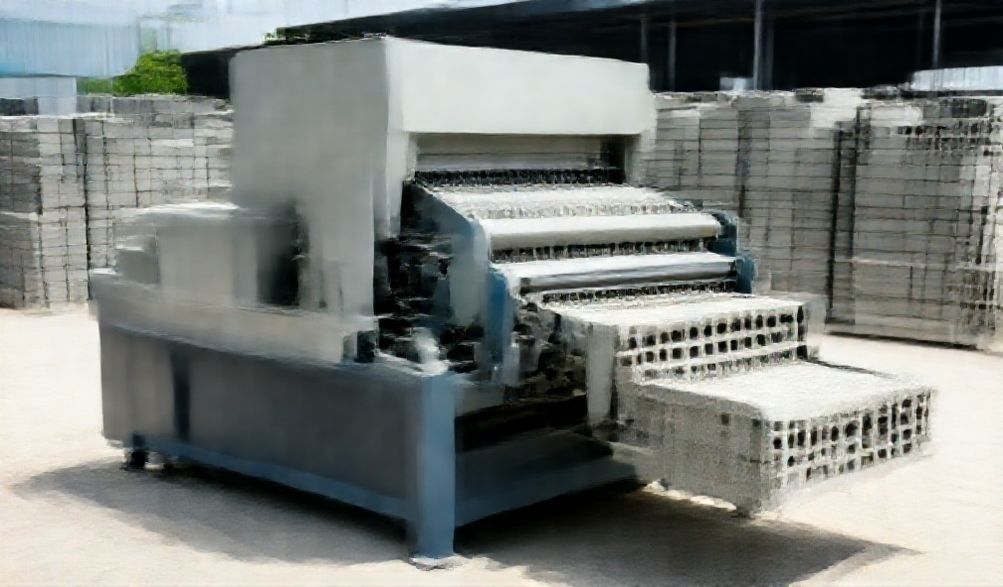
Дастури олии мошинҳои сохтани хишти семент дар Малайзия (2026)
Муқаддима
Манзараи осмони Малайзия шаҳодати саноати сохтмон дар ҳаракати доимӣ аст. Аз лоиҳаҳои бузурги инфраратӯрӣ дар зери нақшаҳои умумимиллӣ то рушди фаъоли истиқоматӣ, ки талаботи шаҳрӣро қонеъ мекунанд, хишт то ҳол блоки асосии инкишофи ин соҳа аст. Аммо, барои бисёр созандагон, подрядчиён ва таҳиягарон, вобастагӣ ба таъминкунандаҳои анъанавии хишт маҷмӯи такрори мушкилотро пешниҳод мекунад: афзоиши нопайдои нарх, таъхирҳои занҷири таъминот ва нобаробарии ноумедбахши сифат, ки метавонад бузургии умумии як лоиҳаро ба хаттар биандозад.
Агар ҳал на танҳо ёфтани таъминкунандаи беҳтар, балки худ таъминкунанда шудан бошад, чӣ мешавад? Истеҳсоли сӯрохии цементӣ дар ҳамон ҷо бо истифода аз мошинаҳои махсуси сохтани сӯрохӣ, аз фаъолияти саноатии махсус ба бартариҳои стратегӣ барои тиҷоратҳои Малайзия аз ҳаҷми гуногун табдил меёбад. Ин равиши муосир назорати беҳамто, самаранокӣ ва арзонбаҳоӣ пешниҳод мекунад.
Ин дастури муфассал барои шумо манбаи эътимоднок тарҳрезӣ шудааст. Он аз дидгоҳҳои соҳа, таҳлили техникӣ ва фаҳмиши амиқ аз бозори маҳаллии Малайзия гирд оварда шуда, шумораи зиёди маълумотро сӯрох мекунад. Мо равшании заруриро барои қабули қарор бо эътимод ва иттилооти кофӣ таъмин мекунем. Дар охир, шумо дарки устуворе аз навъҳои гуногуни дастгоҳҳои дастрас, хусусиятҳои асосии муҳим, назари воқеӣ аз хароҷот ва таъминкунандагон дар Малайзия ва чорчӯбаи равшане барои интихоби дастгоҳи комил барои ҳаҷми лоиҳа ва орзуҳои тиҷоратии худ хоҳед дошт.
Чаро дар Малайзия мошини сохтани хишти сементро ба назар гиред?
Овардани истеҳсоли хишт ба дохили корхона як қарор аҳамиятнок аст. Ғайр аз сармоягузории ибтидоӣ, ин як тағйири стратегӣ дар амалиёт аст. Барои тиҷорати дуруст, манфиатҳо назаррас буда, ба мушкилоти муҳити мутаҳаввили сохтмони Малайзия бевосита пайваста мешаванд.
Самаранокии хароҷот ва назорат бар маводи хом
Мантиқи молиявӣ қатъӣ аст. Дороии мошин шуморо аз тағйирёбии нархҳои бозори хишт озод мекунад.
- Кам кардани вобастагӣ ба таъминкунанда:Шумо дигар ба афзоиши ногаҳони нарх аз ҷониби таъминкунандагон ё камбуди дар фаслҳои пики сохтмонӣ дучор намешавед.
- Оптимизатсияи манбаъҳои материалӣ:Шумо метавонед маводи хоми гиромӣ - семент, рег ва хоки маҳсулоти сангрезӣ -ро бевосита харида гиред, ки аксар вақт нархашон устувортар ва дар маҳалл фаровон дастрасанд.
- Кам кардани хароҷоти логистикӣ:Хароҷоти такроршавандаи интиқоли хишти омодаи вазнин аз корхона ба макони корро бардоред. Шумо танҳо маводи хомро интиқол медиҳед, ки одатан арзонтар аст.
Фароғатии Беназир дар Истеҳсол ва Фармоишӣ
Ин ҷоест, ки моликият воқеан дурахшон мекунад. Мошини истеҳсоли хишт истеҳсоли шуморо ба хизматрасонии дархостӣ табдил медиҳад.
- Истеҳсол барои Эҳтиёҷ:Лебнаҳоро ба талаби лоиҳаи худ истеҳсол кунед, ки ин ба таври назаррас эҳтиёҷ ба майдонҳои калону гаронбаҳои захирасозӣро коҳиш медиҳад ва аз ҳад зиёд фармоиш додани материалҳо ва талафотро ба минимум мерасонад.
- Эҷоди Дизайнҳои Беназир:Барои як хусусияти меъморӣ андоза, шакл ё ранги мушаххас лозим аст? Бо қолибҳои ивазшаванда, шумо метавонед блокҳои ҷуфти фармоишӣ, хиштҳои басташаванда барои тарроҳии манзара, ё блокҳои фаршкунии андозаи махсус истеҳсол кунед, ки ба лоиҳаҳои шумо хусусияти беназир медиҳанд.
Дастгирии Ҳадафҳои Сохтмон ва Тӯлонокии Малайзия
Сармоягузории шумо бо мақсадҳои васеътари миллӣ ҳаммувофиқ аст, ки тиҷорати шуморо ҳамчун бозингари пешбинкунанда ҷойгир мекунад.
- Ҳамоҳангсозӣ бо рушди миллӣ:Дастгирии лоиҳаҳои инфраратруктура ва истиқоматгоҳҳои арзонро, ки аз ҷониби ҳукумат пешбурӣ карда мешаванд, бо таъмини захираи боэътимоди маҳаллии материалҳои бинокорӣ таъмин кунед.
- Амалҳои устуворро қабул кунед:Дастгоҳҳои муосир имкони илова кардани маҳсулоти ҷонибии саноатӣ, монанди хокистори паррон ё шлакро ба омехтаи хишти шумо медиҳанд. Ин на танҳо миқдори сементро коҳиш медиҳад (ҳам хароҷот ва ҳам пайдоиши карбониро кам мекунад), балки ба иқтисоди даврӣ, ки барои рушди устувори Малайзия диққати асосӣ мебошад, мусоидат менамояд.
Таъмини сифати устувор ва тарҳҳои лоиҳавӣ
Дар ниҳоят, назорат бар истеҳсолот маънои назорат бар натиҷа ва ҷадвали лоиҳаи шумо дорад.
- Кафолати устувории яксонШумо тарҳрезии омехта, нисбати об-семент ва раванди фишордиҳиро муайян мекунед. Ин боиси истеҳсоли хиштҳои бо сахти муқовимати пайваста ва баланд, баъд аз баъд мегардад.
- Лагзҳои лоиҳаро бартараф кунед:Дигар ҳеҷ гоҳ ба сабаби таъхир дар расонидани хиштҳо ба вақф дар кор дучор нашавед. Ҷадвали истеҳсолии шумо дар дасти шумост, ки имкон медиҳад барои банақшагирии дақиқ ва анҷоми муваққатии лоиҳаҳо.
Намудҳои дастгоҳҳои сохтани хишти сементӣ
Фаҳмидани категорияҳои мошинҳо аввалин қадам дар раванди интихоби шумо мебошад. Интихоби дуруст ба маҳсулоти талабшаванда, буҷа ва сатҳи автоматсозии шумо вобаста аст.
Дастгоҳҳои дастӣ барои сохтани хишт
Инҳо асосӣтарин нуқтаҳои дохилшавӣ ба истеҳсоли хишт мебошанд, ки тамомиан ба қувваи инсонӣ такя мекунанд.
- Амалиёт:Системаи дарозкунандае, ки оператор дастӣ қолибро пур мекунад, омехтаро бо қувваи механикӣ фишурда ва хишти сохташударо озод мекунад.
- Барои беҳтарин:Идеалӣ барои лоиҳаҳои хеле хурд, соҳибхонаҳои шахсӣ, ширкатҳои навпайдои санҷиши бозор ё истеҳсоли маҳсулоти махсус монанди хиштҳои бо ҳамдигар мепайванданди боғ. Қобилияти кӯчондашавии онҳо онҳоро барои маҳалҳои дурдаст бе барқ муносиб мегардонад.
- Муҳосибаҳо ва нуқсонҳо:
- Муҳоҷизот:Арзиши ибтидоӣ хеле паст, ба барқ ниёз нест, нигоҳдорӣ осон, хеле кӯчондашаванда.
- МанфӣҳоНатиҷаи хеле паст (одатан 100-500 хишт дар як рӯз), талабҳои ҷисмонӣ, сифат ба тавоноии оператор вобаста аст.
Машинаҳои ним-автоматии истеҳсоли хишт
Ин категория барои аксарияти тиҷоратҳои хурд то миёнаи Малайзия тавозуни беҳтаринро пешкаш мекунад, ки ёрӣи механикӣ барои сифати устуворро таъмин менамояд.
- Амалиёт:Ин дастгоҳҳо, ки бо моторҳои барқӣ ё муҳаррики дизелӣ кор мекунанд, барои фишурдани хиштҳо аз ларзиш ва фишори гидравликӣ ё механикӣ истифода мебаранд. Оператор маҳсулоти хомиро дастӣ ба хоӣ меандозад ва хиштҳои тайёршударо барои сахт кардан бармедорад.
- Барои беҳтарин:Блокхонаҳои хурд то миёна, подрядчиёне, ки солҳоя якчанд лоиҳаро анҷом медиҳанд, ва корхонаҳое, ки барои истеҳсоли устувор ва боэътимод бе автоматикунонии пурра меҷӯянд.
- Муҳосибаҳо ва нуқсонҳо:
- Муҳоҷизот:Натиҷаи зиёдтар нисбат ба дастгоҳҳои дастӣ (масалан, 1,000 – 3,000 хишт дар як вақти 8-соата), созгорӣи хуб, самаранокии энергетикӣ нисбат ба моделҳои пурра-автоматӣ, арзиши сармоягузории миёна.
- МанфӣҳоТанҳо ба оператори ихтисосёфта ниёз дорад, натиҷа пайваста нест.
Машинаҳои пурра автоматӣ барои сохтани хишт
Инҳо сарҳадҳои истеҳсолии саноатӣ барои ҳосили максималӣ бо дастовардии дастӣ ҳадди ақал тарҳрезӣ шудаанд.
- Амалиёт:Инҳо системаҳои пурра бо назорати компютерӣ мебошанд. Онҳо тамоми равандро автоматӣ мекунанд: ғизодиҳии ашёи хом, омехтакунӣ, интиқоли омехта ба қолаб, фишурдани фишори баланд, коркард (дар системаҳои интегратсионӣ) ва гузоштани палетҳои хиштҳои тайёр.
- Барои беҳтарин:Корхонаҳои истеҳсоли хишти калонҳаҷм, тиҷоратҳое, ки ба таҳиякунандагони асосӣ ё барои содирот таъминот мекунанд, ва амалиёте, ки арзиши меҳнат ва ҳаҷми максималӣ нигаронии асосӣ мебошанд.
- Муҳосибаҳо ва нуқсонҳо:
- Муҳоҷизот:Истеҳсоли хеле баланд ва пайваста (зиёда аз 10 000 хишт дар як рӯз), талаботи меҳнатии ҳадди ақал, якхелагӣ ва зичии истисноии маҳсулот, сатҳи баланди автоматӣ.
- МанфӣҳоСармоягузории хеле баланд, талаб мекунад, ки фазои назаррас ва таъминоти устувори сефазаи электрикӣ дошта бошад, нигоҳдории мураккаб, ки техникҳои махсусро талаб мекунад.
Хусусиятҳои асосие, ки ҳангоми харидан бояд арзёбӣ карда шаванд
Пас аз муайян кардани навъи мошинатон, ба ин хусусиятҳои муҳим амиқ шуда, кафолат медиҳад, ки модели интихобшударо барои арзиши дарозмуддат ва эътимоднокӣ интихоб мекунед.
Иқтидори Истеҳсолӣ (Маҳсулот дар як Соат/Рӯз)
Ба қуллан адад нанигаред. Таҷрибаи соҳавӣ нишон медиҳад, ки ба назар гирифтани истеҳсоли устувор ва ҳаррӯза бештар оқилона аст.
- Мувофиқ кардани баромад ба талабот:Миқдори миёнаи хишти истеъмолшуда дар ҳар лоиҳа ё ҳадафи фурӯши моҳонаи худро ҳисоб кунед. Мошинеро интихоб кунед, киrealistic output meets 120-150% of your current need to allow for growth and maintenance downtime.
- Фаҳмидани вақти даврӣ: Ask suppliers for the cycle time (seconds per brick or per mold) and how many bricks are produced per cycle. This gives a clearer picture than a theoretical maximum.
Brick Type and Size Versatility
The ability to produce multiple products future-proofs your investment.
- Common Malaysian Brick Types: Ensure the machine can produce the sizes in demand:
- Solid/Hollow Blocks: 400mm x 200mm x (100mm, 150mm, 200mm)
- Interlocking Paving Blocks
- Сангҳои канорбанди роҳ
- Decorative bricks
- Interchangeable Molds: A key feature. Check the cost, lead time, and ease of changing molds. A good supplier in Malaysia should stock common mold sizes.
Power Source: Electric, Diesel, or Hybrid?
Your site conditions dictate the optimal choice.
- Электрикӣ: Cleaner, quieter, and more cost-effective to run in urban/industrial areas with reliable grid power. Requires a stable connection (often 3-phase for larger models).
- Дизелӣ: Offers complete independence from the grid, essential for remote sites or areas with frequent power cuts. Higher fuel and maintenance costs, and generates noise/exhaust.
- Гибридӣ: Some models offer dual-power capabilities, providing valuable flexibility.
Durability and After-Sales Support
This is the most critical E-E-A-T (Experience, Expertise, Authoritativeness, Trustworthiness) consideration for the Malaysian buyer. The machine’s build is only half the equation.
- Сохтмони устувор: Look for machines with high-grade steel frames, reinforced vibration tables, and quality hydraulic systems. The weight of the machine can often indicate material solidity.
- Local After-Sales Support is Non-Negotiable: A machine is a long-term asset. You must confirm:
- Local Service Technicians: Does the supplier have trained technicians based in Malaysia for repairs and maintenance?
- Spare Parts Inventory: Is there a local warehouse stocking wear-and-tear parts like mold liners, vibration motors, and hydraulic seals? Waiting months for a part from overseas is a business killer.
- Training: Does the purchase include proper on-site training for your operators?
Navigating the Malaysian Market: Suppliers and Costs
Entering the market with clear expectations will help you negotiate effectively and find a trustworthy partner.
Overview of Local Manufacturers vs. International Importers
Both options have merits, and the right choice depends on your priorities.
- Local Malaysian Manufacturers/Assemblers:
- Фоидаҳо: Better understanding of local material conditions and standards, typically faster and cheaper service support, easier communication, parts more readily available.
- Ба назар гирифтан Technology may be based on older, proven designs rather than cutting-edge innovation.
- International Importers (e.g., from China, India, Europe):
- Фоидаҳо: Access to the latest technological features and automation, potentially lower upfront cost for comparable specs.
- Critical Considerations: Verify the importer’s local support capability. Who will handle installation, warranty claims, and major repairs? Ensure they have a strong physical presence, not just a sales office.
Understanding the Price Range
Prices vary widely based on automation, capacity, and brand. Use these indicative brackets as a starting point (prices are in Malaysian Ringgit).
- Машинаҳои дастӣ барои сохтани хишт: RM 3,000 – RM 20,000
- Машинаҳои ним-автоматии сохтани хишт: RM 25,000 – RM 150,000
- Сохтмони пурра худкори хишти: RM 200,000 – RM 1,000,000+
Disclaimer: These are broad estimates. Always get detailed quotations based on your specific requirements. Factors like mold customization, extra conveyors, and pallet stackers will affect the final price.
Essential Questions to Ask Your Supplier
Arm yourself with this checklist during negotiations:
- What is included in the quoted price? (Installation? Training? Initial set of molds? Delivery?)
- What is the warranty period and what does it specifically cover?
- Where is your spare parts warehouse located in Malaysia, and what is the typical availability for common parts?
- Can you provide contact details for 2-3 current customers in Malaysia for a reference check?
- Do your bricks comply with relevant Malaysian Standards (MS)? Can you assist with testing?
- Do you offer annual maintenance contracts?
The Business Case: ROI and Operational Setup
Turning your machine into a profitable asset requires planning beyond the purchase order.
Calculating Your Return on Investment (ROI)
A simplified framework helps visualize the payoff:
- Calculate Total Investment: Machine cost + installation + initial raw material stock + utility setup.
- Calculate Operational Cost per Brick: (Cost of cement + sand + quarry dust + electricity/fuel + labor + maintenance) per brick.
- Determine Your Benefit: This is either:
- Savings: The money you no longer pay to an external supplier per brick.
- Revenue: The selling price per brick if you are manufacturing for sale.
- Calculate Profit per Brick: Benefit per brick minus Operational Cost per brick.
- Estimate Payback Period: Total Investment / (Profit per brick x Monthly Production Volume).
Дар ин ҷо, тарҷумаи матн ба забони тоҷикӣ оварда шудааст. If your machine and setup cost RM 100,000, and you net a profit of RM 0.20 per brick while producing 30,000 bricks a month, your payback period is roughly 16-17 months.
Basic Operational Requirements in Malaysia
Plan your space and utilities accordingly:
- Фазо: You need area for the machine, raw material storage (covered), a mixing station, and a curing yard. A semi-automatic setup may require 5,000-10,000 sq. ft.
- Power & Water: Ensure your site has the required electrical supply (voltage, phase). A consistent water source for the mix is essential.
- Маводҳои хом: Establish relationships with reliable sand and aggregate suppliers. Consistency in raw material quality is key to consistent brick quality.
- Раванди шифо Freshly molded bricks must be kept damp (by spraying water or covering with plastic sheets) for at least 7-14 days to gain strength properly. This is a crucial, often overlooked step.
Compliance and Standards
Producing for commercial projects requires adherence to standards.
- Malaysian Standards (MS): Familiarize yourself with the relevant MS for concrete bricks and blocks. Producing bricks that can be tested and certified to these standards significantly enhances their marketability and trust, especially for larger contractors and government projects.
- Quality Documentation: Maintain records of your mix designs and, if possible, conduct periodic compression tests at a certified lab. This builds authority and trust with your clients.
Frequently Asked Questions (FAQ)
Q1: What is the average cost of a cement brick making machine in Malaysia?
A: As outlined above, costs range dramatically from a few thousand RM for basic manual presses to over a million RM for fully automatic plants. For most small-to-medium businesses, a capable semi-automatic machine represents an investment between RM 50,000 to RM 120,000, depending on features and output.
Q2: Can I start a brick-making business with a small budget?
A: Absolutely. Many successful blockyard owners started with a single manual or small semi-automatic machine, fulfilling local orders. This allows you to validate the market, learn the process, and reinvest profits to scale up gradually.
Q3: How much profit can I make from making cement bricks?
A: Profitability is highly variable. It depends on your operational efficiency, local market prices for both raw materials and finished bricks, and your sales volume. A well-run, efficient small blockyard can see healthy margins by controlling costs and finding a steady client base.
Q4: Where can I find reliable suppliers in Malaysia?
A: Start by searching industrial machinery directories online. Attend construction and machinery trade shows, such as those endorsed by CIDB (Construction Industry Development Board). The most reliable method is to ask for referrals from others in the construction industry and always conduct the due diligence suggested in this guide.
Q5: What is the strength and quality of machine-made bricks compared to traditional ones?
A: When operated correctly, machine-made bricks typically surpass traditional sun-dried or manually produced bricks in consistency and compressive strength. The controlled vibration and high compaction force create a denser, more uniform product with fewer voids, leading to better structural performance and water resistance.
Conclusion
Investing in a cement brick making machine is more than a purchase; it’s a strategic decision to take control of a critical part of your construction supply chain. For businesses in Malaysia, it offers a powerful answer to cost volatility, quality concerns, and project delays. We’ve explored the spectrum from manual to fully automatic machines, highlighted the must-evaluate features—especially the paramount importance of local after-sales support—and provided a realistic view of the market landscape and costs.
Use this guide as your foundational knowledge. It is built on industry experience and designed for trustworthiness, presenting both opportunities and considerations. The next step is to engage with the market directly. Visit suppliers, see machines in operation, request brick samples from their demo units, and speak to their existing customers.
Ready to explore specific models and take the next step? Contact several reputable Malaysian suppliers today to discuss your unique project needs, operational setup, and request a detailed, comparative quotation.
For ongoing insights into construction materials, machinery trends, and business strategies in the Malaysian market, consider subscribing to our industry newsletter or exploring our library of related guides.
<