
Дастури олии мошинҳои қолиббандии хишт: намудҳо, фоидаҳо ва чӣ гуна интихоб кардан
Муқаддима
Санъати глобалии сохтмон дар як сол зиёда аз 1,5 триллион хишт мегузорад. Барои садҳо сол, ин вазифаи асосӣ ба кори дастӣ, ки ба пушту камар зарар мерасонад, такя мекард, ки боиси истеҳсоли суст, арзиши баланд ва сифати нобаробар мешуд. Имрӯз, назар ба ин ки шумо сохтмони хурдмасштаб, подрядчии рушдёбанда ё соҳибкори ба соҳаи сохтмон нигаронида ҳастед, маҳдудиятҳои анъанавии сохтани хишт метавонад рушд ва фоидаоварӣ-ро маҳкам кунад.
Машини муосир ва навсозии хишти сохтмон: як дастгоҳи пурқуввате, ки истеҳсоли хиштро автоматӣ ва инқилоб мекунад. Ин дастур садои бегонаро қатъ мекунад. Аз тавсифоти муфассали саноат, маълумоти мустақими истеҳсолкунанда ва дидаҳои амалии соҳа таҳия шудааст, ки барои манбаи ниҳоии шумо тарҳрезӣ шудааст. Шумо дар бораи намудҳои гуногуни дастгоҳҳо, фоидаҳои муқаррарии онҳо, омилҳои муҳим барои интихоби дастгоҳи дуруст ва маслиҳатҳои зарурӣ барои коркард ва нигоҳдорӣ омӯхтед. Биёед дониши худро аз асос бинамоем.
Машинаи хишти сохтан чист? Вазифаи асосӣ ва таҳаввули он
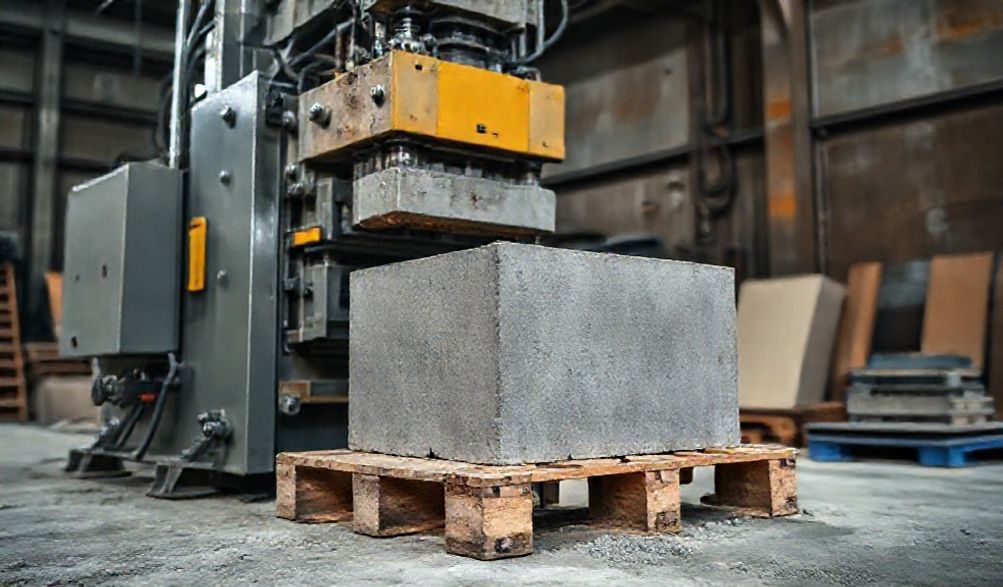
Дар асоси он, мошинаи қолаби хишт асбобест, ки раванди сохтани маводди хом - монанди гил, бетон ё хокистаи парвозро ба хиштҳо ё блокҳои дақиқ ва якхела табдил медиҳад. Он унсури инсонии тағирёбандаро бо қувваи механикӣ ё гидравликӣ иваз мекунад, ки ҳар як воҳид ба талаботи дақиқ мувофиқат мекунад.
Сафар аз гилҳои дастӣ то дастгоҳҳои муосир ва худкори имрӯзӣ, достони саноатӣ шудан аст. Ин раванд аз қолабҳои содаи чӯбӣ то дастгоҳҳои фишорӣ бо механизми ливорӣ ва дар ниҳоят то хати истеҳсолии пешрафта ва идорашаванда бо компютер таҳаввул ёфтааст. Ин таҳаввулот бо талоши бефосила барои самаранокӣ, устуворӣ ва андозаи истеҳсолот пеш рафтааст.
Принципи асосии кор дар аксари мошинҳо бо тарзи зебои сода иҷро мешавад ва аз се марҳилаи асосӣ иборат аст:
1. Хӯрок доданОмехтаи хоми тайёркардашуда ба хонии мошина бор карда мешавад.
2. Фарбеҳ кардан/Қолибгирӣ:Мавод ба ҳавзаи қолиб гузаронида мешавад, ки дар он ҷо фишори бузург (гидравликӣ ё механикӣ) онро фишор медиҳад. Ларзиш аксар вақт барои бартараф кардани ҳаво ва таъмин кардани зичии модда истифода мешавад.
3. Хориҷ кардан:Сангҳои хокистари навташкилшудаи сабз аз қолиб ба тахта ё нақлиёт барои сахт кардан ва хушк кардан тела дода мешаванд.
Намудҳои мошинаҳои қолибрезӣ барои хишт: Ёфтани мувофиқтарин
Ҳамаи машинаҳои хиштпазӣ якхела сохта нашудаанд. Интихоби шумо асосан ба мақсадҳои истеҳсолӣ, буҷа ва захираҳои дастраси шумо вобаста аст. Ин ҷо тақсимоти асосии категорияҳо оварда шудааст.
Машинаҳои дастӣ барои қолаби хишт
- Тавсиф:Инҳо соддатарин ва арзонтарин нуқтаҳои дохилшавӣ мебошанд. Амалиёт тамоми тавассути қувваи инсонӣ сурат мегирад, бо истифода аз механизми личагӣ барои фишурдани материал дар як қолиб.
- Барои беҳтарин:Лоиҳаҳои хеле хурд (ба мисли хоҷагии шахсӣ), созмонҳои ғайридавлатие, ки дар минтақаҳои деҳоти дурдаст аз шабакаи барқ фаъолият мекунанд, ё ширкатҳои навтаъсисе, ки бо сармояи ҳадди ақал имкониятҳоро месанҷанд.
- Муҳосибаҳо ва нуқсонҳо:
- Муҳоҷизот:Арзиши хеле паст, барқ лозим нест, қобили ҳамл, фаҳмидан ва нигоҳдорӣ осон.
- МанфӣҳоИстеҳсоли хеле паст (100-500 хишт дар як рӯз), бисёр меҳнатталаб, сифати номувофиқ вобаста ба қувва ва техникаи коргар.
Мошини ним-автоматикии қолабсозии хишт
- Тавсиф:Ин категория барои бисёр корхонаҳо мувозинати беҳтаринро таъмин мекунад. Онҳо одатан хӯрондани дастӣ маводро дар бар мегиранд, амле давраҳои муҳими фишурдан ва холӣ карданиро бо истифодаи муҳаррики барқӣ ё дизелӣ автоматӣ мекунанд. Бисёре аз онҳо дорои системаи оддии гидравликӣ буда, метавонанд бо чархҳо ҳаракат кунанд.
- Барои беҳтарин:Корхонаҳои хурду миёнаи сохтмон, соҳибкорони хиштпазӣ ва истеҳсолоти миқёси миёна барои таъминоти маҳаллӣ. Онҳо пуштибони аслии соҳаи хиштпазии тиҷорати хурд мебошанд.
- Муҳосибаҳо ва нуқсонҳо:
- Муҳоҷизот:Иқтидори истеҳсолии хуб, сифати устувор бо сабаби фишори механикӣ, нисбатан дастрас, нисбат ба автоматсияи пурра каммасрафтарин.
- МанфӣҳоБарои хӯрондан ва коркарди хишт ҳанӯз кори дастӣ лозим аст, ва истеҳсолот бо суръати оператор маҳдуд мешавад.
Fully Automatic Brick Moulding Machines
- Тавсиф: These are complete production lines. They integrate automated material handling, mixing, precise moulding, curing, and even robotic stacking. Controlled via PLC (Programmable Logic Controller) panels, they represent the pinnacle of output and consistency.
- Барои беҳтарин: Large-scale brick manufacturing plants, industrial production for major city developments, and government infrastructure projects requiring millions of uniform blocks.
- Муҳосибаҳо ва нуқсонҳо:
- Муҳоҷизот: Extremely high, predictable output with minimal labor, unparalleled consistency and quality control, ability to integrate with curing and packaging systems.
- Манфӣҳо Very high initial investment, significant space and power requirements, complex maintenance needing specialized technicians.
Classification by Brick Type and Output
Machines are also specialized by the product they create. Interchangeable moulds are key here.
- Машинаҳои сохтмони блокҳои холи Produce lightweight, insulating blocks with cavities. Essential for modern construction. A semi-automatic machine can produce 800-2,000 hollow blocks per day.
- Машинаҳои истеҳсоли хишти мустаҳкам: Used for traditional solid bricks or high-density blocks. Output is higher as the cycle can be faster. A similar machine might produce 1,500-3,000 solid bricks/day.
- Paver/Interlocking Block Making Machines: Designed for high-pressure compaction to create durable paving stones or interlocking blocks that don’t require mortar. Output varies widely based on thickness and complexity.
Key Benefits of Investing in a Brick Moulding Machine
Moving from manual or outsourced brick procurement to in-house machine production delivers transformative advantages.
Беҳамтонии Самаранокӣ ва Маҳсулнокӣ
A single semi-automatic machine operated by a small team can outperform 15-20 skilled manual laborers. What takes weeks manually can be accomplished in days. This accelerated timeline means faster project completion for builders and the ability to fulfill large orders for suppliers, directly translating to higher revenue potential.
Сифати баланд ва устувори хишт
This is arguably the most critical technical benefit. Machines apply calibrated, repeatable pressure (measured in tons or MPa). This ensures:
* Uniform density and compressive strength (meeting standards like IS 1077 or ASTM C90).
* Exact dimensional accuracy (length, width, height), leading to straighter walls, less mortar use, and faster bricklaying.
* Consistent finish and texture across every single unit.
This quality reduces on-site waste from breakage and rejects, and enhances the structural integrity of the final building.
Кам кардани назарраси хароҷот дар давраи дароз
While there’s an upfront cost, the Return on Investment (ROI) is compelling:
* Labor Cost Savings: Drastically reduces the number of workers needed for brick production.
* Material Waste Reduction: Precise mixing and compaction minimize raw material spillage and product rejection.
* Project Speed: Faster brick availability accelerates overall construction, reducing overhead costs.
* Revenue Stream: For entrepreneurs, it creates a product to sell. Excess production can be sold to other builders, turning a cost center into a profit center.
Versatility and Customization
Modern machines are not one-trick ponies. With interchangeable moulds, you can pivot production based on market demand:
* Switch between solid, hollow, or decorative bricks.
* Produce interlocking blocks for landscaping or pavers for driveways.
* Adapt to different raw material mixes, including eco-friendly options like fly ash (a byproduct of coal plants) or crushed construction waste.
Critical Factors for Choosing Your Brick Moulding Machine
Selecting the wrong machine is a costly mistake. Use this framework to guide your decision.
Assess Your Production Needs
Start by asking the hard questions:
* What is my average daily or monthly brick requirement? (Be realistic about current needs and near-future growth).
* What is the primary scale of my work? (Personal use, small business, industrial plant)?
* What types of bricks are in highest demand in my market? (Hollow blocks for housing, pavers for developments, solid bricks for fences)?
Understand Raw Material Requirements
The machine must be compatible with your locally available materials.
* Clay-Based Machines: Require properly tempered clay with specific plasticity.
* Машинаҳои блокҳои бетонӣ: Use a mix of cement, sand, and aggregates (like crushed stone). The mix design (e.g., 1:3:5 ratio) is critical for strength.
* Fly Ash Machines: Designed to utilize fly ash, lime, and gypsum. This is often a more eco-conscious and cost-effective choice near thermal power plants.
Always consult the machine specifications for acceptable moisture content and particle size.
Power Source and Operational Costs
Consider your operational environment:
* Моделҳои барқӣ: Clean, quiet, and efficient, but require a stable and powerful grid connection.
* Моделҳои дизелӣ: Offer independence from the grid and high torque, but have higher fuel costs, noise, and emissions.
* Моделҳои ҳибридӣ: Offer flexibility to switch between power sources, ideal for areas with intermittent electricity.
Calculate the long-term fuel/electricity consumption as part of your TCO (Total Cost of Ownership).
Machine Durability and After-Sales Support
This is where brand reputation matters immensely. Do not compromise.
* Сохтмон Look for high-quality, hardened steel in the mould, frame, and vibration table. A heavier machine often indicates better stability and longevity.
* Support Network: Prioritize suppliers who offer a clear warranty, readily available spare parts, and—crucially—local technical support or training. A machine that sits idle for weeks waiting for a specialist is a financial drain. Research and choose a partner known for эътимоднокии and service.
Operation, Maintenance, and Safety Best Practices
A machine is a long-term investment. Protect it with proper care.
Essential Pre-Operation Checks
Before starting each shift:
* Check hydraulic oil levels and for any leaks.
* Inspect all bolts and nuts for tightness.
* Ensure the mould and feeder are clean and free of hardened material residue.
* Verify that safety guards are in place.
Routine Maintenance Schedule
- Daily: Clean the machine thoroughly after use. Lubricate all moving parts as per the manual.
- Weekly: Check wear parts like mould liners, feeder scrapers, and vibration springs.
- Monthly: Inspect the hydraulic system filters and change the oil as recommended. Check electrical connections.
Non-Negotiable Safety Protocols
Ignoring safety risks severe injury. These protocols come from hard-won таҷриба:
* Training: Never allow an untrained person to operate the machine.
* PPE (Personal Protective Equipment): Operators must wear safety glasses, gloves, steel-toe boots, and hearing protection near loud machines.
* Lockout/Tagout: Always disconnect power before performing any cleaning, maintenance, or mould changes.
* Clear Area: Keep the work area organized and free of trip hazards.
Frequently Asked Questions (FAQ)
Q1: What is the average production capacity of a standard brick moulding machine?
A: Capacity varies dramatically. A manual press may produce 500 bricks/day. A semi-automatic machine typically outputs 1,000 to 5,000 bricks or blocks per 8-hour shift, depending on block size and operator efficiency. Fully automatic lines can produce 10,000 to 50,000+ units daily.
Q2: Can one machine produce different types and sizes of bricks?
A: Yes, through interchangeable moulds. Most manufacturers offer a range of moulds for their machines. However, changing moulds takes time (30 mins to a few hours), and the process is simpler on semi-automatic than on fully integrated automatic lines.
Q3: What is the typical price range for a brick moulding machine?
A: Prices span a wide spectrum: from $1,000 – $3,000 for a basic manual press, $5,000 – $25,000 for a robust semi-automatic machine, and $50,000 to over $250,000 for a fully automatic production line. Automation level, brand, and output capacity are the primary cost drivers.
Q4: How much space and what kind of foundation is required to install one?
A: A semi-automatic machine needs a level, solid concrete floor (at least 6 inches thick) and about 200-500 sq. ft. for operation, raw material storage, and brick drying. A full plant requires a large industrial shed (several thousand sq. ft.) with a heavy-duty foundation.
Q5: Are there profitable business opportunities with a brick moulding machine?
A: Yes, but success isn’t automatic. It requires careful analysis of local demand, competition, reliable access to affordable raw materials, and a solid business plan. It’s a competitive field, but for those who manage costs and quality effectively, it can be a very profitable venture. This realistic assessment is key to building эътимоднокии with potential entrepreneurs.
Conclusion
The brick moulding machine stands as a cornerstone of modern, efficient construction. It transforms a traditionally slow, variable process into a streamlined engine for productivity, quality, and profit. From empowering the small builder to supplying entire cities, its impact is foundational.
Your final choice must be a deliberate match for your specific needs in scale, budget, and material. Remember, this is not just a purchase; it’s a long-term capital investment in your construction capability or business future.
Take the insights from this guide as your blueprint. Your next steps should involve contacting multiple reputable suppliers with your detailed requirements, requesting live demonstrations or customer references, and asking the detailed technical questions that now, you are expertly prepared to ask. The right machine is out there, ready to build your next project—and your success.
<