
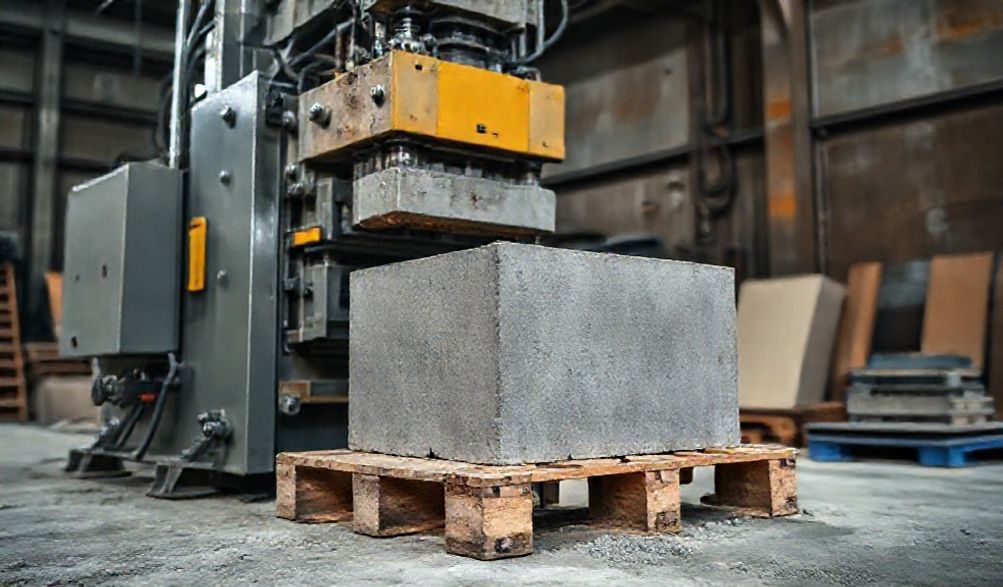
Остаточний посібник з машин для формування цегли: типи, переваги та як вибрати
Вступ
Глобальна будівельна галузь щорічно виробляє понад 1,5 трильйона цеглин. Протягом століть ця фундаментальна задача покладалася на виснажну ручну працю, що призводило до повільного виробництва, високих витрат і нестабільної якості. Сьогодні, незалежно від того, чи ви дрібний будівельник, розвиваючийся підрядник чи підприємець, що прагне увійти в будівельний сектор, обмеження традиційного виробництва цегли можуть стримувати зростання та прибутковість.
У сучасний світ будівництва вступає машина для виробництва цегли: потужний інженерний пристрій, який автоматизує та революціонізує виробництво цегли. Цей посібник розвіює всі сумніви. Створений на основі детальних галузевих специфікацій, безпосередніх даних виробників та практичних знань з поля, він стане вашим вичерпним джерелом інформації. Ви дізнаєтесь про різні типи машин, їхні конкретні переваги, ключові фактори для вибору правильної моделі та необхідні поради щодо експлуатації та обслуговування. Почнімо будувати ваші знання з нуля.
Що таке машина для виготовлення цегли? Основна функція та еволюція
В основі своїй, машина для формування цегли — це пристрій, який автоматизує процес перетворення сировини, такої як глина, бетон або зола-унос, у точні, однакові цеглини або блоки. Вона замінює змінний людський фактор механічною або гідравлічною силою, гарантуючи, що кожна одиниця відповідає чітким специфікаціям.
Шлях від ручного формування глини до сучасних автоматизованих гігантів — це історія індустріалізації. Він пройшов еволюцію від простих дерев'яних каркасів до механічних пресів з важелями, і нарешті до високотехнологічних, комп'ютеризованих виробничих ліній, які ми бачимо сьогодні. Цю еволюцію спрямовувала невпинна гонитва за ефективністю, стабільністю та масштабом.
Основний принцип роботи є надзвичайно простим у більшості машин і включає три ключові етапи:
1. Годування:Підготовлену суміш сировини завантажують у завантажувальний бункер машини.
2. Ущільнення/Формування:Матеріал переміщують у порожнину форми, де величезний тиск (гідравлічний або механічний) його ущільнює. Для видалення повітряних кишень та забезпечення щільності часто використовують вібрацію.
3. Викид:Новостворена зелена цегла виштовхується з форми на піддон або конвеєр для твердіння та сушіння.
Типи машин для формування цегли: пошук оптимального варіанту
Не всі цегельні машини створені однаковими. Ваш вибір принципово залежить від ваших виробничих цілей, бюджету та наявних ресурсів. Ось розбивка основних категорій.
Ручні машини для формування цегли
- Опис:Це найпростіші та найдоступніші варіанти для початку. Робота повністю залежить від людської сили, використовуючи важільний механізм для стиснення матеріалу в одній формі.
- Найкраще для:Надзвичайно маломасштабні проєкти (як-от особисте фермерське господарство), НУО, що працюють у віддалених сільських районах без доступу до мережі, або стартапи, які тестують ринок із мінімальними капіталовкладеннями.
- Переваги та недоліки:
- Переваги:Дуже низька вартість, не потребує електрики, портативний, легкий у розумінні та обслуговуванні.
- Недоліки:Дуже низька продуктивність (100-500 цеглин на день), висока трудомісткість, нестабільна якість, що залежить від сили та техніки оператора.
Напівавтоматичні машини для формування цегли
- Опис:Ця категорія забезпечує оптимальний баланс для багатьох підприємств. Вона зазвичай передбачає ручне завантаження матеріалу, але автоматизує ключові цикли пресування та вивантаження за допомогою електричного або дизельного двигуна. Багато моделей мають просту гідравлічну систему та можуть переміщуватися на колесах.
- Найкраще для:Невеликі та середні будівельні фірми, підприємці з виробництва цегли та виробництво середнього масштабу для місцевого постачання. Вони є робочою силою малого бізнесу в цегляній промисловості.
- Переваги та недоліки:
- Переваги:Хороша виробнича потужність, стабільна якість завдяки механізованому тиску, відносно доступна ціна, більш енергоефективна порівняно з повною автоматизацією.
- Недоліки:Ще потребує ручної праці для подачі та обробки цегли, продуктивність обмежена швидкістю оператора.
Повністю автоматичні машини для формування цегли
- Опис:Це повні виробничі лінії. Вони інтегрують автоматизоване переміщення матеріалів, змішування, точне формування, вулканізацію та навіть роботизоване штабелювання. Керовані за допомогою панелей ПЛК (програмований логічний контролер), вони є вершиною продуктивності та стабільності.
- Найкраще для:Великі заводи з виробництва цегли, промислове виробництво для розвитку великих міст та урядові інфраструктурні проекти, що потребують мільйонів однотипних блоків.
- Переваги та недоліки:
- Переваги:Надзвичайно високий, передбачуваний вихід продукції з мінімальними затратами праці, неперевершена стабільність і контроль якості, можливість інтеграції з системами затвердіння та пакування.
- Недоліки:Дуже високі початкові інвестиції, значні вимоги до простору та енергоспоживання, складне обслуговування, яке потребує спеціалізованих техніків.
Класифікація за типом цегли та виходом
Машини також спеціалізуються за продуктом, який вони виробляють. Взаємозамінні форми є тут ключовим елементом.
- Машини для виготовлення порожнистих блоків:Виробляйте легкі, ізоляційні блоки з порожнинами. Важливі для сучасного будівництва. Напівавтоматична машина може виробляти800-2,000 hollow blocks per day.
- Машини для виробництва суцільної цегли: Used for traditional solid bricks or high-density blocks. Output is higher as the cycle can be faster. A similar machine might produce 1,500-3,000 solid bricks/day.
- Paver/Interlocking Block Making Machines: Designed for high-pressure compaction to create durable paving stones or interlocking blocks that don’t require mortar. Output varies widely based on thickness and complexity.
Key Benefits of Investing in a Brick Moulding Machine
Moving from manual or outsourced brick procurement to in-house machine production delivers transformative advantages.
Неперевершена ефективність та продуктивність
A single semi-automatic machine operated by a small team can outperform 15-20 skilled manual laborers. What takes weeks manually can be accomplished in days. This accelerated timeline means faster project completion for builders and the ability to fulfill large orders for suppliers, directly translating to higher revenue potential.
Висока та стабільна якість цегли
This is arguably the most critical technical benefit. Machines apply calibrated, repeatable pressure (measured in tons or MPa). This ensures:
* Uniform density and compressive strength (meeting standards like IS 1077 or ASTM C90).
* Exact dimensional accuracy (length, width, height), leading to straighter walls, less mortar use, and faster bricklaying.
* Consistent finish and texture across every single unit.
This quality reduces on-site waste from breakage and rejects, and enhances the structural integrity of the final building.
Значна зниження витрат у довгостроковій перспективі
While there’s an upfront cost, the Return on Investment (ROI) is compelling:
* Labor Cost Savings: Drastically reduces the number of workers needed for brick production.
* Material Waste Reduction: Precise mixing and compaction minimize raw material spillage and product rejection.
* Project Speed: Faster brick availability accelerates overall construction, reducing overhead costs.
* Revenue Stream: For entrepreneurs, it creates a product to sell. Excess production can be sold to other builders, turning a cost center into a profit center.
Versatility and Customization
Modern machines are not one-trick ponies. With interchangeable moulds, you can pivot production based on market demand:
* Switch between solid, hollow, or decorative bricks.
* Produce interlocking blocks for landscaping or pavers for driveways.
* Adapt to different raw material mixes, including eco-friendly options like fly ash (a byproduct of coal plants) or crushed construction waste.
Critical Factors for Choosing Your Brick Moulding Machine
Selecting the wrong machine is a costly mistake. Use this framework to guide your decision.
Assess Your Production Needs
Start by asking the hard questions:
* What is my average daily or monthly brick requirement? (Be realistic about current needs and near-future growth).
* What is the primary scale of my work? (Personal use, small business, industrial plant)?
* What types of bricks are in highest demand in my market? (Hollow blocks for housing, pavers for developments, solid bricks for fences)?
Understand Raw Material Requirements
The machine must be compatible with your locally available materials.
* Clay-Based Machines: Require properly tempered clay with specific plasticity.
* Машини для виробництва бетонних блоків: Use a mix of cement, sand, and aggregates (like crushed stone). The mix design (e.g., 1:3:5 ratio) is critical for strength.
* Fly Ash Machines: Designed to utilize fly ash, lime, and gypsum. This is often a more eco-conscious and cost-effective choice near thermal power plants.
Always consult the machine specifications for acceptable moisture content and particle size.
Power Source and Operational Costs
Consider your operational environment:
* Електричні моделі: Clean, quiet, and efficient, but require a stable and powerful grid connection.
* Дизельні моделі: Offer independence from the grid and high torque, but have higher fuel costs, noise, and emissions.
* Гібридні моделі: Offer flexibility to switch between power sources, ideal for areas with intermittent electricity.
Calculate the long-term fuel/electricity consumption as part of your TCO (Total Cost of Ownership).
Machine Durability and After-Sales Support
This is where brand reputation matters immensely. Do not compromise.
* Будівництво: Look for high-quality, hardened steel in the mould, frame, and vibration table. A heavier machine often indicates better stability and longevity.
* Support Network: Prioritize suppliers who offer a clear warranty, readily available spare parts, and—crucially—local technical support or training. A machine that sits idle for weeks waiting for a specialist is a financial drain. Research and choose a partner known for надійність and service.
Operation, Maintenance, and Safety Best Practices
A machine is a long-term investment. Protect it with proper care.
Essential Pre-Operation Checks
Before starting each shift:
* Check hydraulic oil levels and for any leaks.
* Inspect all bolts and nuts for tightness.
* Ensure the mould and feeder are clean and free of hardened material residue.
* Verify that safety guards are in place.
Routine Maintenance Schedule
- Daily: Clean the machine thoroughly after use. Lubricate all moving parts as per the manual.
- Weekly: Check wear parts like mould liners, feeder scrapers, and vibration springs.
- Monthly: Inspect the hydraulic system filters and change the oil as recommended. Check electrical connections.
Non-Negotiable Safety Protocols
Ignoring safety risks severe injury. These protocols come from hard-won досвід:
* Навчання: Never allow an untrained person to operate the machine.
* PPE (Personal Protective Equipment): Operators must wear safety glasses, gloves, steel-toe boots, and hearing protection near loud machines.
* Lockout/Tagout: Always disconnect power before performing any cleaning, maintenance, or mould changes.
* Clear Area: Keep the work area organized and free of trip hazards.
Часті питання (FAQ)
Q1: What is the average production capacity of a standard brick moulding machine?
A: Capacity varies dramatically. A manual press may produce 500 bricks/day. A semi-automatic machine typically outputs 1,000 to 5,000 bricks or blocks per 8-hour shift, depending on block size and operator efficiency. Fully automatic lines can produce 10,000 to 50,000+ units daily.
Q2: Can one machine produce different types and sizes of bricks?
A: Yes, through interchangeable moulds. Most manufacturers offer a range of moulds for their machines. However, changing moulds takes time (30 mins to a few hours), and the process is simpler on semi-automatic than on fully integrated automatic lines.
Q3: What is the typical price range for a brick moulding machine?
A: Prices span a wide spectrum: from $1,000 – $3,000 for a basic manual press, $5,000 – $25,000 for a robust semi-automatic machine, and $50,000 to over $250,000 for a fully automatic production line. Automation level, brand, and output capacity are the primary cost drivers.
Q4: How much space and what kind of foundation is required to install one?
A: A semi-automatic machine needs a level, solid concrete floor (at least 6 inches thick) and about 200-500 sq. ft. for operation, raw material storage, and brick drying. A full plant requires a large industrial shed (several thousand sq. ft.) with a heavy-duty foundation.
Q5: Are there profitable business opportunities with a brick moulding machine?
A: Yes, but success isn’t automatic. It requires careful analysis of local demand, competition, reliable access to affordable raw materials, and a solid business plan. It’s a competitive field, but for those who manage costs and quality effectively, it can be a very profitable venture. This realistic assessment is key to building надійність with potential entrepreneurs.
Висновок
The brick moulding machine stands as a cornerstone of modern, efficient construction. It transforms a traditionally slow, variable process into a streamlined engine for productivity, quality, and profit. From empowering the small builder to supplying entire cities, its impact is foundational.
Your final choice must be a deliberate match for your specific needs in scale, budget, and material. Remember, this is not just a purchase; it’s a long-term capital investment in your construction capability or business future.
Take the insights from this guide as your blueprint. Your next steps should involve contacting multiple reputable suppliers with your detailed requirements, requesting live demonstrations or customer references, and asking the detailed technical questions that now, you are expertly prepared to ask. The right machine is out there, ready to build your next project—and your success.
<