
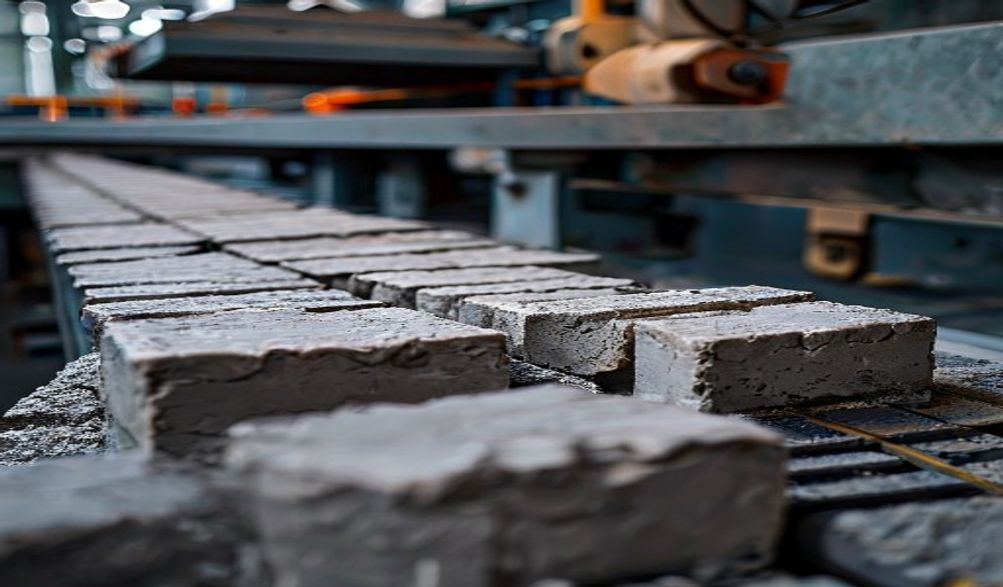
Чӣ гуна дастгоҳи сохтани хиштро интихоб кардан: Дастури ҳамаҷониба барои харидор
Муқаддима
Аз хонаи хурдтарин то осмонхарои бузургтарин, хиштҳо воқеан блокҳои сохтмонии ҷаҳони мо мебошанд. Барои соҳибкорон, ширкатҳои сохтмонӣ ва мудирони лоиҳаҳо, қароричӣ таврИстеҳсоли ин хиштҳо муҳим аст. Интихоби дастгоҳи дурусти хиштсозӣ танҳо харид нест; ин сармоягузорӣ ба сифат, самаранокӣ ва дар охир фоидаоварии тамоми амалиёти шумо мебошад. Интихоби нодуруст метавонад ба вақти таваққуф, маҳсулоти нисбатан пастсифат ва фишори молиявӣ оварда расонад.
Ин дастур ба сифати роҳнамои ниҳоии шумо хидмат мекунад. Бо истифода аз таҷрибаи соҳа, дониши техникӣ ва таҷрибаи амалии амалиётӣ сохта шуда, он аз шуми маркетингӣ мегузарад. Мо ба шумо чорчӯбаи равшан ва амалиеро пешниҳод мекунем, то ин қарори муҳимро идора кунед. То охир, шумо на танҳо мефаҳмед, киЧӣ тавр дастгоҳи истеҳсоли хишти сохтмонро интихоб карданаммо чӣ гуна интихоб карданбеҳтаринмашина барои мақсадҳои мушаххаси шумо, ки ба шумо кӯмак мекунад аз хатоҳои умумӣ ва гаронбаҳо ҷилавгирӣ кунед.
Фаҳмидани Талаботи Лоиҳаи Шумо: Асоси Интихоби Шумо
Пеш аз он ки ба тавзеҳоти як мошина назар кунед, шумо бояд ба даруни худ назар кунед. Эҳтиёҷоти беназири лоиҳаи шумо нақшаи ғайриқобили баҳс барои интихоби шумо мебошад. Ҳузури ин қадам роҳи зудтарини харидани вазнаи коғазӣ гаронбаҳо мебошад.
Арзёбии ҳаҷми истеҳсолот ва андозаи он
Натиҷаи дархостшудаи шумо ронандаи асосии хароҷот ва мураккабист. Дар пешбинӣҳои худ саддиқона рафтор кунед.
-
Хурд ва миёнаҳаҷм (дастӣ/ним-автоматӣ):
- Натиҷа:То 1,000 – 5,000 блок дар як рӯз.
- Идеалӣ барои:Стартапҳо, лоиҳаҳои хурди сохтмон, корхонаҳои асосии ҷамъиятӣ, ё тиҷоратҳое, ки бозорро озмоиш мекунанд.
- Ба назар гирифтанИн дастгоҳҳо ба кори дастӣ бештар ниёз доранд, аммо сармоягузории аввалаашон камтар ва нигоҳдории содатар доранд.
-
Истеҳсоли Тиҷоратии Васъ (Пурра Автоматӣ):
- Натиҷа:8,000 то 50,000+ блокҳо дар як рӯз.
- Идеалӣ барои:Корхонаҳои истеҳсоли хишти таъсисёфта, таъминкунандагони ширкатҳои каҳри сохтмон ва лоиҳаҳои бузурги инфраратсорӣ.
- Ба назар гирифтанХароҷоти баланди сармоягузорӣ бо хароҷоти пасти меҳнати дар як воҳид ва сифати бартар ва устувор ҷуброн карда мешавад.
Худ пурсед:Оё ин барои як лоиҳаи яккама ва мӯҳлати муайян аст, ё оғози фаъолияти истеҳсолии пайваста? Ҷавоби шумо муайян мекунад, ки оё ба аспи меҳнатӣ ниёз доред ё ба қаҳрамони давидан.
Муайян кардани навъи хиштҳо ё блокҳо
Ҳама хиштҳо баробар сохта намешаванд ва мошинҳое, ки онҳоро месозанд, низ ҳамин гуна. Маҳсули ниҳоии дӯстдошта фавран ҷустуҷӯи шуморо маҳдуд мекунад.
- Блокҳои бетонӣ пурра ва ҷофӣ:Пуштибони сохтмон. Машинаҳои бо ларзиши қавӣ ва фишори баланд лозим аст.
- Блокҳои фарш (мутақобила ё стандартӣ):Барои устуворӣ таҳшиши зичии баланд лозим аст. Одатан системаҳи махсуси таъмини палетҳо талаб карда мешаванд.
- Хӯшаҳои гилӣ (сухта ё носухта):Истифодаи технологияи тамоман гуногуни фишор ё фишор дар муқоиса бо дастгоҳҳои бетонӣ.
- Блокҳои махсус:Блокҳои заминии басташуда, блокҳои сабуки ҳавоӣ ё шаклҳои меъмории фармоишӣ ба имкониятҳои махсуси мошинҳо ва тарроҳии қолибҳо ниёз доранд.
Қоида сода аст:Аввал маҳсулоти худро муайян кунед, сипас мошинеро ёбед, ки барои истеҳсоли он сохта шудааст.
Таҳлили дастрасии маводи хом
Машинаи шумо бояд шарики манбаъҳои маҳаллии шумо бошад, на рақиб.
- Машинаҳои асоси бетонӣ:Инҳо маъмултарин мебошанд. Онҳо омехтае аз семент, рег, агрегат ва об истифода мебаранд. Боварӣ ҳосил кунед, ки дастрасии мунтазам ба агрегатҳои сифатӣ доред.
- Дастгоҳҳои хишти гилӣ:Идеалӣ аст, агар шумо захираҳои гилӣ дошта бошед. Онҳо равандҳои чун экструзия, буридани ва аксар вақт оташдиҳиро дар кӯраро дар бар мегиранд.
- Машинаҳои ҳосилшуда аз хокистор ё регИмконоти экологӣ, ки аз маҳсулоти ҷонибии саноатӣ ё хоки пойдор истифода мебаранд. Барои минтақаҳое, ки сохтмони устуворро тарғиб мекунанд, мунтазанд.
Мутобиқ кардани мошина ба маводи хоми дастрас ва арзон дар маҳалли шумо, қадами асосӣ барои давомнокии дарозмуддат мебошад.
Намудҳои асосии дастгоҳҳои сохтани хишт шарҳ дода шуданд
Акнун, биёед ниёзҳои шуморо ба категорияҳои мошинҳо тарҷума кунем. Фаҳмидани ин намудҳои асосӣ зарур аст.
Дастӣ ва ним-автоматӣ мошинҳо
Инҳо нуқтаҳои дохилшавӣ ба истеҳсоли хишт мебошанд.
- Онҳо чӣ гуна кор мекунанд: Manual machines rely entirely on human labor for mixing, feeding, and compaction (often via a lever). Semi-automatic versions use a mechanical or hydraulic press operated by a worker, with some automated elements like vibration.
- Муҳоҷизот:
- Сармоягузории аввалаи хеле кам.
- Minimal electricity consumption.
- Simple to operate and repair.
- Highly portable.
- Манфӣҳо
- Low production output.
- High labor intensity and cost.
- Inconsistency in brick density and strength if not carefully operated.
- Verdict: Perfect for proof-of-concept, very small budgets, or regions with extremely low labor costs but unreliable power.
Fully Automatic Stationary Plants
These are the powerhouses of the industry, representing a turnkey production line.
- Онҳо чӣ гуна кор мекунанд: From batching and mixing to molding, curing, and stacking, the process is automated via conveyor belts and programmable logic controllers (PLCs). Human intervention is primarily for monitoring and maintenance.
- Муҳоҷизот:
- Very high, consistent output.
- Exceptional and uniform product quality.
- Dramatically reduced labor requirements.
- Higher profit margins at scale.
- Манфӣҳо
- Very high capital cost.
- Requires significant factory space and robust power supply (3-phase).
- Complex installation and need for skilled technicians for maintenance.
- Verdict: The choice for serious, large-volume commercial production where efficiency and quality are paramount.
Дастгоҳҳои ҳаракаткунандаи сохтани хишт
These offer a unique set of advantages for specific scenarios.
- Онҳо чӣ гуна кор мекунанд: Mounted on a trailer or truck bed, these machines can be driven to a construction site to produce bricks directly where they are needed.
- Муҳоҷизот:
- Eliminates the cost and breakage of transporting finished bricks over long distances.
- Reduces the project’s carbon footprint.
- Provides flexibility for companies working on multiple remote sites.
- Манфӣҳо
- Output is generally lower than large stationary plants.
- May have higher wear and tear due to constant movement.
- Still requires a source of raw materials and power on-site.
- Verdict: An excellent solution for large, remote infrastructure projects (dams, roads, rural housing) where transport costs are prohibitive.
Critical Technical Specifications to Evaluate
When comparing specific models, move beyond the glossy pictures and focus on these hard numbers and features.
Production Capacity (Blocks Per Hour/Day)
Manufacturer claims are often based on ideal laboratory conditions.
- Look Deeper:Дархост карданвақти даврӣ (how long to produce one batch) and the mold capacity (how many blocks per cycle). Multiply these for a theoretical maximum.
- Real-World Factor: Deduct 15-20% for real-world variables like material feeding, pallet changes, and minor stoppages. A machine claiming 1,000 blocks per hour might reliably produce 800-850.
Machine Power and Energy Consumption
This is a major operational cost center.
- Навъи Қувва: Electric is clean and efficient but requires stable grid power. Diesel is powerful and independent, suited for areas with unreliable electricity, but has higher fuel costs and emissions. Hybrid models offer flexibility.
- Due Diligence: Calculate your daily running cost. A 30kW machine running 8 hours a day at your local electricity rate will have a very different cost profile than a diesel-powered one. Don’t get surprised by the power bill.
Pressure and Vibration Systems
This is the heart of your brick’s strength. Proper compaction removes air pockets and ensures density.
- Ларзиш: Essential for concrete blocks. Look for high-frequency, dual-sided vibration that ensures even compaction throughout the mold.
- Фишор Hydraulic pressure systems provide immense, controllable force, crucial for high-density paving stones and interlocking blocks. Understand the compaction force (measured in kN or tons) – higher is generally better for strength.
- Combination Systems: The best machines often employ a “vibrate and press” method for superior results.
Mold Quality and Customization
The mold defines your product’s shape and wears out over time.
- Мавод High-carbon, heat-treated steel molds last exponentially longer than mild steel ones. They resist abrasion and deformation. This is an area where cheaper machines cut corners.
- Танзимот: If you plan to produce specialty blocks, confirm the manufacturer can design and supply custom molds. Ask about the lead time and cost for additional molds.
- Changeover: How easy is it to change molds? A system that allows for quick changeovers (under 30 minutes) increases your operational flexibility.
Beyond the Machine: Operational and Support Factors
The machine’s price tag is just the beginning. True cost and success lie in these operational realities.
Total Cost of Ownership Analysis
Make a spreadsheet. Account for every cost over a 5-year period:
* Арзиши ибтидоӣ: Machine price, shipping, import duties, installation.
* Хароҷоти амалиётӣ: Energy/fuel, labor, raw materials.
* Хароҷоти нигоҳдорӣ: Routine service, replacement parts (wear parts like molds, mixer blades, hydraulic seals), and potential downtime costs.
* Training Costs: On-site training for your operators.
A slightly more expensive machine with a longer lifespan and lower maintenance can have a far lower total cost of ownership than a cheap machine that breaks down constantly.
Manufacturer Reputation and After-Sales Support
This is where your risk is managed. Your relationship with the manufacturer is as important as the machine itself.
- Establish Trust: Research their history. How long have they been in business? Look for client references and case studies – and actually contact them. Ask about machine performance and support responsiveness.
- Critical Support Elements:
- Warranty: What is covered, for how long, and what are the terms?
- Қисмҳои ивазшаванда: Is there a local parts depot? What is the typical shipping time for critical components? A machine is useless if you wait months for a spare.
- Дастгирии техникӣ: Do they offer remote support (phone, video)? Can they dispatch technicians? Is there clear documentation (manuals, diagrams)?
Safety Features and Ease of Operation
Protect your people and your investment.
- Safety First: Look for essential guards on moving parts, emergency stop buttons, and two-hand operation controls on semi-automatic machines to prevent accidents.
- Осонӣ дар истифода: A well-designed control panel, clear indicators, and logical workflow reduce operator error and training time. Good manufacturers provide comprehensive training.
A Step-by-Step Selection Checklist
Use this actionable list to guide your process from start to finish.
- Define Your Core Needs: Lock down your required production volume, brick types, raw materials, and realistic budget (including operational costs).
- Research & Create a Shortlist: Based on #1, identify 3-5 reputable manufacturers whose machine types align with your needs.
- Request & Scrutinize Detailed Quotes: Ask for formal quotes including full technical specs, FOB/CIF prices, delivery timelines, warranty details, and a list of recommended spare parts.
- Conduct Due Diligence: Ask each manufacturer for 2-3 customer references in a similar climate/region. If possible, visit a working installation to see the machine in action.
- Evaluate Support Structures: Compare warranty length, spare parts pricing and logistics, and the proposed training plan. Read the service contract carefully.
- Make Your Informed Decision: Weigh the complete package—machine performance, total cost of ownership, and the quality of manufacturer support. Choose the partner, not just the product.
Frequently Asked Questions (FAQ)
Q: What is the single most important factor when choosing a brick making machine?
A: There is no single factor. Success hinges on the precise alignment of three pillars: your specific production needs, your total available budget (including running costs)ваmachine’s proven capability backed by reliable support. The most powerful machine is a liability if you can’t afford its parts or power it.
Q: How much does a good brick making machine cost?
A: Prices have an enormous range. A simple manual machine can start at $2,000 – $5,000. A robust semi-automatic model may be $10,000 – $30,000. A fully automatic production line can range from $50,000 to over $500,000. Always analyze the Хароҷоти умумии моликиятна танҳо нархи харид нест.
Q: Can one machine produce different types of bricks?
A: Yes, versatility is common. However, it requires changing the mold. When evaluating a machine, check the cost, availability, and ease of changing molds. Some systems allow for quick changes, while others are more time-consuming.
Q: What are the most common mistakes first-time buyers make?
A:
1. Underestimating Requirements: Failing to account for needed space, power (3-phase vs. single-phase), and skilled labor.
2. Price Tunnel Vision: Choosing the absolute cheapest option, which often compromises on steel quality, leading to rapid wear and breakdowns.
3. Ignoring the Support Equation: Not planning for maintenance or verifying spare parts availability, leading to catastrophic downtime.
4. Overestimating Skill: Assuming operation is simple without investing in proper training for the team.
Conclusion
Choosing a brick making machine is a strategic decision that reverberates through your business for years. It demands a careful balance of technical understanding, financial planning, and foresight. By methodically working through your project requirements, understanding the types of machines available, scrutinizing technical specs, and, above all, prioritizing a partnership with a reputable manufacturer, you de-risk your investment.
Remember, you are not just buying a piece of equipment; you are investing in the foundation of your production capability. Prioritize long-term reliability, service, and total value over short-term savings. Use the checklist provided, compile your specific questions, and approach manufacturers not as a novice, but as an informed buyer ready for a detailed consultation. Your ideal machine is out there—now you have the blueprint to find it.
<