คู่มือกลยุทธ์สำหรับระดับการทำงานอัตโนมัติในอุปกรณ์การผลิตอิฐ
บทนำ
ในภูมิทัศน์ของอุปกรณ์การผลิตอิฐ ความแตกต่างระหว่างเครื่องจักรอัตโนมัติและเครื่องจักรแบบใช้มือนั้นเป็นมากกว่าการเลือกสไตล์การทำงานแบบง่ายๆ มันกำหนดรูปแบบธุรกิจทั้งหมด ความสามารถในการขยายขนาด และตำแหน่งทางการตลาดของโรงงานผลิต
กำหนดขอบเขต: ตั้งแต่ระบบที่ขับเคลื่อนโดยมนุษย์ไปจนถึงระบบอัตโนมัติเต็มรูปแบบ
การจำแนกประเภทของเครื่องจักรอิฐนั้นควรเข้าใจเป็นความต่อเนื่องของระบบอัตโนมัติ ซึ่งการมีส่วนร่วมของมนุษย์ถูกแทนที่ด้วยระบบกลไกและอิเล็กทรอนิกส์อย่างต่อเนื่อง
- เครื่องอัดอิฐแบบใช้มือ: แรงงานมนุษย์เป็นตัวขับเคลื่อนหลัก
- อุปกรณ์เหล่านี้เป็นกลไกเชิงกลโดยพื้นฐานที่พึ่งพาพลังกายและการควบคุมของมนุษย์ในทุกขั้นตอนของการทำงาน ผู้ปฏิบัติงานมีหน้าที่ป้อนวัตถุดิบเข้าไปในแม่พิมพ์ด้วยตนเอง ใช้คันโยกหรือกลไกล้อหมุนเพื่อออกแรงอัด จากนั้นจึงค่อยนำอิฐที่ขึ้นรูปออกมาและวางไว้เพื่อบ่มด้วยตนเอง เครื่องจักรเองไม่มีแหล่งพลังงานอิสระสำหรับการทำงานหลักของมัน จังหวะกระบวนการทั้งหมด ความสม่ำเสมอของคุณภาพ และผลผลิต ขึ้นอยู่กับทักษะ ความแข็งแรง และความอดทนของผู้ปฏิบัติงานโดยตรง
- เครื่องอัดอิฐกึ่งอัตโนมัติ: จุดเปลี่ยนผ่านแบบไฮบริด
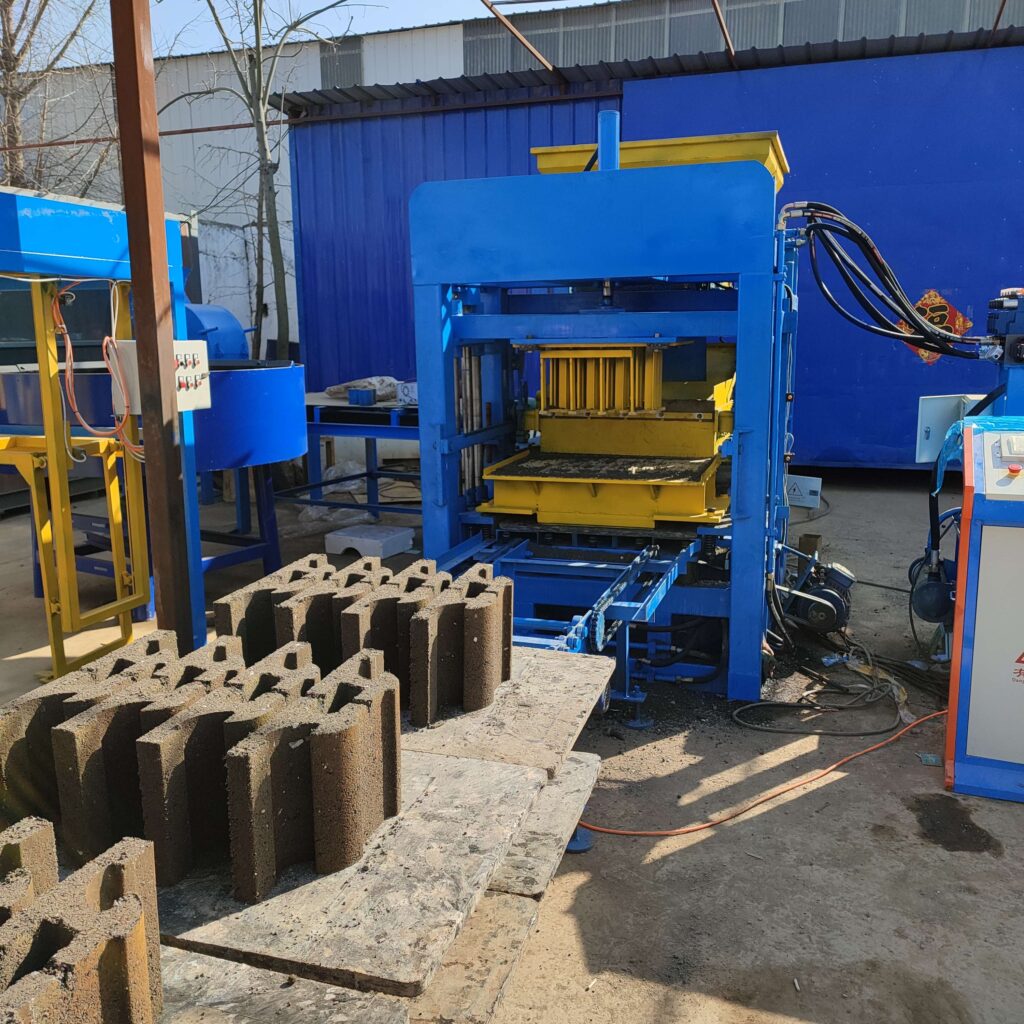
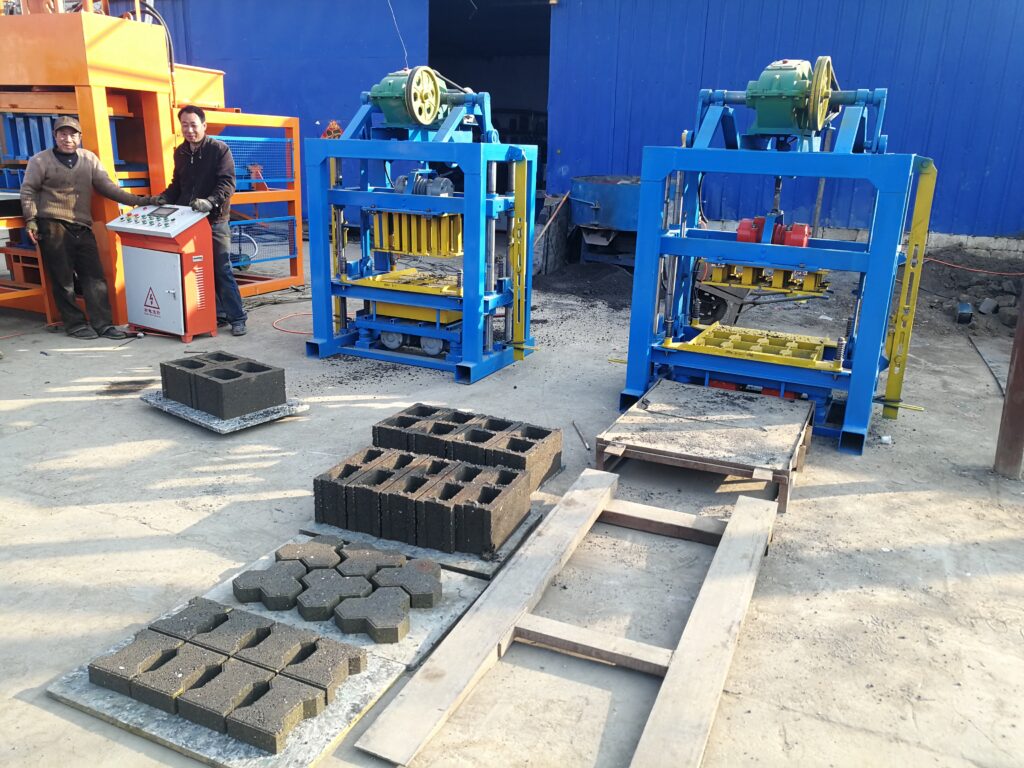
- หมวดหมู่นี้แนะนำการใช้พลังงานเครื่องจักรกลเข้ามาช่วยในส่วนที่ต้องใช้แรงมากที่สุดของวงจรการผลิต นั่นคือ การอัดแท่ง ซึ่งโดยทั่วไปจะใช้มอเตอร์ไฟฟ้าขับเคลื่อนปั๊มไฮดรอลิกหรือเครื่องอัดแบบกลไก บทบาทของผู้ปฏิบัติงานเปลี่ยนจากการใช้แรงมาเป็นการควบคุมกระบวนการทำงานแทน โดยพวกเขาจะป้อนวัสดุเข้าเครื่องด้วยมือ (หรือผ่านถังป้อนขนาดเล็ก) และมักจะเริ่มวงจรการอัดด้วยการกดปุ่มหรือโยกคันโยก จากนั้นเครื่องจะทำการอัดและดีดแท่งออกมาอัตโนมัติ ผู้ปฏิบัติงานยังคงมีบทบาทสำคัญในการจัดการวัสดุ การวางพาเลท (หากมีการใช้) และการนำอิฐออกจากเครื่อง ระดับนี้สร้างสมดุลระหว่างการลดความเครียดทางกายภาพ ในขณะที่ยังคงมีต้นทุนเริ่มต้นที่ต่ำกว่าการใช้ระบบอัตโนมัติเต็มรูปแบบ
- เครื่องอัตโนมัติสำหรับผลิตอิฐแบบเต็มระบบ: การบูรณาการระบบอัตโนมัติ
- นี่คือระบบการผลิตแบบครบวงจรที่การแทรกแซงของมนุษย์จำกัดอยู่เพียงการกำกับดูแล การตรวจสอบ และการบำรุงรักษาตามปกติ โดยระบบเหล่านี้บูรณาการระบบย่อยอัตโนมัติหลายระบบเข้าด้วยกัน
- การป้อนวัสดุอัตโนมัติจากถังบรรจุขนาดใหญ่เหนือศีรษะผ่านสายพานลำเลียงหรือเครื่องป้อน
- ระบบหมุนเวียนพาเลทอัตโนมัติระบบปิดเคลื่อนย้ายพาเลทเข้าไปในเครื่องอัด จัดวางตำแหน่ง และถ่ายโอนพาเลทที่บรรทุกแล้วออกมา
- การควบคุมแบบตั้งโปรแกรมได้PLC จัดการวงจรที่ประสานงานกันทั้งหมด—การบรรจุ การกด การดีดออก และการซ้อน—โดยมักมีผู้ปฏิบัติงานเพียงคนเดียวคอยตรวจสอบจากแผงควบคุม
- การจัดการผลิตภัณฑ์แบบบูรณาการ自动堆垛机、机械臂或传送线将生坯转移到养护区域。
- บทบาทของผู้ปฏิบัติงานเปลี่ยนไปเป็นผู้ดูแลเครื่องจักรและผู้ควบคุมกระบวนการผลิต
- นี่คือระบบการผลิตแบบครบวงจรที่การแทรกแซงของมนุษย์จำกัดอยู่เพียงการกำกับดูแล การตรวจสอบ และการบำรุงรักษาตามปกติ โดยระบบเหล่านี้บูรณาการระบบย่อยอัตโนมัติหลายระบบเข้าด้วยกัน
การวิเคราะห์เปรียบเทียบ: การประเมินในหลายมิติ
การเลือกระหว่างระบบเหล่านี้เกี่ยวข้องกับการแลกเปลี่ยนในหลายปัจจัยสำคัญทางธุรกิจและการดำเนินงาน
- ข้อกำหนดด้านแรงงานและโปรไฟล์ทักษะ
- คู่มือ:ความเข้มข้นของแรงงานสูง ต้องใช้แรงงานไร้ฝีมือหรือกึ่งฝีมือจำนวนมากเพื่อให้ได้ผลผลิตที่มีนัยสำคัญ ผลผลิตเป็นสัดส่วนโดยตรงกับขนาดทีมและความทนทาน
- กึ่งอัตโนมัติ:ลดการใช้แรงงานทางกายภาพ แต่ยังคงต้องมีผู้ปฏิบัติงานประจำเครื่องอย่างสม่ำเสมอ อาจจำเป็นต้องใช้ผู้ปฏิบัติงาน 1-2 คนต่อเครื่องสำหรับการป้อนวัตถุดิบและการจัดการผลิตภัณฑ์ ทักษะพื้นฐานในการปฏิบัติงานเครื่องจักรเป็นสิ่งจำเป็น
- อัตโนมัติเต็มรูปแบบ:ลดการใช้แรงงานโดยตรงลงอย่างมาก ผู้ปฏิบัติงานที่มีทักษะเพียงคนเดียวสามารถดูแลเครื่องจักรหลายเครื่องหรือทั้งสายการผลิตได้ โดยชุดทักษะที่ต้องการเปลี่ยนไปสู่ความรู้พื้นฐานด้านเมคคาทรอนิกส์ การใช้งานอินเทอร์เฟซ PLC และการบำรุงรักษาเชิงป้องกัน
- กำลังการผลิตและความสม่ำเสมอของผลผลิต
- คู่มือ:ผลผลิตต่ำมากและมีความผันผวนสูง (เช่น 200-500 ก้อนต่อกะ 8 ชั่วโมงต่อเครื่อง) ความสม่ำเสมอของน้ำหนัก ความหนาแน่น และขนาดของอิฐขึ้นอยู่กับเทคนิคการทำงานที่คงที่ของผู้ปฏิบัติงาน ซึ่งยากที่จะรักษาไว้ได้
- กึ่งอัตโนมัติ:ผลผลิตปานกลางและมีความเสถียรมากขึ้น (เช่น 800-2,500 ก้อนต่อกะ 8 ชั่วโมง) เครื่องจักรรับประกันความดันอัดและเวลารอบการทำงานที่สม่ำเสมอ แต่ความผันแปรในการป้อนวัตถุดิบด้วยมือยังคงทำให้เกิดความแตกต่างของผลิตภัณฑ์ได้บ้าง
- อัตโนมัติเต็มรูปแบบ:ผลผลิตสูงและมีความสม่ำเสมออย่างมาก (เช่น 3,000-15,000+ ก้อนต่อกะงาน 8 ชั่วโมง) วัฏจักรอัตโนมัติที่ทำซ้ำได้รับประกันคุณภาพผลิตภัณฑ์ที่เกือบจะเหมือนกันในทุกหน่วย ทุกชุดการผลิต ผลผลิตสามารถคาดการณ์ได้และปรับขยายขนาดได้
- การลงทุนเริ่มต้นและเศรษฐศาสตร์การดำเนินงาน
- คู่มือ:เงินลงทุนเริ่มต้นต่ำมาก ค่าใช้จ่ายหลักคือตัวเครื่องเอง อย่างไรก็ตาม ต้นทุนต่อก้อนอิฐสูงเมื่อพิจารณาต้นทุนแรงงานที่เข้มข้นและผลผลิตที่ต่ำ
- กึ่งอัตโนมัติ: Moderate capital investment. Offers a favorable balance for small to medium enterprises (SMEs) by increasing output without a quantum leap in price. Operational costs include power and moderate labor.
- อัตโนมัติเต็มรูปแบบ: High initial capital investment. However, the cost-per-brick is typically the lowest in the long run due to high output, minimal labor costs, and optimized material use. Justification is based on volume and return on investment (ROI) calculations.
- Product Quality and Technological Sophistication
- คู่มือ: Quality is artisan-like and variable. Suitable for niche, non-standardized products but risky for contracts requiring strict adherence to engineering specifications.
- กึ่งอัตโนมัติ: Good and reliable quality for standard bricks. Capable of meeting common commercial standards, as key parameters are machine-controlled.
- อัตโนมัติเต็มรูปแบบ: Excellent and precise quality. Essential for high-specification products like precision interlocking pavers, engineered masonry units, or where certification (e.g., ASTM, ISO) is required. Often includes data logging and quality monitoring features.
Strategic Selection Criteria for Client Advisory
Choosing the appropriate level of automation is a strategic decision. Key client assessment points include:
- Market Demand and Project Scale
- Is the client supplying a local, small-scale housing project (favoring semi-automatic) or bidding on large infrastructure contracts requiring guaranteed, high-volume supply (necessitating fully automatic)? The scale and consistency of demand are primary drivers.
- Capital Availability and Investment Horizon
- What is the client’s access to finance? A manual/semi-automatic machine can be a bootstrapping tool to generate capital for future automation. A fully automatic line requires significant upfront capital but a faster ROI if the market is ready.
- Local Labor Costs and Skill Availability
- In regions with low labor costs and limited technical training, semi-automatic machines may offer the most practical economic balance. In high-wage economies or areas with a skilled technician base, the labor-saving calculus strongly favors full automation.
- Business Growth Trajectory and Scalability
- A semi-automatic machine can be a starting point. Some systems are designed to be “automation-ready,” allowing for the later addition of pallet circulators and auto-feeders. Fully automatic lines are the end-state for scalable, industrial production.
The Hidden Considerations: Beyond the Purchase Price
- Infrastructure and Utility Requirements
- คู่มือ: Requires minimal infrastructure—a flat, sheltered space.
- กึ่งอัตโนมัติ: Requires a reliable electrical connection of moderate power.
- อัตโนมัติเต็มรูปแบบ: Demands robust three-phase electrical supply, significant floor space for the production line and curing area, often compressed air, and a stable concrete foundation.
- Maintenance Complexity and Downtime Risk
- คู่มือ: Simple mechanical maintenance; low skill required. Downtime has limited financial impact.
- กึ่งอัตโนมัติ: Requires basic hydraulic and electrical troubleshooting skills.
- อัตโนมัติเต็มรูปแบบ: Demands advanced preventative maintenance schedules and access to technical support for PLCs, sensors, and complex mechanical systems. Unplanned downtime is very costly, making service agreements crucial.
- Flexibility and Changeover Time
- คู่มือ: Highly flexible for custom one-off products; changeover is instant.
- กึ่งอัตโนมัติ: Relatively easy mold changeovers; good for short production runs of different products.
- อัตโนมัติเต็มรูปแบบ: Changeovers (e.g., mold and program changes) can be more time-consuming. Economically justified for long runs of a single product type, though advanced lines offer faster changeover features.
สรุป
For the equipment distributor, the conversation about automation is a conversation about the client’s business future. There is no universally “best” option; only the most appropriate solution for a given set of commercial, logistical, and aspirational conditions. A manual machine is a tool for livelihood creation in a micro-enterprise. A semi-automatic machine is the engine for a stable, growing small business. A fully automatic line is the cornerstone of an industrial-scale operation competing on quality, cost, and volume. By comprehensively evaluating factors from local labor economics to client growth ambitions, distributors can provide invaluable strategic guidance. This consultative approach—positioning the right level of automation as a key to unlocking specific market opportunities—builds enduring partnerships and establishes the distributor as an essential architect of their clients’ success in the competitive construction materials industry.
คำถามที่พบบ่อย (FAQ)
Q1: Can a semi-automatic machine be upgraded to a fully automatic one later?
ก In some cases, yes, but with important caveats. The core press of a well-designed semi-automatic machine might be compatible with add-on modules like an automatic feeder, a pallet return system, and a stacker. However, this depends entirely on the original machine’s design (frame strength, control system compatibility, etc.). The upgrade cost can approach that of a new system, and performance may not match a purpose-built automatic line. It is crucial to discuss “automation readiness” with the manufacturer at the initial purchase if this is a potential future path.
Q2: Which automation level offers the fastest return on investment (ROI)?
ก The ROI is highly context-dependent. In a low-wage, small-market setting, a เครื่องจักรกึ่งอัตโนมัติ often offers the fastest and most reliable ROI due to its moderate cost and significant productivity jump over manual labor. In a high-volume, competitive market or a region with high labor costs, a เครื่องจักรอัตโนมัติเต็มรูปแบบ, despite its high initial cost, can achieve a faster ROI due to its very low per-unit production cost and high output, provided it operates near capacity.
Q3: How significant is the difference in final product quality between a semi-automatic and a fully automatic machine?
ก While a well-operated semi-automatic machine can produce bricks that meet standard specifications, a fully automatic machine provides superior consistency. It eliminates human variability in feeding and cycle initiation, ensuring every brick is compressed with identical pressure and timing. This leads to tighter tolerances on dimensions, more uniform density and strength, and a more consistent visual appearance—critical for large, high-profile projects where batch uniformity is non-negotiable.
Q4: What are the typical power requirements for each tier?
ก
- คู่มือ: No external power required.
- กึ่งอัตโนมัติ: Typically requires a standard single-phase or three-phase electrical connection, with power ratings commonly ranging from 5 HP to 15 HP for the motor driving the hydraulic system.
- อัตโนมัติเต็มรูปแบบ: Invariably requires a robust three-phase electrical supply. Total connected power can range from 25 HP to over 100 HP, accounting for the main press, conveyor motors, mixer, hydraulic power units, and control systems.
Q5: Is operator safety a differentiator between these types?
ก Absolutely. เครื่องจักรที่ใช้มือ carry high risks of repetitive strain injury and physical fatigue. เครื่องจักรกึ่งอัตโนมัติ introduce moving parts and hydraulic pressure; operators must keep hands clear during the auto-cycle, requiring basic safety training. Fully automatic machines pose the highest inherent mechanical risk due to multiple synchronized moving parts but are equipped with comprehensive safety features like guarded zones, light curtains, emergency stop circuits, and lock-out/tag-out procedures, making the overall environment safer when protocols are followed. The risk shifts from physical strain to one of managing complex machinery.