
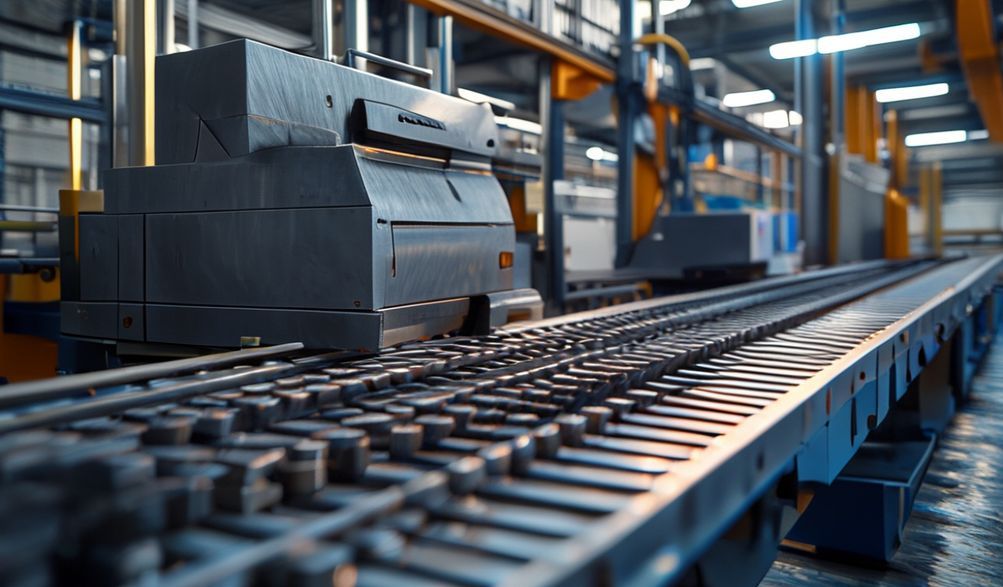
การค้นหาผู้ผลิตเครื่องทำอิฐบล็อกคุณภาพดี: มุ่งเน้นที่โรงงานอิฐฟู่ต้า
บทนำ
ในโลกของการก่อสร้าง รากฐานของโครงการที่ยิ่งใหญ่ใดๆ มักจะเริ่มต้นจากก้อนบล็อกเพียงก้อนเดียว ความต้องการวัสดุก่อสร้างที่ทนทาน ราคาจับต้องได้ และมีคุณภาพสม่ำเสมอทั่วโลกนั้นสูงกว่าที่เคยเป็นมา ส่งผลให้เกิดแรงกดดันอย่างมหาศาลต่อผู้ผลิตอิฐและบล็อก ใจกลางของอุตสาหกรรมนี้คือการตัดสินใจที่สำคัญ: การเลือกเครื่องจักรที่ผลิตชิ้นส่วนสำคัญเหล่านี้ การเลือกโรงงานผลิตเครื่องทำบล็อกอิฐที่เหมาะสมไม่ใช่เพียงภารกิจจัดซื้อ แต่เป็นการลงทุนเชิงกลยุทธ์ที่กำหนดประสิทธิภาพการผลิต คุณภาพผลิตภัณฑ์ ต้นทุนการดำเนินงานระยะยาว และท้ายที่สุดคือความสามารถในการทำกำไรและชื่อเสียงของธุรกิจของคุณ
คู่มือนี้ทำหน้าที่เป็นแหล่งข้อมูลที่ครอบคลุมสำหรับเจ้าของธุรกิจ ผู้จัดการโครงการ และผู้เชี่ยวชาญด้านการจัดซื้อ ที่กำลังดำเนินการในตลาดเครื่องจักรการผลิตอิฐระดับโลกที่มีความซับซ้อน เราจะวิเคราะห์คุณลักษณะหลักที่ทำให้ผู้ผลิตที่ยอดเยี่ยมแตกต่างจากผู้ผลิตรายอื่นๆ และจัดเตรียมกรอบการประเมินที่เป็นประโยชน์ ในส่วนของการศึกษากรณีตัวอย่างเฉพาะ เราจะใช้มุมมองเชิงวิเคราะห์กับโรงงานผลิตอิฐฟูดาชื่อที่มักพบเห็นในแวดวงนี้ เพื่อทำความเข้าใจว่ามันหมายถึงอะไรในภาพรวมที่กว้างขึ้น
คู่มือนี้รวบรวมขึ้นจากการวิเคราะห์อุตสาหกรรม การทบทวนข้อกำหนดทางเทคนิค และหลักการผลิตที่เป็นที่ยอมรับ เพื่อช่วยในการตัดสินใจจัดหาวัสดุของคุณเป้าหมายของเราคือการมอบความรู้ให้คุณเพื่อให้สามารถระบุโรงงานผลิตเครื่องทำอิฐบล็อกคุณภาพดีและลงทุนอย่างมั่นใจและรอบคอบ
อะไรที่กำหนดให้โรงงานผลิตเครื่องอัดอิฐบล็อกเป็น "คุณภาพดี"
การก้าวข้ามข้อกล่าวอ้างทางการตลาด จำเป็นต้องมีความเข้าใจที่ชัดเจนเกี่ยวกับปัจจัยที่เป็นรูปธรรมที่ประกอบขึ้นเป็นความเป็นเลิศทางการผลิต โรงงานที่มีคุณภาพถูกกำหนดโดยกระบวนการ ผลผลิต และความมุ่งมั่นระยะยาวต่อลูกค้า
มาตรฐานวิศวกรรมและการผลิต
กระดูกสันหลังของเครื่องจักรที่เชื่อถือได้อยู่ที่พื้นโรงงานและในห้องวิศวกรรม
- การรับรอง:มองหาการปฏิบัติตามมาตรฐานสากล การรับรองมาตรฐาน ISO 9001 เป็นตัวบ่งชี้ที่ชัดเจนถึงแนวทางที่เป็นระบบในการจัดการคุณภาพ สำหรับเครื่องจักรที่จำหน่ายในตลาดโลกหลายแห่ง เครื่องหมาย CE แสดงถึงการปฏิบัติตามมาตรฐานด้านสุขภาพ ความปลอดภัย และสิ่งแวดล้อมของยุโรป
- การจัดหาวัสดุเครื่องจักรคุณภาพสูงใช้วัสดุเกรดมาตรฐาน ซึ่งรวมถึงโครงสร้างเหล็กเสริมความแข็งแรง ชิ้นส่วนไฮดรอลิกที่ออกแบบด้วยความแม่นยำจากแบรนด์ที่มีชื่อเสียง (เช่น Bosch Rexroth หรือ Parker) และระบบไฟฟ้าที่เชื่อถือได้ (Siemens, Schneider)
- การควบคุมคุณภาพ (QC):กระบวนการควบคุมคุณภาพที่แข็งแกร่งเป็นสิ่งที่ขาดไม่ได้ กระบวนการนี้ควรครอบคลุมตั้งแต่การตรวจสอบวัตถุดิบขาเข้า การตรวจสอบระหว่างกระบวนการเชื่อมและประกอบ ไปจนถึงการทดสอบขั้นสุดท้ายภายใต้ภาระงานอย่างเข้มงวด
ประสิทธิภาพเครื่องจักรและตัวชี้วัดผลผลิต
ข้อกำหนดบอกเล่าเรื่องราวของความสามารถ ตัวชี้วัดประสิทธิภาพหลัก (KPIs) ต้องได้รับการตรวจสอบ
- กำลังการผลิต:วัดเป็นบล็อกต่อชั่วโมงหรือต่อกะ ตรวจสอบให้แน่ใจว่าความจุที่ระบุเป็นสำหรับประเภทและขนาดบล็อกที่คุณต้องการ
- เวลาในรอบการผลิตความเร็วของวงจรการผลิตหนึ่งรอบที่สมบูรณ์ วงจรที่เร็วและสม่ำเสมอยิ่งขึ้นหมายถึงประสิทธิภาพที่สูงขึ้น
- ความหลากหลายในการใช้งาน:เครื่องจักรสามารถผลิตบล็อกได้หลายประเภท (ทึบ, กลวง, ปูพื้น, อินเตอร์ล็อกกิ้ง) เพียงแค่เปลี่ยนแม่พิมพ์หรือไม่? ความยืดหยุ่นนี้เพิ่มมูลค่าอย่างมหาศาล
- ระดับการทำงานอัตโนมัติจากระบบป้อนด้วยมือไปจนถึงระบบอัตโนมัติเต็มรูปแบบพร้อมการจัดการพาเลทด้วยหุ่นยนต์ ระดับของระบบอัตโนมัติส่งผลกระทบโดยตรงต่อต้นทุนแรงงานและความสม่ำเสมอของผลผลิต
นวัตกรรมและการลงทุนในงานวิจัยและพัฒนา
โรงงานที่ลงทุนในการวิจัยและพัฒนากำลังลงทุนในประสิทธิภาพของคุณในอนาคต
- ความมุ่งมั่นนี้สามารถแสดงออกผ่านการออกแบบที่ประหยัดพลังงานซึ่งช่วยลดการใช้พลังงาน, ระบบสั่นสะเทือนที่ได้รับการปรับปรุงเพื่อความหนาแน่นของบล็อกที่ดีขึ้น, หรือการผสานรวมระบบ PLC (โปรแกรมเมเบิลลอจิกคอนโทรลเลอร์) เพื่อการทำงานและการวินิจฉัยที่ง่ายดายยิ่งขึ้น
- นวัตกรรมไม่จำเป็นต้องเกี่ยวกับ AI เสมอไป มันอาจเป็นการออกแบบแม่พิมพ์ที่ชาญฉลาดขึ้นซึ่งลดการสึกหรอ หรือการจัดวางระบบบำรุงรักษาที่เข้าถึงได้ง่ายกว่า
ความทนทานและการสนับสนุนหลังการขาย
การทดสอบคุณภาพที่แท้จริงของโรงงานเริ่มต้นขึ้นหลังจากเครื่องถูกจัดส่งแล้ว
- การรับประกัน:เงื่อนไขการรับประกันที่ชัดเจนและครอบคลุม (โดยทั่วไป 12-24 เดือนสำหรับชิ้นส่วนหลัก) เป็นสิ่งสำคัญ ทำความเข้าใจว่าสิ่งใดที่ครอบคลุมและขั้นตอนการเคลม
- อะไหล่: Availability of a common parts inventory and a system for supplying wear-and-tear items (like mold liners, springs, seals) is critical to minimize downtime.
- ฝ่ายสนับสนุนทางเทคนิค A quality factory provides structured support: detailed manuals, video guides, remote assistance via video call, and the option for on-site installation and training by their engineers.
Key Factors to Evaluate When Choosing a Factory
Armed with the “what,” you now need the “how.” Evaluating a potential partner requires a methodical approach.
Factory Audit and Site Inspection Checklist
If possible, visiting the factory is the single most revealing step.
- Workshop Organization: Is the production floor clean, organized, and safe? Chaos often correlates with poor quality control.
- Assembly Lines: Observe the workflow. Are there dedicated stations for welding, assembly, painting, and testing?
- Testing Procedures: Ask to witness a machine test. Is it run for an extended period under full load? Are the produced blocks measured for dimensional accuracy and strength?
- Worker Skill: Note the expertise of welders and technicians. High-skilled labor is reflected in the final product’s finish and reliability.
Analyzing Technical Specifications and Compliance
Learn to read between the lines of a spec sheet.
- Go beyond the headline numbers. Scrutinize the details: motor power (kW), hydraulic pressure (MPa), vibration frequency and amplitude, and the precise dimensions of the production table.
- Verify all claimed certifications. Request copies of certificates and, if in doubt, check with the issuing body.
- A common pitfall is focusing solely on block output while ignoring energy consumption, which is a major operational cost.
Assessing Client Portfolio and Testimonials
Past performance is the best predictor of future behavior.
- Request case studies or a client list, preferably with contacts in your region or a similar climate.
- Look for long-term clients—repeat business is a powerful testament to reliability and service.
- Don’t just accept curated testimonials. If possible, contact references directly and ask specific questions about machine performance, problem resolution, and parts support.
Total Cost of Ownership vs. Initial Price
เครื่องจักรที่ราคาถูกที่สุดมักกลายเป็นสิ่งที่แพงที่สุดในระยะยาว
- Initial Price: The FOB (Free On Board) or CIF (Cost, Insurance, Freight) price of the machine.
- Lifetime Costs: Include shipping, import duties, installation, foundation work, routine maintenance, spare parts consumption, energy usage, and potential production losses from downtime.
- A slightly more expensive machine from a quality factory with higher efficiency and lower failure rates will almost always offer a superior return on investment.
Spotlight: An In-Depth Look at FUDA Brick Making Factory
As a frequently searched supplier, FUDA serves as a useful case study for applying our evaluation framework. The following analysis is based on publicly available information and general industry positioning.
Company Overview and Market Position
FUDA is a brick and block making machinery manufacturer based in China. The company positions itself as an exporter of a range of construction machinery, with a focus on block making machines for international markets, particularly in Africa, Southeast Asia, and the Middle East. Their stated mission typically revolves around providing cost-effective machinery solutions to support infrastructure development.
FUDA’s Product Range and Technological Capabilities
FUDA’s catalog generally includes a variety of models to cater to different market segments:
- เครื่องจักรแบบมือและกึ่งอัตโนมัติ Lower-cost options suitable for small-scale startups or projects with lower output requirements.
- เครื่องทำบล็อกอัตโนมัติเต็มรูปแบบ: These are stationary machines with automatic mixing, conveying, molding, and stacking systems, aimed at medium to larger-scale production.
- เครื่องอัดบล็อกเคลื่อนที่: Often highlighted for their ability to produce bricks directly on-site, reducing material handling.
- คุณสมบัติหลัก commonly advertised include robust vibration systems for compaction, the ability to use various raw materials (soil, cement, fly ash), and modular designs for easier maintenance.
Quality Assurance Processes at FUDA
While specific internal processes vary, factories like FUDA typically outline a standard QC protocol:
- Incoming inspection of purchased materials and components.
- Stage-by-stage inspection during fabrication (welding, machining).
- Pre-delivery testing, where the machine is assembled and run to verify performance against the order specifications.
- The critical step for any buyer is to define the acceptance testing criteria in the contract before production begins.
Strengths and Considerations
A balanced view is crucial for any sourcing decision.
Potential Strengths:
* ราคาที่แข่งขันได้ Often a primary attraction, offering access to mechanized production at a lower capital entry point.
* Export Experience: Demonstrated experience in packaging and shipping machines to various international destinations.
* ช่วงผลิตภัณฑ์: A wide selection allows buyers to choose a model that fits their budget and output needs.
Key Considerations for Buyers:
* Clarity of Communication: Ensure all technical requirements, warranty terms, and support details are documented clearly in English (or your language) to avoid misunderstandings.
* Depth of Local/Regional Support: Investigate the availability and capability of their after-sales agents or partners in your country. Proximity of support is vital for quick service.
* Customization vs. Standard Models: Be clear on what modifications are possible and how they affect price and lead time.
* Contract Specificity: As with any international supplier, the contract is your primary protection. It must be exhaustive.
How to Verify and Vet Any Brick Machine Factory (Including FUDA)
Empower yourself with due diligence. This process applies universally.
Conducting Due Diligence
- Verify Business Legitimacy: Request their business license and check their registration with local Chinese authorities via third-party verification services if needed.
- Contact Past Clients: Use the provided reference list. Ask specific questions: “What was your biggest challenge after installation?” and “How was the response time for technical support?”
- Check Certification Authenticity: Note the certification number from their documents and verify it on the issuer’s website if possible.
The Critical Role of Communication and Contract Clarity
The contract is your project’s blueprint.
- It must unambiguously detail: Technical Specifications (attach approved drawings), Delivery Terms (Incoterms 2020), Payment Schedule (e.g., 30% deposit, 70% against copy of Bill of Lading), การรับประกัน (scope, duration, claim process), and Force Majeure & Dispute Resolution clauses.
Requesting and Interpreting a Factory Quotation
A professional quote is a sign of a professional supplier.
- It should be itemized: Machine price, mold costs, spare parts package, tool kit, shipping costs, insurance.
- Clearly state the Trade Term (FOB Shanghai, CIF Durban, etc.).
- Include key technical data and reference drawings for approval before production.
- Specify packaging details (export wooden case) and the estimated lead time.
คำถามที่พบบ่อย (FAQ)
Q1: What is the typical lead time for a brick making machine from a Chinese factory like FUDA?
ก Lead times vary significantly. A standard model might take 30-45 days after deposit, while a customized or large automatic line could require 60-90 days. Crucially, always get a written, date-bound guarantee in your contract, with penalties for delays.
Q2: How can I ensure the machine will work with my local raw materials (e.g., soil/cement type)?
ก This is a vital step. Provide 20-30kg of your representative raw materials (soil, sand, ash) to the factory before finalizing the order. They should conduct lab tests and a production trial, providing you with a mix formula and sample blocks for your approval.
Q3: What after-sales support should I expect from a quality factory?
ก Expect comprehensive support: 1) Detailed operation and maintenance manuals, 2) Remote guidance via video call for installation and troubleshooting, 3) The option for paid on-site engineer deployment, 4) Operator training, and 5) A responsive parts department with clear pricing and shipping timelines.
Q4: Are there red flags to watch out for when dealing with new suppliers?
ก Yes. Major red flags include: reluctance or refusal to provide client references, pressure to pay 100% upfront, vague or incomplete contracts, lack of technical drawings, inability to conduct a video call from their active workshop, and quotes that seem unrealistically low compared to the market.
สรุป
Identifying a truly good quality block bricks making machine factory is a deliberate process that extends far beyond comparing online brochures and price lists. It demands a focus on fundamental manufacturing integrity, verifiable performance, and a proven framework for long-term support. As we’ve explored, factories like โรงงานผลิตอิฐฟูดา represent a segment of the global supply market that offers accessible solutions, but they also underscore the universal necessity for meticulous buyer due diligence.
The principles outlined here—auditing standards, analyzing total cost, verifying claims, and insisting on crystal-clear contracts—are non-negotiable, regardless of the supplier’s location or brand. Use this guide as a structured checklist for your evaluation.
Your next step: Compile a shortlist of 3-5 factories that meet your initial criteria. Engage with them using the specific questions and requests detailed above. Request comprehensive, itemized proposals and, if feasible, plan site inspections. By investing time in this selection process, you are not just buying a machine; you are securing a cornerstone for your business’s productivity and growth for years to come.
<