
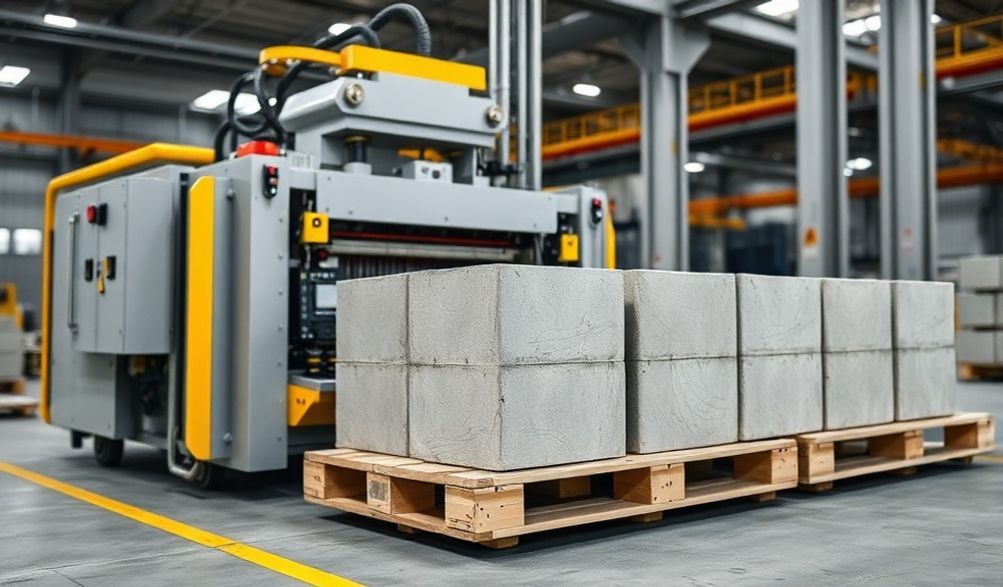
Presyo ng Makina sa Paggawa ng Bloke: Isang Kumpletong Gabay para sa Mamimili ng 2024
Ang paghahanap ng tamang makina ng paggawa ng bloke ay maaaring nakakalito, lalo na kapag ang mga presyo ay mula sa ilang libo hanggang sa mahigit isang daang libong dolyar. Paano mo malalaman kung ano ang tunay mong binabayaran? Ang mas murang makina ba ay isang magandang halaga o isang problema sa hinaharap? Ang napakaraming opsyon ay maaaring makapagpahinto kahit sa pinakadesisibong may-ari ng negosyo.
Ang komprehensibong gabay na ito ay naglilinaw sa lahat ng pagkalito. Bubusisiin natin ang eksaktong mga salik na nagtatakda ng presyo ng mga makina ng paggawa ng bloke, ihahambing ang iba't ibang uri at ang kanilang makatotohanang mga saklaw ng gastos, at ibubunyag ang mga kadalasang nakatagong halaga ng pagmamay-ari. Ang layunin namin ay gawin kang isang maalam na mamumuhunan mula sa isang nalilitong mamimili, na may sapat na kaalaman upang makagawa ng desisyon na magpapalaki ng iyong return on investment (ROI) sa mga darating na taon.
Sa pagtatapos ng gabay na ito tungkol sa "presyo ng block making machine," malinaw mong mauunawaan ang mga pangunahing salik na nakakaapekto sa presyo, makakapagkumpara ka nang tumpak ng mga modelo at supplier, at makakabuo ng badyet para sa proyekto na sumasalamin sa tunay na halaga ng iyong negosyo. Simulan na natin.
Mga Pangunahing Salik na Tumutukoy sa Presyo ng Makina sa Paggawa ng Bloke
Ang presyo ng isang makina ng paggawa ng bloke ay hindi basta-basta lamang. Ito ay direktang salamin ng kakayahan, tibay, at teknolohiyang taglay nito. Ang pag-unawa sa mga pangunahing salik na ito ang unang hakbang sa paggawa ng matalinong pagbili.
Kapasidad at Produksyon ng Paggawa
Ang pinakamahalagang salik sa pagtukoy ng presyo ay kung gaano karaming bloke ang kayang gawin ng makina. Karaniwan itong sinusukat sa bilang ng bloke bawat oras o bawat 8-oras na pagtatrabaho.
- Direktang Kaugnayan:May halos tuwirang ugnayan ang produksyon at presyo. Ang isang makina na idinisenyo para makagawa ng 2,000 bloke bawat araw ay mas mura nang malaki kaysa sa isang ginawa para sa 10,000 bloke bawat araw.
- Ang Saklaw ng Sukat:Ang mga manual na makina ay maaaring makagawa ng ilang daang bloke bawat araw na may isang pangkat ng mga trabahador. Ang mga semi-awtomatikong makina ay maaaring magpaangat nito hanggang sa ilang libo. Ang mga ganap na awtomatikong linya ng produksyon ay idinisenyo para sa sampu-sampung libong bloke araw-araw, kaya naman mas mataas ang presyo nito.
Antas ng Automasyon
Ang automation ang makina ng parehong kahusayan at gastos. Ang saklaw ay malinaw:Manwal < Semi-Awto < Ganap na Awto.
- Manual na Makina:Pinakamababang paunang gastos, pinakamataas na pangmatagalang gastos sa paggawa. Nangangailangan ang mga ito ng malaking pisikal na pagsisikap para sa paghahalo, pagpapakain, at paghubog.
- Semi-Automatikong Makina:Isang pamumuhunan sa gitnang antas. Automatiko nilang isinasagawa ang mga kritikal na proseso ng pagpiga at panginginig, kadalasan sa pamamagitan ng mga sistemang haydroliko, ngunit maaaring mangailangan ng manwal na pagpapakain ng hilaw na materyales o pag-aalis ng mga tapos na bloke.
- Ganap na Awtomatikong Makina:Ang pinakamataas na paunang gastos, ngunit binabago nila ang dinamika ng paggawa. Ang mga sistemang ito ay may awtomatikong paghahanda ng materyales, paghahalo, paghubog, pagpapatigas, at pagtatambak. Malinaw ang kapalit: mamuhunan ng mas malaking kapital sa simula upang makatipid nang malaki sa gastos sa paggawa at makamit ang walang katulad na pagkakapare-pareho sa produksyon.
Uri ng Makina at Mga Pagtutukoy ng Bloke
Hindi lahat ng block machine ay magkakapareho. Ang uri ng bloke na kailangan mong gawin ang nagdidikta sa disenyo at pagiging kumplikado ng makina.
- Mga Makina ng Hollow Block:Karaniwan at kadalasang batayan sa pagpepresyo.
- Mga Makina para sa Paver, Interlocking, at Curbstone:Ang mga ito ay nangangailangan ng mas espesyalisadong molde at minsan iba't ibang pattern ng vibration, na nagpapataas ng gastos.
- Mga Makinang Maraming Gamit:Ang mga makina na kayang gumawa ng iba't ibang uri ng bloke sa pamamagitan ng pagpapalit ng molde ay mas maraming gamit ngunit mas mahal din kumpara sa mga yunit na iisa lang ang layunin.
- Pagiging Komplikado ng AmagAng masalimuot na disenyo (hal., pandekorasyon na mga pavers) ay nangangailangan ng tumpak na inhinyeriya ng matitigas na moldeng bakal, na siyang pangunahing bahagi ng gastos.
- Mga Espesyal na Tampok:Ang mga dagdag na tulad ng awtomatikong tagabigay ng kulay para sa paving stones o pinagsamang concrete mixer ay magdaragdag sa base price.
Reputasyon ng Tatak & Bansa ng Pinagmulan
Where a machine is built and who builds it carries a price implication tied to perceived quality, innovation, and support.
- Established Global Brands (e.g., German, Italian, U.S.): Command a premium price. You’re investing in decades of engineering expertise, high-grade materials, rigorous testing, and (typically) a global network for after-sales service and spare parts. This translates to reliability and minimized downtime.
- Emerging Market Manufacturers (e.g., Indian, Chinese, Turkish): Offer highly competitive pricing. The value proposition is strong, but due diligence is critical. The key is to vet the specific manufacturer for:
- Quality of components (hydraulics, electrical systems).
- Availability of detailed technical documentation.
- Responsiveness of their after-sales service and spare parts supply chain.
Block Making Machine Price Ranges by Type (2024 Estimates)
To ground our discussion, here are realistic price brackets for 2024. Remember, these are estimates—final pricing depends on the specific factors above and your supplier.
Manual & Small-Scale Machines
- Saklaw ng Presyo:$1,000 – $15,000
- Angkop Para Sa: Entrepreneurs starting a small business, community projects, or low-volume on-site production where labor costs are low.
- Mga Halimbawa: Manual “egg-laying” type machines (which produce blocks in place), small stationary machines with simple vibration motors.
Semi-Automaticong Makina
- Saklaw ng Presyo:$15,000 – $50,000
- Angkop Para Sa: Growing block-making businesses, medium-scale production for local construction companies, or municipal works.
- Mga Halimbawa: Stationary machines with robust hydraulic systems for high-pressure compaction, possibly with automatic pallet feeders or block ejectors. Output can range from 1,000 to 5,000+ blocks per 8-hour shift.
Fully Automatic Machines & Production Lines
- Saklaw ng Presyo: $50,000 – $300,000+
- Angkop Para Sa: Large-scale commercial plants, industrial production supplying regional markets, or major infrastructure projects.
- Mga Halimbawa: These are complete systems. They include high-speed machines with pallet circulators, automatic material handling robots, programmable logic controller (PLC) panels, and sometimes integrated curing racks. Output can easily exceed 10,000 blocks per shift.
Beyond the Sticker Price: The True Cost of Ownership
The purchase price is just the entry ticket. The real cost of owning and operating a block making machine includes several critical, often overlooked, expenses.
Shipping, Installation, and Commissioning
A machine sitting in a port isn’t making you money. Budget for getting it to your site and making it operational.
- Incoterms Matter: Know the difference between FOB (Libre sa Barko)atCIF (Gastos, Seguro, at Kargamento). FOB means you own and are responsible for the goods once they’re loaded on the ship; you arrange and pay for the main shipping and insurance. CIF means the supplier arranges and pays for shipping to your port.
- Mga Nakatagong Gastos: Don’t forget import duties, customs clearance fees, and local transport from the port to your factory.
- Technical Setup: Factor in the cost of foundation work, electrical hookup, and the potential need for a technician from the supplier for installation and commissioning. This service may be included or be an extra fee.
Operating Costs: Power, Labor, and Raw Materials
Your daily expenses will directly impact profitability.
- Konsumo ng Kuryente: Fully automatic lines with multiple motors, hydraulics, and conveyors consume significant electricity. Request the machine’s power rating (in kW) to estimate this cost.
- Paggawa: This is where automation pays off. A semi-automatic machine may need 3-4 operators, while a fully automatic line might run with 1-2. Calculate your local wage costs over 5 years.
- Mga Hilaw na Materyales: The cost and quality of your concrete mix (cement, aggregates, water) is your largest recurring expense. A consistent, high-quality mix is non-negotiable for producing sellable blocks and protecting your machine from wear.
Maintenance, Spare Parts, and Downtime
This is the ultimate test of your machine’s value. A cheap machine with frequent breakdowns can be more expensive than a costly, reliable one.
- Preventive Maintenance: Budget for regular oil changes, filter replacements, and wear-part inspections. A good supplier will provide a maintenance schedule.
- Critical Spare Parts: Identify and keep a small inventory of parts most prone to failure (e.g., specific hydraulic seals, vibration motor bearings, mold liners). The lead time to get these parts can mean days of lost production.
- The Cost of Downtime: When your machine stops, your revenue stops. The true value of a reliable brand or a supplier with excellent local service is measured in uptime.
How to Get the Best Value for Your Investment
Value isn’t about finding the lowest price; it’s about optimizing the balance between cost, performance, and reliability for your specific needs.
Accurately Assessing Your Needs
Start with a business plan, not a brochure. Ask yourself:
- What is my realistic daily and monthly production target in Year 1? Year 3?
- What specific block types (hollow, solid, paver) does my local market demand?
- What is the selling price for these blocks in my area?
- What is my available budget, including a 15-20% contingency for shipping and setup?
Vetting Suppliers and Requesting Quotes
Treat this like hiring a key business partner. Your supplier’s support is as important as the machine.
- Due Diligence Checklist:
- Request and contact customer references, especially those in a similar climate or region.
- Magtanong ka.detailed videos of the machine in operation at their factory.
- Review the technical specification sheet line by line.
- Understand the warranty terms (duration, what’s covered, what’s not).
- Inquire about the availability and lead time for spare parts.
- Get Multiple Quotes: Ensure each quote is for the exact same specifications so you can make a true comparison.
Key Questions to Ask Before You Buy
Go beyond price. Use this script in your discussions:
- “Can you provide a performance guarantee for output (blocks per hour) and block strength?”
- “What is the standard and optional warranty? What is the process for making a claim?”
- “Do you provide on-site installation and operator training? Is it included or an extra cost?”
- “Can you share a list of recommended critical spare parts to keep in stock and their prices?”
- “What is the estimated power consumption of this model?”
Mga Madalas Itanong (FAQ)
What is the cheapest block making machine available?
The absolute cheapest options are small, manual press machines, which can start around $1,000. However, it’s crucial to understand the trade-offs: extremely low output, high physical labor requirements, and limited block quality consistency. For a business, focusing on “value for money” rather than the “cheapest price” is a far more sustainable strategy.
Can I get a good automatic block machine under $20,000?
You need to set realistic expectations. A brand-new, high-quality, fully automatic production line is highly unlikely in this price range. However, a robust semi-awtomatikong makina with good output or a basic automatic machine from certain emerging markets may fall within this bracket. The key is to intensify your supplier vetting—scrutinize build quality, component brands, and service promises.
How much profit can I make with a block making machine?
Profitability isn’t guaranteed by the machine alone; it’s determined by your market, efficiency, and management. A simplified way to think about it is your break-even volume. Calculate: Machine Total Investment / (Selling Price per Block - Production Cost per Block) = Number of blocks to break even. Your production cost includes raw materials, labor, power, and maintenance. Profit depends on how efficiently you can produce and sell blocks beyond this volume.
Are used block making machines a good option to save money?
They can be, but they carry risk. Mga Kalamangan: Significantly lower upfront capital cost. Mga Disbentahe: Potential for hidden mechanical issues, outdated technology, higher energy consumption, and likely no warranty. If considering used, it is highly recommended to have the machine inspected by an independent, qualified technician. Also, ensure critical spare parts are still available for that model.
Konklusyon
Navigating the “block making machine price” landscape requires looking beyond the initial quote. As we’ve detailed, the final price is a direct function of production capacity, level of automation, machine type, and the brand’s reputation for support. The most cost-effective choice is rarely the cheapest one; it’s the machine that aligns perfectly with your production goals and offers the lowest total cost of ownership through reliability and efficiency.
Investing in a block making machine is a significant decision that forms the foundation of your business. By focusing on your specific needs, conducting thorough supplier due diligence, and planning for all associated costs, you can select equipment that becomes a profitable and reliable cornerstone of your operation for years to come.
Ready to move forward? Download our free Project Planning & Budget Worksheet to systematically organize your requirements, compare quotes, and build a realistic financial model for your block-making venture.
<