
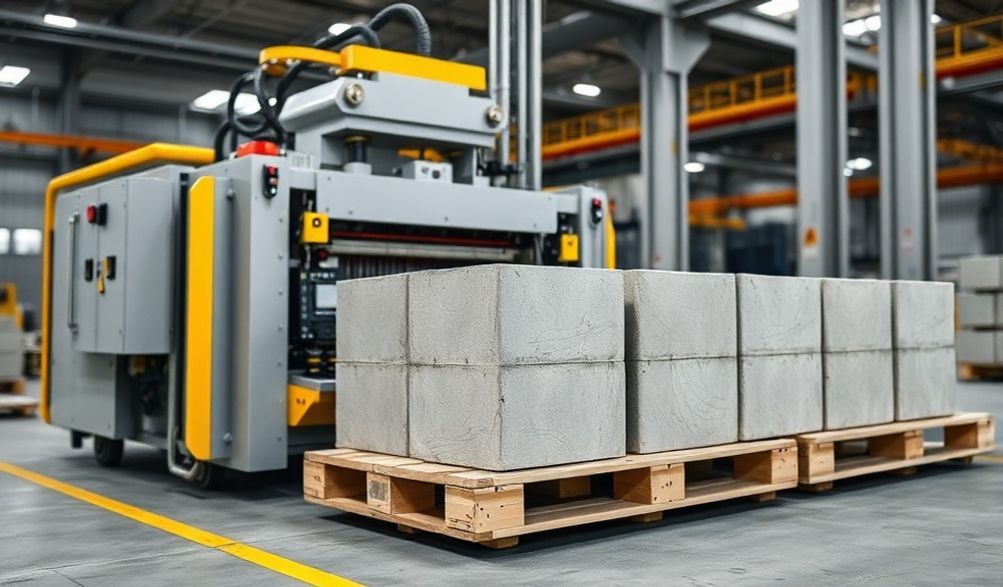
Цена на станок для производства блоков: Полное руководство для покупателя на 2024 год
Выбор подходящего станка для производства блоков может оказаться непростой задачей, особенно когда цены варьируются от нескольких тысяч до более ста тысяч долларов. Как понять, за что вы на самом деле платите? Дешёвый станок — это выгодная покупка или будущая головная боль? Огромное количество вариантов может поставить в тупик даже самого решительного владельца бизнеса.
Это исчерпывающее руководство развеет всю путаницу. Мы подробно разберем ключевые факторы, определяющие цены на станки для производства блоков, сравним различные типы оборудования и их реальные ценовые диапазоны, а также раскроем часто скрытые расходы на владение. Наша цель — превратить вас из растерянного покупателя в информированного инвестора, готового принять решение, которое обеспечит максимальную отдачу от инвестиций (ROI) на долгие годы вперед.
К концу этого руководства по ценам на станки для производства блоков вы будете четко понимать ключевые факторы, влияющие на стоимость, сможете точно сравнивать модели и поставщиков, а также составить бюджет проекта, отражающий реальные затраты на ваше начинание. Давайте начнем.
Ключевые факторы, определяющие цены на станки для производства блоков
Цена на станок для производства блоков не случайна. Она напрямую отражает его возможности, долговечность и внутренние технологии. Понимание этих ключевых факторов — первый шаг к разумной покупке.
Производственные мощности и выпуск продукции
Наиболее важным фактором, определяющим цену, является количество блоков, которое может производить машина. Обычно это измеряется в блоках в час или за 8-часовую смену.
- Прямая корреляция:Существует почти линейная зависимость между производительностью и ценой. Станок, рассчитанный на производство 2 000 блоков в день, будет стоить значительно дешевле, чем предназначенный для 10 000 блоков в сутки.
- Спектр масштабов:Ручные машины могут производить несколько сотен блоков в день с бригадой рабочих. Полуавтоматические машины способны увеличить этот показатель до нескольких тысяч. Полностью автоматизированные производственные линии рассчитаны на десятки тысяч блоков ежедневно, что и объясняет их высокую стоимость.
Уровень автоматизации
Автоматизация — это двигатель как эффективности, так и затрат. Спектр очевиден:Ручной < Полуавтоматический < Полностью автоматический.
- Ручные станки:Наименьшие первоначальные затраты, наибольшие долгосрочные затраты на рабочую силу. Они требуют значительных физических усилий для смешивания, подачи и формования.
- Полуавтоматические станки:Средний вариант инвестиций. Они автоматизируют ключевые процессы прессования и вибрации, часто с использованием гидравлических систем, но могут требовать ручной загрузки сырья или извлечения готовых блоков.
- Полностью автоматические машины:Наибольшие первоначальные затраты, но они меняют динамику труда. Эти системы включают автоматизированное дозирование материалов, смешивание, формование, отверждение и штабелирование. Компромисс очевиден: вложить больше капитала заранее, чтобы значительно сэкономить на трудовых затратах и достичь беспрецедентной стабильности производства.
Тип машины и технические характеристики блока
Не все станки для производства блоков одинаковы. Тип блока, который вам нужно производить, определяет конструкцию и сложность машины.
- Машины для производства пустотелых блоков:Общий и часто базовый уровень для ценообразования.
- Машины для укладки тротуарной плитки, брусчатки и бордюрного камня: These require more specialized molds and sometimes different vibration patterns, increasing the cost.
- Многофункциональные машины: Machines that can produce multiple block types by changing molds are more versatile but also more expensive than single-purpose units.
- Mold Complexity: Intricate designs (e.g., decorative pavers) require precision-engineered, hardened steel molds, which are a major cost component.
- Special Features: Add-ons like automatic color dispensers for paving stones or integrated concrete mixers will add to the base price.
Репутация бренда и страна происхождения
Where a machine is built and who builds it carries a price implication tied to perceived quality, innovation, and support.
- Established Global Brands (e.g., German, Italian, U.S.): Command a premium price. You’re investing in decades of engineering expertise, high-grade materials, rigorous testing, and (typically) a global network for after-sales service and spare parts. This translates to reliability and minimized downtime.
- Emerging Market Manufacturers (e.g., Indian, Chinese, Turkish): Offer highly competitive pricing. The value proposition is strong, but due diligence is critical. The key is to vet the specific manufacturer for:
- Quality of components (hydraulics, electrical systems).
- Availability of detailed technical documentation.
- Responsiveness of their after-sales service and spare parts supply chain.
Block Making Machine Price Ranges by Type (2024 Estimates)
To ground our discussion, here are realistic price brackets for 2024. Remember, these are estimates—final pricing depends on the specific factors above and your supplier.
Ручные и малогабаритные машины
- Диапазон цен:1000 – 15 000 долларов
- Идеально подходит для: Entrepreneurs starting a small business, community projects, or low-volume on-site production where labor costs are low.
- Примеры: Manual “egg-laying” type machines (which produce blocks in place), small stationary machines with simple vibration motors.
Полуавтоматические машины
- Диапазон цен: $15,000 – $50,000
- Идеально подходит для: Growing block-making businesses, medium-scale production for local construction companies, or municipal works.
- Примеры: Stationary machines with robust hydraulic systems for high-pressure compaction, possibly with automatic pallet feeders or block ejectors. Output can range from 1,000 to 5,000+ blocks per 8-hour shift.
Fully Automatic Machines & Production Lines
- Диапазон цен: $50,000 – $300,000+
- Идеально подходит для: Large-scale commercial plants, industrial production supplying regional markets, or major infrastructure projects.
- Примеры: These are complete systems. They include high-speed machines with pallet circulators, automatic material handling robots, programmable logic controller (PLC) panels, and sometimes integrated curing racks. Output can easily exceed 10,000 blocks per shift.
За рамками ценника: реальная стоимость владения
The purchase price is just the entry ticket. The real cost of owning and operating a block making machine includes several critical, often overlooked, expenses.
Shipping, Installation, and Commissioning
A machine sitting in a port isn’t making you money. Budget for getting it to your site and making it operational.
- Incoterms Matter: Know the difference between ФОБ (Франко борт)иCIF (стоимость, страхование и фрахт). FOB means you own and are responsible for the goods once they’re loaded on the ship; you arrange and pay for the main shipping and insurance. CIF means the supplier arranges and pays for shipping to your port.
- Скрытые расходы: Don’t forget import duties, customs clearance fees, and local transport from the port to your factory.
- Technical Setup: Factor in the cost of foundation work, electrical hookup, and the potential need for a technician from the supplier for installation and commissioning. This service may be included or be an extra fee.
Operating Costs: Power, Labor, and Raw Materials
Your daily expenses will directly impact profitability.
- Потребление электроэнергии: Fully automatic lines with multiple motors, hydraulics, and conveyors consume significant electricity. Request the machine’s power rating (in kW) to estimate this cost.
- Труд: This is where automation pays off. A semi-automatic machine may need 3-4 operators, while a fully automatic line might run with 1-2. Calculate your local wage costs over 5 years.
- Сырье: The cost and quality of your concrete mix (cement, aggregates, water) is your largest recurring expense. A consistent, high-quality mix is non-negotiable for producing sellable blocks and protecting your machine from wear.
Maintenance, Spare Parts, and Downtime
This is the ultimate test of your machine’s value. A cheap machine with frequent breakdowns can be more expensive than a costly, reliable one.
- Профилактическое обслуживание: Budget for regular oil changes, filter replacements, and wear-part inspections. A good supplier will provide a maintenance schedule.
- Critical Spare Parts: Identify and keep a small inventory of parts most prone to failure (e.g., specific hydraulic seals, vibration motor bearings, mold liners). The lead time to get these parts can mean days of lost production.
- The Cost of Downtime: When your machine stops, your revenue stops. The true value of a reliable brand or a supplier with excellent local service is measured in uptime.
How to Get the Best Value for Your Investment
Value isn’t about finding the lowest price; it’s about optimizing the balance between cost, performance, and reliability for your specific needs.
Accurately Assessing Your Needs
Start with a business plan, not a brochure. Ask yourself:
- What is my realistic daily and monthly production target in Year 1? Year 3?
- What specific block types (hollow, solid, paver) does my local market demand?
- What is the selling price for these blocks in my area?
- What is my available budget, including a 15-20% contingency for shipping and setup?
Vetting Suppliers and Requesting Quotes
Treat this like hiring a key business partner. Your supplier’s support is as important as the machine.
- Due Diligence Checklist:
- Request and contact customer references, especially those in a similar climate or region.
- Попроситеdetailed videos of the machine in operation at their factory.
- Review the technical specification sheet line by line.
- Understand the warranty terms (duration, what’s covered, what’s not).
- Inquire about the availability and lead time for spare parts.
- Get Multiple Quotes: Ensure each quote is for the exact same specifications so you can make a true comparison.
Key Questions to Ask Before You Buy
Go beyond price. Use this script in your discussions:
- “Can you provide a performance guarantee for output (blocks per hour) and block strength?”
- “What is the standard and optional warranty? What is the process for making a claim?”
- “Do you provide on-site installation and operator training? Is it included or an extra cost?”
- “Can you share a list of recommended critical spare parts to keep in stock and their prices?”
- “What is the estimated power consumption of this model?”
Frequently Asked Questions (FAQ)
What is the cheapest block making machine available?
The absolute cheapest options are small, manual press machines, which can start around $1,000. However, it’s crucial to understand the trade-offs: extremely low output, high physical labor requirements, and limited block quality consistency. For a business, focusing on “value for money” rather than the “cheapest price” is a far more sustainable strategy.
Can I get a good automatic block machine under $20,000?
You need to set realistic expectations. A brand-new, high-quality, fully automatic production line is highly unlikely in this price range. However, a robust полуавтоматическая машина with good output or a basic automatic machine from certain emerging markets may fall within this bracket. The key is to intensify your supplier vetting—scrutinize build quality, component brands, and service promises.
How much profit can I make with a block making machine?
Profitability isn’t guaranteed by the machine alone; it’s determined by your market, efficiency, and management. A simplified way to think about it is your break-even volume. Calculate: Machine Total Investment / (Selling Price per Block - Production Cost per Block) = Number of blocks to break even. Your production cost includes raw materials, labor, power, and maintenance. Profit depends on how efficiently you can produce and sell blocks beyond this volume.
Are used block making machines a good option to save money?
They can be, but they carry risk. Плюсы: Significantly lower upfront capital cost. Минусы: Potential for hidden mechanical issues, outdated technology, higher energy consumption, and likely no warranty. If considering used, it is highly recommended to have the machine inspected by an independent, qualified technician. Also, ensure critical spare parts are still available for that model.
Заключение
Navigating the “block making machine price” landscape requires looking beyond the initial quote. As we’ve detailed, the final price is a direct function of production capacity, level of automation, machine type, and the brand’s reputation for support. The most cost-effective choice is rarely the cheapest one; it’s the machine that aligns perfectly with your production goals and offers the lowest total cost of ownership through reliability and efficiency.
Investing in a block making machine is a significant decision that forms the foundation of your business. By focusing on your specific needs, conducting thorough supplier due diligence, and planning for all associated costs, you can select equipment that becomes a profitable and reliable cornerstone of your operation for years to come.
Ready to move forward? Download our free Project Planning & Budget Worksheet to systematically organize your requirements, compare quotes, and build a realistic financial model for your block-making venture.
<