
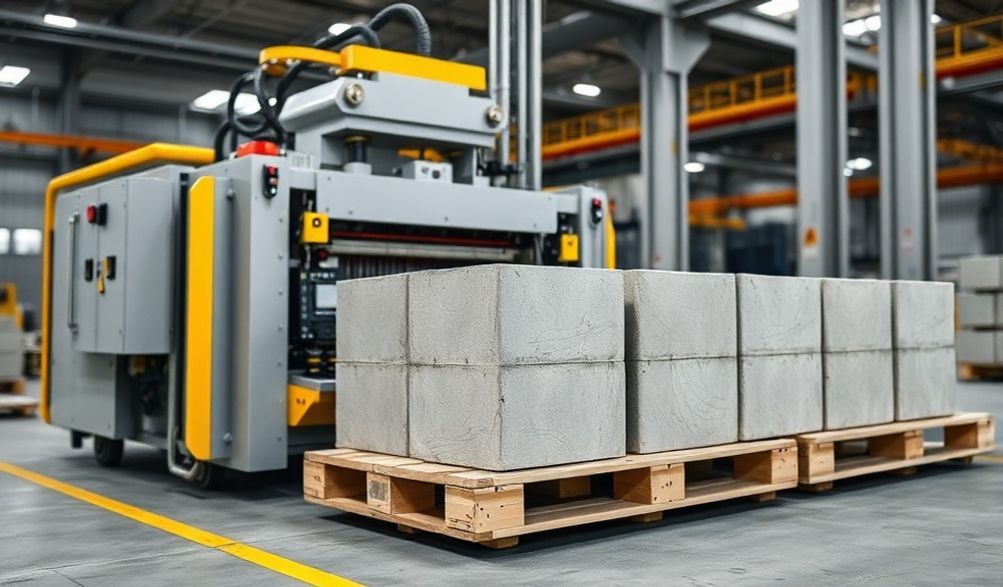
Giá Máy Sản Xuất Gạch: Hướng Dẫn Mua Hàng Toàn Diện 2024
Việc tìm kiếm đúng loại máy sản xuất gạch có thể khiến bạn choáng ngợp, đặc biệt khi giá cả dao động từ vài nghìn đến hơn trăm nghìn đô la. Làm sao để biết thực sự bạn đang trả tiền cho điều gì? Liệu một chiếc máy rẻ hơn là món hời hay sẽ là cơn đau đầu trong tương lai? Hàng loạt lựa chọn có thể làm tê liệt ngay cả chủ doanh nghiệp quyết đoán nhất.
Hướng dẫn toàn diện này sẽ giúp bạn xóa tan mọi băn khoăn. Chúng tôi sẽ phân tích chi tiết các yếu tố quyết định giá máy sản xuất gạch, so sánh các loại máy khác nhau cùng phạm vi chi phí thực tế, và tiết lộ những khoản chi phí sở hữu thường bị che giấu. Mục tiêu của chúng tôi là biến bạn từ một người mua hàng đầy bối rối trở thành một nhà đầu tư sáng suốt, được trang bị đầy đủ để đưa ra quyết định tối đa hóa lợi tức đầu tư (ROI) trong nhiều năm tới.
Đến cuối hướng dẫn "giá máy sản xuất gạch" này, bạn sẽ hiểu rõ các yếu tố chính ảnh hưởng đến giá, có thể so sánh chính xác các mẫu mã và nhà cung cấp, đồng thời lập ngân sách dự án phản ánh đúng chi phí thực tế cho công việc kinh doanh của mình. Chúng ta hãy cùng tìm hiểu.
Các Yếu Tố Chính Quyết Định Giá Máy Sản Xuất Gạch
Giá niêm yết của một máy làm khối không phải là ngẫu nhiên. Nó phản ánh trực tiếp khả năng, độ bền và công nghệ bên trong. Hiểu được những yếu tố cốt lõi này là bước đầu tiên để thực hiện một giao dịch mua sắm thông minh.
Năng Lực Sản Xuất & Sản Lượng
Yếu tố chính quyết định giá là số lượng khối mà máy có thể sản xuất, thường được đo bằng khối mỗi giờ hoặc mỗi ca 8 giờ.
- Tương quan trực tiếpCó một mối quan hệ gần như tuyến tính giữa sản lượng và giá cả. Một máy được thiết kế để sản xuất 2.000 khối mỗi ngày sẽ có chi phí thấp hơn đáng kể so với một máy được chế tạo để sản xuất 10.000 khối mỗi ngày.
- Quang phổ quy môMáy móc thủ công có thể sản xuất vài trăm khối mỗi ngày với một đội nhân công. Máy bán tự động có thể nâng con số này lên đến vài nghìn. Trong khi đó, các dây chuyền sản xuất tự động hoàn toàn được thiết kế để sản xuất hàng chục nghìn khối mỗi ngày, do đó chúng có mức giá cao hơn.
Mức độ Tự động hóa
Tự động hóa là động lực của cả hiệu quả lẫn chi phí. Phổ ứng dụng của nó rất rõ ràng:Thủ công < Bán tự động < Tự động hoàn toàn.
- Máy Móc Thủ Công:Chi phí ban đầu thấp nhất, chi phí nhân công dài hạn cao nhất. Chúng đòi hỏi nhiều nỗ lực thể chất cho việc trộn, cho ăn và tạo khuôn.
- Máy Bán Tự Động:Một khoản đầu tư trung dung. Chúng tự động hóa các quy trình nén và rung quan trọng, thường sử dụng hệ thống thủy lực, nhưng có thể yêu cầu cấp nguyên liệu thô hoặc lấy các khối thành phẩm bằng tay.
- Máy Móc Tự Động Hoàn Toàn:Chi phí ban đầu cao nhất, nhưng chúng thay đổi hoàn toàn động lực lao động. Các hệ thống này bao gồm các khâu tự động hóa như định lượng, trộn, đúc, bảo dưỡng và xếp chồng nguyên liệu. Sự đánh đổi rất rõ ràng: đầu tư nhiều vốn ban đầu hơn để tiết kiệm đáng kể chi phí nhân công và đạt được sự đồng nhất sản xuất chưa từng có.
Loại Máy & Thông Số Khối
Không phải tất cả các máy ép gạch đều được chế tạo giống nhau. Loại gạch bạn cần sản xuất quyết định thiết kế và độ phức tạp của máy móc.
- Máy Sản Xuất Gạch Rỗng:Phổ biến và thường là cơ sở để định giá.
- Máy lát gạch, máy lát gạch lồng ghép và máy làm đá vỉa hè:那些需要更专业化的模具以及有时不同的振捣模式,从而增加了成本。
- Máy Đa Năng: Machines that can produce multiple block types by changing molds are more versatile but also more expensive than single-purpose units.
- Mold Complexity: Intricate designs (e.g., decorative pavers) require precision-engineered, hardened steel molds, which are a major cost component.
- Special Features: Add-ons like automatic color dispensers for paving stones or integrated concrete mixers will add to the base price.
Brand Reputation & Country of Origin
Where a machine is built and who builds it carries a price implication tied to perceived quality, innovation, and support.
- Established Global Brands (e.g., German, Italian, U.S.): Command a premium price. You’re investing in decades of engineering expertise, high-grade materials, rigorous testing, and (typically) a global network for after-sales service and spare parts. This translates to reliability and minimized downtime.
- Emerging Market Manufacturers (e.g., Indian, Chinese, Turkish): Offer highly competitive pricing. The value proposition is strong, but due diligence is critical. The key is to vet the specific manufacturer for:
- Quality of components (hydraulics, electrical systems).
- Availability of detailed technical documentation.
- Responsiveness of their after-sales service and spare parts supply chain.
Block Making Machine Price Ranges by Type (2024 Estimates)
To ground our discussion, here are realistic price brackets for 2024. Remember, these are estimates—final pricing depends on the specific factors above and your supplier.
Máy Móc Thủ Công & Quy Mô Nhỏ
- Khoảng giá:1.000 – 15.000 đô la
- Lý Tưởng Cho: Entrepreneurs starting a small business, community projects, or low-volume on-site production where labor costs are low.
- Ví dụ: Manual “egg-laying” type machines (which produce blocks in place), small stationary machines with simple vibration motors.
Máy Bán Tự Động
- Khoảng giá:$15.000 – $50.000
- Lý Tưởng Cho: Growing block-making businesses, medium-scale production for local construction companies, or municipal works.
- Ví dụ: Stationary machines with robust hydraulic systems for high-pressure compaction, possibly with automatic pallet feeders or block ejectors. Output can range from 1,000 to 5,000+ blocks per 8-hour shift.
Fully Automatic Machines & Production Lines
- Khoảng giá: $50,000 – $300,000+
- Lý Tưởng Cho: Large-scale commercial plants, industrial production supplying regional markets, or major infrastructure projects.
- Ví dụ: These are complete systems. They include high-speed machines with pallet circulators, automatic material handling robots, programmable logic controller (PLC) panels, and sometimes integrated curing racks. Output can easily exceed 10,000 blocks per shift.
Beyond the Sticker Price: The True Cost of Ownership
The purchase price is just the entry ticket. The real cost of owning and operating a block making machine includes several critical, often overlooked, expenses.
Shipping, Installation, and Commissioning
A machine sitting in a port isn’t making you money. Budget for getting it to your site and making it operational.
- Incoterms Matter: Know the difference between FOB (Giao hàng lên tàu)vàCIF (Chi phí, Bảo hiểm và Cước phí). FOB means you own and are responsible for the goods once they’re loaded on the ship; you arrange and pay for the main shipping and insurance. CIF means the supplier arranges and pays for shipping to your port.
- Chi Phí Ẩn: Don’t forget import duties, customs clearance fees, and local transport from the port to your factory.
- Technical Setup: Factor in the cost of foundation work, electrical hookup, and the potential need for a technician from the supplier for installation and commissioning. This service may be included or be an extra fee.
Operating Costs: Power, Labor, and Raw Materials
Your daily expenses will directly impact profitability.
- Tiêu thụ điện năng: Fully automatic lines with multiple motors, hydraulics, and conveyors consume significant electricity. Request the machine’s power rating (in kW) to estimate this cost.
- Lao động This is where automation pays off. A semi-automatic machine may need 3-4 operators, while a fully automatic line might run with 1-2. Calculate your local wage costs over 5 years.
- Nguyên liệu thô: The cost and quality of your concrete mix (cement, aggregates, water) is your largest recurring expense. A consistent, high-quality mix is non-negotiable for producing sellable blocks and protecting your machine from wear.
Maintenance, Spare Parts, and Downtime
This is the ultimate test of your machine’s value. A cheap machine with frequent breakdowns can be more expensive than a costly, reliable one.
- Preventive Maintenance: Budget for regular oil changes, filter replacements, and wear-part inspections. A good supplier will provide a maintenance schedule.
- Critical Spare Parts: Identify and keep a small inventory of parts most prone to failure (e.g., specific hydraulic seals, vibration motor bearings, mold liners). The lead time to get these parts can mean days of lost production.
- The Cost of Downtime: When your machine stops, your revenue stops. The true value of a reliable brand or a supplier with excellent local service is measured in uptime.
How to Get the Best Value for Your Investment
Value isn’t about finding the lowest price; it’s about optimizing the balance between cost, performance, and reliability for your specific needs.
Accurately Assessing Your Needs
Start with a business plan, not a brochure. Ask yourself:
- What is my realistic daily and monthly production target in Year 1? Year 3?
- What specific block types (hollow, solid, paver) does my local market demand?
- What is the selling price for these blocks in my area?
- What is my available budget, including a 15-20% contingency for shipping and setup?
Vetting Suppliers and Requesting Quotes
Treat this like hiring a key business partner. Your supplier’s support is as important as the machine.
- Due Diligence Checklist:
- Request and contact customer references, especially those in a similar climate or region.
- Xin hỏidetailed videos of the machine in operation at their factory.
- Review the technical specification sheet line by line.
- Understand the warranty terms (duration, what’s covered, what’s not).
- Inquire about the availability and lead time for spare parts.
- Get Multiple Quotes: Ensure each quote is for the exact same specifications so you can make a true comparison.
Key Questions to Ask Before You Buy
Go beyond price. Use this script in your discussions:
- “Can you provide a performance guarantee for output (blocks per hour) and block strength?”
- “Cái gì là”standard and optional warranty? What is the process for making a claim?”
- “Do you provide on-site installation and operator training? Is it included or an extra cost?”
- “Can you share a list of recommended critical spare parts to keep in stock and their prices?”
- “Cái gì là”estimated power consumption of this model?”
Các Câu Hỏi Thường Gặp (FAQ)
What is the cheapest block making machine available?
The absolute cheapest options are small, manual press machines, which can start around $1,000. However, it’s crucial to understand the trade-offs: extremely low output, high physical labor requirements, and limited block quality consistency. For a business, focusing on “value for money” rather than the “cheapest price” is a far more sustainable strategy.
Can I get a good automatic block machine under $20,000?
You need to set realistic expectations. A brand-new, high-quality, fully automatic production line is highly unlikely in this price range. However, a robust máy bán tự động with good output or a basic automatic machine from certain emerging markets may fall within this bracket. The key is to intensify your supplier vetting—scrutinize build quality, component brands, and service promises.
How much profit can I make with a block making machine?
Profitability isn’t guaranteed by the machine alone; it’s determined by your market, efficiency, and management. A simplified way to think about it is your break-even volume. Calculate: Machine Total Investment / (Selling Price per Block - Production Cost per Block) = Number of blocks to break even. Your production cost includes raw materials, labor, power, and maintenance. Profit depends on how efficiently you can produce and sell blocks beyond this volume.
Are used block making machines a good option to save money?
They can be, but they carry risk. Ưu điểm: Significantly lower upfront capital cost. Nhược điểm: Potential for hidden mechanical issues, outdated technology, higher energy consumption, and likely no warranty. If considering used, it is highly recommended to have the machine inspected by an independent, qualified technician. Also, ensure critical spare parts are still available for that model.
Conclusion
Navigating the “block making machine price” landscape requires looking beyond the initial quote. As we’ve detailed, the final price is a direct function of production capacity, level of automation, machine type, and the brand’s reputation for support. The most cost-effective choice is rarely the cheapest one; it’s the machine that aligns perfectly with your production goals and offers the lowest total cost of ownership through reliability and efficiency.
Investing in a block making machine is a significant decision that forms the foundation of your business. By focusing on your specific needs, conducting thorough supplier due diligence, and planning for all associated costs, you can select equipment that becomes a profitable and reliable cornerstone of your operation for years to come.
Ready to move forward? Download our free Project Planning & Budget Worksheet to systematically organize your requirements, compare quotes, and build a realistic financial model for your block-making venture.
<