
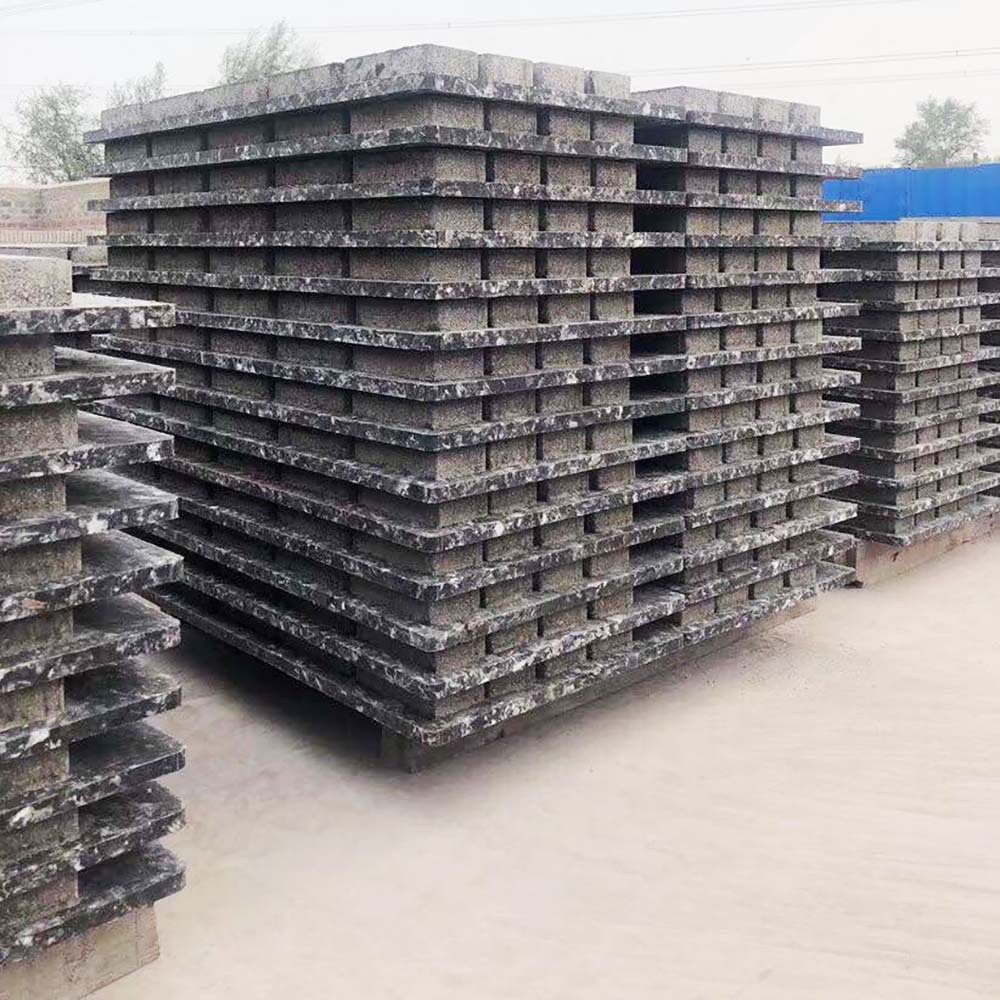
Khoa Học Về Hydrat Hóa: Nền Tảng Của Việc Chữa Lành
Về bản chất, bảo dưỡng là quá trình duy trì điều kiện độ ẩm và nhiệt độ thích hợp để hỗ trợ và hoàn thành phản ứng hóa học giữa xi măng Portland và nước.
1.1 Phản ứng Hydrat hóa: Từ Hồ Xi Măng đến Đá Xi Măng
Khi nước được trộn với xi măng, một chuỗi phản ứng tỏa nhiệt phức tạp bắt đầu diễn ra. Các hợp chất canxi silicat chính (C3S và C2S) phản ứng với nước để tạo ra gel canxi silicat ngậm nước (C-S-H) và canxi hydroxit. Gel C-S-H là chất kết dính thiết yếu, hình thành nên các sợi liên kết chặt chẽ ở cấp độ vi mô, dần dần tiêu thụ nước và không gian có sẵn, liên kết các cốt liệu với nhau và tạo ra một ma trận rắn chắc với độ bền và mật độ ngày càng tăng. Phản ứng này không xảy ra tức thời; ban đầu nó diễn ra nhanh chóng và tiếp tục với tốc độ giảm dần trong nhiều tuần, nhiều tháng, thậm chí nhiều năm.
1.2 Tại sao Quá trình Bảo dưỡng là Không thể Thiếu
Việc bảo dưỡng đúng cách không chỉ đơn thuần là một bước hoàn thiện tùy chọn; đó là yếu tố quyết định để phát huy tiềm năng vốn có của thiết kế hỗn hợp bê tông.
- Phát triển sức mạnhCường độ nén, kéo và uốn của gạch bê tông tỷ lệ thuận trực tiếp với mức độ hydrat hóa đạt được. Việc bảo dưỡng không đầy đủ sẽ dẫn đến sản phẩm cuối cùng yếu, xốp và dễ vỡ.
- Độ bền và khả năng chống chịu thời tiết:Một ma trận được hydrat hóa hoàn toàn có độ thấm nước giảm, khiến viên gạch chống chịu tốt hơn với sự xâm nhập của nước, chu kỳ đóng băng - tan băng, và sự tấn công từ sulfat hoặc clorua. Điều này trực tiếp dẫn đến tuổi thọ sử dụng lâu hơn và giảm nhu cầu bảo trì cho người dùng cuối.
- Giảm thiểu co ngót và nứt vỡ:Khi nước bốc hơi khỏi bề mặt nhanh hơn lượng được bù đắp từ bên trong, các vết nứt co ngót do nhựa có thể hình thành. Quá trình bảo dưỡng có kiểm soát giúp giảm thiểu mất độ ẩm, từ đó hạn chế nguy cơ nứt vừa mất thẩm mỹ vừa ảnh hưởng đến kết cấu.
- Khả năng chống mài mòn và chống nở hoaMột bề mặt đặc chắc, được bảo dưỡng tốt sẽ có khả năng chống mài mòn cao hơn. Hơn nữa, bằng cách hạn chế các đường thấm nước, sự di chuyển của muối hòa tan lên bề mặt (hiện tượng nở hoa) cũng được giảm thiểu đáng kể.
Methodologies and Technologies in Concrete Brick Curing
Various established methods are employed to create the ideal environment for hydration, each with distinct operational and economic implications.
2.1 Water-Retention Methods
These methods involve physically applying or retaining water on the brick surfaces to prevent moisture loss.
- Ponding or Immersion: Newly produced bricks on pallets are surrounded by dikes and flooded with water. While highly effective, it is water-intensive, requires a level, impervious floor, and is less common for large-scale modern production.
- Spraying and Fogging: Automated or manual systems intermittently spray a fine mist of water over stacks of bricks. This is effective but can lead to uneven curing if not carefully managed and may require significant water recycling systems.
- Wet Coverings: The use of moisture-retaining fabrics such as burlap, cotton mats, or specialized geotextiles saturated with water and draped over brick stacks. These require consistent re-wetting to remain effective.
2.2 Moisture-Sealing Methods
These techniques focus on sealing in the mix water to prevent its escape.
- Plastic Sheeting: Impermeable polyethylene or polypropylene sheets are tightly draped over brick pallets immediately after demolding. This is a low-cost and common method but risks creating condensation marks on bricks and requires careful sealing at the edges.
- Membrane-Forming Curing Compounds: These are liquid sprays (typically resin- or wax-based) applied to the exposed surfaces of the bricks. They form a continuous thin film that retards moisture evaporation. Efficacy depends on correct application rate and uniformity. The membrane eventually wears off or is removed during construction.
2.3 Accelerated Curing Methods
To achieve rapid strength gain for faster turnover and shipping, controlled heat and moisture are applied.
- Low-Pressure Steam Curing: This is the industry standard for high-throughput plants. Pallets of green bricks are rolled into insulated, sealed chambers (curing kilns or rooms). Steam is introduced, raising the ambient temperature to a controlled range, typically between 50°C and 80°C (120°F-180°F), at near 100% relative humidity for a prescribed period (often 12-24 hours). This process accelerates early strength gain dramatically without damaging the long-term hydration process.
- Heat and Humidity Chambers: Similar to steam curing but using heated water mist or radiators in a highly humid environment. Offers precise control but can have higher energy costs.
- Insulated Curing Rooms: For operations without steam, simply housing green bricks in an enclosed, insulated space traps the heat of hydration and naturally released moisture, creating a favorable microclimate that is more effective than open-yard storage.
Critical Parameters for Optimized Curing
Successful curing requires precise control and monitoring of several interdependent variables.
3.1 The Critical Window: Initial Curing
The first 24 to 72 hours post-molding are the most critical. The brick must gain sufficient strength to be handled without deformation or damage (often called “green strength”) before it can be moved to a secondary curing area. During this period, preventing moisture loss is paramount. Many producers use immediate covering with plastic or transfer to a high-humidity “pre-curing” area.
3.2 Duration of Curing
While strength gain continues indefinitely, practical curing duration is defined to meet a specified strength, often the 28-day design strength.
- Minimum Practical Duration: Under ideal conditions, a minimum of 7 days of moist curing is recommended. For steam-cured bricks, the accelerated cycle (e.g., 18 hours) typically achieves a strength equivalent to 3-7 days of standard curing.
- Full Specification Strength: The benchmark 28-day compressive strength is the standard for compliance with building codes (e.g., ASTM C90). Proper curing for the initial 7 days is essential to achieving this strength reliably.
3.3 Temperature Control
Temperature governs the rate of the hydration reaction.
- Optimal Range: The ideal ambient temperature range for standard curing is between 15°C and 25°C (60°F-77°F). Temperatures below 10°C (50°F) severely slow hydration. Temperatures above 30°C (86°F) can lead to rapid moisture loss and, in extreme cases, thermal cracking.
- Managing the Heat of Hydration: In large, dense pours or tightly packed brick stacks, the internal heat generated by hydration must be monitored to prevent excessive temperature differentials between the core and the surface, which can cause stress cracking.
3.4 The Imperative of Moisture Continuity
The single most important factor is ensuring that the relative humidity (RH) immediately surrounding the bricks remains above 80%, and preferably above 90%. Any drop below this threshold slows hydration proportionally. Modern curing chambers are equipped with humidistats and automated misting systems to maintain this constant high-humidity environment.
Operational and Quality Assurance Considerations for Industry Professionals
For the supply chain intermediary, understanding curing translates to verifying quality and managing logistics.
4.1 Assessing Producer Capabilities
When evaluating a supplier, inquire specifically about their curing protocol. Key questions include: Do they use steam curing chambers? What is their standard curing cycle duration and temperature? How do they monitor and control humidity? How long do bricks remain in controlled curing before open storage? The answers will directly correlate to product consistency and performance.
4.2 Impact on Supply Chain Timing
Accelerated curing enables faster order fulfillment. A producer using a 24-hour steam cycle can demold, cure, and package bricks for shipment in 2-3 days. A producer relying on 7-14 days of moist curing requires longer lead times and more storage space. This has direct implications for inventory management and project scheduling for your clients.
4.3 Identifying and Preventing Curing-Related Defects
Knowledge of curing allows for root-cause analysis of common brick quality issues.
- Surface Dusting and Low Strength: Almost invariably caused by premature drying (inadequate curing), leading to a weak surface layer.
- Crazing and Fine Cracking: Often the result of drying occurring before sufficient strength has developed, or from drastic temperature/humidity fluctuations during the curing period.
- Inconsistent Color: Can be caused by uneven application of curing membranes, patchy wetting from sprays, or condensation dripping from improperly draped plastic sheeting.
Conclusion
The curing of concrete bricks is a deliberate and controlled engineering process, fundamental to transforming a shaped mixture into a reliable, high-performance construction material. For dealers and procurement experts, a sophisticated grasp of hydration science, curing methodologies, and critical control parameters is not merely academic—it is a vital commercial tool. It enables the discernment of quality between suppliers, provides the technical foundation for client advisory services, and ensures the procurement of bricks that will meet structural specifications and durability expectations in the field. In an industry where product integrity is paramount, understanding that true strength is developed not just in the mixer or the press, but patiently within the carefully managed environment of the curing chamber, separates the informed professional from the mere order-taker. Prioritizing proper curing is, unequivocally, an investment in product reputation and long-term customer satisfaction.
FAQ
Q1: What is the absolute minimum curing time required before bricks can be shipped or used in construction?
A: There is no universal absolute minimum, as it depends on the mix design and curing method. However, bricks must achieve a sufficient “handling strength” to prevent damage during shipping and placement. For steam-cured bricks, this is often within 24 hours. For moist-cured bricks, a minimum of 3-7 days is typical. Crucially, the brick must meet the specified compressive strength at 28 days, which requires adequate early curing. Shipping prematurely can risk damage and on-site performance failures.
Q2: Can concrete bricks be “over-cured,” and what are the risks?
A: While the hydration reaction benefits from extended moisture, the operational concept of “over-curing” in a controlled environment is rare. However, risks associated with excessive or improper heat/humidity include: Thermal Stress: If the temperature during steam curing is raised too high too quickly (generally above 85°C/185°F), it can damage the long-term strength development and cause delayed expansion. Condensation Staining: In sealed curing, uneven temperatures can lead to condensate dripping onto bricks, causing surface blemishes. The key is controlled, consistent conditions per a validated cycle, not indefinite exposure.
Q3: How does cold weather impact the curing process, and how do professional producers mitigate it?
A: Cold weather is a major challenge. Hydration slows significantly below 10°C (50°F) and virtually stops at freezing temperatures, which can cause irreversible damage if the mix water freezes. Professional mitigations include: Using insulated and heated curing chambers to maintain optimal temperature regardless of external weather. Extending the curing duration to account for slower strength gain. Utilizing admixtures (accelerators) in the mix design to speed up early reaction times in cold conditions. Open-yard curing is not viable in freezing climates without protective enclosures and heat.
Q4: What is the difference between “curing” and “drying” in the context of concrete bricks?
A: This is a vital distinction. Chữa bệnh is the addition of moisture or the retention of internal moisture to promote the strength-generating chemical reaction. Drying is the removal of excess moisture from the brick after it has gained sufficient strength. Drying occurs naturally after the brick leaves the curing environment and is exposed to ambient air. Bricks must be adequately cured before they begin drying. Attempting to dry (or use) an uncured brick will arrest strength development and compromise quality.
Q5: How can a distributor visually assess if a batch of bricks has been poorly cured?
A: While laboratory testing is definitive, visual and simple tactile checks can indicate potential curing issues:
- Surface Texture: Run a hand over the brick. A powdery, sandy, or easily abraded surface often indicates inadequate curing and low surface strength.
- Ring Test: Gently strike two bricks together. A clear, sharp “ring” suggests good density and bonding. A dull “thud” can indicate internal porosity or weakness, potentially from poor curing.
- Color Inconsistency: Patchy or blotchy coloration, especially in lines or drips, can suggest uneven application of water, curing compounds, or condensation during the curing process.
- Fine Cracking: A network of very fine, shallow cracks (crazing) on the surface can be a sign of premature drying during the critical early curing phase.
