
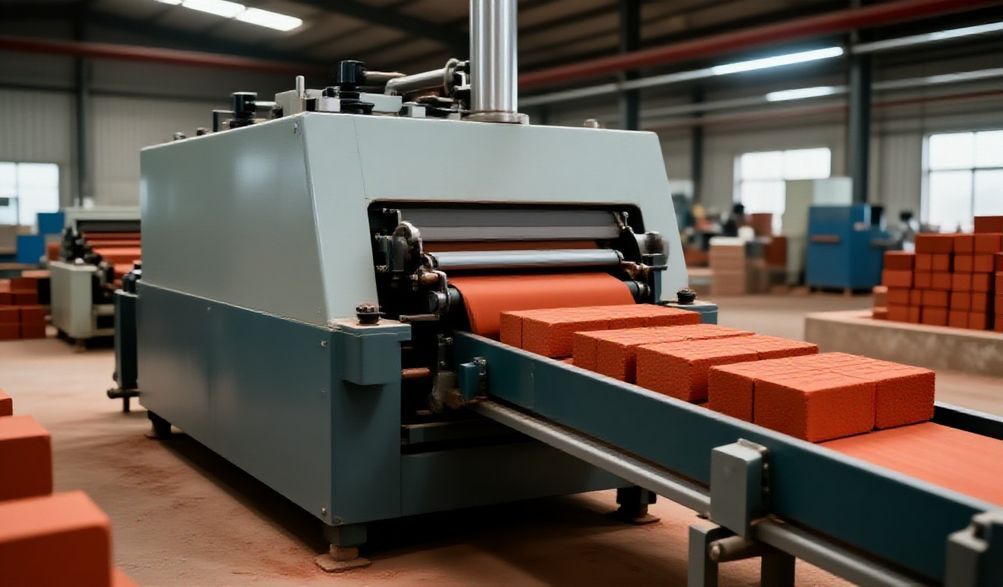
Hướng Dẫn Toàn Diện Về Máy Sản Xuất Gạch Đất Sét Tại Punjab | Điểm Nhấn Về Nhà Máy FUDA
Giới thiệu
Không gian đô thị Punjab là minh chứng cho sự phát triển. Từ các trung tâm đô thị sầm uất ở Ludhiana và Amritsar đến những khu đô thị mở rộng, ngành xây dựng đang bùng nổ. Nền tảng cốt lõi của sự tiến bộ này chính là một thành phần khiêm tốn nhưng vô cùng quan trọng: gạch đất sét. Qua nhiều thế hệ, sự vững chắc và độ tin cậy của các công trình ở Punjab đều được xây dựng dựa trên những viên gạch sản xuất tại địa phương. Tuy nhiên, ngành công nghiệp này đang đứng trước ngã rẽ. Những phương pháp thủ công truyền thống, phụ thuộc vào lao động thủ công cường độ cao và điều kiện lò nung không ổn định, đang gặp khó khăn trong việc đáp ứng nhu cầu về quy mô, tính đồng nhất và tiêu chuẩn chất lượng hiện đại.
Khoảng trống này đặt ra một thách thức rõ ràng cho các nhà sản xuất và doanh nhân: làm thế nào để sản xuất gạch đất sét chất lượng cao một cách hiệu quả, tiết kiệm chi phí và với tốc độ cạnh tranh? Câu trả lời chính là cuộc cách mạng hóa ngành sản xuất – máy làm gạch đất sét tự động. Hướng dẫn này đi sâu vào giải pháp hiện đại này, với trọng tâm đặc biệt vào một thương hiệu nội địa tiên phong:Nhà máy sản xuất gạch FUDA.
Chúng ta sẽ khám phá cách FUDA kết nối di sản gạch đất sét phong phú của Punjab với công nghệ sản xuất tiên tiến. Được xây dựng dựa trên chuyên môn ngành và sự hiểu biết sâu sắc về thị trường địa phương, hướng dẫn này đóng vai trò là nguồn tài liệu đáng tin cậy cho bất kỳ ai đang tìm kiếm đầu tư vàoMáy làm gạch đất sét ở PunjabHãy cùng xây dựng một tương lai vững mạnh và hiệu quả hơn, từng viên gạch một.
Tìm Hiểu Về Máy Sản Xuất Gạch Đất Sét: Các Loại và Công Nghệ
Chuyển từ sản xuất thủ công sang tự động hóa không chỉ là nâng cấp; đó là một sự chuyển đổi. Đó là việc thay thế sự thiếu nhất quán bằng độ chính xác và mở rộng tiềm năng với công nghệ đáng tin cậy.
Cách Máy Móc Tự Động Cách Mạng Hóa Lò Gạch Truyền Thống ở Punjab
Lò gạch truyền thống, dù mang tính biểu tượng, lại chứa đầy thách thức:
* Sử dụng nhiều lao động:Phụ thuộc nhiều vào lực lượng lao động lớn, có tay nghề cao để đúc khuôn, vận chuyển và xếp chồng.
* Chất lượng không đồng nhất:Đúc thủ công dẫn đến sự khác biệt về kích thước, mật độ và độ bền của gạch. Nung trong lò đắp hoặc lò rãnh hình trâu (BTK) thường dẫn đến gia nhiệt không đồng đều.
* Sản Xuất ChậmQuá trình này mang tính chu kỳ và phụ thuộc vào thời tiết, đặc biệt là giai đoạn phơi sấy.
* Tỷ Lệ Hao Hụt Cao HơnTỷ lệ vỡ cao hơn đáng kể do thao tác thủ công và nung không đều.
Máy móc tự động giải quyết trực tiếp những vấn đề này. Chúng đảm bảo quá trình trộn đồng nhất, nén áp suất cao chính xác và sản lượng ổn định 24/7, không phụ thuộc vào tình trạng thiếu lao động theo mùa. Kết quả là sản phẩm đáp ứng các tiêu chuẩn xây dựng hiện đại về cường độ nén và độ chính xác kích thước.
Các loại máy làm gạch chính
Không phải máy móc nào cũng được tạo ra như nhau. Sự lựa chọn phù hợp phụ thuộc vào quy mô, vốn đầu tư và mục tiêu tự động hóa của bạn.
- Máy Sản Xuất Gạch Từ Tro Bay:Mặc dù trọng tâm của chúng tôi là đất sét, nhưng cần phải phân biệt rõ. Những máy này sử dụng tro bay (sản phẩm phụ của nhà máy nhiệt điện), xi măng và cát. Chúng rất tốt cho xây dựng thân thiện với môi trường nhưng hoạt động theo nguyên lý nguyên liệu thô khác với máy đất sét nguyên chất.
- Nhà máy gạch đất sét tự động hoàn toàn:Đỉnh cao của hiệu suất. Đây là những dây chuyền sản xuất hoàn chỉnh với khả năng tự động hóa toàn bộ quy trình: cấp nguyên liệu, trộn, vận chuyển, ép và xếp gạch. Lý tưởng cho các nhà sản xuất quy mô lớn hướng tới sản lượng trên 10.000 viên gạch mỗi ca với sự can thiệp tối thiểu của con người.
- Máy Làm Gạch Bán Tự Động:Nhiều doanh nghiệp Punjabi coi đây là điểm ngọt ngào. Họ cơ giới hóa các quy trình ép và đẩy quan trọng nhưng có thể yêu cầu cấp liệu thủ công hỗn hợp hoặc xử lý gạch sống. Lý tưởng cho các hoạt động quy mô vừa, cân bằng chi phí ban đầu với lợi ích năng suất đáng kể.
- Máy ép thủ công / vận hành bằng tay: These are mechanical presses (like the popular “Midget” or “Aswani” types) that increase the pressure of manual molding. Suitable for very small-scale, rural, or specialty brick production where investment needs to be minimal.
Các Thành Phần Cốt Lõi và Cách Chúng Hoạt Động
Understanding the machine’s anatomy demystifies the process. A standard automatic clay brick machine integrates several key components:
- Máy cho ăn & Máy trộn: Receives and homogeneously blends clay with optimal water content, creating a pliable, consistent mix.
- Hệ thống băng tải: Transports the prepared clay mix to the pressing chamber without manual lifting.
- Hydraulic Press & Mold (Die): The heart of the machine. A high-pressure hydraulic ram compacts the clay into a precision-engineered steel mold. This pressure is what determines the final brick’s density and strength.
- Hệ Thống Phóng Thoát Automatically pushes the formed “green brick” out of the mold onto a pallet or conveyor for collection.
- Tủ điều khiển PLC: The brain. This computerized system allows operators to set parameters like pressure, cycle time, and brick count, ensuring repeatable, error-free production.
Why Choose a Clay Brick Making Machine from Punjab’s FUDA Factory?
In a market filled with options, choosing a partner is as crucial as choosing a machine. Here’s why FUDA Brick Making Factory stands out as a leader in Punjab.
FUDA’s Legacy in Punjabi Manufacturing
FUDA isn’t just a seller; it’s a manufacturer rooted in the soil of Punjab. With years of dedicated operation, the company has built its thẩm quyền by specializing exclusively in brick and block making machinery. This deep-seated experience means FUDA understands not just engineering, but the very fabric of Punjab’s industrial needs—from the characteristics of local alluvial clay to the power infrastructure and business aspirations of local entrepreneurs.
Engineering Expertise and Machine Durability
Chuyên môn is engineered into every machine. FUDA invests in in-house research and development to adapt to evolving market demands. Their machines are built for the rigors of continuous industrial operation, featuring:
* Robust, heavy-duty frames to withstand constant vibration.
* High-grade hydraulic components from reputable brands for reliable pressure.
* Hardened steel molds that resist wear, ensuring brick dimensional accuracy for thousands of cycles.
This focus on durability translates to lower long-term maintenance costs and higher uptime for your business.
Customization for Punjab’s Clay and Market
Phúc Đạtkinh nghiệm shines in its ability to customize. Clay from Malwa is different from clay from Doaba. FUDA technicians can calibrate machine settings—like moisture content and compression ratio—for your specific local clay. Furthermore, they offer customization for:
* Brick Size: Standard (9″x4.5″x3″), modular, jumbo, or any custom size required by architects.
* Loại Gạch: Solid, hollow (for reduced weight and improved insulation), or even patterned facing bricks.
* Công suất đầu ra: From small semi-automatic setups to large fully automatic plants.
After-Sales Support: Training, Spares, and Service
A machine is only as good as the support behind it. FUDA establishes đáng tin cậy through a comprehensive after-sales ecosystem:
* On-Site Installation & Commissioning: Expert engineers set up your plant for optimal operation.
* Hands-On Operator Training: They don’t just deliver a machine; they transfer knowledge on operation, daily maintenance, and safety.
* Local Spares Inventory: A dedicated inventory of critical spare parts within Punjab ensures you are not waiting for shipments from distant states, minimizing costly downtime.
* Responsive Service Network: A team of service technicians is on call to provide prompt support, ensuring your business keeps running smoothly.
Key Features to Look for in a Quality Clay Brick Machine
Whether you’re evaluating FUDA or other brands, these are the non-negotiable features that define a quality investment.
Năng Suất Sản Xuất (Viên Gạch Mỗi Giờ)
This is your starting point. Align capacity with your business plan:
* Small Scale: 1,000 – 2,500 bricks per hour (often semi-automatic).
* Medium Scale: 2,500 – 6,000 bricks per hour (semi or fully automatic).
* Large Scale Plant: 6,000 – 15,000+ bricks per hour (fully automatic lines).
Hydraulic System Pressure and Brick Density
Đây làtechnical core of quality. Higher hydraulic pressure (measured in tons or PSI) compacts the clay particles more tightly.
* Kết quả: Bricks with higher compressive strength (exceeding 70-100 kg/cm² easily), lower water absorption, and better frost resistance. Always ask for the machine’s maximum pressure and the tested strength of the bricks it produces.
Automation Level and Control Panel
The control system dictates ease of use and consistency.
* Look for PLC (Bộ điều khiển logic khả trình) systems with touchscreen interfaces. These allow for precise setting of production parameters, store recipes for different brick types, and provide fault diagnostics, drastically reducing operator error and training time.
Power Requirement and Energy Efficiency
Consider your local industrial power situation in Punjab.
* Động cơ Điện: Cleaner, quieter, and more efficient for areas with stable grid power.
* Diesel Engine Options: Crucial for locations with frequent power cuts, ensuring uninterrupted production. Evaluate the machine’s specific power consumption (HP/KW) per thousand bricks for long-term cost efficiency.
Mold Quality and Interchangeability
The mold defines the brick. Insist on:
* Precision-Engineered Molds: Made from hardened, wear-resistant steel (e.g., EN-31) for a long lifespan and sharp brick edges.
* Easy Interchangeability: A design that allows one operator to change molds within minutes to switch between brick types, maximizing plant flexibility.
The Business Case: ROI and Setting Up Your Plant in Punjab
Investing in a brick making machine is a strategic business decision. Let’s break down the practicalities.
Investment Breakdown and Government Schemes
Your initial investment goes beyond the machine price:
* Machinery Cost: The core machine (semi or fully automatic).
* Civil Work: A covered shed for the production line, raw material storage bays, and drying areas.
* Land: Adequate space for the plant, drying yards, and stockpiling.
* Ancillaries: A tractor/pug mill for clay mixing, trolleys, and pallets.
* Mẹo: Explore potential support from Punjab’s MSME or industrial policies, which may offer subsidies on machinery, interest subventions on loans, or favorable land allotments in industrial clusters.
Calculating Your Return on Investment (ROI)
A simplified model illustrates the potential. Let’s compare a semi-automatic machine with manual production.
| Factor | Manual Production (Per 10,000 Bricks) | Semi-Auto Machine (Per 10,000 Bricks) |
| :— | :— | :— |
| Lao động cần thiết | 25-30 persons | 8-12 persons |
| Production Time | 2-3 days | 4-6 hours |
| Key Cost Savings | Very high, recurring labor cost | Drastically reduced labor cost |
| Quality Premium | Sells at standard market rate | Can command a 10-15% premium for consistent, high-strength bricks |
| Wastage | High (15-20%) | Low (5-7%) |
ROI Calculation: The significant savings in labor, time, and wastage, combined with the ability to produce and sell more high-quality bricks daily, typically allows the machine to pay for itself within 12 to 24 months, depending on scale and market rates.
Ideal Plant Layout and Space Requirements
Efficiency is also about layout. A well-planned plant (approx. 1-2 acres for medium scale) should have a logical flow:
1. Raw Material Yard: Where clay is weathered and stored.
2. Production Shed: Houses the machine, mixer, and conveyor.
3. Green Brick Drying Area: A covered, ventilated space for initial drying before firing.
4. Kiln Area: For setting up a Hoffman Kiln, Tunnel Kiln, or using a clamp.
5. Finished Goods Storage: For cooled, fired bricks before dispatch.
Sourcing Raw Materials: Clay in Punjab
Punjab is endowed with good alluvial clay. Expert insight for sourcing:
* Test the Clay: Simple tests include checking plasticity, shrinkage on drying, and presence of harmful salts like sulfates.
* Sự Chuẩn Bị Là Chìa Khóa: Clay must be “weathered” by exposure to rain and sun for weeks to improve plasticity. It should then be properly crushed and mixed to a uniform consistency before feeding into the machine.
* FUDA’s Advantage: Their experience allows them to advise on optimal preparation techniques for your specific clay source.
FAQs: Clay Bricks Making Machines in Punjab
Q1: What is the approximate price range for a FUDA clay brick making machine in Punjab?
A: Prices vary significantly based on automation level and capacity. A basic semi-automatic machine can start from several lakhs, while a high-capacity fully automatic plant can run into crores. We advise contacting FUDA for a detailed, customized quote based on your desired output, brick type, and automation needs. Remember, the focus should be on long-term value and ROI, not just the initial price tag.
Q2: Can the machine produce different types and sizes of bricks?
A: Absolutely. By changing the mold/die, a single FUDA machine can produce various bricks—standard solid bricks, hollow blocks for partition walls, and even decorative paving bricks. They offer a wide range of standard mold sizes and can fabricate custom molds to your specifications.
Q3: What kind of after-sales service and warranty does FUDA provide?
A: FUDA typically offers a comprehensive warranty (e.g., 12 months) on major components like the hydraulic system and mainframe. Their commitment extends beyond warranty with readily available technical support, a robust spare parts supply chain within Punjab, and a responsive service team to ensure minimal operational disruption.
Q4: How much manpower is required to operate a semi-automatic vs. fully automatic plant?
A: This is a key differentiator. A fully automatic line, with automated handling from mixing to stacking, may require only 3-5 personnel for supervision and handling. A semi-automatic line, which might involve manual feeding or brick handling, typically requires 8-12 people. Both represent a massive reduction compared to traditional methods.
Q5: Is training provided for machine operation and maintenance?
A: Yes, comprehensively. FUDA provides mandatory on-site training for your operators and maintenance staff. This covers safe startup/shutdown procedures, daily maintenance routines, basic troubleshooting for common issues, and best practices for optimal brick quality and machine longevity.
Conclusion
The evolution from manual kilns to automated brick making is not merely a trend; it’s an essential strategic move for anyone serious about the brick manufacturing business in Punjab. It’s an investment in unparalleled consistency, scalable production, and superior product quality that the modern construction market demands.
Throughout this guide, one partner has consistently exemplified the blend of local insight and technical prowess needed to succeed: Nhà máy sản xuất gạch FUDA. They represent more than a machinery supplier; they are a true business partner invested in your success—from customizing a machine for your local clay to supporting you with training and service long after the sale.
If you are ready to transform your brick production, boost your profitability, and build a future-proof business, the next step is clear.
Contact FUDA Brick Making Factory today for a personalized consultation, a live machine demonstration at their facility, and a detailed project report tailored to your specific location and business goals in Punjab. Discover the power of partnering with a local expert for your Máy làm gạch đất sét ở Punjab.
<