
دليلك الشامل لآلات صنع الكتل الكبيرة المتحركة المخصصة
مقدمة
تخيل هذا: لقد حصلت للتو على عقد بنية تحتية تاريخي. يتطلب المشروع آلاف الكتل الخرسانية الضخمة عالية الدقة - جدران استنادية لميناء جديد، أو حواجز صوتية لطريق سريع، أو وحدات متخصصة لنظام دفاع ضد الفيضانات. الضغط في ذروته. تصل آلة صنع الكتل الجاهزة، لكنها لا تستطيع التعامل مع أبعاد الكتل المطلوبة. نظام الاهتزاز يعاني مع خليط الركام المحلي المصدر، مما يؤدي إلى نقاط ضعف. يتخلف الإنتاج، تتراكم النفايات، وجدول المشروع - وربحيتك - يبدأ في الانهيار.
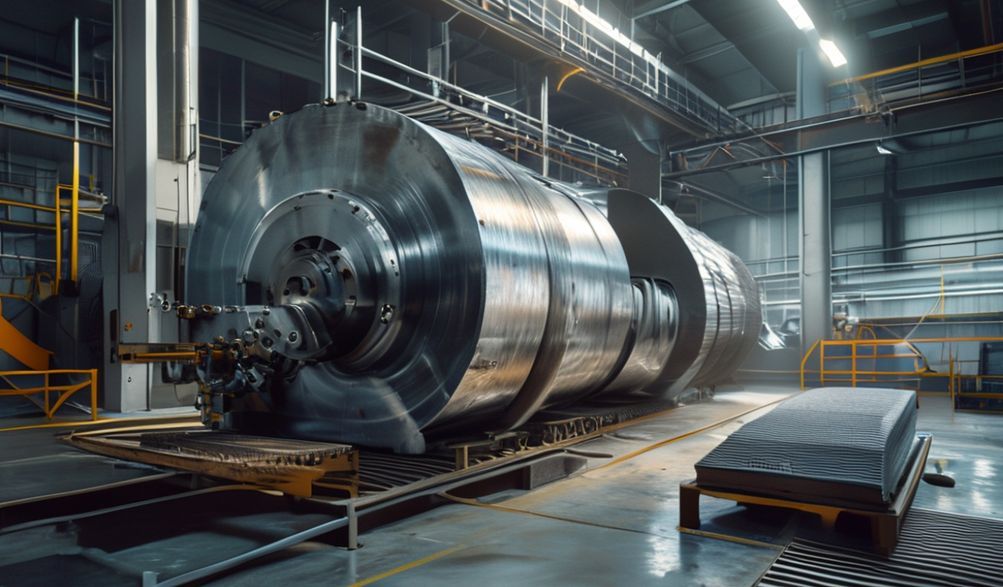
هذا السيناريو عالي المخاطر يمثل نقطة ألم شائعة في البناء واسع النطاق والإنتاج الصناعي. الحل ليس مجرد آلة عادية؛ إنهآلة كبيرة لصنع الكتل المتحركةمصممة من البداية لتلائم مهمتك المحددة. ومع ذلك، فإن التميز التشغيلي الحقيقي والعائد على الاستثمار لا يتحققان من خلال شراء قياسي، بل من خلال استراتيجيةالتخصيص.
يستند هذا الدليل الشامل إلى خبرة عميقة في مجال هندسة وتطبيق الآلات الثقيلة. سنتجاوز كتيبات المبيعات لنقدم لك الرؤى التقنية والاستراتيجية اللازمة لاتخاذ قرار استثماري مدروس وعالي القيمة. ستتعلم لماذا يعد التخصيص أمراً بالغ الأهمية، وما هي المكونات الأساسية التي يمكن تكييفها، وكيفية عمل عملية المواصفات، والأهم من ذلك، كيفية اختيار شريك تصنيع قادر على تحويل متطلباتك الفريدة إلى أصل موثوق وعالي الإنتاجية.
لماذا غالبًا ما تفشل الحلول "جاهزة الاستخدام" في إنتاج الكتل الكبيرة
شراء آلة قياسية لمهمة غير قياسية هو الخطأ الأكثر شيوعاً والأعلى تكلفة في إنتاج الكتل الثقيلة. فبينما تبدو الآلة الجاهزة مريحة، إلا أنها غالباً ما تجبر مشروعك على التكيف مع حدودها، بدلاً من تكيفها هي مع متطلبات مشروعك.
قيود الآلات القياسية لمتطلبات المشاريع الفريدة
يبدأ الانفصال بالمواصفات الأساسية، حيث تُصمم آلة الفهرسة لمعالجة معايير عامة وشائعة.
- أبعاد الكتلة وتصميمها:الآلات القياسية مُحسَّنة للأحجام الشائعة للكتل. إذا كنت بحاجة إلى كتلة بطول 2 متر، وارتفاع 1 متر، وعرض 0.8 متر، مع تصميم تشابك محدد أو تشطيب مُنقَّش، فإن نظام القوالب والمكابس القياسي لن يكون كافيًا ببساطة.
- عدم تطابق القدرة الإنتاجيةقد يتطلب مشروعك 50 كتلة ضخمة لكل وردية، لكن الآلة القياسية قد تكون مصممة لإنتاج 200 وحدة أصغر. فرض وقت دورة أطول أو شراء عدة آلات يخلق عدم كفاءة.
- عدم مرونة المواد الخاميتم معايرة نظام الاهتزاز والدمك في الآلة القياسية لخلطة تصميمية "مثالية". إذا كانت رمالك المحلية ناعمة جداً، أو كان الركام خشنًا أكثر من اللازم، أو كنت تستخدم منتجات ثانوية صناعية، فإن آلة غير مخصصة ستنتج كثافة غير متساوية وقوة ضغط منقوصة.
التحديات الخاصة بالموقع تتطلب حلولاً مخصصة
كل موقع إنتاج له بصمته الخاصة. فقد تنجح آلة ما في منشأة واحدة بينما تفشل في أخرى.
- القيود المكانية:قد يتطلب تخطيط مصنعك تدفقًا للمواد من اليسار إلى اليمين، أو بصمة أصغر للآلة، أو نظامًا فريدًا لإعادة المنصات. فالتصميم القياسي الجامد لن يتكيف مع هذه المتطلبات.
- قيود المنفعة:يجب أن يحدد مصدر الطاقة المتاح (الجهد، الطور)، وضغط الماء، وسعة ضاغط الهواء تصميم الآلة، وليس العكس.
- العوامل البيئية:يتطلب العمل في ظروف البرودة القصوى وجود أنظمة زيت مدفأة وأغلفة معزولة. بينما تتطلب البيئات المتربة أو التآكلية استخدام أختام مطورة وطلاءات واقية. تفتقر الآلة القياسية إلى هذه التجهيزات المدمجة.
- العقبات اللوجستيةإذا كان يجب نقل الماكينة إلى موقع بعيد، يصبح التصميم المعياري المحمول في حاويات لتسهيل الشحن والتجميع تخصيصًا بالغ الأهمية.
التكلفة الحقيقية للتسوية: توقف العمل، الهدر، ومشاكل قابلية التوسع
غالبًا ما تكون التوفيرات الأولية للآلة القياسية وهمية. التكاليف التشغيلية طويلة الأمد تكشف الحقيقة.
- زيادة وقت التوقف عن العملالمكونات غير الملائمة تنهار تحت ضغط غير متوقع. نقص التكامل يسبب اختناقات.
- ارتفاع نفايات الموادالضغط غير المتسق يؤدي إلى نسبة أعلى من الكتل المرفوضة، مما يهدر الأسمنت والركام الباهظ الثمن.
- صفر قابلية للتوسعالآلة التي تلبي احتياجات اليوم بالكاد لا يمكنها التكيف مع العقود المستقبلية التي تتطلب أنواعًا مختلفة من الكتل أو إنتاجية أعلى، مما يجعلك محاصرًا في حلقة من عدم الكفاءة.
المكونات الأساسية لآلة تصنيع الكتل الكبيرة المتحركة المخصصة
التخصيص ليس مجرد إضافة زخارف أو تحسينات ثانوية؛ بل هو إعادة هندسة النظم الأساسية لتعمل بتناغم تام مع أهدافك الإنتاجية. فيما يلي المجالات الرئيسية التي يحدث فيها التخصيص الحقيقي.
قلب الآلة: أنظمة القوالب والمنصات المخصصة
هذا هو الجانب الأكثر ظهورًا في التخصيص. القالب يحدد منتجك.
- Size & Geometry: Engineered to produce your exact block dimensions, whether for colossal seawall units or intricate, architecturally specified facades.
- Surface Finish & Texture: Mold liners can be machined to impart smooth, split-face, rock-face, or branded textures directly during compaction.
- تصميم متشابك: Precision-machined mold details create complex male/female interlocking systems for dry-stack stability without mortar.
- Pallet Compatibility: Pallets are customized for size, thickness (for durability under massive weight), and surface treatment to ensure perfect block release.
Vibration and Compaction Systems Engineered for Your Mix Design
This is the engineering soul of the machine. Block strength and density are born here.
- Vibration Frequency & Amplitude: These parameters are scientifically matched to your specific aggregate gradation and cement type. A fine sand mix requires a different vibration profile than a coarse aggregate mix.
- Compaction Force: Hydraulic or electromechanical pressure systems are sized to achieve the required Green Strength (handling strength out of the mold) and ultimate cured compressive strength (e.g., 30 MPa, 50 MPa).
- Vibration Table Design: A custom-sized table with strategically placed, high-frequency external vibrators or a directed hydraulic core vibrator system ensures uniform density throughout the entire massive block.
Material Handling and Batching Integration
A custom machine views raw material input as part of its function.
- Custom Hoppers & Feeders: Sized for your batch volume and designed with wear-resistant liners for your specific aggregate abrasiveness.
- أنظمة الناقلات: Belt width, incline, and speed are customized to transport your mix from the batching plant to the machine hopper without segregation.
- Automated Batching Interface: The machine’s PLC can be integrated with your batching plant software for a “one-touch” production cycle, automating material calls for each block.
Control Systems and Automation Level
Customization defines how you interact with the machine, from manual oversight to data-driven management.
- Basic PLC Control: A programmable logic controller allows for sequenced, semi-automatic operation with a human-machine interface (HMI) panel.
- الأتمتة الكاملة: Robotic pallet handling, automatic mold oiling, and robotic block off-bearing and stacking.
- IoT & Data Tracking: Advanced systems offer remote monitoring, production data logging (cycle times, block counts, downtime reasons), and predictive maintenance alerts via cloud platforms.
The Step-by-Step Process for Customizing Your Machine
A successful custom machine project is a collaborative journey, not a simple transaction. Here is the proven, step-by-step process followed by industry leaders.
Phase 1: Deep-Dive Needs Analysis and Specification
This foundational phase turns your vision into a technical document. Be prepared to provide:
- مواصفات الكتلة Detailed drawings, required compressive strength, weight, and daily/weekly production targets.
- Site & Logistics Data: Plant layout drawings, ceiling height, door sizes, utility points, and site access photos.
- ملف المواد الخام Samples or detailed analysis of your sand, aggregate, and cement.
- Operational Goals: Desired level of automation, number of operators, and future scalability considerations.
Phase 2: Collaborative Design and Engineering Review
Your manufacturer should now translate your specs into engineered solutions.
- 3D CAD Models: You should receive detailed models of the proposed machine, allowing you to visualize fit, flow, and maintenance access.
- Process Flow Diagrams (PFDs): These charts map the entire production cycle, identifying potential bottlenecks.
- Iterative Feedback: This is a collaborative review stage. Your team and the manufacturer’s engineers should discuss and refine the design before any metal is cut.
Phase 3: Manufacturing, Factory Acceptance Testing (FAT), and Documentation
With designs approved, manufacturing begins. Your involvement remains critical.
- Witnessing FAT: Insist on being present for Factory Acceptance Testing. This is where you see the assembled machine run under load, verify cycle times, and confirm it meets the agreed-upon specifications before it ships.
- توثيق شامل: You should receive not just a manual, but detailed electrical schematics, hydraulic diagrams, a complete parts list with OEM codes, and recommended maintenance schedules.
Phase 4: Installation, Commissioning, and Operator Training
The final phase ensures a smooth transition to production.
- On-Site Technical Support: Reputable manufacturers provide engineers to supervise installation, align the machine, and conduct commissioning—producing the first blocks with your local materials.
- Structured Operator Training: Training should cover safe daily operation, routine maintenance, basic troubleshooting, and mold changeover procedures. This knowledge transfer is vital for long-term success.
How to Vet a Manufacturer for Custom Heavy Machinery
Your choice of manufacturer is the single biggest determinant of project success. Look beyond price and evaluate these critical factors.
Evaluating Technical Expertise and Engineering Heritage
- اطلب دراسات الحالة Request detailed examples of past custom projects, especially those with similar block sizes or challenges to yours.
- Inquire About R&D: Do they have a dedicated engineering team? Do they hold patents for vibration systems or machine designs? This indicates innovation capability.
- Request Client References: Speak directly to past clients about their experience with the design process and machine performance.
Assessing Manufacturing Capabilities and Quality Control
- التصنيع الداخلي: Do they machine key components (like mold frames and vibration tables) themselves, or outsource them? In-house control typically means higher quality assurance.
- الشهادات: Look for ISO 9001 (Quality Management) certification as a baseline. Certifications for welding standards are also a positive sign.
- Component Sourcing: Do they use reputable, brand-name components for hydraulics (e.g., Bosch Rexroth), PLCs (e.g., Siemens, Allen-Bradley), and bearings? This affects longevity and serviceability.
Analyzing After-Sales Support and Global Service Network
- سياسة قطع الغيار: What is the guaranteed availability time for critical spare parts? Is there an online parts portal?
- Service Structure: Do they have field service technicians? Can they provide remote diagnostic support via the machine’s PLC?
- Warranty Terms: Read the warranty carefully. It should cover a significant period and include support, not just part replacement.
The Importance of Transparent Communication and Project Management
- Dedicated Project Manager: You should have a single, knowledgeable point of contact who manages timelines and communication.
- Clear Milestones & Reporting: The process should have defined stages (Design Sign-off, FAT Date, Shipping Date) with regular updates.
- Openness About Challenges: A trustworthy partner will communicate potential delays or engineering challenges early, along with proposed solutions.
Frequently Asked Questions (FAQ) About Custom Block Making Machines
Q1: What is the typical lead time for a fully customized big moving block machine?
أ: Industry practice shows a typical lead time of 4 to 7 months from finalized design to delivery. This range accounts for engineering complexity, component procurement (especially for custom hydraulics and controllers), and rigorous factory testing. Rushing this process is a false economy; thorough design and testing prevent costly problems on your site.
Q2: How much more expensive is a customized machine compared to a standard model?
أ: Framing this as a “premium” is misleading; it’s an استثمار. Customization can increase the initial capital outlay by 25% to 50% over a comparable standard model. However, the ROI is realized through higher uptime, perfect material yield, lower labor costs via automation, and the ability to fulfill premium contracts that an off-the-shelf machine could not. It pays for itself by being the perfect tool for your job.
Q3: Can you customize a machine we already own?
أ: Yes, retrofitting and upgrading existing machines is common and can be a cost-effective strategy. Possibilities include installing a new custom mold and vibration system, upgrading the control PLC, or adding automated pallet feeders. Feasibility depends entirely on the base machine’s structural condition, age, and original design. A thorough audit by the manufacturer’s engineers is the first step.
Q4: What are the most critical maintenance aspects for a custom machine?
أ: The customized components demand specific attention:
* نظام القالب Regular cleaning, inspection for wear on liners and sealing strips, and proper application of release agent.
* نظام الاهتزاز: Monitoring vibrator mounts for loosening and checking hydraulic pressures or motor currents against baseline readings.
* النظام الهيدروليكي: Maintaining fluid cleanliness and filter changes is paramount.
The major advantage is that your custom maintenance manual will be tailored to your exact machine, making preventative care straightforward.
Q5: How do you ensure the machine will work with our local raw materials?
أ: This is a core part of the engineering phase. Reputable manufacturers will request samples of your aggregates, sand, and cement for analysis. They often conduct mix design trials in their own facility or partner lab. By compacting test samples with their proposed vibration system, they can verify the achievable density and strength, and may recommend adjustments to your mix proportions (e.g., water-cement ratio, admixtures) to ensure optimal results with the machine’s configuration.
خاتمة
In the realm of big moving block production, customization is far from a luxury—it is a strategic imperative. It is the decisive factor that separates a mere machine that makes blocks from a high-performance production asset that drives productivity, guarantees quality, and protects your profitability on landmark projects.
Move beyond catalog shopping. Empower your team to engage in a technical dialogue with potential manufacturing partners. Approach them not just as a buyer, but as a collaborator with a clear set of challenges and specifications. The questions you ask about engineering heritage, factory testing, and after-sales support will quickly separate true engineering partners from simple equipment suppliers.
Begin by preparing your detailed project specifications. Then, start those conversations. A well-conceived, meticulously built customized big moving block making machine is more than a purchase; it is a long-term competitive cornerstone, engineered to build the future, block by massive, perfect block.
<