
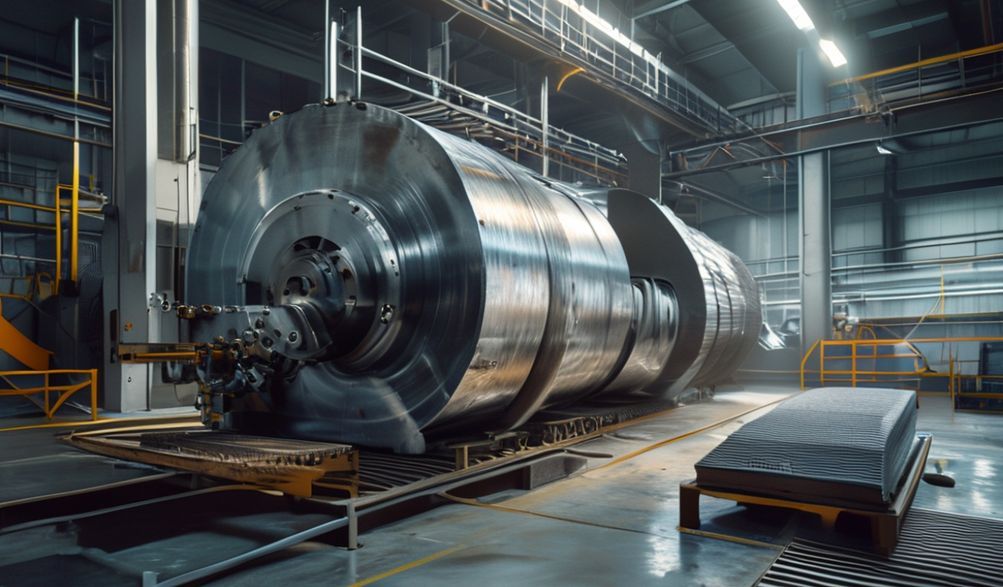
คู่มือขั้นสุดท้ายสำหรับเครื่องทำบล็อกคอนกรีตเคลื่อนที่แบบปรับแต่งได้
บทนำ
ลองนึกภาพดู: คุณเพิ่งได้สัญญาโครงสร้างพื้นฐานอันยิ่งใหญ่ โครงการนี้ต้องการบล็อกคอนกรีตขนาดมหึมาหลายพันชิ้นที่ต้องมีความแม่นยำสูง—อาจเป็นกำแพงกันดินสำหรับท่าเรือใหม่, กำแพงกั้นเสียงสำหรับทางหลวง, หรือหน่วยพิเศษสำหรับระบบป้องกันน้ำท่วม ความกดดันกำลังถาโถมเข้ามา เครื่องทำบล็อกแบบสำเร็จรูปที่สั่งมาถึงที่ แต่กลับไม่สามารถรองรับขนาดบล็อกที่คุณต้องการได้ ระบบสั่นทำงานไม่เต็มที่กับส่วนผสมวัสดุที่จัดหาในท้องถิ่นของคุณ ส่งผลให้เกิดจุดอ่อน การผลิตล่าช้า ของเสียกองพะเนิน และเส้นเวลาของโครงการ—รวมถึงความสามารถในการทำกำไรของคุณ—ก็เริ่มสั่นคลอน
สถานการณ์ที่มีความเสี่ยงสูงนี้เป็นปัญหาทั่วไปในการก่อสร้างขนาดใหญ่และการผลิตทางอุตสาหกรรม ทางแก้ไม่ใช่เครื่องจักรธรรมดา แต่เป็นเครื่องจักรผลิตบล็อกเคลื่อนที่ขนาดใหญ่ออกแบบและสร้างขึ้นจากพื้นฐานเพื่อภารกิจเฉพาะของคุณ อย่างไรก็ตาม ความเป็นเลิศในการปฏิบัติงานและผลตอบแทนจากการลงทุนที่แท้จริงจะถูกปลดล็อกไม่ใช่จากการซื้อมาตรฐาน แต่ผ่านกลยุทธ์การปรับแต่ง.
คู่มือฉบับสมบูรณ์นี้สร้างขึ้นจากประสบการณ์เชิงลึกในอุตสาหกรรมด้านวิศวกรรมและประยุกต์ใช้เครื่องจักรกลหนัก เราจะก้าวข้ามโบรชัวร์การขาย เพื่อมอบข้อมูลเชิงลึกทางเทคนิคและกลยุทธ์ที่คุณจำเป็นต้องใช้ในการตัดสินใจลงทุนอย่างรอบรู้และมีคุณค่าสูง คุณจะได้เรียนรู้ว่าทำไมการปรับแต่งจึงมีความสำคัญ อะไรคือส่วนประกอบหลักที่สามารถปรับเปลี่ยนได้ กระบวนการกำหนดสเปคทำงานอย่างไร และที่สำคัญที่สุดคือ วิธีการเลือกหาพันธมิตรผู้ผลิตที่สามารถเปลี่ยนความต้องการเฉพาะของคุณให้กลายเป็นสินทรัพย์ที่มีประสิทธิภาพสูงและเชื่อถือได้
เหตุใด "สำเร็จรูป" จึงมักไม่เพียงพอสำหรับการผลิตบล็อกขนาดใหญ่
การซื้อเครื่องจักรมาตรฐานสำหรับงานที่ไม่เป็นมาตรฐานเป็นความผิดพลาดที่พบบ่อยและมีค่าใช้จ่ายสูงที่สุดในการผลิตบล็อคขนาดใหญ่ แม้จะสะดวก แต่รุ่นที่วางขายทั่วไปมักบังคับให้โครงการของคุณต้องปรับตามข้อจำกัดของเครื่อง แทนที่เครื่องจะปรับตามความต้องการของโครงการ
ข้อจำกัดของเครื่องจักรมาตรฐานสำหรับความต้องการโครงการเฉพาะทาง
การขาดความเชื่อมโยงเริ่มต้นจากข้อกำหนดพื้นฐาน เครื่องมือจัดทำแคตตาล็อกถูกสร้างขึ้นสำหรับพารามิเตอร์ทั่วไปและใช้ได้ในวงกว้าง
- ขนาดบล็อกและการออกแบบเครื่องจักรมาตรฐานได้รับการปรับให้เหมาะสมสำหรับขนาดบล็อกทั่วไป หากคุณต้องการบล็อกที่มีความยาว 2 เมตร สูง 1 เมตร และกว้าง 0.8 เมตร พร้อมด้วยโปรไฟล์เชื่อมต่อเฉพาะหรือพื้นผิวสัมผัสแบบพิเศษ ระบบแม่พิมพ์และเครื่องอัดมาตรฐานก็จะไม่เพียงพอ
- ความไม่สอดคล้องของกำลังการผลิตโครงการของคุณอาจต้องการบล็อกขนาดใหญ่ 50 ชิ้นต่อกะ แต่เครื่องจักรมาตรฐานอาจถูกออกแบบมาสำหรับหน่วยขนาดเล็ก 200 ชิ้น การบังคับให้มีรอบเวลาการผลิตที่สูงขึ้นหรือการซื้อเครื่องจักรหลายเครื่องจะสร้างความไม่มีประสิทธิภาพ
- ความยืดหยุ่นของวัตถุดิบไม่เพียงพอระบบการสั่นสะเทือนและการอัดแน่นของเครื่องจักรมาตรฐานได้รับการปรับเทียบสำหรับการออกแบบส่วนผสม "ในอุดมคติ" หากทรายในพื้นที่ของคุณละเอียดเกินไป หินกรวดหยาบเกินไป หรือคุณใช้วัสดุเหลือทิ้งจากอุตสาหกรรม เครื่องจักรที่ไม่ได้รับการปรับแต่งจะให้ความหนาแน่นที่ไม่สม่ำเสมอและกำลังรับแรงอัดที่ลดลง
ความท้าทายเฉพาะพื้นที่ที่ต้องการการแก้ปัญหาที่ปรับให้เหมาะสม
ทุกสถานที่ผลิตมีลายนิ้วมือของตัวเอง เครื่องจักรที่ทำงานได้อย่างสมบูรณ์แบบในโรงงานหนึ่งอาจล้มเหลวในอีกแห่งหนึ่ง
- ข้อจำกัดด้านพื้นที่การจัดวางโรงงานของคุณอาจต้องการการไหลของวัสดุจากซ้ายไปขวา รอยเท้าเครื่องจักรที่เล็กลง หรือระบบการส่งกลับพาเลทที่เฉพาะเจาะจง การออกแบบมาตรฐานที่ตายตัวจะไม่สามารถปรับตัวได้
- ข้อจำกัดในการใช้งาน:กำลังไฟฟ้าที่มีอยู่ (แรงดัน, เฟส), ความดันน้ำ และความจุของคอมเพรสเซอร์อากาศต้องเป็นตัวกำหนดการออกแบบเครื่องจักร ไม่ใช่ในทางกลับกัน
- ปัจจัยด้านสิ่งแวดล้อม:การทำงานในสภาพอากาศหนาวจัดจำเป็นต้องมีระบบน้ำมันที่ให้ความร้อนและโครงสร้างที่หุ้มฉนวน ในสภาพแวดล้อมที่มีฝุ่นหรือกัดกร่อน ต้องใช้ซีลที่ได้รับการปรับปรุงและสารเคลือบป้องกัน ซึ่งเครื่องจักรมาตรฐานไม่มีระบบเหล่านี้รวมอยู่
- อุปสรรคด้านโลจิสติกส์หากเครื่องจักรจำเป็นต้องขนส่งไปยังสถานที่ห่างไกล การออกแบบแบบแยกส่วนและบรรจุในตู้คอนเทนเนอร์เพื่อให้ขนส่งและประกอบได้ง่ายขึ้น จะกลายเป็นการปรับแต่งที่สำคัญ
ราคาที่แท้จริงของการประนีประนอม: เวลาหยุดทำงาน, การสูญเสีย และปัญหาการปรับขยาย
การประหยัดต้นทุนเริ่มต้นของเครื่องจักรมาตรฐานมักเป็นเพียงภาพลวงตา ค่าใช้จ่ายในการดำเนินงานระยะยาวต่างหากที่บอกเล่าเรื่องราวที่แท้จริง
- การหยุดทำงานเพิ่มขึ้นชิ้นส่วนที่ไม่พอดีกันแตกหักภายใต้แรงกดดันที่ไม่คาดคิด การขาดการบูรณาการก่อให้เกิดจุดติดขัด
- Higher Material Waste: Inconsistent compaction leads to a higher percentage of rejected blocks, wasting costly cement and aggregate.
- Zero Scalability: A machine that barely meets today’s needs cannot adapt to future contracts requiring different block types or higher output, locking you into a cycle of inefficiency.
Core Components of a Customized Big Moving Block Making Machine
Customization is not about adding bells and whistles; it’s about re-engineering core subsystems to work in perfect harmony with your production goals. Here are the key areas where true customization occurs.
The Heart of the Machine: Custom Mold and Pallet Systems
This is the most visible aspect of customization. The mold defines your product.
- Size & Geometry: Engineered to produce your exact block dimensions, whether for colossal seawall units or intricate, architecturally specified facades.
- Surface Finish & Texture: Mold liners can be machined to impart smooth, split-face, rock-face, or branded textures directly during compaction.
- Interlocking Design: Precision-machined mold details create complex male/female interlocking systems for dry-stack stability without mortar.
- Pallet Compatibility: Pallets are customized for size, thickness (for durability under massive weight), and surface treatment to ensure perfect block release.
Vibration and Compaction Systems Engineered for Your Mix Design
This is the engineering soul of the machine. Block strength and density are born here.
- Vibration Frequency & Amplitude: These parameters are scientifically matched to your specific aggregate gradation and cement type. A fine sand mix requires a different vibration profile than a coarse aggregate mix.
- Compaction Force: Hydraulic or electromechanical pressure systems are sized to achieve the required Green Strength (handling strength out of the mold) and ultimate cured compressive strength (e.g., 30 MPa, 50 MPa).
- Vibration Table Design: A custom-sized table with strategically placed, high-frequency external vibrators or a directed hydraulic core vibrator system ensures uniform density throughout the entire massive block.
Material Handling and Batching Integration
A custom machine views raw material input as part of its function.
- Custom Hoppers & Feeders: Sized for your batch volume and designed with wear-resistant liners for your specific aggregate abrasiveness.
- ระบบสายพานลำเลียง: Belt width, incline, and speed are customized to transport your mix from the batching plant to the machine hopper without segregation.
- Automated Batching Interface: The machine’s PLC can be integrated with your batching plant software for a “one-touch” production cycle, automating material calls for each block.
Control Systems and Automation Level
Customization defines how you interact with the machine, from manual oversight to data-driven management.
- Basic PLC Control: A programmable logic controller allows for sequenced, semi-automatic operation with a human-machine interface (HMI) panel.
- การทำงานอัตโนมัติเต็มรูปแบบ: Robotic pallet handling, automatic mold oiling, and robotic block off-bearing and stacking.
- IoT & Data Tracking: Advanced systems offer remote monitoring, production data logging (cycle times, block counts, downtime reasons), and predictive maintenance alerts via cloud platforms.
The Step-by-Step Process for Customizing Your Machine
A successful custom machine project is a collaborative journey, not a simple transaction. Here is the proven, step-by-step process followed by industry leaders.
Phase 1: Deep-Dive Needs Analysis and Specification
This foundational phase turns your vision into a technical document. Be prepared to provide:
- ข้อกำหนดบล็อก Detailed drawings, required compressive strength, weight, and daily/weekly production targets.
- Site & Logistics Data: Plant layout drawings, ceiling height, door sizes, utility points, and site access photos.
- Raw Material Profile: Samples or detailed analysis of your sand, aggregate, and cement.
- Operational Goals: Desired level of automation, number of operators, and future scalability considerations.
Phase 2: Collaborative Design and Engineering Review
Your manufacturer should now translate your specs into engineered solutions.
- 3D CAD Models: You should receive detailed models of the proposed machine, allowing you to visualize fit, flow, and maintenance access.
- Process Flow Diagrams (PFDs): These charts map the entire production cycle, identifying potential bottlenecks.
- Iterative Feedback: This is a collaborative review stage. Your team and the manufacturer’s engineers should discuss and refine the design before any metal is cut.
Phase 3: Manufacturing, Factory Acceptance Testing (FAT), and Documentation
With designs approved, manufacturing begins. Your involvement remains critical.
- Witnessing FAT: Insist on being present for Factory Acceptance Testing. This is where you see the assembled machine run under load, verify cycle times, and confirm it meets the agreed-upon specifications before it ships.
- Comprehensive Documentation: You should receive not just a manual, but detailed electrical schematics, hydraulic diagrams, a complete parts list with OEM codes, and recommended maintenance schedules.
Phase 4: Installation, Commissioning, and Operator Training
The final phase ensures a smooth transition to production.
- On-Site Technical Support: Reputable manufacturers provide engineers to supervise installation, align the machine, and conduct commissioning—producing the first blocks with your local materials.
- Structured Operator Training: Training should cover safe daily operation, routine maintenance, basic troubleshooting, and mold changeover procedures. This knowledge transfer is vital for long-term success.
How to Vet a Manufacturer for Custom Heavy Machinery
Your choice of manufacturer is the single biggest determinant of project success. Look beyond price and evaluate these critical factors.
Evaluating Technical Expertise and Engineering Heritage
- Ask for Case Studies: Request detailed examples of past custom projects, especially those with similar block sizes or challenges to yours.
- Inquire About R&D: Do they have a dedicated engineering team? Do they hold patents for vibration systems or machine designs? This indicates innovation capability.
- Request Client References: Speak directly to past clients about their experience with the design process and machine performance.
Assessing Manufacturing Capabilities and Quality Control
- การผลิตภายในองค์กร Do they machine key components (like mold frames and vibration tables) themselves, or outsource them? In-house control typically means higher quality assurance.
- การรับรอง: Look for ISO 9001 (Quality Management) certification as a baseline. Certifications for welding standards are also a positive sign.
- Component Sourcing: Do they use reputable, brand-name components for hydraulics (e.g., Bosch Rexroth), PLCs (e.g., Siemens, Allen-Bradley), and bearings? This affects longevity and serviceability.
Analyzing After-Sales Support and Global Service Network
- Spare Parts Policy: What is the guaranteed availability time for critical spare parts? Is there an online parts portal?
- Service Structure: Do they have field service technicians? Can they provide remote diagnostic support via the machine’s PLC?
- ข้อกำหนดการรับประกัน: Read the warranty carefully. It should cover a significant period and include support, not just part replacement.
The Importance of Transparent Communication and Project Management
- Dedicated Project Manager: You should have a single, knowledgeable point of contact who manages timelines and communication.
- Clear Milestones & Reporting: The process should have defined stages (Design Sign-off, FAT Date, Shipping Date) with regular updates.
- Openness About Challenges: A trustworthy partner will communicate potential delays or engineering challenges early, along with proposed solutions.
Frequently Asked Questions (FAQ) About Custom Block Making Machines
Q1: What is the typical lead time for a fully customized big moving block machine?
ก Industry practice shows a typical lead time of 4 to 7 months from finalized design to delivery. This range accounts for engineering complexity, component procurement (especially for custom hydraulics and controllers), and rigorous factory testing. Rushing this process is a false economy; thorough design and testing prevent costly problems on your site.
Q2: How much more expensive is a customized machine compared to a standard model?
ก Framing this as a “premium” is misleading; it’s an การลงทุน. Customization can increase the initial capital outlay by 25% to 50% over a comparable standard model. However, the ROI is realized through higher uptime, perfect material yield, lower labor costs via automation, and the ability to fulfill premium contracts that an off-the-shelf machine could not. It pays for itself by being the perfect tool for your job.
Q3: Can you customize a machine we already own?
ก Yes, retrofitting and upgrading existing machines is common and can be a cost-effective strategy. Possibilities include installing a new custom mold and vibration system, upgrading the control PLC, or adding automated pallet feeders. Feasibility depends entirely on the base machine’s structural condition, age, and original design. A thorough audit by the manufacturer’s engineers is the first step.
Q4: What are the most critical maintenance aspects for a custom machine?
ก The customized components demand specific attention:
* ระบบแม่พิมพ์ Regular cleaning, inspection for wear on liners and sealing strips, and proper application of release agent.
* ระบบสั่นสะเทือน Monitoring vibrator mounts for loosening and checking hydraulic pressures or motor currents against baseline readings.
* ระบบไฮดรอลิก Maintaining fluid cleanliness and filter changes is paramount.
The major advantage is that your custom maintenance manual will be tailored to your exact machine, making preventative care straightforward.
Q5: How do you ensure the machine will work with our local raw materials?
ก This is a core part of the engineering phase. Reputable manufacturers will request samples of your aggregates, sand, and cement for analysis. They often conduct mix design trials in their own facility or partner lab. By compacting test samples with their proposed vibration system, they can verify the achievable density and strength, and may recommend adjustments to your mix proportions (e.g., water-cement ratio, admixtures) to ensure optimal results with the machine’s configuration.
สรุป
In the realm of big moving block production, customization is far from a luxury—it is a strategic imperative. It is the decisive factor that separates a mere machine that makes blocks from a high-performance production asset that drives productivity, guarantees quality, and protects your profitability on landmark projects.
Move beyond catalog shopping. Empower your team to engage in a technical dialogue with potential manufacturing partners. Approach them not just as a buyer, but as a collaborator with a clear set of challenges and specifications. The questions you ask about engineering heritage, factory testing, and after-sales support will quickly separate true engineering partners from simple equipment suppliers.
Begin by preparing your detailed project specifications. Then, start those conversations. A well-conceived, meticulously built customized big moving block making machine is more than a purchase; it is a long-term competitive cornerstone, engineered to build the future, block by massive, perfect block.
<