
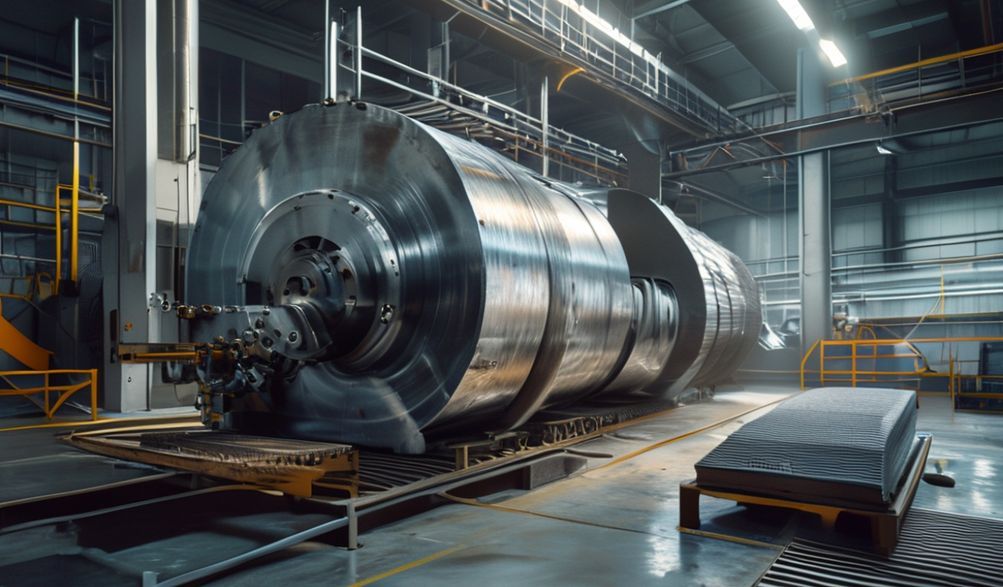
Ingamba yawe y'Ihuje yo Kubaka Imashini Zikomeye zo Gukora Ibikoresho by'Inganda bya Big Moving Block
Intangamarara
Tekereza ibi: warangije gushaka kontaro nini yo kubaka ibikorwa remezo. Uwo mushinga ukeneye ibihumbi by'amabuye y'akaranga makuru, yubatswe neza cyane—ni amazu yo gukingira ku rwindi rushya, inzitizi z'umuriro ku nzira y'amagare, cyangwa ibice byihariye by'urwego rwo kurwanya imvura nyinshi. Dukomeje gukora. Mashini yo kubaka amabuye y'akaranga ifite ubushobozi bwo gukora ariko ntishobora gukora amabuye y'akaranga y'ingano ushaka. Sisitemu yo gutera umuvuduko irushanwa n'umuvange w'amabuye wakomotse mu karere, bituma haba n'ibice bidasobanutse. Ibikorwa bihagaze, ibyangijwe byiyongera, kandi igihe cy'umushinga—n'umusaruro wawe—bitangira kugwa.
Iki gikorwa cy’ingirakamaro cyinshi ni ikibazo gikunze kubaho mu bikorwa byo kubaka binini n’ubukorikori. Inyungu si ikoranabuhanga ibyo ari byo byose; ariko nimashini ikomeye yo gukora ibikoresho byinshi byo gutwaraYakozwe kuva hasi kugirango ishake gusa umurimo wawe. Ariko, ukuri kwo gukora neza no kugaruka kwinjiza ntabwo bigaragarira ku giciro gisanzwe, ahubwo binyuze mu buryo bwo kwitegura.Guhindura.
Iyi giambo nyakuri yubatswe ku buhanga burambuye mu bukoresha no gucunga ibikoresho bikomeye. Tuzasohoka inyuma y’ibicuruzwa by’ibikoresho tugutanga ubumenyi n’ingamba ukeneye kugirango ugire icyizere mu gutanga amafaranga menshi. Uzamenya impamvu imiterere y’ibikoresho ari ingenzi, ibintu by’ingenzi birashobora guhindurwa, uko igenamigambi rikora, kandi cyane cyane, uburyo bwo gutoranya umufatanyabikorwa w’ubucuruzi ushobora guhindura ibyo usaba kugirango bikore neza kandi bibe ingirakamaro.
Kuki "Ibicuruzwa mu masoko" Bigaragara Bibura mu Gukora Ibiboko Birebire
Kugura umashini w’ingenzi kubera umurimo utari w’ingenzi ni ikosa riboneka cyane kandi rihenze cyane mu kugenza ibikoresho bikomeye. Nubwo bigira akamaro, uburyo bwo kugura ibikoresho mu masoko bushobora gutuma umushinga wawe ukurikiza ibibujijwe n’ubwo buryo, aho uburyo bwo gukurikiza ibisabwa n’umushinga wawe.
Ibibazo by'Ibikoresho Bisanzwe mu Bikorwa Bitandukanye
Ubushyuhe butangira mu byerekeye ibisobanuro by’ingenzi. Imashini yo gushushanya ibicuruzwa yubakwa kugirango ishobore gukoreshwa mu buryo busanzwe, ku bintu byemewe n’abenshi.
- Ibipimo bya Bloki & Ubwubatsi:Imashini zisanzwe ziteganyirijwe kugirango zikore neza mu mibare y'ibice bisanzwe. Niba ukenera igice kirebwa metero 2, kirebire metero 1, kigariye metero 0.8, gifite imiterere y'ibintu bihuzagurika cyangwa isura y'uruhande rwasenywe, sisitemu y'ibikoresho by'ububiko n'ibikoresho byo gukandagira bisanzwe ntizigera bihagije.
- Ubushobozi bwo Gukora BudahujePorojeti yawe ishobora kugira icyo igenza ibikoresho bihambaye 50 ku isaha y’akazi, ariko mashini isanzwe ishobora kugerwaho n’ibikoresho bike 200. Gukoresha igihe cyinshi cyangwa kugura mashini nyinshi bishobora gutera ubusumbane.
- Ubushobozi butagoranye bwo gukoresha ibikoresho by'ingenzi.Sisitemu yo gukuba no guhanahanura ya mashini isanzwe ihanaguwe kugirango ishobore gukora neza mu "mishinga y'ibikorwa byiza" by'ibishushanyo mbonera. Niba umusenyi wawe wo mu karere ari mwinshi cyane cyane, ibyatsi byawe bikabije, cyangwa niba urimo gukoresha ibikomoka mu by'ubucuruzi, mashini itari yahinduwe nta bushobozi izagira bwo gukora ibintu byuzuye kandi izanangiza imbaraga z'ibikorwa byawe.
Ibibazo Bidasanzwe Bigomba Ibisubizo Byihariye
Ihuriro ryose ry’ubwubatsi rifite ibimenyetso byacyo. Imashini ikora neza mu nzu imwe ishobora kureka mu indi.
- Ibyago by’Umwanya:Imiterere y’ibikoresho byawe bushobora gusaba ko ibikoresho bigenda iburyo, ko ibikoresho bifite ubuso buto, cyangwa sisitemu yo kugarura ibikoresho itandukanye. Imiterere ishingiye ku buryo busanzwe ntishobora guhinduka.
- Ibibazo by’ikoreshwa ry’ibikoresho:Uburyo bwo gutanga amashanyarazi (voltaje, urwego), ingufu z’amazi, n’ubushobozi bwa kompreseri y’umwuka ni byo bigomba gushyiraho gahunda y’imashini, aho kutahindura.
- Environmental Factors: Operating in extreme cold requires heated oil systems and insulated enclosures. Dusty or corrosive environments demand upgraded seals and protective coatings. A standard machine lacks these integrations.
- Logistical Hurdles: If the machine must be transported to a remote site, a modular, containerized design for easier shipping and assembly becomes a critical customization.
The True Cost of Compromise: Downtime, Waste, and Scalability Issues
The initial savings of a standard machine are often illusory. The long-term operational costs tell the real story:
- Increased Downtime: Ill-fitting components break under unexpected stress. Lack of integration causes bottlenecks.
- Higher Material Waste: Inconsistent compaction leads to a higher percentage of rejected blocks, wasting costly cement and aggregate.
- Zero Scalability: A machine that barely meets today’s needs cannot adapt to future contracts requiring different block types or higher output, locking you into a cycle of inefficiency.
Core Components of a Customized Big Moving Block Making Machine
Customization is not about adding bells and whistles; it’s about re-engineering core subsystems to work in perfect harmony with your production goals. Here are the key areas where true customization occurs.
The Heart of the Machine: Custom Mold and Pallet Systems
This is the most visible aspect of customization. The mold defines your product.
- Size & Geometry: Engineered to produce your exact block dimensions, whether for colossal seawall units or intricate, architecturally specified facades.
- Surface Finish & Texture: Mold liners can be machined to impart smooth, split-face, rock-face, or branded textures directly during compaction.
- Ihuriro ry'Imiterere: Precision-machined mold details create complex male/female interlocking systems for dry-stack stability without mortar.
- Pallet Compatibility: Pallets are customized for size, thickness (for durability under massive weight), and surface treatment to ensure perfect block release.
Vibration and Compaction Systems Engineered for Your Mix Design
This is the engineering soul of the machine. Block strength and density are born here.
- Vibration Frequency & Amplitude: These parameters are scientifically matched to your specific aggregate gradation and cement type. A fine sand mix requires a different vibration profile than a coarse aggregate mix.
- Compaction Force: Hydraulic or electromechanical pressure systems are sized to achieve the required Green Strength (handling strength out of the mold) and ultimate cured compressive strength (e.g., 30 MPa, 50 MPa).
- Vibration Table Design: A custom-sized table with strategically placed, high-frequency external vibrators or a directed hydraulic core vibrator system ensures uniform density throughout the entire massive block.
Material Handling and Batching Integration
A custom machine views raw material input as part of its function.
- Custom Hoppers & Feeders: Sized for your batch volume and designed with wear-resistant liners for your specific aggregate abrasiveness.
- Conveyor Systems: Belt width, incline, and speed are customized to transport your mix from the batching plant to the machine hopper without segregation.
- Automated Batching Interface: The machine’s PLC can be integrated with your batching plant software for a “one-touch” production cycle, automating material calls for each block.
Control Systems and Automation Level
Customization defines how you interact with the machine, from manual oversight to data-driven management.
- Basic PLC Control: A programmable logic controller allows for sequenced, semi-automatic operation with a human-machine interface (HMI) panel.
- Gukora byikora byuzuye Robotic pallet handling, automatic mold oiling, and robotic block off-bearing and stacking.
- IoT & Data Tracking: Advanced systems offer remote monitoring, production data logging (cycle times, block counts, downtime reasons), and predictive maintenance alerts via cloud platforms.
The Step-by-Step Process for Customizing Your Machine
A successful custom machine project is a collaborative journey, not a simple transaction. Here is the proven, step-by-step process followed by industry leaders.
Phase 1: Deep-Dive Needs Analysis and Specification
This foundational phase turns your vision into a technical document. Be prepared to provide:
- Block Specifications: Detailed drawings, required compressive strength, weight, and daily/weekly production targets.
- Site & Logistics Data: Plant layout drawings, ceiling height, door sizes, utility points, and site access photos.
- Raw Material Profile: Samples or detailed analysis of your sand, aggregate, and cement.
- Operational Goals: Desired level of automation, number of operators, and future scalability considerations.
Phase 2: Collaborative Design and Engineering Review
Your manufacturer should now translate your specs into engineered solutions.
- 3D CAD Models: You should receive detailed models of the proposed machine, allowing you to visualize fit, flow, and maintenance access.
- Process Flow Diagrams (PFDs): These charts map the entire production cycle, identifying potential bottlenecks.
- Iterative Feedback: This is a collaborative review stage. Your team and the manufacturer’s engineers should discuss and refine the design before any metal is cut.
Phase 3: Manufacturing, Factory Acceptance Testing (FAT), and Documentation
With designs approved, manufacturing begins. Your involvement remains critical.
- Witnessing FAT: Insist on being present for Factory Acceptance Testing. This is where you see the assembled machine run under load, verify cycle times, and confirm it meets the agreed-upon specifications before it ships.
- Inyandikorwa ryuzuye You should receive not just a manual, but detailed electrical schematics, hydraulic diagrams, a complete parts list with OEM codes, and recommended maintenance schedules.
Phase 4: Installation, Commissioning, and Operator Training
The final phase ensures a smooth transition to production.
- On-Site Technical Support: Reputable manufacturers provide engineers to supervise installation, align the machine, and conduct commissioning—producing the first blocks with your local materials.
- Structured Operator Training: Training should cover safe daily operation, routine maintenance, basic troubleshooting, and mold changeover procedures. This knowledge transfer is vital for long-term success.
How to Vet a Manufacturer for Custom Heavy Machinery
Your choice of manufacturer is the single biggest determinant of project success. Look beyond price and evaluate these critical factors.
Evaluating Technical Expertise and Engineering Heritage
- Ask for Case Studies: Request detailed examples of past custom projects, especially those with similar block sizes or challenges to yours.
- Inquire About R&D: Do they have a dedicated engineering team? Do they hold patents for vibration systems or machine designs? This indicates innovation capability.
- Request Client References: Speak directly to past clients about their experience with the design process and machine performance.
Assessing Manufacturing Capabilities and Quality Control
- In-House Fabrication: Do they machine key components (like mold frames and vibration tables) themselves, or outsource them? In-house control typically means higher quality assurance.
- Ibyemezo: Look for ISO 9001 (Quality Management) certification as a baseline. Certifications for welding standards are also a positive sign.
- Component Sourcing: Do they use reputable, brand-name components for hydraulics (e.g., Bosch Rexroth), PLCs (e.g., Siemens, Allen-Bradley), and bearings? This affects longevity and serviceability.
Analyzing After-Sales Support and Global Service Network
- Spare Parts Policy: What is the guaranteed availability time for critical spare parts? Is there an online parts portal?
- Service Structure: Do they have field service technicians? Can they provide remote diagnostic support via the machine’s PLC?
- Ibyemezo by’ingwate: Read the warranty carefully. It should cover a significant period and include support, not just part replacement.
The Importance of Transparent Communication and Project Management
- Dedicated Project Manager: You should have a single, knowledgeable point of contact who manages timelines and communication.
- Clear Milestones & Reporting: The process should have defined stages (Design Sign-off, FAT Date, Shipping Date) with regular updates.
- Openness About Challenges: A trustworthy partner will communicate potential delays or engineering challenges early, along with proposed solutions.
Frequently Asked Questions (FAQ) About Custom Block Making Machines
Q1: What is the typical lead time for a fully customized big moving block machine?
A: Industry practice shows a typical lead time of 4 to 7 months from finalized design to delivery. This range accounts for engineering complexity, component procurement (especially for custom hydraulics and controllers), and rigorous factory testing. Rushing this process is a false economy; thorough design and testing prevent costly problems on your site.
Q2: How much more expensive is a customized machine compared to a standard model?
A: Framing this as a “premium” is misleading; it’s an Gutwara. Customization can increase the initial capital outlay by 25% to 50% over a comparable standard model. However, the ROI is realized through higher uptime, perfect material yield, lower labor costs via automation, and the ability to fulfill premium contracts that an off-the-shelf machine could not. It pays for itself by being the perfect tool for your job.
Q3: Can you customize a machine we already own?
A: Yes, retrofitting and upgrading existing machines is common and can be a cost-effective strategy. Possibilities include installing a new custom mold and vibration system, upgrading the control PLC, or adding automated pallet feeders. Feasibility depends entirely on the base machine’s structural condition, age, and original design. A thorough audit by the manufacturer’s engineers is the first step.
Q4: What are the most critical maintenance aspects for a custom machine?
A: The customized components demand specific attention:
* Sisitemu ya Mould: Regular cleaning, inspection for wear on liners and sealing strips, and proper application of release agent.
* Sisitemu yo Gutengurwa: Monitoring vibrator mounts for loosening and checking hydraulic pressures or motor currents against baseline readings.
* Sisitemu ya Hydraulique: Maintaining fluid cleanliness and filter changes is paramount.
The major advantage is that your custom maintenance manual will be tailored to your exact machine, making preventative care straightforward.
Q5: How do you ensure the machine will work with our local raw materials?
A: This is a core part of the engineering phase. Reputable manufacturers will request samples of your aggregates, sand, and cement for analysis. They often conduct mix design trials in their own facility or partner lab. By compacting test samples with their proposed vibration system, they can verify the achievable density and strength, and may recommend adjustments to your mix proportions (e.g., water-cement ratio, admixtures) to ensure optimal results with the machine’s configuration.
Ibyo byose
In the realm of big moving block production, customization is far from a luxury—it is a strategic imperative. It is the decisive factor that separates a mere machine that makes blocks from a high-performance production asset that drives productivity, guarantees quality, and protects your profitability on landmark projects.
Move beyond catalog shopping. Empower your team to engage in a technical dialogue with potential manufacturing partners. Approach them not just as a buyer, but as a collaborator with a clear set of challenges and specifications. The questions you ask about engineering heritage, factory testing, and after-sales support will quickly separate true engineering partners from simple equipment suppliers.
Begin by preparing your detailed project specifications. Then, start those conversations. A well-conceived, meticulously built customized big moving block making machine is more than a purchase; it is a long-term competitive cornerstone, engineered to build the future, block by massive, perfect block.
<