
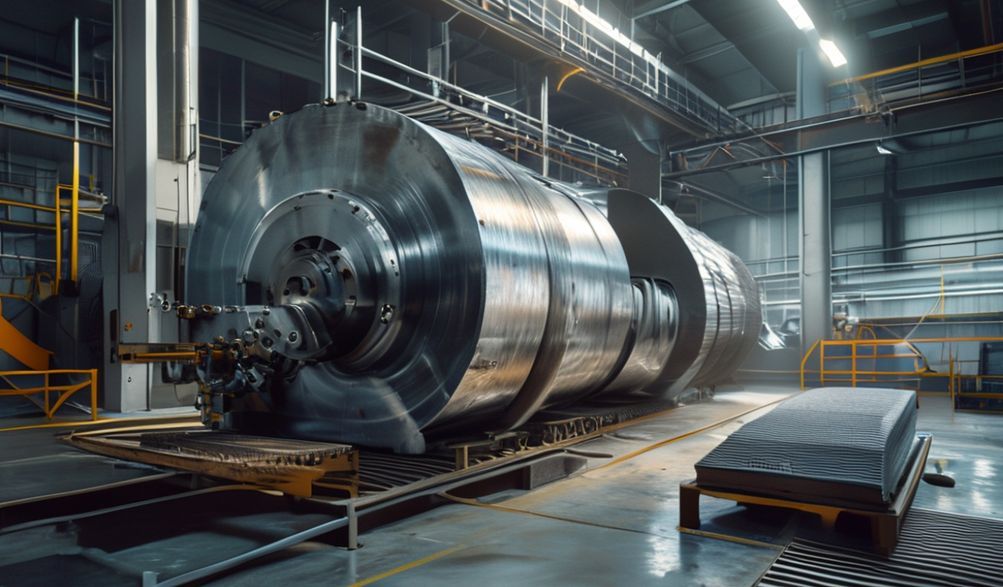
Hướng Dẫn Toàn Diện Về Máy Sản Xuất Gạch Block Di Động Lớn Theo Yêu Cầu
Giới thiệu
Hãy tưởng tượng: bạn vừa giành được một hợp đồng cơ sở hạ tầng mang tính bước ngoặt. Dự án yêu cầu hàng nghìn khối bê tông khổng lồ, độ chính xác cao—tường chắn cho một cảng mới, rào chắn tiếng ồn cho đường cao tốc, hoặc các đơn vị chuyên dụng cho hệ thống phòng chống lũ. Áp lực đang đè nặng. Một máy sản xuất khối tiêu chuẩn được chuyển đến, nhưng không thể xử lý kích thước khối yêu cầu của bạn. Hệ thống rung gặp khó khăn với hỗn hợp cốt liệu nguồn địa phương, dẫn đến các điểm yếu. Sản xuất tụt hậu, chất thải chất đống, và tiến độ dự án—cùng với khả năng sinh lời của bạn—bắt đầu sụp đổ.
Tình huống căng thẳng này là một điểm đau thường gặp trong xây dựng quy mô lớn và sản xuất công nghiệp. Giải pháp không phải là bất kỳ máy móc nào; đó là mộtMáy làm khối lớn di chuyểnđược thiết kế từ đầu cho nhiệm vụ cụ thể của bạn. Tuy nhiên, sự xuất sắc thực sự trong vận hành và lợi tức đầu tư không được mở khóa bằng một giao dịch mua tiêu chuẩn, mà thông qua chiến lượctùy chỉnh.
Hướng dẫn toàn diện này được xây dựng dựa trên kinh nghiệm sâu rộng trong ngành về kỹ thuật và ứng dụng máy móc hạng nặng. Chúng tôi sẽ vượt ra ngoài những tài liệu quảng cáo thông thường để cung cấp những phân tích kỹ thuật và chiến lược cần thiết, giúp bạn đưa ra quyết định đầu tư sáng suốt và mang lại giá trị cao. Bạn sẽ hiểu tại sao việc tùy chỉnh là yếu tố then chốt, những thành phần cốt lõi nào có thể điều chỉnh, quy trình xác định thông số kỹ thuật hoạt động ra sao, và quan trọng nhất, cách lựa chọn một đối tác sản xuất có khả năng biến các yêu cầu riêng biệt của bạn thành một tài sản vận hành tin cậy với năng suất cao.
Tại sao giải pháp "có sẵn" thường không đáp ứng được sản xuất khối lớn
Mua một máy tiêu chuẩn cho một công việc không tiêu chuẩn là sai lầm phổ biến và tốn kém nhất trong sản xuất khối nặng. Dù tiện lợi, một mẫu máy bán sẵn thường buộc dự án của bạn phải tuân theo những hạn chế của nó, thay vì nó phải đáp ứng yêu cầu của dự án bạn.
Những Hạn Chế của Máy Móc Tiêu Chuẩn Đối Với Các Yêu Cầu Dự Án Đặc Thù
Sự khác biệt bắt đầu từ các thông số kỹ thuật cơ bản. Một máy móc theo danh mục được thiết kế cho các thông số tổng quát và phổ biến.
- Kích Thước & Thiết Kế KhốiCác máy tiêu chuẩn được tối ưu hóa cho các kích thước khối thông thường. Nếu bạn cần một khối dài 2m, cao 1m và rộng 0,8m với một kiểu khóa liên kết cụ thể hoặc bề mặt hoàn thiện có kết cấu, thì hệ thống khuôn và máy ép tiêu chuẩn đơn giản là không đáp ứng được.
- Mất Cân Bằng Năng Lực Sản XuấtDự án của bạn có thể cần 50 khối lớn mỗi ca, nhưng một máy tiêu chuẩn có thể được thiết kế để sản xuất 200 đơn vị nhỏ hơn. Việc ép buộc tăng thời gian chu kỳ hoặc mua nhiều máy móc sẽ tạo ra sự kém hiệu quả.
- Tính không linh hoạt của nguyên liệu thô:Hệ thống rung và đầm nén của một máy tiêu chuẩn được hiệu chỉnh cho một công thức phối trộn "lý tưởng". Nếu cát địa phương của bạn quá mịn, cốt liệu quá thô, hoặc bạn đang sử dụng các sản phẩm phụ công nghiệp, một máy không được tùy chỉnh sẽ tạo ra độ đặc chắc không đồng đều và cường độ chịu nén bị suy giảm.
Những Thách Thức Cụ Thể Tại Địa Điểm Đòi Hỏi Giải Pháp Được Thiết Kế Riêng
Mỗi địa điểm sản xuất đều có dấu ấn riêng. Một chiếc máy hoạt động hoàn hảo ở cơ sở này có thể trục trặc ở cơ sở khác.
- Ràng buộc Không gian:Bố trí nhà máy của bạn có thể yêu cầu luồng nguyên vật liệu từ trái sang phải, diện tích chiếm chỗ của máy nhỏ hơn, hoặc hệ thống trả pallet độc đáo. Một thiết kế tiêu chuẩn cứng nhắc sẽ không thể thích ứng.
- Hạn chế về Tiện íchNguồn cung cấp điện (điện áp, pha), áp lực nước và công suất máy nén khí phải quyết định thiết kế máy móc, chứ không phải ngược lại.
- Các yếu tố môi trường:Vận hành trong môi trường cực lạnh đòi hỏi hệ thống dầu được làm nóng và vỏ bọc cách nhiệt. Môi trường nhiều bụi hoặc ăn mòn cần các loại phớt nâng cấp và lớp phủ bảo vệ. Một máy móc tiêu chuẩn không có các tích hợp này.
- Trở ngại Hậu cần:Nếu máy móc phải được vận chuyển đến một địa điểm xa xôi, một thiết kế mô-đun, đóng container để dễ vận chuyển và lắp ráp trở thành một tùy chỉnh quan trọng.
Cái giá thực sự của sự thỏa hiệp: Thời gian ngừng hoạt động, lãng phí và vấn đề về khả năng mở rộng
Khoản tiết kiệm ban đầu của một máy móc tiêu chuẩn thường chỉ là ảo tưởng. Chi phí vận hành dài hạn mới kể lên câu chuyện thực sự:
- Thời gian ngừng hoạt động tăng lênCác bộ phận không vừa vặn sẽ gãy vỡ dưới áp lực bất ngờ. Thiếu sự tích hợp gây ra tắc nghẽn.
- Higher Material Waste: Inconsistent compaction leads to a higher percentage of rejected blocks, wasting costly cement and aggregate.
- Zero Scalability: A machine that barely meets today’s needs cannot adapt to future contracts requiring different block types or higher output, locking you into a cycle of inefficiency.
Core Components of a Customized Big Moving Block Making Machine
Customization is not about adding bells and whistles; it’s about re-engineering core subsystems to work in perfect harmony with your production goals. Here are the key areas where true customization occurs.
The Heart of the Machine: Custom Mold and Pallet Systems
This is the most visible aspect of customization. The mold defines your product.
- Size & Geometry: Engineered to produce your exact block dimensions, whether for colossal seawall units or intricate, architecturally specified facades.
- Surface Finish & Texture: Mold liners can be machined to impart smooth, split-face, rock-face, or branded textures directly during compaction.
- Thiết kế Liên Kết Precision-machined mold details create complex male/female interlocking systems for dry-stack stability without mortar.
- Pallet Compatibility: Pallets are customized for size, thickness (for durability under massive weight), and surface treatment to ensure perfect block release.
Vibration and Compaction Systems Engineered for Your Mix Design
This is the engineering soul of the machine. Block strength and density are born here.
- Vibration Frequency & Amplitude: These parameters are scientifically matched to your specific aggregate gradation and cement type. A fine sand mix requires a different vibration profile than a coarse aggregate mix.
- Compaction Force: Hydraulic or electromechanical pressure systems are sized to achieve the required Green Strength (handling strength out of the mold) and ultimate cured compressive strength (e.g., 30 MPa, 50 MPa).
- Vibration Table Design: A custom-sized table with strategically placed, high-frequency external vibrators or a directed hydraulic core vibrator system ensures uniform density throughout the entire massive block.
Material Handling and Batching Integration
A custom machine views raw material input as part of its function.
- Custom Hoppers & Feeders: Sized for your batch volume and designed with wear-resistant liners for your specific aggregate abrasiveness.
- Conveyor Systems: Belt width, incline, and speed are customized to transport your mix from the batching plant to the machine hopper without segregation.
- Automated Batching Interface: The machine’s PLC can be integrated with your batching plant software for a “one-touch” production cycle, automating material calls for each block.
Control Systems and Automation Level
Customization defines how you interact with the machine, from manual oversight to data-driven management.
- Basic PLC Control: A programmable logic controller allows for sequenced, semi-automatic operation with a human-machine interface (HMI) panel.
- Tự Động Hóa Hoàn Toàn: Robotic pallet handling, automatic mold oiling, and robotic block off-bearing and stacking.
- IoT & Data Tracking: Advanced systems offer remote monitoring, production data logging (cycle times, block counts, downtime reasons), and predictive maintenance alerts via cloud platforms.
The Step-by-Step Process for Customizing Your Machine
A successful custom machine project is a collaborative journey, not a simple transaction. Here is the proven, step-by-step process followed by industry leaders.
Phase 1: Deep-Dive Needs Analysis and Specification
This foundational phase turns your vision into a technical document. Be prepared to provide:
- Thông số kỹ thuật khối Detailed drawings, required compressive strength, weight, and daily/weekly production targets.
- Site & Logistics Data: Plant layout drawings, ceiling height, door sizes, utility points, and site access photos.
- Raw Material Profile: Samples or detailed analysis of your sand, aggregate, and cement.
- Operational Goals: Desired level of automation, number of operators, and future scalability considerations.
Phase 2: Collaborative Design and Engineering Review
Your manufacturer should now translate your specs into engineered solutions.
- 3D CAD Models: You should receive detailed models of the proposed machine, allowing you to visualize fit, flow, and maintenance access.
- Process Flow Diagrams (PFDs): These charts map the entire production cycle, identifying potential bottlenecks.
- Iterative Feedback: This is a collaborative review stage. Your team and the manufacturer’s engineers should discuss and refine the design before any metal is cut.
Phase 3: Manufacturing, Factory Acceptance Testing (FAT), and Documentation
With designs approved, manufacturing begins. Your involvement remains critical.
- Witnessing FAT: Insist on being present for Factory Acceptance Testing. This is where you see the assembled machine run under load, verify cycle times, and confirm it meets the agreed-upon specifications before it ships.
- Tài liệu Toàn diện: You should receive not just a manual, but detailed electrical schematics, hydraulic diagrams, a complete parts list with OEM codes, and recommended maintenance schedules.
Phase 4: Installation, Commissioning, and Operator Training
The final phase ensures a smooth transition to production.
- On-Site Technical Support: Reputable manufacturers provide engineers to supervise installation, align the machine, and conduct commissioning—producing the first blocks with your local materials.
- Structured Operator Training: Training should cover safe daily operation, routine maintenance, basic troubleshooting, and mold changeover procedures. This knowledge transfer is vital for long-term success.
How to Vet a Manufacturer for Custom Heavy Machinery
Your choice of manufacturer is the single biggest determinant of project success. Look beyond price and evaluate these critical factors.
Evaluating Technical Expertise and Engineering Heritage
- Ask for Case Studies: Request detailed examples of past custom projects, especially those with similar block sizes or challenges to yours.
- Inquire About R&D: Do they have a dedicated engineering team? Do they hold patents for vibration systems or machine designs? This indicates innovation capability.
- Request Client References: Speak directly to past clients about their experience with the design process and machine performance.
Assessing Manufacturing Capabilities and Quality Control
- In-House Fabrication: Do they machine key components (like mold frames and vibration tables) themselves, or outsource them? In-house control typically means higher quality assurance.
- Chứng chỉ: Look for ISO 9001 (Quality Management) certification as a baseline. Certifications for welding standards are also a positive sign.
- Component Sourcing: Do they use reputable, brand-name components for hydraulics (e.g., Bosch Rexroth), PLCs (e.g., Siemens, Allen-Bradley), and bearings? This affects longevity and serviceability.
Analyzing After-Sales Support and Global Service Network
- Chính sách Linh kiện Thay thế: What is the guaranteed availability time for critical spare parts? Is there an online parts portal?
- Service Structure: Do they have field service technicians? Can they provide remote diagnostic support via the machine’s PLC?
- Warranty Terms: Read the warranty carefully. It should cover a significant period and include support, not just part replacement.
The Importance of Transparent Communication and Project Management
- Dedicated Project Manager: You should have a single, knowledgeable point of contact who manages timelines and communication.
- Clear Milestones & Reporting: The process should have defined stages (Design Sign-off, FAT Date, Shipping Date) with regular updates.
- Openness About Challenges: A trustworthy partner will communicate potential delays or engineering challenges early, along with proposed solutions.
Frequently Asked Questions (FAQ) About Custom Block Making Machines
Q1: What is the typical lead time for a fully customized big moving block machine?
A: Industry practice shows a typical lead time of 4 to 7 months from finalized design to delivery. This range accounts for engineering complexity, component procurement (especially for custom hydraulics and controllers), and rigorous factory testing. Rushing this process is a false economy; thorough design and testing prevent costly problems on your site.
Q2: How much more expensive is a customized machine compared to a standard model?
A: Framing this as a “premium” is misleading; it’s an đầu tư. Customization can increase the initial capital outlay by 25% to 50% over a comparable standard model. However, the ROI is realized through higher uptime, perfect material yield, lower labor costs via automation, and the ability to fulfill premium contracts that an off-the-shelf machine could not. It pays for itself by being the perfect tool for your job.
Q3: Can you customize a machine we already own?
A: Yes, retrofitting and upgrading existing machines is common and can be a cost-effective strategy. Possibilities include installing a new custom mold and vibration system, upgrading the control PLC, or adding automated pallet feeders. Feasibility depends entirely on the base machine’s structural condition, age, and original design. A thorough audit by the manufacturer’s engineers is the first step.
Q4: What are the most critical maintenance aspects for a custom machine?
A: The customized components demand specific attention:
* Hệ thống khuôn Regular cleaning, inspection for wear on liners and sealing strips, and proper application of release agent.
* Hệ thống Rung Monitoring vibrator mounts for loosening and checking hydraulic pressures or motor currents against baseline readings.
* Hệ thống thủy lực: Maintaining fluid cleanliness and filter changes is paramount.
The major advantage is that your custom maintenance manual will be tailored to your exact machine, making preventative care straightforward.
Q5: How do you ensure the machine will work with our local raw materials?
A: This is a core part of the engineering phase. Reputable manufacturers will request samples of your aggregates, sand, and cement for analysis. They often conduct mix design trials in their own facility or partner lab. By compacting test samples with their proposed vibration system, they can verify the achievable density and strength, and may recommend adjustments to your mix proportions (e.g., water-cement ratio, admixtures) to ensure optimal results with the machine’s configuration.
Conclusion
In the realm of big moving block production, customization is far from a luxury—it is a strategic imperative. It is the decisive factor that separates a mere machine that makes blocks from a high-performance production asset that drives productivity, guarantees quality, and protects your profitability on landmark projects.
Move beyond catalog shopping. Empower your team to engage in a technical dialogue with potential manufacturing partners. Approach them not just as a buyer, but as a collaborator with a clear set of challenges and specifications. The questions you ask about engineering heritage, factory testing, and after-sales support will quickly separate true engineering partners from simple equipment suppliers.
Begin by preparing your detailed project specifications. Then, start those conversations. A well-conceived, meticulously built customized big moving block making machine is more than a purchase; it is a long-term competitive cornerstone, engineered to build the future, block by massive, perfect block.
<