
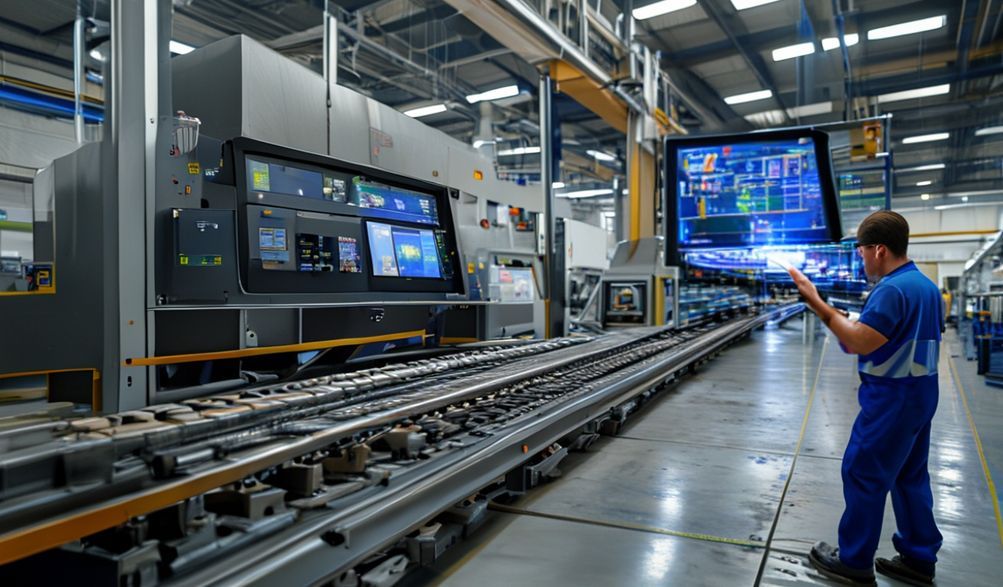
الدليل الشامل لآلات صناعة الطوب الأكبر حجمًا: تعزيز النطاق والكفاءة
مقدمة
تكافح لتلبية الطلب المتزايد على الطوب الخرساني؟ هل يخلق العمل اليدوي أو الآلات الصغيرة عنق زجاجة إنتاجي محبطًا يعيق عملك أو مشروعك؟ لست وحدك. هذا هو التحدي الدقيق الذي يمثل الانتقال من عملية صغيرة إلى منتج على نطاق صناعي.
خلال سنواتنا في هندسة واستشارة إنتاج الكتل الصناعية، لطالما شاهدنا قراراً محورياً واحداً يحول الإنتاجية والربحية: الترقية الاستراتيجية إلى آلة أكبر لصنع الطوب والكتل. الأمر لا يتعلق بمجرد مساحة عمل أكبر؛ بل هو قفزة أساسية في القدرات.
في هذا الدليل، تشير كلمة "أكبر" تحديداً إلى ماكينات صناعة الطوب الأوتوماتيكية بالكامل، عالية السعة والثابتة - وهي القوى الصناعية مثل سلسلة QGM، أو زينيث 940، أو هيس مولتي بلوك. نحن نركز على الأنظمة المحددة بإنتاجها (آلاف البلوكات في الساعة)، وأتمتتها المتطورة، ودورها كعنصر محوري في ساحة البلوك الحديثة.
ماذا ستتعلم؟ سنحلل كيفية تقييم واختيار وتشغيل آلة أكبر حجمًا بذكاء لتعظيم عائد استثمارك، وضمان جودة منتج لا مثيل لها، وتوسيع مؤسستك بشكل مستدام. هذا الدليل لا يُبنى على التخمين، بل على مبادئ الهندسة، وبيانات صناعية قابلة للتحقق، وأفضل الممارسات التشغيلية المكتسبة بصعوبة. دعونا نبني أساسًا لنموك.
لماذا نوسع النطاق؟ الفوائد الجذابة لآلة صنع الطوب الأكبر حجمًا
الانتقال إلى آلة على نطاق صناعي هو قرار رأسمالي كبير. ومع ذلك، فإن المبرر يكمن في مجموعة قوية من الفوائد التي تعمل معًا لتحسين خط الربح والميزة التنافسية بشكل كبير.
زيادة كبيرة في الإنتاج
هذه هي الميزة الأكثر وضوحاً والأكثر تأثيراً. حيث يقفز الإنتاج من النمو الخطي إلى النمو الأسي.
* مقارنة:قد تنتج الآلة شبه الأوتوماتيكية القوية 4000-6000 قطعة قياسية في وردية عمل مدتها 8 ساعات. بينما يمكن للنظام الكبير الأوتوماتيكي بالكامل إنتاج30,000 إلى 50,000 كتلة في نفس الإطار الزمني.
* التأثير الاستراتيجي:هذه القدرة تمكنك من تنفيذ العقود واسعة النطاق بموثوقية - فكر في مشاريع البنية التحتية البلدية، أو مشاريع الإسكان الواسعة، أو المجمعات التجارية. إنها تحول نموذج عملك من ملاحقة الطلبات الصغيرة إلى قيادة المشاريع الكبرى، مما يزيد بشكل كبير من حصتك السوقية وإمكانات إيراداتك.
تفوق في الاتساق وجودة المنتج
يتم تصميم الآلات الأكبر للحصول على الدقة، وليس فقط للكمية. حيث تُدمج الثبات في تصميمها.
* الدمج المتقدم:تستخدم هذه الآلات أنظمة اهتزاز عالية التردد ومتعددة الاتجاهات مجتمعة مع ضغط هيدروليكي مُتحكَّم به. وهذا يضمن كثافة موحدة ودمكًا أمثل في كل قطعة، مما يؤدي إلى قوة ضغط متناسقة تلبي أو تتجاوز معايير ASTM/CEN.
* الدقة الأبعاديةتُنتج القوالب المُصممة بدقة ودورات الملء والضغط المُتحكم فيها كتلًا ذات تسامحات أبعاد دقيقة. وهذا يقلل من الهدر الناتج عن الكتل المرفوضة، ويبسط عملية وضع الطوب، ويعزز الجماليات النهائية للهيكل.
انخفاض كبير في تكاليف العمالة والاعتماد عليها
الأتمتة هي العامل المميز الرئيسي. فهي تحول العمالة من قوة مهمة يدوية إلى فريق ماهر للمراقبة والإدارة.
* سير العمل المتكامل:تتم أتمتة العملية - من تغذية المواد الخام والخلط إلى التشكيل والمعالجة والتكديس والتحميل على المنصات. ويكون التدخل البشري في المقام الأول للإشراف وفحص مراقبة الجودة وإدارة تدفق المواد والمنتجات النهائية.
* Quantifiable Savings: A small-scale operation may require 6-8 people for material handling, molding, and stacking. A large automated system can often be managed by 1-2 skilled operators. This drastically cuts long-term labor costs and mitigates risks associated with labor shortages or skill gaps.
Enhanced Operational Efficiency and Lower Per-Unit Cost
This is where economies of scale become tangible. Higher output spreads fixed costs over more units.
* أوقات دورة أسرع: Advanced hydraulics and control systems minimize the time between each block production cycle.
* الاستخدام الأمثل للمواد Precise batching and reduced waste from higher quality control mean more blocks from the same amount of raw material.
* الخلاصة: While the absolute cost of production may be higher, the cost per block plummets. This gives you greater pricing flexibility and healthier profit margins, funding further growth and innovation.
Key Features to Look for in a Bigger Brick Block Making Machine
Selecting the right machine requires looking beyond brochures to the core specifications that dictate performance and longevity. Here’s what truly matters.
Core Production Specifications
These numbers define the machine’s capacity and capability.
* Cycle Time & Output Capacity: Don’t just look at “maximum” output. Ask for verified output figures for the specific block types you produce (e.g., 200mm hollow blocks, pavers, solid blocks) under standard conditions. A cycle time of 10-15 seconds is typical for high-end machines.
* Molding Pressure & Vibration System: This is the heart of the machine. Seek out systems offering:
* High-frequency vibration (7,000-10,000 RPM) for thorough aggregate settlement.
* Multi-directional (vertical and horizontal) vibration for uniform compaction in complex molds.
* Electronically controlled hydraulic pressure for consistent molding force.
* Pallet Size and Circulation System: This is the logistics backbone. A robust, smooth pallet circulation system is essential for non-stop production. Ensure it uses a standardized pallet size (like 1100x550mm or 1200x600mm) and has a sufficient number of pallets in circulation to maintain output.
الأتمتة وأنظمة التحكم
The “intelligence” of the machine determines its ease of use and operational insight.
* PLC with Touchscreen Interface: The machine’s brain. A modern Programmable Logic Controller (PLC) with a user-friendly touchscreen allows for:
* Easy recipe changes for different block types.
* Real-time fault diagnosis and alerts.
* Production data tracking (output counts, downtime, efficiency reports).
* Automatic Material Feeding & Mixing Integration: The best systems are part of a seamless plant. Look for compatibility with automatic batching plants and conveyor systems that feed mixed concrete directly into the machine hopper, ensuring consistent feed quality.
* Automatic Stacking and Curing Handling: Post-molding automation is critical. Integrated stackers, cross-transfer cars, and systems that place “green” blocks onto curing racks or carts eliminate heavy manual labor and prevent product damage.
Build Quality and Durability
This determines your total lifespan and cost of ownership. Prioritize robustness.
* Heavy-Duty Steel Frame and Components: The frame should be fabricated from high-grade steel plate to withstand 20+ years of constant vibration and load. Inspect weld quality and structural design.
* Quality of Hydraulics and Electricals: Brand reputation matters here. Recognizable, industrial-grade components (e.g., Bosch Rexroth hydraulics, Siemens PLCs) often translate to greater reliability, easier servicing, and less downtime.
* سهولة الصيانة: Design for serviceability is a sign of good engineering. Check for easy access to lubrication points, vibration motors, and hydraulic valves. Ask for maintenance manuals and spare parts lists upfront.
Critical Considerations Before You Invest
A successful investment requires thorough preparation. Overlooking these areas can lead to costly delays and underperformance.
Comprehensive Site and Infrastructure Assessment
Your site must be a partner to the machine.
* الفضاء You need space for the machine’s footprint plus ample area for raw material storage, block curing, and finished product storage. Include space for maintenance access.
* قوة These are power-hungry units. Typically, they require a stable 380V/415V, 50Hz, 3-phase electrical supply with sufficient amperage. Consult with an electrician and your supplier for exact specifications.
* Foundation: A massive, reinforced concrete foundation is non-negotiable. It must be perfectly level and designed to absorb the machine’s dynamic loads. The supplier should provide detailed foundation drawings.
* Raw Material Logistics: Plan for efficient handling of bulk cement, aggregates, and sand. Consider silos, conveyor belts, and loader access to keep the machine fed without interruption.
Total Cost of Ownership (TCO) Analysis
The machine’s price tag is just the entry ticket.
* Upfront Costs: Include international shipping, insurance, customs duties, installation, commissioning, and operator training.
* Long-Term Operational Costs: Factor in:
* Energy consumption of the machine and entire plant.
* Cost of routine spare parts (wear parts like mold liners, vibration shafts).
* Budget for preventive maintenance and potential major overhauls.
* Financial Modeling: Project your increased revenue against this full TCO to calculate a realistic payback period and ROI.
Matching the Machine to Your Product Mix and Market
Avoid buying excess capacity you don’t need, or worse, a machine that can’t make your core products.
* مرونة المنتج Verify the machine can produce the exact block types, sizes, and strengths your current and future customers demand. Ask about mold changeover time and cost.
* Market Alignment: If your market values specialty pavers or interlocking blocks, ensure the machine’s vibration system and control software are suited for these often more complex products. Don’t buy a machine designed only for standard hollow blocks if your strategy is diversification.
Operational Best Practices for Maximum ROI
Owning the machine is step one. Operating it optimally is where the promised ROI is captured.
Proper Installation and Commissioning
Never cut corners here. This phase sets the stage for the machine’s entire operational life.
* Professional Installation: Insist on installation by factory-trained technicians or highly qualified local engineers under remote factory guidance. Proper alignment and calibration are critical.
* Structured Commissioning: This should include mechanical alignment checks, hydraulic system calibration, vibration system tuning, and extensive test runs with your actual raw materials to fine-tune settings.
Routine Maintenance Schedule (A Sample Checklist)
Preventive maintenance is infinitely cheaper than emergency repairs and prolonged downtime.
* Daily: Visual inspection for leaks, unusual noises, or loose parts. Clean spillage and the pallet circulation area.
* Weekly: Lubricate all designated points per the manual. Check and tighten critical bolts on the frame and vibration assembly.
* Monthly: Check hydraulic fluid levels and condition. Inspect vibration motors for wear. Clean sensors and electrical contacts.
* Annually: Perform a comprehensive overhaul. This may involve replacing wear parts, changing hydraulic filters and fluid, and having a specialist inspect the control system.
Optimizing Raw Material Mix Design
The machine can only be as good as the concrete mix it receives.
* Consistency is Key: The #1 rule for automated block making is a consistent, well-graded aggregate supply. Variations in sand moisture content or aggregate size will cause production issues and quality fluctuations.
* Mix Design Collaboration: Work with a material engineer or your machine supplier to develop an optimal mix design. The right cement-aggregate-water ratio and potential admixtures will maximize block strength, cure properly, and reduce abrasive wear on the machine’s molds and hopper.
Frequently Asked Questions (FAQ) About Bigger Block Machines
Q1: What is the typical price range for a large, fully automatic block making machine?
أ: Prices vary widely based on capacity, automation level, and brand. A realistic range is $150,000 to $500,000+. A mid-range, high-output machine from a reputable manufacturer often falls between $250,000 and $400,000. Always view this as a capital investment—the focus should be on the machine’s contribution to profit, not just its initial cost.
Q2: How much manpower is really needed to operate one of these large machines?
أ: While the core molding process is fully automated, a typical operation requires 1-3 skilled personnel per shift. Their roles involve monitoring the control panel, performing periodic quality checks (weight, dimensions), managing the inflow of raw materials from the batching plant, and overseeing the offloading of cured blocks from the stacking/curing system.
Q3: Can I use local raw materials, or do I need special mixes?
أ: These machines are absolutely designed for locally available materials—standard Portland cement, sand, gravel, and crushed stone. The critical factor is not the origin, but the consistency and grading of your aggregates. A well-designed, stable mix formula tailored to your local materials is essential for smooth operation.
Q4: What is the lead time from order to operational machine?
أ: Plan for a 3 to 6-month timeline, minimum. This includes manufacturing (8-12 weeks), sea freight (4-8 weeks), customs clearance, and on-site installation/commissioning (2-4 weeks). Smart buyers use this lead time to complete all site preparation, foundation work, and utility connections.
Q5: How do I ensure I get reliable after-sales service and spare parts?
أ: This is a critical due diligence step. Before purchasing:
* Verify the supplier has a service network or trained agents in your region.
* Request technical documentation (manuals, diagrams) in your language.
* Ask for a list of common spare parts, their prices, and guaranteed availability.
* Ask for and contact references from existing clients in a similar climate or region. Their experience is your best predictor.
خاتمة
Upgrading to a bigger brick block making machine is far more than a simple equipment purchase; it is a strategic investment in the future scale, quality, and efficiency of your operation. The journey from manual or semi-automatic production to fully automated industrial output is defined by unmatched production capacity, superior and consistent product quality, and the powerful economics of scale that drive long-term profitability.
The path forward requires moving from research to informed action. We strongly advise conducting a detailed production audit of your current output, costs, and future growth goals. Reputable manufacturers and industry consultants often provide this service. With clear, data-driven specifications in hand, you can engage with potential suppliers from a position of knowledge and confidence.
Ultimately, this investment is about building resilience and capacity. It empowers you to not just participate in the construction market, but to shape the infrastructure and communities of tomorrow with remarkable efficiency and strength. The foundation for that future starts with the right machine.
<