
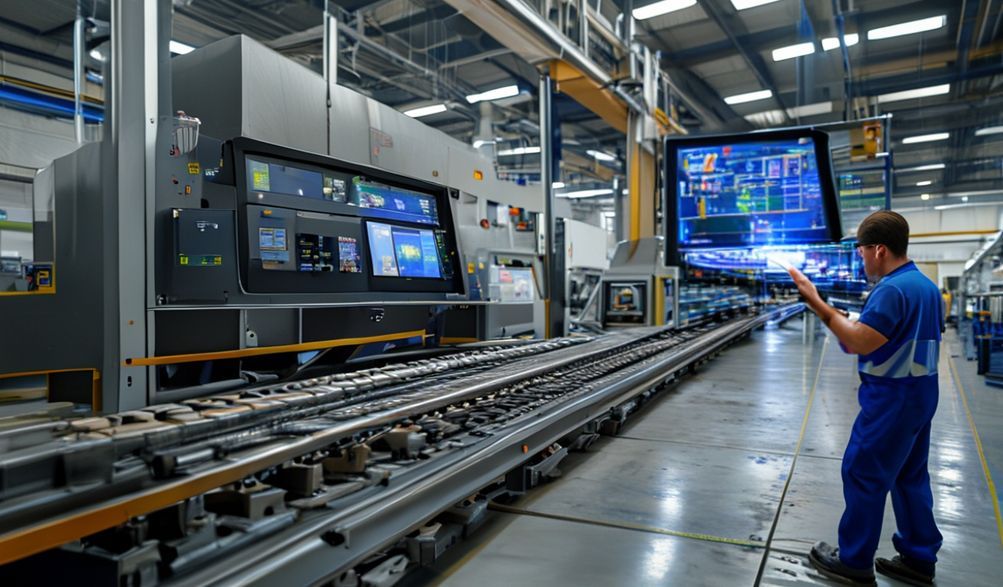
Panduan Utama untuk Mesin Pembuat Blok Bata yang Lebih Besar: Meningkatkan Skala & Efisiensi
Pengantar
Berjuang memenuhi permintaan balok beton yang melonjak? Apakah tenaga kerja manual atau mesin skala kecil menciptakan hambatan produksi yang membuat frustrasi dan menghambat bisnis atau proyek Anda? Anda tidak sendirian. Inilah tantangan tepat yang menandai transisi dari operasi kecil ke produsen skala industri.
Dalam tahun-tahun kami berkecimpung di bidang rekayasa dan konsultasi produksi blok industri, satu keputusan krusial terus-menerus terbukti mengubah hasil dan profitabilitas: peningkatan strategis ke mesin pembuat bata blok yang lebih besar. Ini bukan sekadar soal ukuran yang lebih luas; ini tentang lompatan mendasar dalam kapabilitas.
Dalam panduan ini, "lebih besar" secara khusus merujuk pada mesin pembuat blok berkapasitas tinggi, otomatis penuh, dan stasioner—mesin-mesin industri tangguh seperti seri QGM, Zenith 940, atau Hess Multibloc. Fokus kami adalah pada sistem yang didefinisikan oleh outputnya (ribuan blok per jam), otomatisasi canggihnya, serta perannya sebagai pusat dari halaman produksi blok modern.
Apa yang akan Anda pelajari? Kami akan menguraikan cara mengevaluasi, memilih, dan mengoperasikan mesin yang lebih besar secara cerdas untuk memaksimalkan pengembalian investasi, memastikan kualitas produk yang tak tertandingi, dan mengembangkan usaha Anda secara berkelanjutan. Panduan ini tidak dibangun berdasarkan spekulasi, melainkan pada prinsip-prinsip teknik, data industri yang dapat diverifikasi, dan praktik terbaik operasional yang diperoleh dari pengalaman. Mari membangun fondasi untuk pertumbuhan Anda.
Mengapa Meningkatkan Skala? Manfaat Menarik dari Mesin Pembuat Blok yang Lebih Besar
Beralih ke mesin skala industri adalah keputusan modal yang signifikan. Namun, pembenarannya ditemukan dalam sekelompok manfaat yang kuat yang bekerja sama untuk secara dramatis meningkatkan laba dan daya saing Anda.
Peningkatan Dramatis dalam Output Produksi
Ini adalah keunggulan yang paling jelas namun paling berdampak. Hasil melonjak dari pertumbuhan linear menjadi eksponensial.
* Perbandingan:Sebuah mesin semi-otomatis yang tangguh dapat menghasilkan 4.000-6.000 blok standar dalam shift 8 jam. Sistem otomatis penuh yang besar dapat menghasilkan30.000 hingga 50.000 blok dalam periode waktu yang sama.
* Dampak Strategis:Kapasitas ini memungkinkan Anda untuk secara andal memenuhi kontrak berskala besar—seperti proyek infrastruktur kota, pengembangan perumahan luas, atau kompleks komersial. Ini menggeser model bisnis Anda dari mengejar pesanan kecil ke menguasai pesanan besar, secara signifikan meningkatkan pangsa pasar dan potensi pendapatan Anda.
Konsistensi dan Kualitas Produk yang Unggul
Mesin yang lebih besar dirancang untuk ketepatan, bukan hanya volume. Konsistensi tertanam dalam desainnya.
* Pemadatan Lanjutan:Mesin-mesin ini menggunakan sistem getaran frekuensi tinggi dan multi-arah yang dikombinasikan dengan tekanan hidrolik terkontrol. Hal ini memastikan kepadatan seragam dan pemadatan optimal di setiap balok, menghasilkan kekuatan tekan yang konsisten yang memenuhi atau melampaui standar ASTM/CEN.
* Akurasi Dimensi:Cetakan yang dirancang presisi dan siklus pengisian/pemadatan yang terkontrol menghasilkan balok dengan toleransi dimensi yang sangat akurat. Hal ini mengurangi limbah dari balok yang ditolak, menyederhanakan pemasangan bata, dan meningkatkan estetika struktur akhir.
Pengurangan Signifikan dalam Biaya Tenaga Kerja dan Ketergantungan
Otomatisasi adalah pembeda utama. Ia mengubah tenaga kerja dari pasukan tugas manual menjadi tim pemantauan dan manajemen yang terampil.
* Alur Kerja Terintegrasi:Prosesnya—mulai dari pengumpanan dan pencampuran bahan baku hingga pencetakan, pematangan, penumpukan, dan paletisasi—berjalan secara otomatis. Intervensi manusia terutama untuk pengawasan, pemeriksaan kendali mutu, dan pengelolaan aliran bahan serta produk jadi.
* Penghematan yang Terukur:Operasi skala kecil mungkin memerlukan 6-8 orang untuk penanganan material, pencetakan, dan penumpukan. Sistem otomatis berskala besar seringkali dapat dikelola oleh1-2 operator terampilIni secara drastis memangkas biaya tenaga kerja jangka panjang dan mengurangi risiko terkait kekurangan tenaga kerja atau kesenjangan keterampilan.
Peningkatan Efisiensi Operasional dan Penurunan Biaya per Unit
Di sinilah skala ekonomi menjadi nyata. Produksi yang lebih tinggi menyebarkan biaya tetap ke lebih banyak unit.
* Waktu Siklus Lebih Cepat:Hidrolika dan sistem kontrol canggih meminimalkan waktu antara setiap siklus produksi blok.
* Penggunaan Material yang Dioptimalkan:Pembakaran yang tepat dan pengurangan limbah dari kontrol kualitas yang lebih tinggi menghasilkan lebih banyak blok dari jumlah bahan baku yang sama.
* Intinya:Meskipun biaya produksi absolut mungkin lebih tinggi, biayaper block plummets. This gives you greater pricing flexibility and healthier profit margins, funding further growth and innovation.
Key Features to Look for in a Bigger Brick Block Making Machine
Selecting the right machine requires looking beyond brochures to the core specifications that dictate performance and longevity. Here’s what truly matters.
Core Production Specifications
These numbers define the machine’s capacity and capability.
* Cycle Time & Output Capacity: Don’t just look at “maximum” output. Ask for verified output figures for the specific block types you produce (e.g., 200mm hollow blocks, pavers, solid blocks) under standard conditions. A cycle time of 10-15 seconds is typical for high-end machines.
* Molding Pressure & Vibration System: This is the heart of the machine. Seek out systems offering:
* High-frequency vibration (7,000-10,000 RPM) for thorough aggregate settlement.
* Multi-directional (vertical and horizontal) vibration for uniform compaction in complex molds.
* Electronically controlled hydraulic pressure for consistent molding force.
* Pallet Size and Circulation System: This is the logistics backbone. A robust, smooth pallet circulation system is essential for non-stop production. Ensure it uses a standardized pallet size (like 1100x550mm or 1200x600mm) and has a sufficient number of pallets in circulation to maintain output.
Automation and Control Systems
The “intelligence” of the machine determines its ease of use and operational insight.
* PLC with Touchscreen Interface: The machine’s brain. A modern Programmable Logic Controller (PLC) with a user-friendly touchscreen allows for:
* Easy recipe changes for different block types.
* Real-time fault diagnosis and alerts.
* Production data tracking (output counts, downtime, efficiency reports).
* Automatic Material Feeding & Mixing Integration: The best systems are part of a seamless plant. Look for compatibility with automatic batching plants and conveyor systems that feed mixed concrete directly into the machine hopper, ensuring consistent feed quality.
* Automatic Stacking and Curing Handling: Post-molding automation is critical. Integrated stackers, cross-transfer cars, and systems that place “green” blocks onto curing racks or carts eliminate heavy manual labor and prevent product damage.
Kualitas dan Daya Tahan Bangunan
This determines your total lifespan and cost of ownership. Prioritize robustness.
* Heavy-Duty Steel Frame and Components: The frame should be fabricated from high-grade steel plate to withstand 20+ years of constant vibration and load. Inspect weld quality and structural design.
* Quality of Hydraulics and Electricals: Brand reputation matters here. Recognizable, industrial-grade components (e.g., Bosch Rexroth hydraulics, Siemens PLCs) often translate to greater reliability, easier servicing, and less downtime.
* Kemudahan Perawatan: Design for serviceability is a sign of good engineering. Check for easy access to lubrication points, vibration motors, and hydraulic valves. Ask for maintenance manuals and spare parts lists upfront.
Critical Considerations Before You Invest
A successful investment requires thorough preparation. Overlooking these areas can lead to costly delays and underperformance.
Comprehensive Site and Infrastructure Assessment
Your site must be a partner to the machine.
* Ruang Angkasa: You need space for the machine’s footprint plus ample area for raw material storage, block curing, and finished product storage. Include space for maintenance access.
* Kekuasaan: These are power-hungry units. Typically, they require a stable 380V/415V, 50Hz, 3-phase electrical supply with sufficient amperage. Consult with an electrician and your supplier for exact specifications.
* Foundation: A massive, reinforced concrete foundation is non-negotiable. It must be perfectly level and designed to absorb the machine’s dynamic loads. The supplier should provide detailed foundation drawings.
* Raw Material Logistics: Plan for efficient handling of bulk cement, aggregates, and sand. Consider silos, conveyor belts, and loader access to keep the machine fed without interruption.
Total Cost of Ownership (TCO) Analysis
The machine’s price tag is just the entry ticket.
* Upfront Costs: Include international shipping, insurance, customs duties, installation, commissioning, and operator training.
* Long-Term Operational Costs: Factor in:
* Energy consumption of the machine and entire plant.
* Cost of routine spare parts (wear parts like mold liners, vibration shafts).
* Budget for preventive maintenance and potential major overhauls.
* Financial Modeling: Project your increased revenue against this full TCO to calculate a realistic payback period and ROI.
Matching the Machine to Your Product Mix and Market
Avoid buying excess capacity you don’t need, or worse, a machine that can’t make your core products.
* Fleksibilitas Produk: Verify the machine can produce the exact block types, sizes, and strengths your current and future customers demand. Ask about mold changeover time and cost.
* Market Alignment: If your market values specialty pavers or interlocking blocks, ensure the machine’s vibration system and control software are suited for these often more complex products. Don’t buy a machine designed only for standard hollow blocks if your strategy is diversification.
Operational Best Practices for Maximum ROI
Owning the machine is step one. Operating it optimally is where the promised ROI is captured.
Proper Installation and Commissioning
Never cut corners here. This phase sets the stage for the machine’s entire operational life.
* Professional Installation: Insist on installation by factory-trained technicians or highly qualified local engineers under remote factory guidance. Proper alignment and calibration are critical.
* Structured Commissioning: This should include mechanical alignment checks, hydraulic system calibration, vibration system tuning, and extensive test runs with your actual raw materials to fine-tune settings.
Routine Maintenance Schedule (A Sample Checklist)
Preventive maintenance is infinitely cheaper than emergency repairs and prolonged downtime.
* Harian: Visual inspection for leaks, unusual noises, or loose parts. Clean spillage and the pallet circulation area.
* Mingguan: Lubricate all designated points per the manual. Check and tighten critical bolts on the frame and vibration assembly.
* Bulanan: Check hydraulic fluid levels and condition. Inspect vibration motors for wear. Clean sensors and electrical contacts.
* Annually: Perform a comprehensive overhaul. This may involve replacing wear parts, changing hydraulic filters and fluid, and having a specialist inspect the control system.
Optimizing Raw Material Mix Design
The machine can only be as good as the concrete mix it receives.
* Consistency is Key: The #1 rule for automated block making is a consistent, well-graded aggregate supply. Variations in sand moisture content or aggregate size will cause production issues and quality fluctuations.
* Mix Design Collaboration: Work with a material engineer or your machine supplier to develop an optimal mix design. The right cement-aggregate-water ratio and potential admixtures will maximize block strength, cure properly, and reduce abrasive wear on the machine’s molds and hopper.
Frequently Asked Questions (FAQ) About Bigger Block Machines
Q1: What is the typical price range for a large, fully automatic block making machine?
A: Prices vary widely based on capacity, automation level, and brand. A realistic range is $150,000 to $500,000+. A mid-range, high-output machine from a reputable manufacturer often falls between $250,000 and $400,000. Always view this as a capital investment—the focus should be on the machine’s contribution to profit, not just its initial cost.
Q2: How much manpower is really needed to operate one of these large machines?
A: While the core molding process is fully automated, a typical operation requires 1-3 skilled personnel per shift. Their roles involve monitoring the control panel, performing periodic quality checks (weight, dimensions), managing the inflow of raw materials from the batching plant, and overseeing the offloading of cured blocks from the stacking/curing system.
Q3: Can I use local raw materials, or do I need special mixes?
A: These machines are absolutely designed for locally available materials—standard Portland cement, sand, gravel, and crushed stone. The critical factor is not the origin, but the consistency and grading of your aggregates. A well-designed, stable mix formula tailored to your local materials is essential for smooth operation.
Q4: What is the lead time from order to operational machine?
A: Plan for a 3 to 6-month timeline, minimum. This includes manufacturing (8-12 weeks), sea freight (4-8 weeks), customs clearance, and on-site installation/commissioning (2-4 weeks). Smart buyers use this lead time to complete all site preparation, foundation work, and utility connections.
Q5: How do I ensure I get reliable after-sales service and spare parts?
A: This is a critical due diligence step. Before purchasing:
* Verify the supplier has a service network or trained agents in your region.
* Request technical documentation (manuals, diagrams) in your language.
* Ask for a list of common spare parts, their prices, and guaranteed availability.
* Ask for and contact references from existing clients in a similar climate or region. Their experience is your best predictor.
Kesimpulan
Upgrading to a bigger brick block making machine is far more than a simple equipment purchase; it is a strategic investment in the future scale, quality, and efficiency of your operation. The journey from manual or semi-automatic production to fully automated industrial output is defined by unmatched production capacity, superior and consistent product quality, and the powerful economics of scale that drive long-term profitability.
The path forward requires moving from research to informed action. We strongly advise conducting a detailed production audit of your current output, costs, and future growth goals. Reputable manufacturers and industry consultants often provide this service. With clear, data-driven specifications in hand, you can engage with potential suppliers from a position of knowledge and confidence.
Ultimately, this investment is about building resilience and capacity. It empowers you to not just participate in the construction market, but to shape the infrastructure and communities of tomorrow with remarkable efficiency and strength. The foundation for that future starts with the right machine.
<