
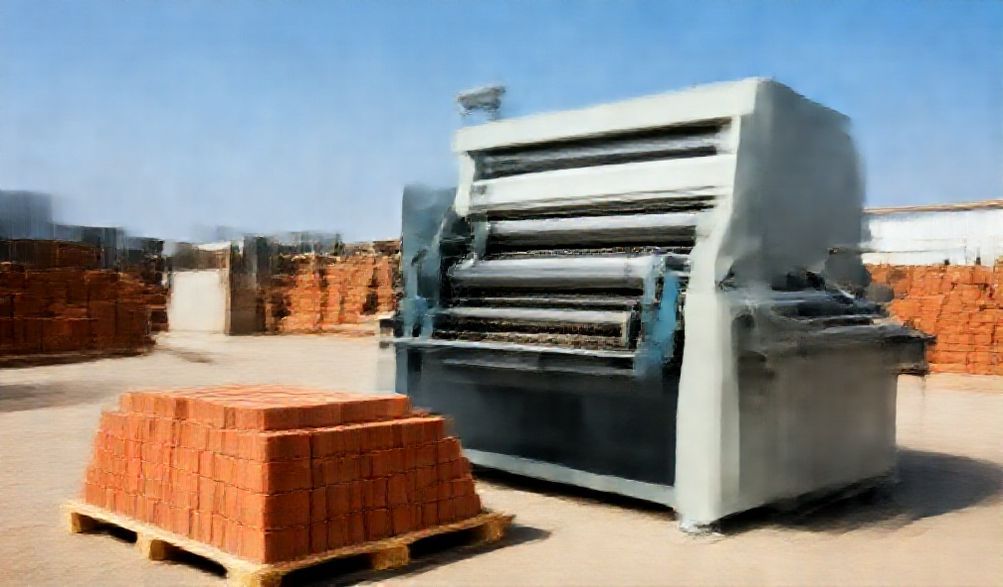
سعر آلة صنع الطوب الأسمنتي في جنوب أفريقيا (دليل المشتري لعام 2026)
مقدمة
قطاع البناء في جنوب إفريقيا يُعد حجر الزاوية في تنميتها الاقتصادية، حيث يقدر الطلب بأكثر من 6 مليارات طوبة وكتلة سنوياً لدعم مشاريع البنية التحتية والإسكان والتجارية. بالنسبة للمقاولين والبنائين ورواد الأعمال الذين يسعون للاستفادة من هذا الطلب، غالباً ما تبدأ رحلة البحث بسؤال حاسم: "ما هو سعر آلة صنع طوب الأسمنت؟"
كخبراء متمرسين لأكثر من 15 عامًا في توريد وخدمة معدات البناء في جميع أنحاء جنوب إفريقيا، نحن ندرك أن السعر هو مجرد نقطة البداية. السؤال الحقيقي الذي يجب أن تطرحه هو حولالقيمة، والعائد على الاستثمار (ROI)، والملاءمة طويلة الأجللعمليتك المحددة، قد تتحول الآلة التي تبدو وكأنها صفقة مغرية مبدئياً إلى مسؤولية مكلفة إذا ما تعطلت تحت الحمل، أو افتقرت إلى دعم الخدمة المحلية، أو لم تتمكن من تحقيق أهدافك الإنتاجية.
صُمم هذا الدليل للانتقال إلى ما هو أبعد من قوائم الأسعار البسيطة. سنقدم تحليلاً شاملاً مدعوماً بالبيانات للعوامل المؤثرة على التكلفة، ونقارن بين أنواع الآلات المختلفة مع تقديرات أسعار واقعية لعام 2026، ونسلط الضوء على النفقات الخفية غالباً للملكية. هدفنا هو تزويدك بالمعرفة اللازمة لاتخاذ استثمار مدروس، مما يضمن أن تصبح الآلة التي تشتريها مركز ربح وليس مشكلة. دعونا نبني أساساً متيناً لقرارك.
فهم العوامل المؤثرة في أسعار ماكينات الطوب الأسمنتي في جنوب أفريقيا
سعر آلة صنع الطوب هو نتيجة نهائية لتصميمها وقدراتها وهيكل الدعم المرفق. فهم هذه المتغيرات هو مفتاح مقارنة العروض والتعرف على القيمة الحقيقية.
نوع الجهاز الأساسي ومستوى الأتمتة
هذا هو العامل الأكبر في تحديد السعر. يتراوح الطيف من العمل اليدوي البحت إلى خطوط الإنتاج المؤتمتة بالكامل.
* الآلات اليدوية:تعمل بالكامل يدويًا، من الخلط إلى القولبة والإخراج. أقل تكلفة أولية ولكن أعلى تكلفة عمالة مستمرة.
* الآلات شبه الآلية:مَيكنة عمليات الدك والاهتزاز الحرجة، غالبًا باستخدام نظام هيدروليكي. يقوم المشغل بتغذية المواد وإزالة الطوب النهائي. وهذا يوفر أفضل توازن بين الإنتاجية والقدرة على تحمل التكاليف للعديد من الشركات.
* آلات أوتوماتيكية بالكامل:أنظمة التحكم المنطقية القابلة للبرمجة (PLC) التي تتعامل مع التغذية والخلط والضغط والمعالجة والتراص بأقل تدخل بشري. وهي تحقق سعرًا مرتفعًا لكنها تقدم إنتاجًا واتساقًا لا مثيل لهما.
القدرة الإنتاجية (الإنتاج في الساعة/اليوم)
يتناسب السعر طردياً مع الإنتاجية المتوقعة. فآلة مصنفة لإنتاج 1000 طوبة في الساعة ستكون أقل تكلفة بكثير من آلة مصنفة لإنتاج 5000 طوبة. من الضروري مطابقة السعة مع توقعات عملك الواقعية، مع السماح بالنمو دون استثمار مبالغ زائدة في البداية.
المكونات الرئيسية وجودة التصنيع
ما بداخل الآلة هو المهم:
* النظام الهيدروليكي:نظام هيدروليكي قوي وموثوق من علامة تجارية معروفة (مثل بوش ريكسروث) يزيد التكلفة ولكنه يضمن ضغطًا ثابتًا، وانهيارات أقل، وعمرًا أطول.
* جودة القالب:قوالب الصلب المقسى ذات التسامحات الدقيقة تكلف أكثر، لكنها تنتج طوبًا عالي الجودة بدقة أبعاد وتدوم لفترة أطول بكثير من البدائل الرديئة.
* الإطار والهيكل:تصنيع الفولاذ الثقيل يقاوم الاهتزاز المستمر والإجهاد التشغيلي، مما يمنع اختلال المحاذاة والتلف المبكر.
* لوحات التحكمأنظمة التتابع البسيطة أرخص؛ بينما وحدات التحكم المنطقية القابلة للبرمجة (PLCs) أكثر تكلفة لكنها توفر تشخيصًا أفضل وأتمتة وتحكمًا في العمليات.
أصل العلامة التجارية والدعم المحلي
- الآلات المستوردة:غالبًا ما تكون الأسعار تنافسية في البداية. ومع ذلك، تشمل التكاليف الخفيفة فترات انتظار أطول لقطع الغيار، وحواجز محتملة في التواصل، ومكالمات الخدمة الدولية باهظة الثمن.
- الآلات المصنعة/المجمعة محليًا:قد يكون سعرها أعلى قليلاً، لكنها تقدم قيمة طويلة الأجل هائلة من خلال قطع الغيار المتاحة بسهولة، وأوقات استجابة فنيين سريعة، وضمانات أسهل في التنفيذ. في تجربتنا، هذا الدعم المحلي لا يقدر بثمن لتقليل وقت التوقف المكلف.
تفصيل الأسعار حسب نوع الآلة (تقديرات 2026)
ملاحظة: جميع الأسعار مقدرة بالراند الجنوب أفريقي (ZAR) لعام 2026 وهي عرضة لتقلبات السوق، وتغييرات المواصفات، وشروط الموردين. يرجى دائمًا طلب عرض أسعار رسمي ومفصل.
آلات صنع الطوب اليدوية والتشغيل اليدوي
- نطاق السعر:8,000 راند – 45,000 راند
- مثالي لـ:المطورون الأفراد، الشركات الناشئة الصغيرة جداً، المشاريع المجتمعية، وخطوط المنتجات المتخصصة ذات الحجم المنخفض.
- إيجابيات وسلبيات:
- مزايا:تكلفة رأسمالية منخفضة للغاية، لا تحتاج إلى كهرباء، سهل الاستخدام والصيانة، عالي الحمولة.
- سلبيات:مكثفة العمالة جدًا، إنتاج منخفض (200-500 طوبة يوميًا)، جودة غير متسقة للطوب تعتمد على مهارة المشغل، غير مناسبة للربحية على النطاق التجاري.
آلات صنع الطوب شبه الأوتوماتيكية
- نطاق السعر:60,000 راند – 350,000 راند
- مثالي لـ: Growing block yards, medium-scale contractors, and entrepreneurs serious about building a profitable brick-making business. This is the most popular category for SMEs.
- Features Justifying Cost: These machines typically feature a diesel or electric motor, a vibration system for better compaction, and often a hydraulic mechanism for brick ejection. They significantly reduce physical labour while boosting output to between 1,000 and 3,000 bricks per 8-hour shift, depending on model and crew size.
آلات صناعة الطوب الأوتوماتيكية بالكامل
- نطاق السعر: R 400,000 – R 2,500,000+
- مثالي لـ: Large-scale commercial block yards, industrial operations supplying major construction firms, and businesses focused on maximum output with minimal labour.
- Explanation of the Premium: You are investing in an integrated production system. These lines include automatic material feeders, mixers, conveyors, and sometimes robotic pallet stackers. Controlled by advanced PLCs, they can produce 5,000 to 20,000+ bricks per shift with a crew of just 2-3 people. The high price reflects engineering complexity, superior components, and immense productivity.
Beyond the Sticker Price: Calculating Your Total Investment
The machine’s purchase price is only part of the story. A trustworthy budget accounts for the full cost of ownership.
Import Duties, VAT, and Logistics Costs
If you import a machine directly, you must add:
* Customs Duty: Varies but can be 5-15% of the machine’s value.
* VAT: 15% on the total value (cost + insurance + freight + duty).
* اللوجستيات: Shipping, insurance, port clearance fees, and inland transportation to your site. This can add 20-30% or more to the ex-factory price.
Installation, Commissioning, and Operator Training
- Installation: Requires a level, stable concrete foundation. Factor in civil work costs.
- Commissioning: A technician sets up, tests, and fine-tunes the machine. Some suppliers include this; others charge a daily rate plus travel.
- تدريب Proper training for your operators is non-negotiable for safety, efficiency, and machine longevity. Ensure it’s included in your purchase agreement.
Running Costs: Power, Maintenance, and Spare Parts
- استهلاك الطاقة Electric motors and hydraulic systems consume electricity. Calculate this into your cost-per-brick model.
- Preventative Maintenance: Regular oil changes, filter replacements, and greasing are essential. Budget for an annual maintenance cost.
- قطع الغيار: Wear items like mould liners, hydraulic seals, and vibration springs will need replacement. Reputable suppliers can provide a spare parts list with prices upfront.
The Cost of Raw Materials: Cement, Sand, Stone
Your machine’s design influences your material costs. Some machines produce high-quality bricks with less cement content through superior compaction. The ratio and quality of your raw materials (river sand vs. crusher dust, etc.) will be your largest ongoing variable cost.
Where to Buy: Evaluating Suppliers in South Africa
Choosing the right supplier is as important as choosing the right machine.
Recognized Local Manufacturers and Distributors
Look for established companies with a physical presence, such as a factory, warehouse, or showroom. These players have built their reputation on quality and service. They often offer:
* Comprehensive warranties.
* Ready stock of common spare parts.
* Field service teams.
* Demonstrations and client references.
The Pros and Cons of Online Marketplaces
Platforms like Gumtree or Facebook Marketplace can list attractive deals, primarily for used equipment.
* Potential Pro: Lower upfront cost.
* Significant Cons: No warranty, unknown service history, risk of buying stolen or damaged equipment, and zero after-sales support. We strongly advise a thorough, in-person inspection by a qualified mechanic before any purchase.
Red Flags and Green Flags in a Supplier
| Green Flags | Red Flags |
| :— | :— |
| Clear, detailed warranties & service contracts. | Vague pricing or refusal to provide a written quote. |
| Willingly provides contactable client references. | No physical address or only a P.O. Box. |
| Has a showroom where you can see machines. | Pressure to pay a deposit before answering all your questions. |
| Readily discusses both machine strengths and limitations. | Promises outputs that seem unrealistically high for the price. |
| Offers financing options or guidance. | Cannot explain basic technical aspects or after-sales process. |
Key Questions to Ask Before You Buy
Arm yourself with these questions to separate the best suppliers from the rest.
About the Machine:
- “What is the tested and guaranteed output (bricks per hour) using a standard South African cement-and-sand mix?”
- “Can you provide a list of critical spare parts with their prices and expected lifespan?”
- “What are the specifications for the foundation required, and what is the power supply needed (voltage, phase, amperage)?”
- “Is the control system and manual available in English or Afrikaans?”
About the Supplier:
- “What exactly does your warranty cover, for how long, and what is the process for making a claim?”
- “Do you have a dedicated service technician or agent in my province? What is your typical response time?”
- “Can I visit a current client’s operation to see this model working in real conditions?”
- “Do you offer operator training, and is it included in the price?”
الأسئلة الشائعة (FAQ)
What is the cheapest cement brick making machine available in South Africa?
The cheapest options are manual, hand-operated machines, often found from around R 8,000. However, “cheapest” must be contextualised. The trade-off is very high labour input and very low output, making them impractical for any business aiming for commercial profitability. They are tools for specific, small-scale tasks.
Can I get a government grant or financing for a brick making machine?
Possibly. Various SME support programs exist through entities like the Department of Trade, Industry and Competition (DTI), the Small Enterprise Development Agency (SEDA), and provincial economic development agencies. Many reputable local suppliers also offer in-house financing or have relationships with financial institutions to facilitate lease-to-own or loan agreements. Your first step should be to inquire directly with suppliers and then approach local business support offices.
How much profit can I make from a brick making business?
We avoid giving specific figures as profit depends entirely on your operational efficiency, local material costs, selling price in your market, and business management skills. A simple framework is: (Selling Price per Brick) – (Cost of Materials + Labour + Power + Maintenance + Overhead) = Gross Profit. A semi-automatic machine in a well-managed operation can produce a healthy margin, but success requires market research, cost control, and consistent sales.
Is it better to buy a new or used brick making machine?
This depends on risk tolerance and capital.
* New Machine: Higher initial cost but comes with a warranty, latest technology, known condition, and full supplier support. It’s the lower-risk option for ensuring business continuity.
* Used Machine: Lower initial cost but carries high risk. Wear and tear may be hidden, and breakdowns are likely without warranty. If considering used, insist on a professional inspection, verify the machine’s history, and ensure critical spare parts are still available for that model.
خاتمة
Navigating the cement brick making machine market in South Africa requires looking past the initial price tag. The “right” price is one that balances your upfront investment with long-term reliability, accessible support, and production efficiency that meets your business goals.
Our final expert advice is this: Begin with a clear business plan. Define your target output, budget, and growth trajectory before you even start collecting quotes. This clarity will guide you to the appropriate machine type. Remember, the most reputable supplier—one who offers robust support and stands behind their product—is almost always a wiser choice than opting for the absolute cheapest machine from an unknown source.
Call to Action: Use this guide as your benchmark. Consult with at least three reputable suppliers, ask them the key questions outlined here, and request comprehensive, written quotations that detail both the machine specifications and all associated costs. This diligent comparison is your best path to a sound investment that will build the foundation of your business for years to come.
Ready to discuss your specific project needs? Contact our team of specialists today for a personalised consultation and a detailed, no-obligation quote tailored to your production goals.
<