
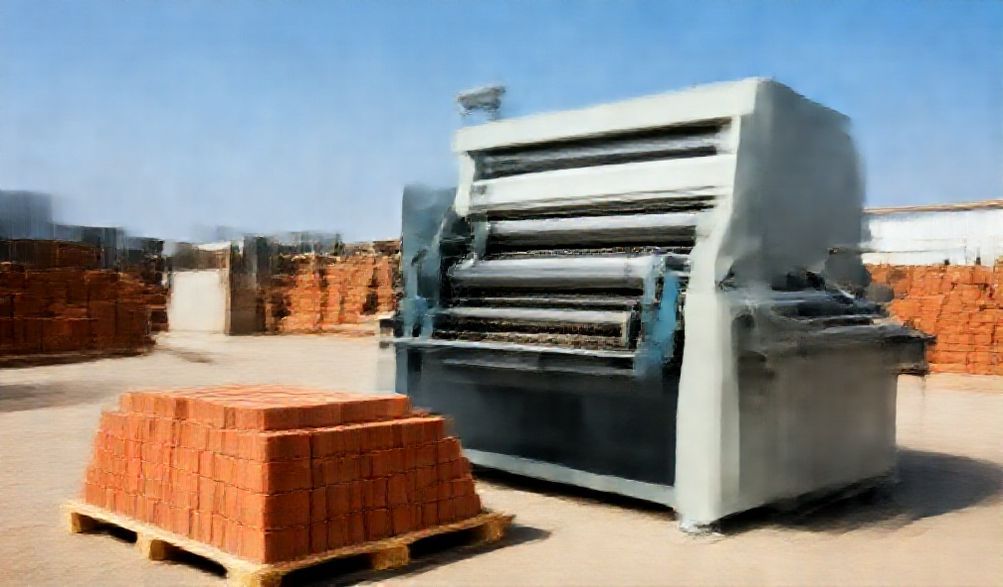
Ціна на машину для виробництва цементної цегли в Південній Африці (Путівник покупця на 2026 рік)
Вступ
Будівельний сектор Південної Африки є наріжним каменем її економічного розвитку, з оцінюваним попитом на понад 6 мільярдів цеглин та блоків щороку для підтримки інфраструктурних, житлових та комерційних проектів. Для підрядників, будівельників та підприємців, які бажають скористатися цим попитом, пошук часто починається з одного критичного питання: "Яка ціна машини для виробництва цементних цеглин?"
Як досвідчені професіонали з понад 15-річним досвідом постачання та обслуговування будівельної техніки по всій Південній Африці, ми розуміємо, що ціна — це лише початкова точка. Справжнє питання, яке вам варто ставити, стосуєтьсяцінність, рентабельність інвестицій (ROI) та довгострокова придатністьДля вашої конкретної операції. Машина, яка здається вигідною спочатку, може перетворитися на дороге зобов'язання, якщо вона вийде з ладу під навантаженням, не має локальної сервісної підтримки або не може задовольнити ваші виробничі цілі.
Цей посібник створено, щоб вийти за межі простих переліків цін. Ми надамо комплексний, підкріплений даними аналіз факторів, що впливають на вартість, порівняємо різні типи машин із реалістичними оцінками цін на 2026 рік, а також висвітлимо часто приховані витрати на володіння. Наша мета — надати вам знання, необхідні для обґрунтованих інвестицій, гарантуючи, що куплена вами машина стане джерелом прибутку, а не проблем. Давайте закладемо міцну основу для вашого рішення.
Розуміння факторів, що впливають на ціни машин для виробництва цементної цегли в Південній Африці
Цінова бирка на машині для виробництва цегли є результатом її дизайну, можливостей та структури підтримки. Розуміння цих змінних є ключем до порівняння пропозицій та визнання справжньої цінності.
Основні типи машин та рівень автоматизації
Це єдиний найбільший чинник, що визначає ціну. Спектр варіюється від повністю ручної праці до повністю автоматизованих виробничих ліній.
* Ручні верстати:Повністю ручне управління, від змішування до формування та виштовхування. Найнижча початкова вартість, але найвища постійна вартість праці.
* Напівавтоматичні верстати:Механізуйте критичні процеси ущільнення та вібрації, часто за допомогою гідравлічної системи. Оператор подає матеріал і виймає готову цеглу. Це забезпечує оптимальний баланс продуктивності та доступності для багатьох підприємств.
* Повністю автоматичні машини:Комп’ютерні (PLC) системи, які керують подачею матеріалів, змішуванням, ущільненням, твердінням та укладанням з мінімальним втручанням людини. Вони мають високу вартість, але забезпечують неперевершену продуктивність та стабільність.
Виробнича потужність (випуск продукції за годину/день)
Ціна прямо пропорційна потенційній продуктивності. Верстат, розрахований на 1000 цеглин на годину, буде значно дешевшим за той, що розрахований на 5000. Найважливіше — узгодити потужність з вашими реалістичними бізнес-прогнозами, забезпечивши можливість зростання без початкових надмірних інвестицій.
Ключові компоненти та якість збірки
Те, що всередині машини, має значення:
* Гідравлічна система:Надійна гідравлічна система від відомого бренда (наприклад, Bosch Rexroth) збільшує вартість, але забезпечує стабільний тиск, менше поломок і довший термін служби.
* Якість форми:Загартовані сталеві форми з точними допусками коштують дорожче, але виробляють розмірно точну, високу якість цегли та служать набагато довше, ніж нижчі альтернативи.
* Каркас та структура:Важке сталеве виробництво протистоїть постійній вібрації та напруженню під час експлуатації, запобігаючи розладнуванню та передчасному виходу з ладу.
* Панелі керування:Прості релейні системи є дешевшими; програмовані логічні контролери (ПЛК) дорожчі, але пропонують кращу діагностику, автоматизацію та контроль процесів.
Походження бренду та місцева підтримка
- Імпортовані машини:Часто спочатку конкурентоспроможні за ціною. Однак приховані витрати включають більш тривалі терміни постачання запасних частин, можливі комунікаційні бар'єри та дорогі міжнародні сервісні виклики.
- Локально вироблені/зібрані машини:Можуть мати трохи вищу початкову ціну, але вони пропонують величезну довгострокову цінність завдяки легкодоступним запчастинам, швидкому реагуванню техніків та гарантіям, які легше застосувати. За нашим досвідом, така локальна підтримка є безцінною для мінімізації дорогого простою.
Розбивка цін за типами машин (оцінки на 2026 рік)
Примітка: Усі ціни орієнтовно вказані в південноафриканських рандах (ZAR) на 2026 рік і можуть змінюватися через коливання ринку, зміни специфікацій та умов постачальників. Завжди запитуйте офіційний детальний кошторис.
Ручні та механічні машини для виробництва цегли
- Діапазон цін:R 8 000 – R 45 000
- Ідеально підходить для:Окремі забудовники, дуже невеликі стартапи, громадські проекти та нішеві лінії продуктів, де обсяги виробництва невеликі.
- Переваги та недоліки:
- Переваги: Extremely low capital outlay, no electricity required, simple to use and maintain, highly portable.
- Недоліки: Very labour-intensive, low output (200-500 bricks per day), inconsistent brick quality dependent on operator skill, not suitable for commercial-scale profitability.
Напівавтоматичні верстати для виробництва цегли
- Діапазон цін: R 60,000 – R 350,000
- Ідеально підходить для: Growing block yards, medium-scale contractors, and entrepreneurs serious about building a profitable brick-making business. This is the most popular category for SMEs.
- Features Justifying Cost: These machines typically feature a diesel or electric motor, a vibration system for better compaction, and often a hydraulic mechanism for brick ejection. They significantly reduce physical labour while boosting output to between 1,000 and 3,000 bricks per 8-hour shift, depending on model and crew size.
Повністю автоматичні машини для виробництва цегли
- Діапазон цін: R 400,000 – R 2,500,000+
- Ідеально підходить для: Large-scale commercial block yards, industrial operations supplying major construction firms, and businesses focused on maximum output with minimal labour.
- Explanation of the Premium: You are investing in an integrated production system. These lines include automatic material feeders, mixers, conveyors, and sometimes robotic pallet stackers. Controlled by advanced PLCs, they can produce 5,000 to 20,000+ bricks per shift with a crew of just 2-3 people. The high price reflects engineering complexity, superior components, and immense productivity.
Beyond the Sticker Price: Calculating Your Total Investment
The machine’s purchase price is only part of the story. A trustworthy budget accounts for the full cost of ownership.
Import Duties, VAT, and Logistics Costs
If you import a machine directly, you must add:
* Customs Duty: Varies but can be 5-15% of the machine’s value.
* VAT: 15% on the total value (cost + insurance + freight + duty).
* Logistics: Shipping, insurance, port clearance fees, and inland transportation to your site. This can add 20-30% or more to the ex-factory price.
Installation, Commissioning, and Operator Training
- Встановлення: Requires a level, stable concrete foundation. Factor in civil work costs.
- Commissioning: A technician sets up, tests, and fine-tunes the machine. Some suppliers include this; others charge a daily rate plus travel.
- Навчання: Proper training for your operators is non-negotiable for safety, efficiency, and machine longevity. Ensure it’s included in your purchase agreement.
Running Costs: Power, Maintenance, and Spare Parts
- Споживання енергії: Electric motors and hydraulic systems consume electricity. Calculate this into your cost-per-brick model.
- Preventative Maintenance: Regular oil changes, filter replacements, and greasing are essential. Budget for an annual maintenance cost.
- Запчастини: Wear items like mould liners, hydraulic seals, and vibration springs will need replacement. Reputable suppliers can provide a spare parts list with prices upfront.
The Cost of Raw Materials: Cement, Sand, Stone
Your machine’s design influences your material costs. Some machines produce high-quality bricks with less cement content through superior compaction. The ratio and quality of your raw materials (river sand vs. crusher dust, etc.) will be your largest ongoing variable cost.
Where to Buy: Evaluating Suppliers in South Africa
Choosing the right supplier is as important as choosing the right machine.
Recognized Local Manufacturers and Distributors
Look for established companies with a physical presence, such as a factory, warehouse, or showroom. These players have built their reputation on quality and service. They often offer:
* Comprehensive warranties.
* Ready stock of common spare parts.
* Field service teams.
* Demonstrations and client references.
The Pros and Cons of Online Marketplaces
Platforms like Gumtree or Facebook Marketplace can list attractive deals, primarily for used equipment.
* Потенційний плюс: Lower upfront cost.
* Суттєві недоліки: No warranty, unknown service history, risk of buying stolen or damaged equipment, and zero after-sales support. We strongly advise a thorough, in-person inspection by a qualified mechanic before any purchase.
Red Flags and Green Flags in a Supplier
| Green Flags | Red Flags |
| :— | :— |
| Clear, detailed warranties & service contracts. | Vague pricing or refusal to provide a written quote. |
| Willingly provides contactable client references. | No physical address or only a P.O. Box. |
| Has a showroom where you can see machines. | Pressure to pay a deposit before answering all your questions. |
| Readily discusses both machine strengths and limitations. | Promises outputs that seem unrealistically high for the price. |
| Offers financing options or guidance. | Cannot explain basic technical aspects or after-sales process. |
Key Questions to Ask Before You Buy
Arm yourself with these questions to separate the best suppliers from the rest.
About the Machine:
- "Що таке"tested and guaranteed output (bricks per hour) using a standard South African cement-and-sand mix?”
- “Can you provide a list of critical spare parts with their prices and expected lifespan?”
- “What are the specifications for the foundation required, and what is the power supply needed (voltage, phase, amperage)?”
- “Is the control system and manual available in English or Afrikaans?”
About the Supplier:
- “What exactly does your warranty cover, for how long, and what is the process for making a claim?”
- “Do you have a dedicated service technician or agent in my province? What is your typical response time?”
- “Can I visit a current client’s operation to see this model working in real conditions?”
- “Do you offer operator training, and is it included in the price?”
Часті питання (FAQ)
What is the cheapest cement brick making machine available in South Africa?
The cheapest options are manual, hand-operated machines, often found from around R 8,000. However, “cheapest” must be contextualised. The trade-off is very high labour input and very low output, making them impractical for any business aiming for commercial profitability. They are tools for specific, small-scale tasks.
Can I get a government grant or financing for a brick making machine?
Possibly. Various SME support programs exist through entities like the Department of Trade, Industry and Competition (DTI), the Small Enterprise Development Agency (SEDA), and provincial economic development agencies. Many reputable local suppliers also offer in-house financing or have relationships with financial institutions to facilitate lease-to-own or loan agreements. Your first step should be to inquire directly with suppliers and then approach local business support offices.
How much profit can I make from a brick making business?
We avoid giving specific figures as profit depends entirely on your operational efficiency, local material costs, selling price in your market, and business management skills. A simple framework is: (Selling Price per Brick) – (Cost of Materials + Labour + Power + Maintenance + Overhead) = Gross Profit. A semi-automatic machine in a well-managed operation can produce a healthy margin, but success requires market research, cost control, and consistent sales.
Is it better to buy a new or used brick making machine?
This depends on risk tolerance and capital.
* New Machine: Higher initial cost but comes with a warranty, latest technology, known condition, and full supplier support. It’s the lower-risk option for ensuring business continuity.
* Used Machine: Lower initial cost but carries high risk. Wear and tear may be hidden, and breakdowns are likely without warranty. If considering used, insist on a professional inspection, verify the machine’s history, and ensure critical spare parts are still available for that model.
Висновок
Navigating the cement brick making machine market in South Africa requires looking past the initial price tag. The “right” price is one that balances your upfront investment with long-term reliability, accessible support, and production efficiency that meets your business goals.
Our final expert advice is this: Begin with a clear business plan. Define your target output, budget, and growth trajectory before you even start collecting quotes. This clarity will guide you to the appropriate machine type. Remember, the most reputable supplier—one who offers robust support and stands behind their product—is almost always a wiser choice than opting for the absolute cheapest machine from an unknown source.
Call to Action: Use this guide as your benchmark. Consult with at least three reputable suppliers, ask them the key questions outlined here, and request comprehensive, written quotations that detail both the machine specifications and all associated costs. This diligent comparison is your best path to a sound investment that will build the foundation of your business for years to come.
Ready to discuss your specific project needs? Contact our team of specialists today for a personalised consultation and a detailed, no-obligation quote tailored to your production goals.
<