
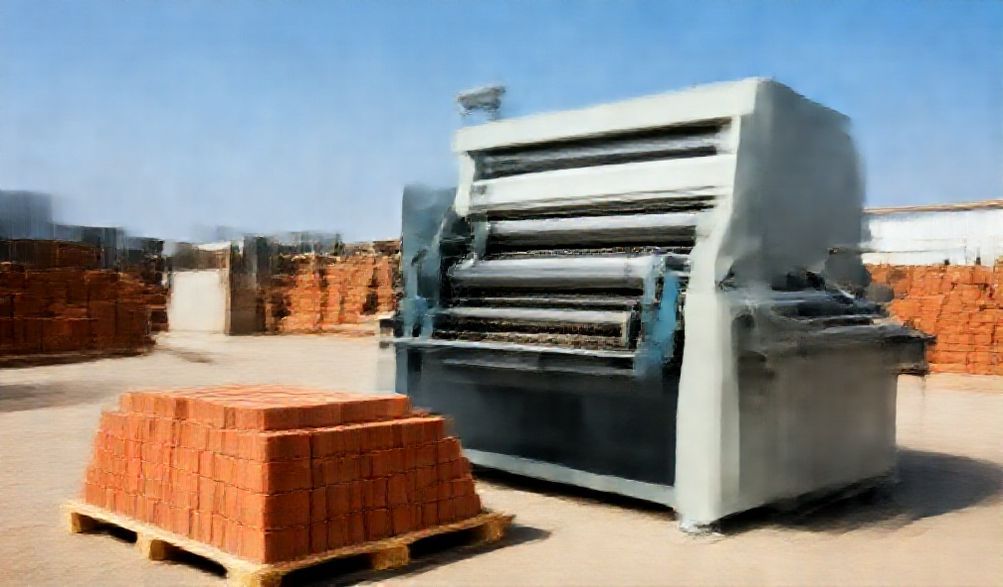
Цена машины для производства цементных кирпичей в Южной Африке (Покупательский гид на 2026 год)
Введение
Строительный сектор Южной Африки является краеугольным камнем её экономического развития, с ежегодным спросом на более чем 6 миллиардов кирпичей и блоков для поддержки инфраструктурных, жилищных и коммерческих проектов. Для подрядчиков, строителей и предпринимателей, стремящихся использовать этот спрос, поиск часто начинается с одного ключевого вопроса: «Какова цена машины для производства цементных кирпичей?»
Как опытные профессионалы с более чем 15-летним стажем поставок и обслуживания строительной техники по всей Южной Африке, мы понимаем, что цена — это лишь отправная точка. Настоящий вопрос, который вам следует задать, касаетсястоимость, окупаемость инвестиций (ROI) и долгосрочная целесообразностьДля вашей конкретной операции. Машина, которая кажется выгодной с самого начала, может превратиться в дорогостоящее обязательство, если она выйдет из строя под нагрузкой, не будет иметь местной сервисной поддержки или не сможет достичь ваших производственных целей.
Это руководство предназначено для того, чтобы выйти за рамки простых перечней цен. Мы предоставим всесторонний, основанный на данных анализ факторов, влияющих на стоимость, сравним различные типы станков с реалистичными ориентировочными ценами на 2026 год и выделим часто скрытые расходы на владение. Наша цель — вооружить вас знаниями для обоснованных инвестиций, гарантируя, что купленный вами станок станет источником прибыли, а не проблемой. Давайте заложим прочный фундамент для вашего решения.
Понимание факторов, влияющих на цены станков для производства цементных кирпичей в Южной Африке
Ценник на машину для производства кирпича складывается из её конструкции, возможностей и системы поддержки. Понимание этих переменных является ключом к сравнению предложений и распознаванию реальной ценности.
Основной тип машины и уровень автоматизации
Это является главным фактором, определяющим цену. Диапазон варьируется от полностью ручного труда до полностью автоматизированных производственных линий.
* Ручные станки:Полностью ручное управление, от смешивания до формования и извлечения. Самые низкие первоначальные затраты, но самые высокие текущие затраты на рабочую силу.
* Полуавтоматические станки:Механизируйте процессы критического уплотнения и вибрации, часто с использованием гидравлической системы. Оператор подает материал и извлекает готовые кирпичи. Это обеспечивает наилучший баланс производительности и доступности для многих предприятий.
* Полностью автоматические машины:Компьютеризированные (PLC) системы, которые управляют подачей материалов, смешиванием, уплотнением, отверждением и штабелированием с минимальным вмешательством человека. Они имеют высокую стоимость, но обеспечивают непревзойденную производительность и стабильность качества.
Производственная мощность (выработка в час/день)
Цена напрямую зависит от потенциальной производительности. Машина, рассчитанная на 1 000 кирпичей в час, будет значительно дешевле, чем машина с производительностью 5 000 кирпичей в час. Крайне важно соотносить мощность с реалистичными бизнес-прогнозами, учитывая возможность роста, но без избыточных первоначальных инвестиций.
Ключевые компоненты и качество сборки
Внутренности машины имеют значение:
* Гидравлическая система:Надежная гидравлическая система от известного бренда (например, Bosch Rexroth) увеличивает стоимость, но обеспечивает стабильное давление, меньше поломок и более долгий срок службы.
* Качество пресс-формы:Закалённые стальные формы с точными допусками стоят дороже, но производят кирпичи с точными размерами и высоким качеством, а также служат гораздо дольше, чем некачественные аналоги.
* Каркас и структура:Тяжелое стальное изготовление выдерживает постоянную вибрацию и рабочие нагрузки, предотвращая смещение и преждевременный выход из строя.
* Панели управления:Простые релейные системы дешевле; программируемые логические контроллеры (ПЛК) дороже, но обеспечивают лучшую диагностику, автоматизацию и управление процессами.
Происхождение бренда и местная поддержка
- Импортированные машины:Часто изначально предлагаются конкурентоспособные цены. Однако скрытые расходы включают более длительные сроки поставки запасных частей, возможные языковые барьеры и дорогостоящие международные сервисные вызовы.
- Машины местного производства/сборки:Может иметь несколько более высокую начальную стоимость, но они предлагают огромную долгосрочную ценность благодаря легкодоступным запчастям, быстрому реагированию техников и гарантиям, которые проще реализовать. По нашему опыту, эта локальная поддержка бесценна для минимизации дорогостоящих простоев.
Разбивка цен по типам машин (оценки на 2026 год)
Примечание: Все цены указаны в южноафриканских рандах (ZAR) на 2026 год и могут меняться в зависимости от рыночных колебаний, изменений спецификаций и условий поставщиков. Всегда запрашивайте официальное, детализированное коммерческое предложение.
Ручные и ручные машины для производства кирпича
- Диапазон цен:8 000 – 45 000 рандов
- Идеально подходит для:Индивидуальные застройщики, стартапы на очень малых масштабах, общественные проекты и нишевые продуктовые линейки с низким объемом производства.
- Плюсы и минусы:
- Плюсы:Крайне низкие капитальные затраты, не требует электричества, прост в использовании и обслуживании, обладает высокой портативностью.
- Минусы:Очень трудоемкий, низкая производительность (200-500 кирпичей в день), нестабильное качество кирпича, зависящее от навыков оператора, не подходит для коммерческой рентабельности в больших масштабах.
Полуавтоматические машины для производства кирпича
- Диапазон цен:60 000 – 350 000 рандов
- Идеально подходит для:Растущие склады блоков, подрядчики среднего масштаба и предприниматели, серьезно настроенные на создание прибыльного бизнеса по производству кирпича. Это самая популярная категория для малых и средних предприятий.
- Особенности, оправдывающие стоимость: These machines typically feature a diesel or electric motor, a vibration system for better compaction, and often a hydraulic mechanism for brick ejection. They significantly reduce physical labour while boosting output to between 1,000 and 3,000 bricks per 8-hour shift, depending on model and crew size.
Полностью автоматические машины для производства кирпича
- Диапазон цен:R 400,000 – R 2,500,000+
- Идеально подходит для:Крупные коммерческие блочные площадки, промышленные предприятия, снабжающие крупные строительные фирмы, и бизнес, ориентированный на максимальную производительность при минимальных трудозатратах.
- Объяснение премии: You are investing in an integrated production system. These lines include automatic material feeders, mixers, conveyors, and sometimes robotic pallet stackers. Controlled by advanced PLCs, they can produce 5,000 to 20,000+ bricks per shift with a crew of just 2-3 people. The high price reflects engineering complexity, superior components, and immense productivity.
Beyond the Sticker Price: Calculating Your Total Investment
The machine’s purchase price is only part of the story. A trustworthy budget accounts for the full cost of ownership.
Import Duties, VAT, and Logistics Costs
If you import a machine directly, you must add:
* Customs Duty: Varies but can be 5-15% of the machine’s value.
* VAT: 15% on the total value (cost + insurance + freight + duty).
* Logistics: Shipping, insurance, port clearance fees, and inland transportation to your site. This can add 20-30% or more to the ex-factory price.
Installation, Commissioning, and Operator Training
- Installation: Requires a level, stable concrete foundation. Factor in civil work costs.
- Commissioning: A technician sets up, tests, and fine-tunes the machine. Some suppliers include this; others charge a daily rate plus travel.
- Обучение: Proper training for your operators is non-negotiable for safety, efficiency, and machine longevity. Ensure it’s included in your purchase agreement.
Running Costs: Power, Maintenance, and Spare Parts
- Потребление электроэнергии: Electric motors and hydraulic systems consume electricity. Calculate this into your cost-per-brick model.
- Preventative Maintenance: Regular oil changes, filter replacements, and greasing are essential. Budget for an annual maintenance cost.
- Запчасти: Wear items like mould liners, hydraulic seals, and vibration springs will need replacement. Reputable suppliers can provide a spare parts list with prices upfront.
The Cost of Raw Materials: Cement, Sand, Stone
Your machine’s design influences your material costs. Some machines produce high-quality bricks with less cement content through superior compaction. The ratio and quality of your raw materials (river sand vs. crusher dust, etc.) will be your largest ongoing variable cost.
Where to Buy: Evaluating Suppliers in South Africa
Choosing the right supplier is as important as choosing the right machine.
Recognized Local Manufacturers and Distributors
Look for established companies with a physical presence, such as a factory, warehouse, or showroom. These players have built their reputation on quality and service. They often offer:
* Comprehensive warranties.
* Ready stock of common spare parts.
* Field service teams.
* Demonstrations and client references.
The Pros and Cons of Online Marketplaces
Platforms like Gumtree or Facebook Marketplace can list attractive deals, primarily for used equipment.
* Potential Pro: Lower upfront cost.
* Significant Cons: No warranty, unknown service history, risk of buying stolen or damaged equipment, and zero after-sales support. We strongly advise a thorough, in-person inspection by a qualified mechanic before any purchase.
Red Flags and Green Flags in a Supplier
| Green Flags | Red Flags |
| :— | :— |
| Clear, detailed warranties & service contracts. | Vague pricing or refusal to provide a written quote. |
| Willingly provides contactable client references. | No physical address or only a P.O. Box. |
| Has a showroom where you can see machines. | Pressure to pay a deposit before answering all your questions. |
| Readily discusses both machine strengths and limitations. | Promises outputs that seem unrealistically high for the price. |
| Offers financing options or guidance. | Cannot explain basic technical aspects or after-sales process. |
Key Questions to Ask Before You Buy
Arm yourself with these questions to separate the best suppliers from the rest.
About the Machine:
- “What is the tested and guaranteed output (bricks per hour) using a standard South African cement-and-sand mix?”
- “Can you provide a list of critical spare parts with their prices and expected lifespan?”
- “What are the specifications for the foundation required, and what is the power supply needed (voltage, phase, amperage)?”
- “Is the control system and manual available in English or Afrikaans?”
About the Supplier:
- “What exactly does your warranty cover, for how long, and what is the process for making a claim?”
- “Do you have a dedicated service technician or agent in my province? What is your typical response time?”
- “Can I visit a current client’s operation to see this model working in real conditions?”
- “Do you offer operator training, and is it included in the price?”
Frequently Asked Questions (FAQ)
What is the cheapest cement brick making machine available in South Africa?
The cheapest options are manual, hand-operated machines, often found from around R 8,000. However, “cheapest” must be contextualised. The trade-off is very high labour input and very low output, making them impractical for any business aiming for commercial profitability. They are tools for specific, small-scale tasks.
Can I get a government grant or financing for a brick making machine?
Possibly. Various SME support programs exist through entities like the Department of Trade, Industry and Competition (DTI), the Small Enterprise Development Agency (SEDA), and provincial economic development agencies. Many reputable local suppliers also offer in-house financing or have relationships with financial institutions to facilitate lease-to-own or loan agreements. Your first step should be to inquire directly with suppliers and then approach local business support offices.
How much profit can I make from a brick making business?
We avoid giving specific figures as profit depends entirely on your operational efficiency, local material costs, selling price in your market, and business management skills. A simple framework is: (Selling Price per Brick) – (Cost of Materials + Labour + Power + Maintenance + Overhead) = Gross Profit. A semi-automatic machine in a well-managed operation can produce a healthy margin, but success requires market research, cost control, and consistent sales.
Is it better to buy a new or used brick making machine?
This depends on risk tolerance and capital.
* New Machine: Higher initial cost but comes with a warranty, latest technology, known condition, and full supplier support. It’s the lower-risk option for ensuring business continuity.
* Used Machine: Lower initial cost but carries high risk. Wear and tear may be hidden, and breakdowns are likely without warranty. If considering used, insist on a professional inspection, verify the machine’s history, and ensure critical spare parts are still available for that model.
Заключение
Navigating the cement brick making machine market in South Africa requires looking past the initial price tag. The “right” price is one that balances your upfront investment with long-term reliability, accessible support, and production efficiency that meets your business goals.
Our final expert advice is this: Begin with a clear business plan. Define your target output, budget, and growth trajectory before you even start collecting quotes. This clarity will guide you to the appropriate machine type. Remember, the most reputable supplier—one who offers robust support and stands behind their product—is almost always a wiser choice than opting for the absolute cheapest machine from an unknown source.
Call to Action: Use this guide as your benchmark. Consult with at least three reputable suppliers, ask them the key questions outlined here, and request comprehensive, written quotations that detail both the machine specifications and all associated costs. This diligent comparison is your best path to a sound investment that will build the foundation of your business for years to come.
Ready to discuss your specific project needs? Contact our team of specialists today for a personalised consultation and a detailed, no-obligation quote tailored to your production goals.
<