
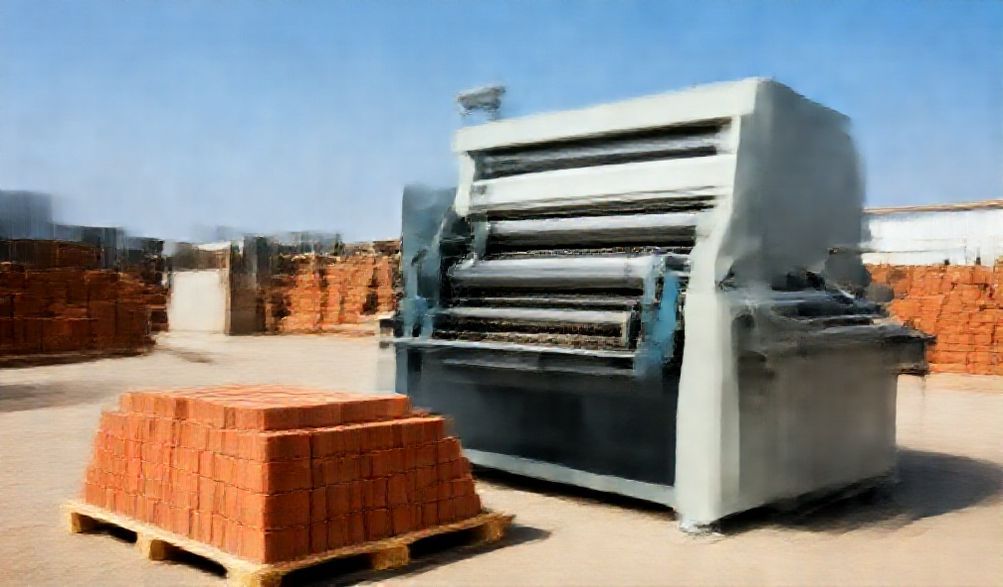
Igiciro cya Machine yo Gukora Amatafari ya Sima muri Afurika y'Epfo (Ubuyobozi bwa 2026 bwo Gucuruza)
Intangamarara
Umutungo w’ubwubatsi muri Afurika y’Epfo ni ingingo shingiro yo guteza imbere ubukungu, ukeneye hafi miliyari 6 z’amatafari n’amabuye buri mwaka kugirango wunge imishinga y’ibikorwa remezo, amazu n’ibigo by’ubucuruzi. Ku bakoze amasezerano, abubatsi, n’abacuruzi bashaka gukoresha ubu bukenewe, ibibazo byabo bihaguruka bihera ku kibazo gikomeye: "Ni ikihe giciro cya mashini ikora amatafari ya sima?"
Nk’abanyabwenge bafite ubuhanga burambuye bukagera kuri metero 15 mu gutanga no gukora serivisi za mashini z’ubwubatsi mu karere ka Afurika y’Epfo, turabizi ko igiciro ni gisubizo gisanzwe. Ikibazo nyakuri mugomba kubaza kirebana n’agaciro, isubizo ry'inzira y'amafaranga (ROI), no gukoreshwa mu gihe kirekireKuri ibikorwa byawe bisanzwe. Imashini isa nk'isoko ryiza mu mafaranga yoherejweho ishobora kuba umutwaro utagira umumaro kandi ukabije niba ihunitse igihe ikora, idafite serivisi zihari mu karere, cyangwa itashobora kuzuza intego zawe zo gukora.
Uyu mwongozo wateguwe kugirango urengere urutonde rw’ibiciro. Tuzahatanira ibisobanuro byuzuye, bigendeye ku makuru, by’ibintu bishimira ibiciro, guhuza ubwoko butandukanye bw’imashini hamwe n’ibiciro byibizamini byo mu 2026, no kugaragaza amafaranga yihishe yo kugira icyuma. Intego yacu ni ugukugira ubumenyi bwo gukora investissement yuzuye, kugirango ishami ugura ikaba isoko y’amafaranga, ntabwo ikaba ikibazo. Reka dushyireho ishingiro ryiza ry’icyanzu cyawe.
Gusobanukirwa Ibitera Igiciro cy’Imashini z’Ibikomere mu Afurika y’Epfo
Igihembo cya mashini yo gukora amatafari ni umusaruro w'igishushanyo, ubushobozi, n'uburyo bwo kuyishyigikira. Gusobanukirwa ibi bintu ni ngombwa mu kugereranya amafaranga atangwa no gusobanukirwa agaciro k'umukino.
Ubwoko bw'Umashini wa Ntandukanyi & Urwego rw'Ubwikorezi
Iyi ni ingaruka ikomeye cyane isobanura igiciro. Urwego rw’ibikorwa rugera ku bikorwa by’abantu gusa kugeza kumurongo w’ikoranabuhanga wuzuye.
* Imashini z'ibikorwa by'amaboko:Ikorerwa mu maboko yose, kuva mu guhuza kugeza mu gukora imiterere no kuyikura. Igiciro cyo mbere cyo hejuru ariko igiciro cy'umwenda gikomeye cyane.
* Imitungo Imigendeshwa n'ikiremwamuntu: Mechanise the critical compaction and vibration processes, often with a hydraulic system. An operator feeds material and removes finished bricks. This offers the best balance of productivity and affordability for many businesses.
* Imashini Zikora Byikoresho Zishobora Kwikorera Ubwabyo. Computer-controlled (PLC) systems that handle material feeding, mixing, compaction, curing, and stacking with minimal human intervention. They command a premium price but offer unmatched output and consistency.
Ubushobozi bwo Gukora (Umusaruro ku Isaha/Ijoro)
Price scales directly with potential output. A machine rated for 1,000 bricks per hour will be significantly less expensive than one rated for 5,000. It’s crucial to match capacity to your realistic business projections, allowing for growth without over-investing initially.
Ibice By'ingenzi & Ubwiza Bwo Kubaka
What’s inside the machine matters:
* Sisitemu ya Hydraulique: A robust, reliable hydraulic system from a known brand (e.g., Bosch Rexroth) increases cost but ensures consistent pressure, fewer breakdowns, and longer life.
* Mould Quality: Hardened steel moulds with precise tolerances cost more but produce dimensionally accurate, high-quality bricks and last much longer than inferior alternatives.
* Umutwe & Imiterere: Heavy-duty steel fabrication resists the constant vibration and stress of operation, preventing misalignment and premature failure.
* Paneli z'Ubucuruzi: Simple relay systems are cheaper; programmable logic controllers (PLCs) are more expensive but offer better diagnostics, automation, and process control.
Brand Origin & Local Support
- Imported Machines: Often competitively priced initially. However, hidden costs include longer lead times for spare parts, potential communication barriers, and expensive international service calls.
- Locally Manufactured/Assembled Machines: May have a slightly higher sticker price, but they offer immense long-term value through readily available parts, quick technician response times, and warranties that are easier to enforce. In our experience, this local support is invaluable for minimising costly downtime.
Price Breakdown by Machine Type (2026 Estimates)
Note: All prices are estimated in South African Rand (ZAR) for 2026 and are subject to market fluctuations, specification changes, and supplier terms. Always request a formal, detailed quotation.
Manual & Hand-Operated Brick Making Machines
- Igiciro: R 8,000 – R 45,000
- Byiza Kuri: Individual builders, very small-scale start-ups, community projects, and niche product lines where volume is low.
- Ibyiza n'ibibi:
- Inziza: Extremely low capital outlay, no electricity required, simple to use and maintain, highly portable.
- Ibibi: Very labour-intensive, low output (200-500 bricks per day), inconsistent brick quality dependent on operator skill, not suitable for commercial-scale profitability.
Imashini zituma amatafari zikora mu buryo bwa kabiri
- Igiciro: R 60,000 – R 350,000
- Byiza Kuri: Growing block yards, medium-scale contractors, and entrepreneurs serious about building a profitable brick-making business. This is the most popular category for SMEs.
- Features Justifying Cost: These machines typically feature a diesel or electric motor, a vibration system for better compaction, and often a hydraulic mechanism for brick ejection. They significantly reduce physical labour while boosting output to between 1,000 and 3,000 bricks per 8-hour shift, depending on model and crew size.
Imashini z'ikora amatafari zikora mu buryo bwikora
- Igiciro: R 400,000 – R 2,500,000+
- Byiza Kuri: Large-scale commercial block yards, industrial operations supplying major construction firms, and businesses focused on maximum output with minimal labour.
- Explanation of the Premium: You are investing in an integrated production system. These lines include automatic material feeders, mixers, conveyors, and sometimes robotic pallet stackers. Controlled by advanced PLCs, they can produce 5,000 to 20,000+ bricks per shift with a crew of just 2-3 people. The high price reflects engineering complexity, superior components, and immense productivity.
Beyond the Sticker Price: Calculating Your Total Investment
The machine’s purchase price is only part of the story. A trustworthy budget accounts for the full cost of ownership.
Import Duties, VAT, and Logistics Costs
If you import a machine directly, you must add:
* Customs Duty: Varies but can be 5-15% of the machine’s value.
* VAT: 15% on the total value (cost + insurance + freight + duty).
* Logistics: Shipping, insurance, port clearance fees, and inland transportation to your site. This can add 20-30% or more to the ex-factory price.
Installation, Commissioning, and Operator Training
- Installation: Requires a level, stable concrete foundation. Factor in civil work costs.
- Commissioning: A technician sets up, tests, and fine-tunes the machine. Some suppliers include this; others charge a daily rate plus travel.
- Training: Proper training for your operators is non-negotiable for safety, efficiency, and machine longevity. Ensure it’s included in your purchase agreement.
Running Costs: Power, Maintenance, and Spare Parts
- Gukoresha Amashanyarazi: Electric motors and hydraulic systems consume electricity. Calculate this into your cost-per-brick model.
- Preventative Maintenance: Regular oil changes, filter replacements, and greasing are essential. Budget for an annual maintenance cost.
- Ibigabanyabugenamashini: Wear items like mould liners, hydraulic seals, and vibration springs will need replacement. Reputable suppliers can provide a spare parts list with prices upfront.
The Cost of Raw Materials: Cement, Sand, Stone
Your machine’s design influences your material costs. Some machines produce high-quality bricks with less cement content through superior compaction. The ratio and quality of your raw materials (river sand vs. crusher dust, etc.) will be your largest ongoing variable cost.
Where to Buy: Evaluating Suppliers in South Africa
Choosing the right supplier is as important as choosing the right machine.
Recognized Local Manufacturers and Distributors
Look for established companies with a physical presence, such as a factory, warehouse, or showroom. These players have built their reputation on quality and service. They often offer:
* Comprehensive warranties.
* Ready stock of common spare parts.
* Field service teams.
* Demonstrations and client references.
The Pros and Cons of Online Marketplaces
Platforms like Gumtree or Facebook Marketplace can list attractive deals, primarily for used equipment.
* Potential Pro: Lower upfront cost.
* Significant Cons: No warranty, unknown service history, risk of buying stolen or damaged equipment, and zero after-sales support. We strongly advise a thorough, in-person inspection by a qualified mechanic before any purchase.
Red Flags and Green Flags in a Supplier
| Green Flags | Red Flags |
| :— | :— |
| Clear, detailed warranties & service contracts. | Vague pricing or refusal to provide a written quote. |
| Willingly provides contactable client references. | No physical address or only a P.O. Box. |
| Has a showroom where you can see machines. | Pressure to pay a deposit before answering all your questions. |
| Readily discusses both machine strengths and limitations. | Promises outputs that seem unrealistically high for the price. |
| Offers financing options or guidance. | Cannot explain basic technical aspects or after-sales process. |
Key Questions to Ask Before You Buy
Arm yourself with these questions to separate the best suppliers from the rest.
About the Machine:
- “What is the tested and guaranteed output (bricks per hour) using a standard South African cement-and-sand mix?”
- “Can you provide a list of critical spare parts with their prices and expected lifespan?”
- “What are the specifications for the foundation required, and what is the power supply needed (voltage, phase, amperage)?”
- “Is the control system and manual available in English or Afrikaans?”
About the Supplier:
- “What exactly does your warranty cover, for how long, and what is the process for making a claim?”
- “Do you have a dedicated service technician or agent in my province? What is your typical response time?”
- “Can I visit a current client’s operation to see this model working in real conditions?”
- “Do you offer operator training, and is it included in the price?”
Frequently Asked Questions (FAQ)
What is the cheapest cement brick making machine available in South Africa?
The cheapest options are manual, hand-operated machines, often found from around R 8,000. However, “cheapest” must be contextualised. The trade-off is very high labour input and very low output, making them impractical for any business aiming for commercial profitability. They are tools for specific, small-scale tasks.
Can I get a government grant or financing for a brick making machine?
Possibly. Various SME support programs exist through entities like the Department of Trade, Industry and Competition (DTI), the Small Enterprise Development Agency (SEDA), and provincial economic development agencies. Many reputable local suppliers also offer in-house financing or have relationships with financial institutions to facilitate lease-to-own or loan agreements. Your first step should be to inquire directly with suppliers and then approach local business support offices.
How much profit can I make from a brick making business?
We avoid giving specific figures as profit depends entirely on your operational efficiency, local material costs, selling price in your market, and business management skills. A simple framework is: (Selling Price per Brick) – (Cost of Materials + Labour + Power + Maintenance + Overhead) = Gross Profit. A semi-automatic machine in a well-managed operation can produce a healthy margin, but success requires market research, cost control, and consistent sales.
Is it better to buy a new or used brick making machine?
This depends on risk tolerance and capital.
* New Machine: Higher initial cost but comes with a warranty, latest technology, known condition, and full supplier support. It’s the lower-risk option for ensuring business continuity.
* Used Machine: Lower initial cost but carries high risk. Wear and tear may be hidden, and breakdowns are likely without warranty. If considering used, insist on a professional inspection, verify the machine’s history, and ensure critical spare parts are still available for that model.
Conclusion
Navigating the cement brick making machine market in South Africa requires looking past the initial price tag. The “right” price is one that balances your upfront investment with long-term reliability, accessible support, and production efficiency that meets your business goals.
Our final expert advice is this: Begin with a clear business plan. Define your target output, budget, and growth trajectory before you even start collecting quotes. This clarity will guide you to the appropriate machine type. Remember, the most reputable supplier—one who offers robust support and stands behind their product—is almost always a wiser choice than opting for the absolute cheapest machine from an unknown source.
Call to Action: Use this guide as your benchmark. Consult with at least three reputable suppliers, ask them the key questions outlined here, and request comprehensive, written quotations that detail both the machine specifications and all associated costs. This diligent comparison is your best path to a sound investment that will build the foundation of your business for years to come.
Ready to discuss your specific project needs? Contact our team of specialists today for a personalised consultation and a detailed, no-obligation quote tailored to your production goals.
<