
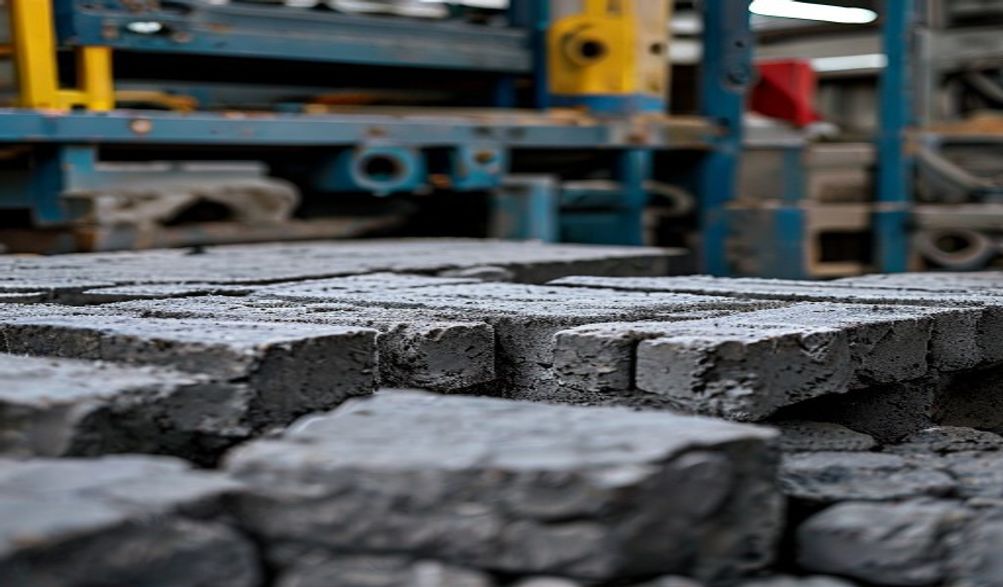
كيفية اختيار آلة تصنيع البلوك والطوب: دليل ذكي للسعر والقيمة
اختيار آلة تصنيع الطوب الإسمنتي غالبًا ما يبدو كموازنة بين ميزانيتك ومستقبل عملك. فالسعر الأرخص قد يؤدي إلى توقف مكلف في الإنتاج، بينما قد تكون الآلة الأغلى مبالغًا فيها مقارنة باحتياجاتك. هذا التوتر بين التكلفة الأولية والقيمة طويلة الأمد هو التحدي الأساسي.
بناءً على سنوات من التحليل الصناعي وملاحظات المستخدمين، يتجاوز هذا الدليل مجرد سرد الأسعار. سنوضح لك كيفية تقييمالقيمة الحقيقيةلآلة لاتخاذ استثمار واثق. بحلول النهاية، ستفهم العوامل الرئيسية المؤثرة على السعر، وكيفية مطابقة الآلة لاحتياجات مشروعك المحددة، والأسئلة الحاسمة التي يجب طرحها على الموردين.
هذا الدليل الشامل حولكيفية اختيار سعر آلة تصنيع الطوب الأسمنتيالتركيز على عائد الاستثمار على المدى الطويل، وليس فقط الصدمة الأولية للسعر.
فهم العوامل المؤثرة في تسعير ماكينات البلوك
لإجراء عملية شراء ذكية، عليك أولاً أن تفهم ما الذي تدفع ثمنه. نطاق الأسعار واسع جدًا—من بضعة آلاف إلى عدة مئات الآلاف من الدولارات. هذا التباين ليس عشوائيًا؛ بل يرتبط ارتباطًا مباشرًا بقدرات الآلة ومتانتها وتطورها.
نوع الجهاز الأساسي ومستوى الأتمتة
درجة الأتمتة هي المحدد الأكبر للسعر الواحد. فهي تتحكم في تكاليف العمالة، وسرعة الإنتاج، وتعقيد العمليات.
- الآلات اليدوية:هذه هي أرخص نقطة دخول. يقوم المشغلون بتغذية المواد يدويًا، وضغطها، وإزالة القالب النهائي. يكون إنتاجها منخفضًا (مثل 300-500 قالب يوميًا) وتتميز بكثافة عمالة عالية. مثالية للمشاريع الصغيرة جدًا القائمة على المجتمع أو الشركات الناشئة ذات رأس المال المحدود.
- الآلات شبه الآلية:هذه هي النقطة المثالية للعديد من الشركات الصغيرة والمتوسطة. تتم عملية الضغط الأساسية (غالبًا عبر نظام هيدروليكي) بشكل آلي، ولكن يتم نقل البلوكات إلى منطقة المعالجة يدويًا أو باستخدام نظام منصات بسيط. توفر هذه الآلات توازنًا رائعًا، حيث تقدم إنتاجًا أعلى من الآلات اليدوية (1,000-4,000 بلوكة يوميًا) بسعر معقول.
- آلات أوتوماتيكية بالكامل:تمثل هذه الآلات الطرف المتميز من الطيف. تتميز بتغذية المواد تلقائيًا، والضغط، وإخراج البلوكات، والتجميع على البالات، والتكديس. يتم التحكم بها بواسطة أنظمة PLC، وتتطلب تدخلًا بشريًا ضئيلًا، مما يضمن إنتاجًا ثابتًا وكبير الحجم (أكثر من 10,000 بلوكة يوميًا). يعكس السعر المرتفع الهندسة المعقدة، والمكونات الفائقة، والإنتاجية العالية.
علاوة على ذلك، ضع في الاعتبار التنقل:
- النباتات الثابتة:آلات ذات سعة أعلى هي منشآت ثابتة، تتطلب مساحة مصنع مخصصة ذات أساس خرساني. وهي مخصصة للإنتاج المركزي على نطاق واسع.
- آلات صناعة الكتل المتنقلة:هذه وحدات ذاتية الاحتواء، غالبًا ما تُركب على مقطورة. تكلفتها أعلى من الوحدة الثابتة الأساسية ذات الإنتاج المماثل، لكنها تتيح الإنتاج في الموقع، مما يلغي تكاليف نقل الكتل النهائية. مثالية لمشاريع البناء الكبيرة في المواقع النائية.
مواصفات الطاقة الإنتاجية والمخرجات
Within each automation category, price scales with performance.
- كتل في الساعة (BPH): A machine rated for 1,500 BPH will cost significantly less than one rated for 3,000 BPH, even if they look similar. Higher speed requires a more powerful motor, a more robust hydraulic system, and precision engineering.
- نموذج الآلة والحجم: The physical size and model designation (e.g., QMJ4-45 vs. QTY10-15) indicate the mold size and pressing force. A machine that can produce large, dense interlocking concrete blocks (ICFs) needs a stronger frame and higher pressure, increasing its cost compared to a machine for standard hollow blocks.
المكونات الرئيسية وجودة التصنيع
This is where hidden value—or future cost—resides. Two machines with identical output specs can have wildly different prices based on component quality.
- الإطار والهيكل: A machine built with heavy-duty, reinforced steel plate will resist vibration and wear for decades. A lighter frame might warp under constant stress, leading to misalignment and poor-quality blocks.
- النظام الهيدروليكي والتحكم الكهربائي: The heart of the machine. Brands like Bosch Rexroth, Siemens, or Schneider Electric for controls command a premium for a reason: reliability, efficiency, and global serviceability. Cheap, no-name hydraulics are prone to leaks and failures, causing expensive downtime.
- جودة القالب والمواد: The mold is a consumable part, but its lifespan varies drastically. High-chromium, heat-treated steel molds are expensive but can produce over 1 million blocks. Standard steel molds wear out quickly, requiring frequent, costly replacement and compromising block dimensional accuracy.
A Step-by-Step Framework for Your Buying Decision
Now, let’s translate that knowledge into a practical buying process. This framework ensures you match a machine to your actual needs, not just a sales brochure.
Step 1: Assess Your Project Requirements Honestly
Begin with an internal audit. Wishful thinking about future expansion can lead to overspending. Be brutally realistic about your current situation.
- Define Your Output:احسبrequired daily output based on project deadlines or sales contracts. Add a 15-20% buffer for growth, but don’t buy a giant machine for “maybe someday” projects.
- Identify Brick Types: What brick types are in demand? Standard hollow blocks, solid bricks, pavers, grass blocks, or interlocking blocks? Each may require a specific mold.
- Analyze Raw Material: What is your local raw material mix? The machine must be suited for your specific blend of خرسانة, رماد متطاير, cement, or clay.
- Set a Budget Range: Determine a strict maximum but also a realistic target. Remember, your budget must account for more than just the machine price (see Step 3).
Step 2: Decipher Supplier Quotes & Specifications
A quote is more than a number. It’s a contract outline. Learn to read between the lines.
- Scrutinize the Spec Sheet: Look past the headline BPH number. Check:
- Motor Power (kW/Hp)
- Operating Pressure (Tonnes)
- Machine Weight (a good proxy for sturdiness)
- Voltage Requirements
- Warranty Period & What It Covers
- Identify Hidden Costs: Directly ask the supplier to itemize:
- Shipping, Insurance, and Customs Clearance (DDP vs. FOB pricing)
- On-site Installation and Commissioning Fees
- Operator Training Costs
- Price list for common spare parts (hydraulic seals, sensors, etc.)
Step 3: Evaluate Total Cost of Ownership (TCO), Not Just Price
This is the master key to understanding كيفية اختيار سعر آلة تصنيع الطوب الأسمنتي wisely. The purchase price is just the entry fee.
TCO = Purchase Price + Operating Costs + Maintenance + Downtime Cost
- Operating Costs: Include electricity consumption and labor. A more efficient, automated machine may have a higher price but lower operating costs per block.
- الصيانة: Regular servicing is cheap; breakdowns are expensive. A machine with accessible components and a reliable parts supply chain will have lower long-term maintenance costs.
- تكلفة التوقف This is the killer. If your $20,000 machine breaks down for a week waiting for a spare part from overseas, what is the cost of delayed projects or lost sales? A 20-30% higher investment in a machine with local technical support and guaranteed part availability often pays for itself by eliminating a single major downtime event.
Navigating the Market: Suppliers, Brands & Trust
Your relationship with the supplier is as important as the machine itself. You are choosing a long-term partner.
Where to Find Reliable Machine Suppliers
- Direct Manufacturers: Buying factory-direct can offer better prices and technical knowledge. However, ensure they have export experience and can support you post-sale.
- الموزعون المحليون: They add a markup but provide invaluable local service, spare parts inventory, and quick response times. This is often worth the extra cost.
- B2B Platforms (Alibaba, Made-in-China): Useful for discovering suppliers and comparing specs. Exercise extreme due diligence. Use them for research, not as a trust signal.
Verifying Supplier Credibility & Expertise
Your checklist for vetting a supplier must be rigorous:
- Business Licenses & Certifications: Request copies. Look for ISO certifications.
- تقارير مراجعة المصنع: Ask for a recent third-party audit report (e.g., from SGS or BV). This verifies their production capability and quality control.
- Client References & Case Studies: Don’t just accept a list. Ask for 2-3 contacts for clients in a similar region or business scale. Call them. Ask about machine performance, reliability, and the supplier’s responsiveness to issues.
- هيكل خدمة ما بعد البيع Specifically ask: “Do you have an English-speaking technical team available via WhatsApp/email? What is your typical response time? Where are your nearest spare parts warehouses?”
The Critical Role of Customer Reviews & Case Studies
Seek out independent proof.
- Look for long-term project case studies with photos/videos over time, not just startup shots.
- Search for the supplier’s name on YouTube with keywords like “installation,” “operation,” or “review.”
- Be wary of reviews only on the supplier’s own website. Look for patterns in feedback on independent forums or B2B sites.
الأسئلة الشائعة (FAQ)
Q1: What is the average price range for a good quality block making machine?
أ: There is no single “average.” A small manual machine can start around $3,000-$7,000. A robust semi-automatic machine suitable for a growing business typically ranges from $15,000 to $50,000. Large, fully automatic production lines can range from $70,000 to over $300,000. The key is defining “good quality” by your specific output and durability needs.
Q2: Should I buy a cheap machine from an online marketplace?
أ: It carries significant risk. For critical business equipment, prioritize suppliers who offer clear communication, documented specifications, and verifiable service guarantees. A cheap machine with no local support can become a very expensive paperweight when it breaks down.
Q3: How much should I budget for installation, maintenance, and spare parts?
أ: As a rule of thumb, allocate 10-15% of the machine’s purchase price for initial costs: installation, foundation, basic training, and an essential spare parts kit (seals, filters, etc.). For annual maintenance, budget 2-5% of the initial machine cost.
Q4: Can the same machine produce different types of bricks and blocks?
أ: Yes, most machines can, but only by changing the mold. When requesting a quote, explicitly ask about the cost and delivery time for additional molds (e.g., for pavers, hollow blocks, curb stones). Ensure the machine’s pressure and table size are compatible with your desired block portfolio.
Q5: What is the most important factor besides price?
أ: Unquestionably, after-sales service and parts availability. A block machine is a workhorse that will require maintenance. A reliable supplier with a proven track record of timely support is the ultimate insurance policy for your productivity and ROI.
خاتمة
Choosing a block making machine ultimately comes down to finding the optimal intersection where a fair price meets proven performance, durable construction, and unwavering supplier support. It’s an investment in your operational foundation.
Use the framework outlined here: honestly assess your needs, calculate the true Total Cost of Ownership, and vet suppliers with a detective’s eye. Request detailed quotes from several reputable manufacturers and compare them line by line using the criteria we’ve discussed.
By prioritizing long-term value and partner reliability over the lowest sticker price, you’re not just buying a piece of equipment. You’re investing in the smooth, profitable execution of your projects for years to come. Take your time, ask the detailed questions, and choose a partner, not just a product.
<