
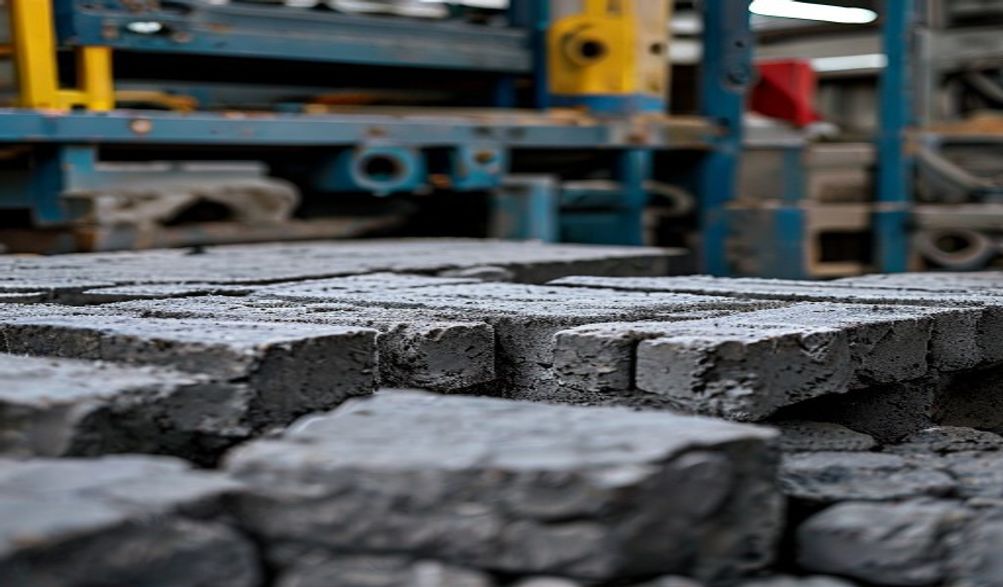
วิธีเลือกเครื่องทำบล็อกและอิฐ: คู่มือราคาและมูลค่าอัจฉริยะ
การเลือกเครื่องทำอิฐบล็อกมักรู้สึกเหมือนกำลังหักดุลระหว่างงบประมาณกับอนาคตของธุรกิจของคุณ ราคาถูกที่สุดอาจนำไปสู่การหยุดชะงักที่สิ้นเปลืองค่าใช้จ่าย ขณะที่เครื่องที่แพงที่สุดอาจมากเกินไปสำหรับความต้องการของคุณ ความตึงเครียดระหว่างต้นทุนเริ่มต้นกับมูลค่าระยะยาวนี้คือความท้าทายหลัก
จากข้อมูลการวิเคราะห์อุตสาหกรรมและข้อเสนอแนะจากผู้ใช้เป็นเวลาหลายปี คู่มือนี้ไม่ได้จำกัดเพียงแค่การแสดงรายการราคาเท่านั้น เราจะแสดงให้คุณเห็นถึงวิธีการประเมินมูลค่าที่แท้จริงเพื่อให้สามารถลงทุนในเครื่องจักรได้อย่างมั่นใจ ท้ายที่สุด คุณจะเข้าใจปัจจัยสำคัญที่มีผลต่อราคา วิธีเลือกเครื่องจักรให้ตรงกับความต้องการเฉพาะของโครงการของคุณ และคำถามสำคัญที่ควรถามผู้จัดจำหน่าย
คู่มือที่ครอบคลุมที่สุดเกี่ยวกับวิธีการเลือกราคาเครื่องทำอิฐบล็อกมุ่งเน้นไปที่ผลตอบแทนจากการลงทุนในระยะยาว (ROI) ไม่ใช่เพียงค่าราคาเริ่มแรกที่อาจทำให้ตกใจ
ทำความเข้าใจปัจจัยที่กำหนดราคาเครื่องผลิตบล็อก
การเลือกซื้ออย่างชาญฉลาดต้องเริ่มต้นจากการทำความเข้าใจสิ่งที่คุณกำลังจ่ายเงินไป ช่วงราคามีความหลากหลายมาก ตั้งแต่ไม่กี่พันไปจนถึงหลายแสนดอลลาร์ ความแตกต่างนี้ไม่ได้เกิดขึ้นอย่างไม่มีเหตุผล แต่เกี่ยวข้องโดยตรงกับความสามารถ ความทนทาน และความซับซ้อนของเครื่องจักร
ประเภทเครื่องจักรหลักและระดับการอัตโนมัติ
ระดับของระบบอัตโนมัติเป็นปัจจัยกำหนดราคาที่สำคัญที่สุดเพียงอย่างเดียว มันกำหนดต้นทุนแรงงาน ความเร็วในการผลิต และความซับซ้อนในการดำเนินงาน
- เครื่องจักรที่ใช้แรงคนนี่คือจุดเริ่มต้นที่ประหยัดที่สุด ผู้ปฏิบัติงานจะป้อนวัตถุดิบด้วยมือ อัดให้แน่น และนำบล็อกที่เสร็จแล้วออก มีกำลังการผลิตต่ำ (เช่น 300-500 บล็อกต่อวัน) และใช้แรงงานสูง เหมาะสำหรับโครงการระดับชุมชนขนาดเล็กมากหรือธุรกิจเริ่มต้นที่มีเงินทุนจำกัด
- เครื่องจักรกึ่งอัตโนมัติ:นี่คือจุดที่เหมาะสมสำหรับธุรกิจขนาดเล็กถึงขนาดกลางหลายแห่ง กระบวนการอัดบล็อก (มักผ่านระบบไฮดรอลิก) เป็นแบบอัตโนมัติ แต่บล็อกจะถูกเคลื่อนย้ายไปยังพื้นที่บ่มด้วยตนเองหรือใช้ระบบพาเลทแบบง่าย เครื่องจักรเหล่านี้ให้ความสมดุลที่ดี โดยให้กำลังการผลิตสูงกว่าเครื่องจักรแบบแมนนวล (1,000-4,000 บล็อกต่อวัน) ในราคาที่สมเหตุสมผล
- เครื่องจักรอัตโนมัติสมบูรณ์แบบ:สิ่งเหล่านี้เป็นตัวแทนของกลุ่มผลิตภัณฑ์ระดับพรีเมียม โดยมีระบบป้อนวัสดุอัตโนมัติ การอัด การดีดบล็อก การจัดเรียงบนพาเลท และการซ้อนกอง ควบคุมด้วยระบบ PLC ทำให้ต้องการการแทรกแซงจากมนุษย์น้อยที่สุด รับประกันการผลิตที่มีปริมาณสูงและสม่ำเสมอ (มากกว่า 10,000 บล็อกต่อวัน) ราคาที่สูงสะท้อนถึงวิศวกรรมที่ซับซ้อน ชิ้นส่วนที่เหนือกว่า และผลผลิตที่สูง
นอกจากนี้ ให้พิจารณาความคล่องตัว:
- พืชที่อยู่กับที่เครื่องจักรที่มีกำลังการผลิตสูงกว่าเป็นระบบติดตั้งถาวร ซึ่งต้องใช้พื้นที่โรงงานเฉพาะที่มีฐานรากคอนกรีต เครื่องจักรเหล่านี้ใช้สำหรับการผลิตแบบรวมศูนย์ในระดับขนาดใหญ่
- เครื่องทำบล็อกแบบเคลื่อนที่:สิ่งเหล่านี้เป็นหน่วยที่สามารถทำงานได้ด้วยตัวเอง มักติดตั้งบนรถพ่วง มีราคาสูงกว่าหน่วยพื้นฐานแบบอยู่กับที่ซึ่งมีกำลังการผลิตใกล้เคียงกัน แต่สามารถผลิตได้ในหน้างาน ช่วยลดค่าขนส่งสำหรับบล็อกสำเร็จรูป เหมาะสำหรับโครงการก่อสร้างขนาดใหญ่ในพื้นที่ห่างไกล
กำลังการผลิตและข้อกำหนดผลผลิต
Within each automation category, price scales with performance.
- บล็อกต่อชั่วโมง (BPH) A machine rated for 1,500 BPH will cost significantly less than one rated for 3,000 BPH, even if they look similar. Higher speed requires a more powerful motor, a more robust hydraulic system, and precision engineering.
- รุ่นและขนาดเครื่องจักร: The physical size and model designation (e.g., QMJ4-45 vs. QTY10-15) indicate the mold size and pressing force. A machine that can produce large, dense interlocking concrete blocks (ICFs) needs a stronger frame and higher pressure, increasing its cost compared to a machine for standard hollow blocks.
ส่วนประกอบหลักและคุณภาพการประกอบ
This is where hidden value—or future cost—resides. Two machines with identical output specs can have wildly different prices based on component quality.
- กรอบและโครงสร้าง A machine built with heavy-duty, reinforced steel plate will resist vibration and wear for decades. A lighter frame might warp under constant stress, leading to misalignment and poor-quality blocks.
- ระบบไฮดรอลิกและการควบคุมไฟฟ้า The heart of the machine. Brands like Bosch Rexroth, Siemens, or Schneider Electric for controls command a premium for a reason: reliability, efficiency, and global serviceability. Cheap, no-name hydraulics are prone to leaks and failures, causing expensive downtime.
- คุณภาพแม่พิมพ์และวัสดุ The mold is a consumable part, but its lifespan varies drastically. High-chromium, heat-treated steel molds are expensive but can produce over 1 million blocks. Standard steel molds wear out quickly, requiring frequent, costly replacement and compromising block dimensional accuracy.
A Step-by-Step Framework for Your Buying Decision
Now, let’s translate that knowledge into a practical buying process. This framework ensures you match a machine to your actual needs, not just a sales brochure.
Step 1: Assess Your Project Requirements Honestly
Begin with an internal audit. Wishful thinking about future expansion can lead to overspending. Be brutally realistic about your current situation.
- Define Your Output:คำนวณของคุณrequired daily output based on project deadlines or sales contracts. Add a 15-20% buffer for growth, but don’t buy a giant machine for “maybe someday” projects.
- Identify Brick Types: What brick types are in demand? Standard hollow blocks, solid bricks, pavers, grass blocks, or interlocking blocks? Each may require a specific mold.
- Analyze Raw Material: What is your local raw material mix? The machine must be suited for your specific blend of คอนกรีต, เถ้าลอย, cement, or clay.
- Set a Budget Range: Determine a strict maximum but also a realistic target. Remember, your budget must account for more than just the machine price (see Step 3).
Step 2: Decipher Supplier Quotes & Specifications
A quote is more than a number. It’s a contract outline. Learn to read between the lines.
- Scrutinize the Spec Sheet: Look past the headline BPH number. Check:
- Motor Power (kW/Hp)
- Operating Pressure (Tonnes)
- Machine Weight (a good proxy for sturdiness)
- Voltage Requirements
- Warranty Period & What It Covers
- Identify Hidden Costs: Directly ask the supplier to itemize:
- Shipping, Insurance, and Customs Clearance (DDP vs. FOB pricing)
- On-site Installation and Commissioning Fees
- Operator Training Costs
- Price list for common spare parts (hydraulic seals, sensors, etc.)
Step 3: Evaluate Total Cost of Ownership (TCO), Not Just Price
This is the master key to understanding วิธีการเลือกราคาเครื่องทำอิฐบล็อก wisely. The purchase price is just the entry fee.
TCO = Purchase Price + Operating Costs + Maintenance + Downtime Cost
- Operating Costs: Include electricity consumption and labor. A more efficient, automated machine may have a higher price but lower operating costs per block.
- การบำรุงรักษา: Regular servicing is cheap; breakdowns are expensive. A machine with accessible components and a reliable parts supply chain will have lower long-term maintenance costs.
- ค่าใช้จ่ายจากการหยุดทำงาน This is the killer. If your $20,000 machine breaks down for a week waiting for a spare part from overseas, what is the cost of delayed projects or lost sales? A 20-30% higher investment in a machine with local technical support and guaranteed part availability often pays for itself by eliminating a single major downtime event.
Navigating the Market: Suppliers, Brands & Trust
Your relationship with the supplier is as important as the machine itself. You are choosing a long-term partner.
Where to Find Reliable Machine Suppliers
- Direct Manufacturers: Buying factory-direct can offer better prices and technical knowledge. However, ensure they have export experience and can support you post-sale.
- ผู้จัดจำหน่ายในท้องถิ่น: They add a markup but provide invaluable local service, spare parts inventory, and quick response times. This is often worth the extra cost.
- B2B Platforms (Alibaba, Made-in-China): Useful for discovering suppliers and comparing specs. Exercise extreme due diligence. Use them for research, not as a trust signal.
Verifying Supplier Credibility & Expertise
Your checklist for vetting a supplier must be rigorous:
- Business Licenses & Certifications: Request copies. Look for ISO certifications.
- Factory Audit Reports: Ask for a recent third-party audit report (e.g., from SGS or BV). This verifies their production capability and quality control.
- Client References & Case Studies: Don’t just accept a list. Ask for 2-3 contacts for clients in a similar region or business scale. Call them. Ask about machine performance, reliability, and the supplier’s responsiveness to issues.
- After-Sales Service Structure: Specifically ask: “Do you have an English-speaking technical team available via WhatsApp/email? What is your typical response time? Where are your nearest spare parts warehouses?”
The Critical Role of Customer Reviews & Case Studies
Seek out independent proof.
- Look for long-term project case studies with photos/videos over time, not just startup shots.
- Search for the supplier’s name on YouTube with keywords like “installation,” “operation,” or “review.”
- Be wary of reviews only on the supplier’s own website. Look for patterns in feedback on independent forums or B2B sites.
คำถามที่พบบ่อย (FAQ)
Q1: What is the average price range for a good quality block making machine?
ก There is no single “average.” A small manual machine can start around $3,000-$7,000. A robust semi-automatic machine suitable for a growing business typically ranges from $15,000 to $50,000. Large, fully automatic production lines can range from $70,000 to over $300,000. The key is defining “good quality” by your specific output and durability needs.
Q2: Should I buy a cheap machine from an online marketplace?
ก It carries significant risk. For critical business equipment, prioritize suppliers who offer clear communication, documented specifications, and verifiable service guarantees. A cheap machine with no local support can become a very expensive paperweight when it breaks down.
Q3: How much should I budget for installation, maintenance, and spare parts?
ก As a rule of thumb, allocate 10-15% of the machine’s purchase price for initial costs: installation, foundation, basic training, and an essential spare parts kit (seals, filters, etc.). For annual maintenance, budget 2-5% of the initial machine cost.
Q4: Can the same machine produce different types of bricks and blocks?
ก Yes, most machines can, but only by changing the mold. When requesting a quote, explicitly ask about the cost and delivery time for additional molds (e.g., for pavers, hollow blocks, curb stones). Ensure the machine’s pressure and table size are compatible with your desired block portfolio.
Q5: What is the most important factor besides price?
ก Unquestionably, after-sales service and parts availability. A block machine is a workhorse that will require maintenance. A reliable supplier with a proven track record of timely support is the ultimate insurance policy for your productivity and ROI.
สรุป
Choosing a block making machine ultimately comes down to finding the optimal intersection where a fair price meets proven performance, durable construction, and unwavering supplier support. It’s an investment in your operational foundation.
Use the framework outlined here: honestly assess your needs, calculate the true Total Cost of Ownership, and vet suppliers with a detective’s eye. Request detailed quotes from several reputable manufacturers and compare them line by line using the criteria we’ve discussed.
By prioritizing long-term value and partner reliability over the lowest sticker price, you’re not just buying a piece of equipment. You’re investing in the smooth, profitable execution of your projects for years to come. Take your time, ask the detailed questions, and choose a partner, not just a product.
<