
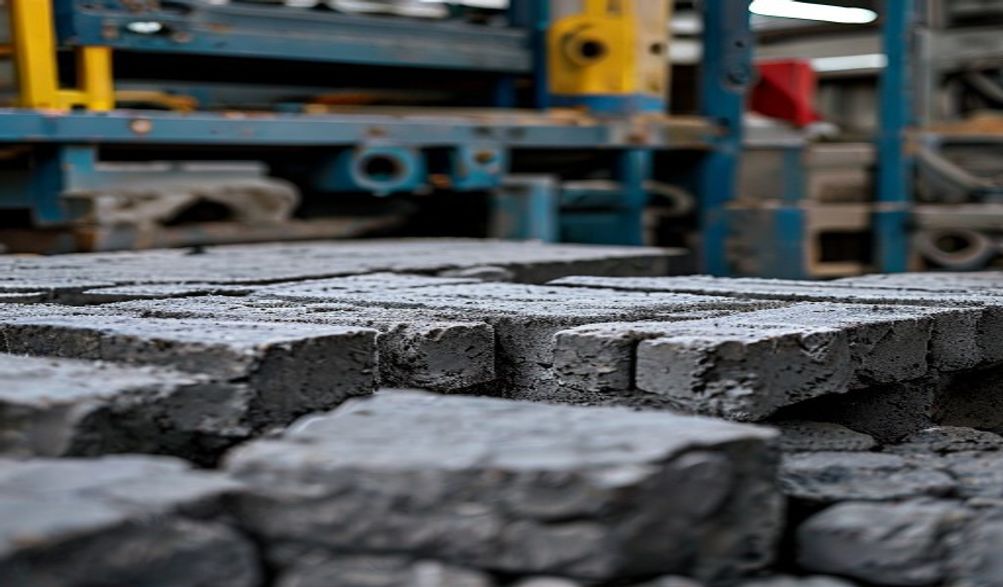
Cách Chọn Máy Sản Xuất Gạch Block & Gạch Nung: Hướng Dẫn Thông Minh Về Giá Cả Và Giá Trị
Việc chọn máy sản xuất gạch block thường giống như một sự cân bằng giữa ngân sách và tương lai kinh doanh của bạn. Mức giá rẻ nhất có thể dẫn đến thời gian ngừng hoạt động tốn kém, trong khi máy đắt nhất có thể lại quá sức so với nhu cầu của bạn. Sự căng thẳng giữa chi phí ban đầu và giá trị lâu dài chính là thách thức trọng tâm.
Dựa trên nhiều năm phân tích ngành và phản hồi từ người dùng, hướng dẫn này không chỉ dừng lại ở việc liệt kê giá cả. Chúng tôi sẽ chỉ cho bạn cách đánh giágiá trị thựcđể đưa ra quyết định đầu tư tự tin vào một chiếc máy. Đến cuối bài, bạn sẽ hiểu các yếu tố chính ảnh hưởng đến giá cả, cách chọn máy phù hợp với nhu cầu dự án cụ thể của mình và những câu hỏi quan trọng cần đặt ra cho nhà cung cấp.
Hướng dẫn toàn diện này vềcách chọn máy gạch block giá bao nhiêu注重长期投资回报率,而非仅仅被最初的标价吓到。
Hiểu Rõ Những Yếu Tố Quyết Định Giá Máy Sản Xuất Gạch Không Nung
To make a smart purchase, you must first understand what you’re paying for. The price range is vast—from a few thousand to several hundred thousand dollars. This variation isn’t arbitrary; it’s directly tied to the machine’s capabilities, durability, and sophistication.
Loại Máy Chính & Mức Độ Tự Động Hóa
The degree of automation is the single biggest price determinant. It dictates labor costs, output speed, and operational complexity.
- Máy Móc Thủ Công: These are the most affordable entry point. Operators manually feed material, compress it, and remove the finished block. They have a low output (e.g., 300-500 blocks per day) and high labor intensity. Ideal for very small, community-based projects or startups with minimal capital.
- Máy Bán Tự Động: This is the sweet spot for many small to medium businesses. The core compaction process (often via a hydraulic system) is automated, but blocks are moved to the curing area manually or with a simple pallet system. They offer a great balance, providing higher output than manual machines (1,000-4,000 blocks per day) at a reasonable price.
- Máy Móc Tự Động Hoàn Toàn: These represent the premium end of the spectrum. They feature automated material feeding, compaction, block ejection, palletizing, and stacking. Controlled by PLC systems, they require minimal human intervention, ensuring consistent, high-volume production (10,000+ blocks per day). The high price reflects complex engineering, superior components, and high output.
Hơn nữa, hãy xem xét tính di động:
- Thực vật cố định: Higher-capacity machines are fixed installations, requiring a dedicated factory space with a concrete foundation. They are for large-scale, centralized production.
- Máy Sản Xuất Khối Xây Di Động: These are self-contained units, often mounted on a trailer. They cost more than a basic stationary unit of similar output but allow for on-site production, eliminating transport costs for finished blocks. Perfect for large construction projects in remote locations.
Thông số kỹ thuật về năng lực sản xuất và sản lượng đầu ra
Within each automation category, price scales with performance.
- Khối Mỗi Giờ (BPH): A machine rated for 1,500 BPH will cost significantly less than one rated for 3,000 BPH, even if they look similar. Higher speed requires a more powerful motor, a more robust hydraulic system, and precision engineering.
- Mô Hình & Kích Thước Máy: The physical size and model designation (e.g., QMJ4-45 vs. QTY10-15) indicate the mold size and pressing force. A machine that can produce large, dense interlocking concrete blocks (ICFs) needs a stronger frame and higher pressure, increasing its cost compared to a machine for standard hollow blocks.
Các Thành Phần Chính & Chất Lượng Chế Tạo
This is where hidden value—or future cost—resides. Two machines with identical output specs can have wildly different prices based on component quality.
- Khung & Cấu trúc A machine built with heavy-duty, reinforced steel plate will resist vibration and wear for decades. A lighter frame might warp under constant stress, leading to misalignment and poor-quality blocks.
- Hệ thống Thủy lực & Điều khiển Điện The heart of the machine. Brands like Bosch Rexroth, Siemens, or Schneider Electric for controls command a premium for a reason: reliability, efficiency, and global serviceability. Cheap, no-name hydraulics are prone to leaks and failures, causing expensive downtime.
- Chất Lượng Khuôn & Vật Liệu The mold is a consumable part, but its lifespan varies drastically. High-chromium, heat-treated steel molds are expensive but can produce over 1 million blocks. Standard steel molds wear out quickly, requiring frequent, costly replacement and compromising block dimensional accuracy.
A Step-by-Step Framework for Your Buying Decision
Now, let’s translate that knowledge into a practical buying process. This framework ensures you match a machine to your actual needs, not just a sales brochure.
Step 1: Assess Your Project Requirements Honestly
Begin with an internal audit. Wishful thinking about future expansion can lead to overspending. Be brutally realistic about your current situation.
- Define Your Output:Tính toán của bạnrequired daily output based on project deadlines or sales contracts. Add a 15-20% buffer for growth, but don’t buy a giant machine for “maybe someday” projects.
- Identify Brick Types: What brick types are in demand? Standard hollow blocks, solid bricks, pavers, grass blocks, or interlocking blocks? Each may require a specific mold.
- Analyze Raw Material: What is your local raw material mix? The machine must be suited for your specific blend of bê tông, tro bay, cement, or clay.
- Set a Budget Range: Determine a strict maximum but also a realistic target. Remember, your budget must account for more than just the machine price (see Step 3).
Step 2: Decipher Supplier Quotes & Specifications
A quote is more than a number. It’s a contract outline. Learn to read between the lines.
- Scrutinize the Spec Sheet: Look past the headline BPH number. Check:
- Motor Power (kW/Hp)
- Operating Pressure (Tonnes)
- Machine Weight (a good proxy for sturdiness)
- Voltage Requirements
- Warranty Period & What It Covers
- Identify Hidden Costs: Directly ask the supplier to itemize:
- Shipping, Insurance, and Customs Clearance (DDP vs. FOB pricing)
- On-site Installation and Commissioning Fees
- Operator Training Costs
- Price list for common spare parts (hydraulic seals, sensors, etc.)
Step 3: Evaluate Total Cost of Ownership (TCO), Not Just Price
This is the master key to understanding cách chọn máy gạch block giá bao nhiêu wisely. The purchase price is just the entry fee.
TCO = Purchase Price + Operating Costs + Maintenance + Downtime Cost
- Operating Costs: Include electricity consumption and labor. A more efficient, automated machine may have a higher price but lower operating costs per block.
- Maintenance: Regular servicing is cheap; breakdowns are expensive. A machine with accessible components and a reliable parts supply chain will have lower long-term maintenance costs.
- Downtime Cost: This is the killer. If your $20,000 machine breaks down for a week waiting for a spare part from overseas, what is the cost of delayed projects or lost sales? A 20-30% higher investment in a machine with local technical support and guaranteed part availability often pays for itself by eliminating a single major downtime event.
Navigating the Market: Suppliers, Brands & Trust
Your relationship with the supplier is as important as the machine itself. You are choosing a long-term partner.
Where to Find Reliable Machine Suppliers
- Direct Manufacturers: Buying factory-direct can offer better prices and technical knowledge. However, ensure they have export experience and can support you post-sale.
- Đại lý phân phối địa phương: They add a markup but provide invaluable local service, spare parts inventory, and quick response times. This is often worth the extra cost.
- B2B Platforms (Alibaba, Made-in-China): Useful for discovering suppliers and comparing specs. Exercise extreme due diligence. Use them for research, not as a trust signal.
Verifying Supplier Credibility & Expertise
Your checklist for vetting a supplier must be rigorous:
- Business Licenses & Certifications: Request copies. Look for ISO certifications.
- Báo cáo Kiểm tra Nhà máy: Ask for a recent third-party audit report (e.g., from SGS or BV). This verifies their production capability and quality control.
- Client References & Case Studies: Don’t just accept a list. Ask for 2-3 contacts for clients in a similar region or business scale. Call them. Ask about machine performance, reliability, and the supplier’s responsiveness to issues.
- After-Sales Service Structure: Specifically ask: “Do you have an English-speaking technical team available via WhatsApp/email? What is your typical response time? Where are your nearest spare parts warehouses?”
The Critical Role of Customer Reviews & Case Studies
Seek out independent proof.
- Look for long-term project case studies with photos/videos over time, not just startup shots.
- Search for the supplier’s name on YouTube with keywords like “installation,” “operation,” or “review.”
- Be wary of reviews only on the supplier’s own website. Look for patterns in feedback on independent forums or B2B sites.
Các Câu Hỏi Thường Gặp (FAQ)
Q1: What is the average price range for a good quality block making machine?
A: There is no single “average.” A small manual machine can start around $3,000-$7,000. A robust semi-automatic machine suitable for a growing business typically ranges from $15,000 to $50,000. Large, fully automatic production lines can range from $70,000 to over $300,000. The key is defining “good quality” by your specific output and durability needs.
Q2: Should I buy a cheap machine from an online marketplace?
A: It carries significant risk. For critical business equipment, prioritize suppliers who offer clear communication, documented specifications, and verifiable service guarantees. A cheap machine with no local support can become a very expensive paperweight when it breaks down.
Q3: How much should I budget for installation, maintenance, and spare parts?
A: As a rule of thumb, allocate 10-15% of the machine’s purchase price for initial costs: installation, foundation, basic training, and an essential spare parts kit (seals, filters, etc.). For annual maintenance, budget 2-5% of the initial machine cost.
Q4: Can the same machine produce different types of bricks and blocks?
A: Yes, most machines can, but only by changing the mold. When requesting a quote, explicitly ask about the cost and delivery time for additional molds (e.g., for pavers, hollow blocks, curb stones). Ensure the machine’s pressure and table size are compatible with your desired block portfolio.
Q5: What is the most important factor besides price?
A: Unquestionably, after-sales service and parts availability. A block machine is a workhorse that will require maintenance. A reliable supplier with a proven track record of timely support is the ultimate insurance policy for your productivity and ROI.
Conclusion
Choosing a block making machine ultimately comes down to finding the optimal intersection where a fair price meets proven performance, durable construction, and unwavering supplier support. It’s an investment in your operational foundation.
Use the framework outlined here: honestly assess your needs, calculate the true Total Cost of Ownership, and vet suppliers with a detective’s eye. Request detailed quotes from several reputable manufacturers and compare them line by line using the criteria we’ve discussed.
By prioritizing long-term value and partner reliability over the lowest sticker price, you’re not just buying a piece of equipment. You’re investing in the smooth, profitable execution of your projects for years to come. Take your time, ask the detailed questions, and choose a partner, not just a product.
<