
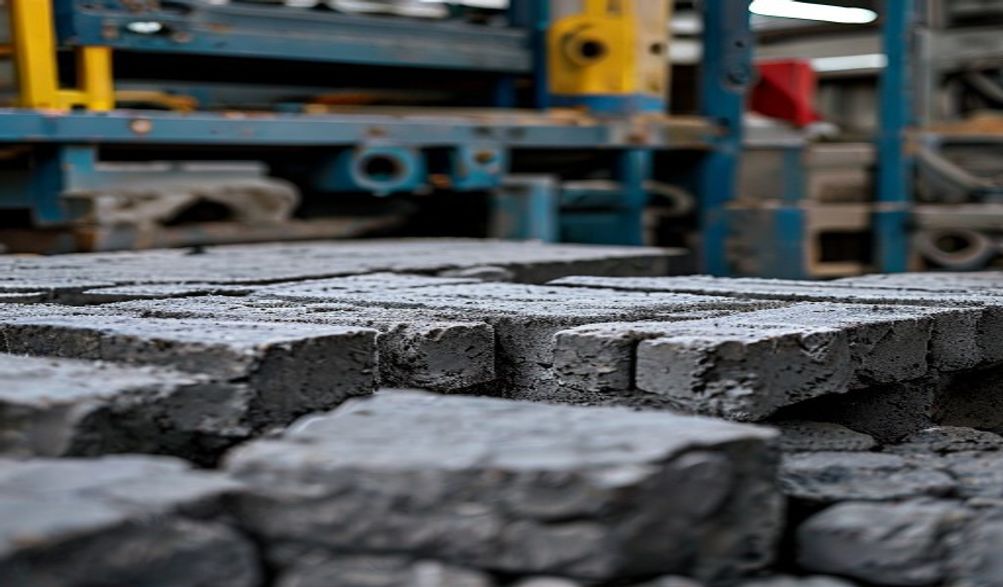
블록 및 벽돌 제조 기계 선택 방법: 현명한 가격 및 가치 가이드
블록 벽돌 제작 기계를 선택하는 것은 종종 예산과 비즈니스의 미래 사이에서 균형을 맞추는 일처럼 느껴집니다. 가장 저렴한 가격표는 값비싼 다운타임으로 이어질 수 있는 반면, 가장 비싼 기계는 당신의 필요에 과잉일 수 있습니다. 초기 비용과 장기적 가치 사이의 이러한 긴장이 핵심 과제입니다.
수년간의 업계 분석과 사용자 피드백을 바탕으로 한 이 가이드는 단순히 가격을 나열하는 것을 넘어섭니다. 우리는 여러분이진정한 가치기계에 대해 확신 있는 투자를 할 수 있도록 도와드립니다. 마지막에는 가격에 영향을 미치는 주요 요소, 특정 프로젝트 요구 사항에 맞는 기계 선택 방법, 공급업체에 물어봐야 할 중요한 질문들을 이해하게 될 것입니다.
한글 맞춤법의 최종 가이드입니다.블록 벽돌 제조 기계 가격을 선택하는 방법장기적인 투자 수익률(ROI)에 중점을 두며, 단순한 초기 가격 충격만 고려하지 않습니다.
블록 머신 가격 결정 요인 이해하기
현명한 구매를 위해서는 먼저 무엇에 비용을 지불하는지 이해해야 합니다. 가격대는 수천 달러에서 수십만 달러까지 매우 다양합니다. 이러한 차이는 임의적인 것이 아니라 기계의 성능, 내구성, 정교함과 직접적으로 연결되어 있습니다.
코어 머신 타입 및 자동화 수준
자동화 수준은 가격을 결정하는 가장 중요한 요소입니다. 이는 인건비, 생산 속도, 운영 복잡성을 좌우합니다.
- 수동 기계:이들은 가장 저렴한 진입점입니다. 작업자가 수동으로 재료를 투입하고 압축한 후 완성된 블록을 꺼냅니다. 생산량이 낮고(예: 하루 300~500블록) 노동 강도가 높습니다. 자본이 거의 없는 매우 소규모의 커뮤니티 기반 프로젝트나 스타트업에 적합합니다.
- 반자동 기계:이는 많은 중소기업들에게 적합한 지점이다. 코어 압축 공정(종종 유압 시스템을 통해)은 자동화되어 있지만, 블록은 수동으로 또는 간단한 팔레트 시스템을 통해 양생 구역으로 이동된다. 이 장비들은 수동 기계보다 높은 생산량(하루 1,000~4,000개의 블록)을 합리적인 가격에 제공하며 훌륭한 균형을 이룬다.
- 완전 자동 기계:이들은 스펙트럼의 프리미엄 끝자락을 대표합니다. 자동화된 재료 공급, 압축, 블록 배출, 팔레타이징 및 적재 기능을 갖추고 있습니다. PLC 시스템으로 제어되어 최소한의 사람 개입만 필요로 하며, 일관된 대량 생산(하루 10,000개 이상의 블록)을 보장합니다. 높은 가격은 복잡한 엔지니어링, 우수한 부품 및 높은 생산량을 반영합니다.
또한, 이동성을 고려하세요:
- 고정식 발전소:高容量机器为固定安装,需专用工厂空间及混凝土地基,用于大规模集中生产。
- 모바일 블록 제작 기계:이들은 독립형 장치로, 종종 트레일러에 장착됩니다. 비슷한 생산량의 기본 고정식 장치보다 비용이 더 들지만, 현장 생산이 가능해 완성된 블록의 운송 비용을 없앨 수 있습니다. 원거리 위치의 대규모 건설 프로젝트에 완벽합니다.
생산 능력 및 산출량 사양
각 자동화 범주 내에서 가격은 성능에 비례합니다.
- 시간당 블록 수 (BPH):1,500 BPH로 정격된 기계는 3,000 BPH로 정격된 기계와 외형이 비슷하더라도 비용이 훨씬 저렴합니다. 더 높은 속도는 더 강력한 모터, 더 견고한 유압 시스템 및 정밀 엔지니어링을 필요로 합니다.
- 기계 모델 및 크기:물리적 크기와 모델 명칭(예: QMJ4-45 대 QTY10-15)은 금형 크기와 가압력을 나타냅니다. 크고 밀도 높은 인터로킹 콘크리트 블록(ICF)을 생산할 수 있는 기계는 표준 중공 블록용 기계에 비해 더 강한 프레임과 더 높은 압력이 필요하므로 비용이 증가합니다.
주요 구성 요소 및 제작 품질
동일한 성능 사양을 가진 두 기계도 부품 품질에 따라 가격이 크게 달라질 수 있으며, 여기에 숨은 가치 또는 미래 비용이 자리잡고 있습니다.
- 프레임과 구조무거운 강화 강철 판으로 제작된 기계는 수십 년 동안 진동과 마모를 견딥니다. 더 가벼운 프레임은 지속적인 응력을 받으면 변형되어 정렬 불량과 품질 낮은 블록을 초래할 수 있습니다.
- 유압 시스템 및 전기 제어 장치기계의 심장. 컨트롤 분야에서 보쉬 렉스로스, 지멘스, 슈나이더 일렉트릭 같은 브랜드가 고가를 형성하는 데는 이유가 있다. 신뢰성, 효율성, 그리고 글로벌 서비스 가능성 덕분이다. 값싼 무명 유압 장치는 누수와 고장이 잦아 값비싼 가동 중단을 초래한다.
- 금형 품질 및 재료 The mold is a consumable part, but its lifespan varies drastically. High-chromium, heat-treated steel molds are expensive but can produce over 1 million blocks. Standard steel molds wear out quickly, requiring frequent, costly replacement and compromising block dimensional accuracy.
A Step-by-Step Framework for Your Buying Decision
Now, let’s translate that knowledge into a practical buying process. This framework ensures you match a machine to your actual needs, not just a sales brochure.
Step 1: Assess Your Project Requirements Honestly
Begin with an internal audit. Wishful thinking about future expansion can lead to overspending. Be brutally realistic about your current situation.
- Define Your Output:당신의 것을 계산하세요required daily output based on project deadlines or sales contracts. Add a 15-20% buffer for growth, but don’t buy a giant machine for “maybe someday” projects.
- Identify Brick Types: What brick types are in demand? Standard hollow blocks, solid bricks, pavers, grass blocks, or interlocking blocks? Each may require a specific mold.
- Analyze Raw Material: What is your local raw material mix? The machine must be suited for your specific blend of 콘크리트, 플라이 애시, cement, or clay.
- Set a Budget Range: Determine a strict maximum but also a realistic target. Remember, your budget must account for more than just the machine price (see Step 3).
Step 2: Decipher Supplier Quotes & Specifications
A quote is more than a number. It’s a contract outline. Learn to read between the lines.
- Scrutinize the Spec Sheet: Look past the headline BPH number. Check:
- Motor Power (kW/Hp)
- Operating Pressure (Tonnes)
- Machine Weight (a good proxy for sturdiness)
- Voltage Requirements
- Warranty Period & What It Covers
- Identify Hidden Costs: Directly ask the supplier to itemize:
- Shipping, Insurance, and Customs Clearance (DDP vs. FOB pricing)
- On-site Installation and Commissioning Fees
- Operator Training Costs
- Price list for common spare parts (hydraulic seals, sensors, etc.)
Step 3: Evaluate Total Cost of Ownership (TCO), Not Just Price
This is the master key to understanding 블록 벽돌 제조 기계 가격을 선택하는 방법 wisely. The purchase price is just the entry fee.
TCO = Purchase Price + Operating Costs + Maintenance + Downtime Cost
- Operating Costs: Include electricity consumption and labor. A more efficient, automated machine may have a higher price but lower operating costs per block.
- Maintenance: Regular servicing is cheap; breakdowns are expensive. A machine with accessible components and a reliable parts supply chain will have lower long-term maintenance costs.
- 다운타임 비용: This is the killer. If your $20,000 machine breaks down for a week waiting for a spare part from overseas, what is the cost of delayed projects or lost sales? A 20-30% higher investment in a machine with local technical support and guaranteed part availability often pays for itself by eliminating a single major downtime event.
Navigating the Market: Suppliers, Brands & Trust
Your relationship with the supplier is as important as the machine itself. You are choosing a long-term partner.
Where to Find Reliable Machine Suppliers
- Direct Manufacturers: Buying factory-direct can offer better prices and technical knowledge. However, ensure they have export experience and can support you post-sale.
- 현지 유통업체 They add a markup but provide invaluable local service, spare parts inventory, and quick response times. This is often worth the extra cost.
- B2B Platforms (Alibaba, Made-in-China): Useful for discovering suppliers and comparing specs. Exercise extreme due diligence. Use them for research, not as a trust signal.
Verifying Supplier Credibility & Expertise
Your checklist for vetting a supplier must be rigorous:
- Business Licenses & Certifications: Request copies. Look for ISO certifications.
- 공장 감사 보고서 Ask for a recent third-party audit report (e.g., from SGS or BV). This verifies their production capability and quality control.
- Client References & Case Studies: Don’t just accept a list. Ask for 2-3 contacts for clients in a similar region or business scale. Call them. Ask about machine performance, reliability, and the supplier’s responsiveness to issues.
- 애프터서비스 구조: Specifically ask: “Do you have an English-speaking technical team available via WhatsApp/email? What is your typical response time? Where are your nearest spare parts warehouses?”
The Critical Role of Customer Reviews & Case Studies
Seek out independent proof.
- Look for long-term project case studies with photos/videos over time, not just startup shots.
- Search for the supplier’s name on YouTube with keywords like “installation,” “operation,” or “review.”
- Be wary of reviews only on the supplier’s own website. Look for patterns in feedback on independent forums or B2B sites.
자주 묻는 질문 (FAQ)
Q1: What is the average price range for a good quality block making machine?
A: There is no single “average.” A small manual machine can start around $3,000-$7,000. A robust semi-automatic machine suitable for a growing business typically ranges from $15,000 to $50,000. Large, fully automatic production lines can range from $70,000 to over $300,000. The key is defining “good quality” by your specific output and durability needs.
Q2: Should I buy a cheap machine from an online marketplace?
A: It carries significant risk. For critical business equipment, prioritize suppliers who offer clear communication, documented specifications, and verifiable service guarantees. A cheap machine with no local support can become a very expensive paperweight when it breaks down.
Q3: How much should I budget for installation, maintenance, and spare parts?
A: As a rule of thumb, allocate 10-15% of the machine’s purchase price for initial costs: installation, foundation, basic training, and an essential spare parts kit (seals, filters, etc.). For annual maintenance, budget 2-5% of the initial machine cost.
Q4: Can the same machine produce different types of bricks and blocks?
A: Yes, most machines can, but only by changing the mold. When requesting a quote, explicitly ask about the cost and delivery time for additional molds (e.g., for pavers, hollow blocks, curb stones). Ensure the machine’s pressure and table size are compatible with your desired block portfolio.
Q5: What is the most important factor besides price?
A: Unquestionably, after-sales service and parts availability. A block machine is a workhorse that will require maintenance. A reliable supplier with a proven track record of timely support is the ultimate insurance policy for your productivity and ROI.
결론
Choosing a block making machine ultimately comes down to finding the optimal intersection where a fair price meets proven performance, durable construction, and unwavering supplier support. It’s an investment in your operational foundation.
Use the framework outlined here: honestly assess your needs, calculate the true Total Cost of Ownership, and vet suppliers with a detective’s eye. Request detailed quotes from several reputable manufacturers and compare them line by line using the criteria we’ve discussed.
By prioritizing long-term value and partner reliability over the lowest sticker price, you’re not just buying a piece of equipment. You’re investing in the smooth, profitable execution of your projects for years to come. Take your time, ask the detailed questions, and choose a partner, not just a product.
<