تحليل السوق واعتبارات التوريد الاستراتيجي
فهم النظام البيئي للتصنيع وتطوره
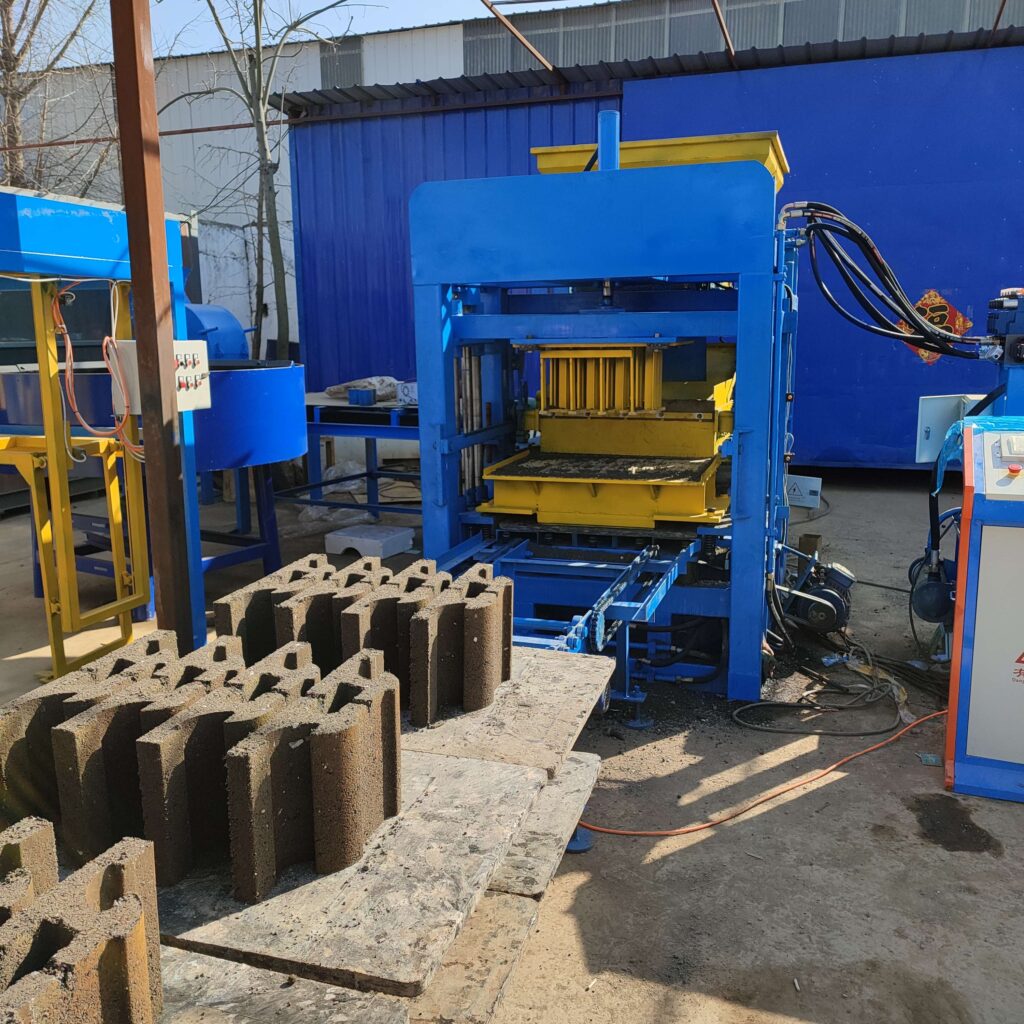
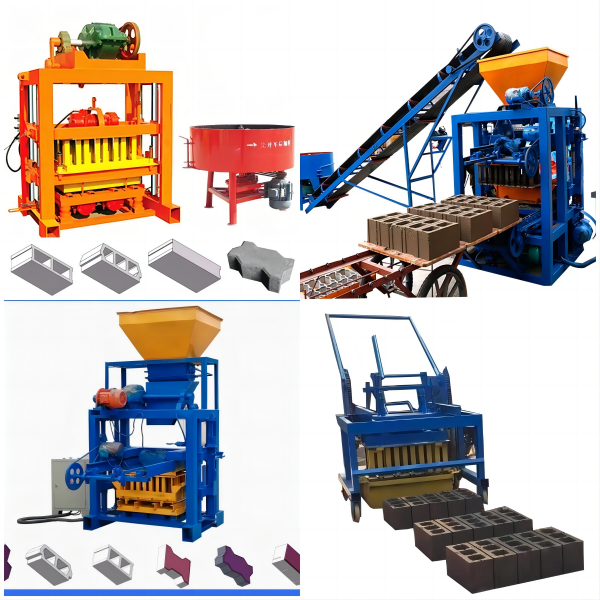
شهد قطاع تصنيع آلات الكتل داخل هذا المحور العالمي تحولاً كبيراً على مدى العقد الماضي. يتدرج السوق ليشمل آلاف المصنّعين، بدءاً من الورش الصغيرة التي تنتج نماذج أساسية منخفضة التكلفة، وصولاً إلى المؤسسات الصناعية المتطورة التي تشغّل خطوط إنتاج آلية متقدمة. وقد ركّزت المجموعة الأخيرة بشكل متزايد على الارتقاء في سلسلة القيمة، مع استثمارات كبيرة في البحث والتطوير، وتقنيات التصنيع الدقيق، والالتزام بمعايير الجودة والسلامة الدولية. يعني هذا التطور أن المشترين يمكنهم توريد كل شيء بدءاً من الآلات اليدوية غير المكلفة لأسواق الدول النامية، وصولاً إلى مصانع الإنتاج المتكاملة بالكامل والمتحكم بها حاسوبياً، والقادرة على منافسة أفضل التقنيات الغربية. يعد فهم هذا التدرج أول خطوة حاسمة؛ حيث ستحدد فئة المورد المستهدف حسب توقعات الجودة في السوق النهائي، ومتطلبات الدعم الفني، والقيود المالية. لا يتسم السوق بالتنميط، واتباع نهج واحد يناسب الجميع هو وصفة للفشل.
تحديد وفحص شركاء التصنيع المحتملين
تتطلب مرحلة تحديد المورد الأولي نهجاً متعدد الجوانب لفصل الشركاء الموثوقين من بين الخيارات المتعددة.
- الاستطلاع الرقمي وفي المعارض التجاريةابدأ بتحليل شامل عبر الإنترنت، لكن تجاوز القوائم الدليلية الأساسية. افحص مواقع الموردين بعمق تقني، وابحث عن أدلة على الكفاءة الهندسية (مثل رسوم متحركة ثلاثية الأبعاد لتشغيل الآلات، رسومات CAD مفصلة)، وشهادات العملاء. قبل الجائحة، كانت معارض التجارة الدولية الكبرى المعيار الذهبي لتقييم الموردين؛ أما بعد الجائحة، يقدم العديد منهم جولات افتراضية مفصلة للمصانع وندوات تقنية عبر الإنترنت، والتي يمكن أن تكون بديلاً قيماً للتقييم الأولي.
- عملية التدقيق الحرجة للمصنع:مراجعة المصنع عن بُعد أو شخصيًا ليست قابلة للتفاوض. يجب أن يركز هذا الإجراء الاستقصائي على عدة مجالات رئيسية: حالة ومستوى التكنولوجيا في معدات الإنتاج (مثل انتشار آلات التحكم الرقمي بالكمبيوتر)، وتنظيم أرضية التجميع، وعملية مراقبة الجودة (ابحث عن أدوات قياس معايرة وأوراق تفتيش موثقة)، ومستودع قطع الغيار. تعتبر الورشة غير المنظمة أو عدم وجود فحوصات جودة منهجية مؤشرات تحذيرية كبرى.
- الفحص المالي والقانوني الشامل:التحقق من رخصة عمل المورد، وشهادات التصدير، واستقراره المالي أمر ضروري. يمكن غالباً القيام بذلك من خلال خدمات التحقق من طرف ثالث. قد لا يتمكن الشريك غير المستقر مالياً من الوفاء بالضمانات أو تقديم الدعم طويل الأجل، مما يجعل أي وفورات تكلفة قصيرة الأجل بلا معنى.
بروتوكول تنفيذ المشتريات وضمان الجودة
المفاوضات الفنية ووضع المواصفات النهائية
المناقشة الفنية هي المكان الذي تُوضع فيه أسس عملية شراء ناجحة. يجب أن تكون دقيقة، واضحة، وشاملة.
- تطوير ورقة بيانات تقنية مفصلة:يجب أن يصبح هذا المستند ملحقًا لعقد الشراء الخاص بك. يجب أن يحدد كل معيار حاسم، بما في ذلك: أبعاد الآلة ووزنها؛ الطاقة المركبة؛ القدرة الإنتاجية (بالقوالب في الساعة لأنواع محددة من القوالب)؛ وقت الدورة؛ ضغط العمل الهيدروليكي؛ حدود مستوى الضوضاء؛ وعلامة ونموذج جميع المكونات الرئيسية (متحكمات المنطق القابلة للبرمجة، وأجهزة الاستشعار، والمضخات الهيدروليكية، والمحركات). يجب استبدال الوعود الغامضة بـ "جودة عالية" بمواصفات قابلة للقياس والتحقق.
- استراتيجية توريد المكوناتناقش "قائمة المواد" بصراحة. بينما قد تحمل الآلة المصنوعة بالكامل من مكونات أوروبية أو يابانية علاوة سعرية، إلا أنها غالبًا ما تضمن الموثوقية وسهولة الحصول على قطع الغيار. النهج الهجين، الذي يستخدم المكونات الحيوية المستوردة (مثل وحدات التحكم المنطقية القابلة للبرمجة والصمامات الهيدروليكية) مع المكونات الهيكلية المصدرة محليًا، يمكن أن يوفر توازنًا ممتازًا بين التكلفة والموثوقية. تأكد من الحصول على قائمة نهائية بجميع المكونات الرئيسية وأصولها.
- التخصيص ومتطلبات الامتثالقم بتوضيح أي تعديلات ضرورية لسوقك المحلي بوضوح، مثل الجهد الكهربائي والتردد (50 هرتز / 60 هرتز)، ومعايير السلامة (شهادة CE هي الحد الأدنى للعديد من المناطق)، وأحجام المنصات المحددة أو تكوينات القوالب. يجب على المورد تقديم دليل موثق على الامتثال للمعايير التي تطلبها.
التنقل في المشهد التجاري واللوجستي
الترتيبات المالية والشحن لا تقل أهمية عن المواصفات الفنية.
- هيكلة شروط الدفعالشروط القياسية غالبًا ما تتضمن دفعة أولى (30-50%)، مع دفع الرصيد قبل الشحن أو مقابل نسخة من مستندات الشحن. بالنسبة للطلبيات الكبيرة، يقدم الاعتماد المستندي (LC) ضمانًا لكلا الطرفين. تفاوض على هذه الشروط بحرص، مع موازنة احتياجات التدفق النقدي لديك ومتطلبات المورد للأمان المالي. احذر من الموردين الذين يطلبون الدفع الكامل مقدمًا.
- Incoterms and Logistics Management: The chosen Incoterm (e.g., FOB, CIF, EXW) defines risk and cost responsibility. FOB (Free On Board) is common, where the buyer assumes responsibility once the goods are loaded on the ship. For CIF (Cost, Insurance, and Freight), the supplier arranges and pays for shipping and insurance. Understand the full landed cost, which includes the machine price, shipping, insurance, import duties, and port handling fees in your country. Engage a reliable freight forwarder to manage the complex logistics chain.
- Pre-Shipment Inspection and Performance Testing: Never waive your right to a pre-shipment inspection. Either send your own qualified engineer or hire a third-party inspection company to witness the machine’s final assembly and test run. This inspection should verify that the machine is built to the agreed specifications, all components are present and correctly installed, and it operates as intended, producing sample blocks that meet quality benchmarks.
Post-Procurement Strategy and Long-Term Partnership Management
Commissioning, Training, and After-Sales Support Framework
The relationship with the supplier intensifies after the machine leaves the factory.
- Commissioning and Installation Planning: Clarify whether the supplier’s price includes commissioning (supervision of installation and start-up) by a factory engineer. Even if it is an extra cost, it is a highly recommended investment. A proper commissioning ensures the machine is set up correctly from the start, preventing early-life failures and optimizing performance.
- Comprehensive Technical Training: Insist on detailed training for your technical team. This should cover operation, routine maintenance, advanced troubleshooting, and an overview of the electrical and hydraulic systems. The supplier should provide exhaustive documentation, including parts manuals with exploded-view diagrams, electrical schematics, and hydraulic circuit diagrams in English.
- Establishing a Spare Parts Supply Chain: Develop a strategic spare parts plan with the supplier. Identify high-wear items and establish a min-max inventory for your warehouse. Negotiate favorable pricing for a starter kit of spares. The supplier’s responsiveness in supplying spare parts is a critical metric for evaluating them as a long-term partner. Inquire about their parts inventory management and typical shipping times for emergency orders.
Building a Collaborative Long-Term Relationship
The goal is to evolve the transaction into a strategic alliance.
- Feedback Loop for Product Improvement: Provide the supplier with structured feedback from your customers. This information about machine performance in real-world conditions, common issues, and desired features is invaluable for the manufacturer’s R&D process and can lead to improvements in future models.
- Exploring Exclusive Arrangements: For distributors with significant market potential, discussing an exclusive distribution agreement for a specific territory or country can be beneficial. This protects your investment in marketing and brand building and aligns the supplier’s interests with your long-term success.
- Joint Marketing and Technical Support: Collaborate on marketing efforts, such as case studies or co-hosted webinars. Furthermore, establish a direct channel between your senior technicians and the supplier’s engineering team for rapid resolution of complex technical challenges.
خاتمة
Procuring block brick making machinery from a leading global manufacturing hub is a complex, multi-stage process that holds the potential for immense reward. It is a strategic undertaking that, when executed with diligence and expertise, can secure a durable competitive advantage through a superior combination of cost, capability, and performance. The journey demands a proactive, informed approach where every detail—from the Rockwell hardness of a pallet surface to the specifics of the LC—is meticulously managed. By adopting the rigorous protocols outlined in this guide for supplier vetting, contract negotiation, quality assurance, and partnership management, B2B professionals can confidently navigate this landscape. The ultimate objective is not merely to buy a machine, but to establish a productive, long-term partnership that fuels growth, enhances operational efficiency, and delivers exceptional value to your end-customers for years to come.
الأسئلة الشائعة (FAQ)
Q1: What is the single most important factor to ensure a successful procurement?
أ: While there are many critical factors, the most important is unambiguous communication and documentation. Every requirement, specification, expectation, and agreement must be clearly detailed in writing and attached to the formal purchase contract. Assumptions and verbal promises are the primary source of disputes and unsatisfactory outcomes.
Q2: How do we effectively manage the language and cultural barrier during negotiations?
أ: Use clear, simple English in all written communication. For important meetings, consider using a translator who has technical knowledge of machinery. Be patient, respectful, and confirm understanding on both sides by summarizing key points in writing after meetings. Building a personal rapport with your main point of contact can also significantly smooth communication.
Q3: What are the hidden costs we should budget for beyond the machine’s quoted price?
أ: The “landed cost” includes several often-overlooked items: international shipping and marine insurance; import duties and taxes (which vary by country); port handling and terminal charges; inland freight from the port to your warehouse; and costs for a technician to travel for commissioning and training. A contingency fund of 10-15% for unexpected expenses is also prudent.
Q4: Is it better to buy a standard model or invest in a customized machine?
أ: This depends entirely on your business model. A standard model is cheaper, has a shorter lead time, and spare parts may be more readily available. A customized machine is justified if it provides a unique capability that gives you a significant market edge, or if it is perfectly optimized for a specific, high-volume product you plan to manufacture. For most distributors, a standard model with minor, bolt-on customizations offers the best balance.
Q5: How can we verify the quality of a machine before committing to a large purchase?
أ: There are three key methods: 1) Visit an existing installation: Ask the supplier for references and, if possible, visit a client who has been using the same model for at least a year. 2) Hire a third-party inspection firm: Companies specialized in industrial equipment inspection can conduct a pre-shipment inspection on your behalf. 3) Start with a smaller order: If feasible, purchase a smaller, less expensive machine first to evaluate the supplier’s quality and service before placing a larger order for a high-volume production line.