Suuq-geynta iyo Talaabooyinka Loo Qaado ee Bilaashinta Kaydka
Fahmidka Habka Warshadeynta iyo Horumarinteeda
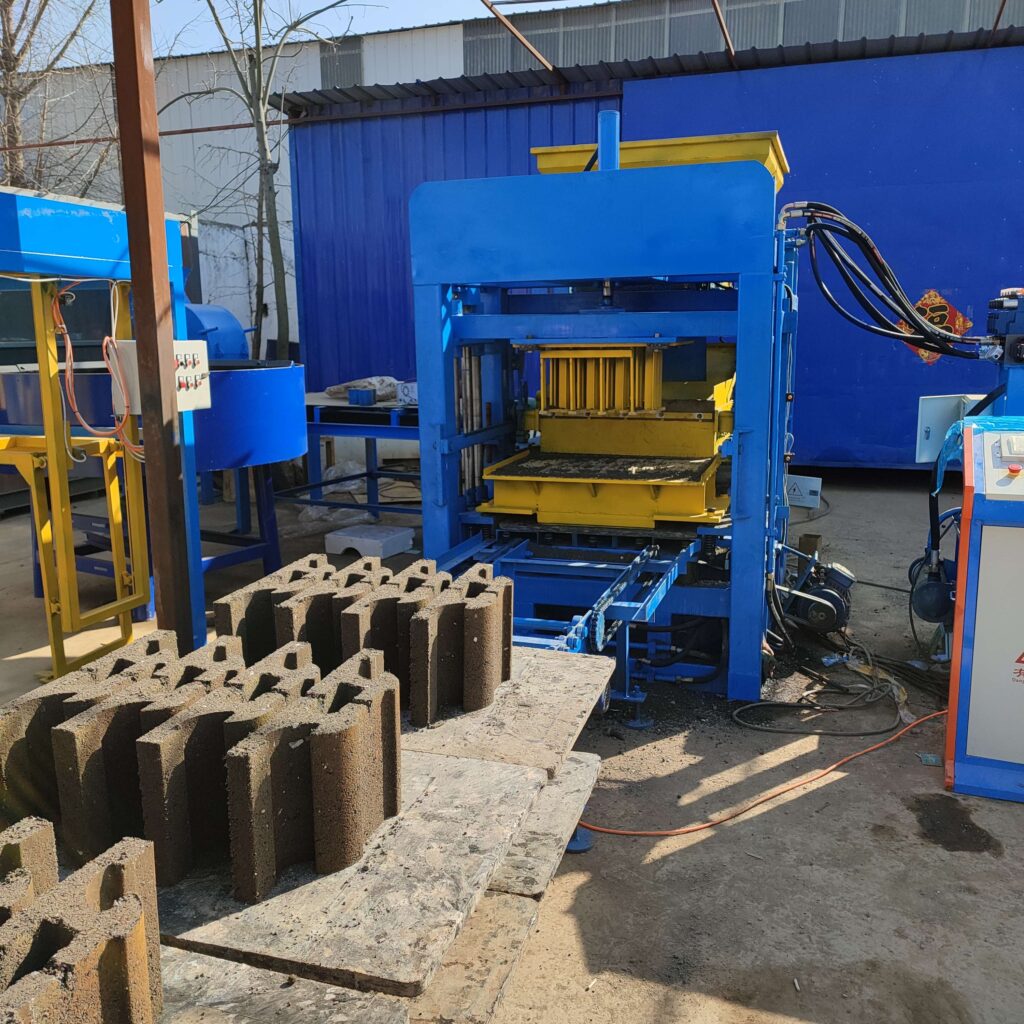
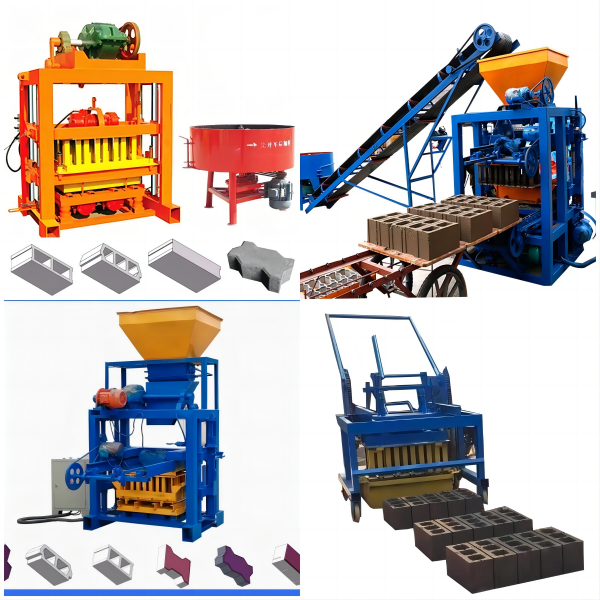
The block machinery manufacturing sector within this global hub has undergone a significant transformation over the past decade. The market is stratified, comprising thousands of manufacturers ranging from small workshops producing low-cost, basic models to sophisticated industrial enterprises operating advanced, automated production lines. The latter group has increasingly focused on moving up the value chain, investing heavily in R&D, precision manufacturing technology, and adherence to international quality and safety standards. This evolution means that buyers can source everything from inexpensive manual machines for developing markets to fully integrated, computer-controlled production plants capable of competing with the best Western technology. Understanding this stratification is the first critical step; your target supplier tier will be dictated by your end-market’s quality expectations, technical support requirements, and budget constraints. The market is not monolithic, and a one-size-fits-all approach is a recipe for failure.
Aqoonsiga iyo Baaritaanka Shuraakada Warshadeed ee La Doonayo
Habka ugu horreysa ee aqoonsiga alaab-qeybiyaha waxaa loo baahan yahay qaab dhowr qalliin ah si loo kala saaro shuraakad aammin ah tiro badan oo kala duwan.
- Baadhitaanka Dijitaal iyo Bandhigyada Ganacsiga:Bilow bishaan daraasadda buuxda ee internetka, laakiin ka gudub liiska aasaasiga ah. Baadh bogagga alaab-yarida si qoto dheer oo farsamo, caddayn awood muhandisiyeed (sida muuqaalada 3D ee hawlgalka mashiinnada, sawiro faahfaahsan oo CAD), iyo aragtida macaamiisha. Ka hor cudurka ba'an, maangalayada ganacsiga caalamiga ah ayaa ahaa heerka ugu sarreeya ee lagu soo xaqiijiyo alaab-yarayaasha; ka dib cudurka ba'an, badankood waxay bixiyaan booqasho faahfaahsan oo khadka ah ee warshadaha iyo seminaar farsamo oo internetka ah, kuwaasoo noqon karaa beddel ku filan oo qiimeyn bilow ah.
- Habka Cilmi-baaris ee Muhiimka ah ee Warshadaha:Baaritaanka warshadda ee fog ama ansaxinta jirka ayaa aan la wadaagi karin. Baaritaankan waa inuu diiradda saaraa goobo muhiim ah: xaaladda iyo heerka teknoolajiyada ee qalabka wax soo saarka (tusaale ahaan, inta ay CNC qalabku ugu badan yihiin), habaynta farshaxanka isugu-dhisyaha, habka ilaalinta tayada (raadi qalabka cabbirka ee la miisamiyay iyo warqadaha baaritaanka ee la qoray), iyo bakhaarka qaybaha gadaal. Warshad aan hab lahayn ama aan ilaalin nidaam ah oo tayo leh lahayn waa calaamado muhiim ah oo khatar ah.
- Dareen Dhaqaale iyo Sharciyeed:Hubinta shatiga ganacsiga, shahaadada iibsashada, iyo xasiloonida maaliyadeed ee iibiyuhu waa muhiim. Tani waxaa inta badan lagu sameyn karaa adeegyada caddaynta dhinaca saddexaad. Qeyb la’aan maaliyadeed ah ma awoodi karto inay xaqiijiso dammaanadaha ama bixiso taageero muddo dheer, taasoo ka dhigaysa faa’iidada kharashka gaaban aan macno lahayn.
Habka Fulinta iyo Tifaftirka Tayooyinka Wax iibsiga
Fadlan turjuma qoraalkan ee ku qoran Af-Soomaali. Waxaan soo saari doonaa qoraalka la turjumay oo keliya.
Wada hadalka farsamada waa meesha aasaaska iibsasho guul leh lagu dhiso. Waa in uu noqdaa mid sax ah, aan isku duubnaan lahayn, oo buuxda.
- Horumarin Warqadda Macluumaadka Tekniko ee Faahfaahsan:Warqaddan waa inay noqotaa ku lifaaqan liiskaaga iibsashada. Waa inay si cad u qeexaan dhammeystir kasta oo muhiim ah, oo ay ku jiraan: cabbirka iyo miisaanka mashiinka; awoodda la rakibay; awoodda wax soo saarka (tirada bulookiga ee saacaddiiba noocyada bulookiga gaarka ah); waqtiga wareegga; cadaadiska ka shaqeeya ee haydirooliga; xadka heerka dhawaqa; iyo sumadda iyo nooca dhammaan qaybaha muhiimka ah (PLCs, seensorada, tuubyo haydirooliga, moortada). Ballanqaadyada aan caddayn ee "tayada sare" waa in lagu beddelo qeexitaanno la cabbiri karo oo la xaqiijin karo.
- Qorshaha Soo-saarista Qaybaha:Ka hadal “liiska alaabta” si furan. In kastoo makiinad la dhisay oo dhamaystiran oo leh qaybo Yurub ama Jabaan ay qaali noqon karto, badanaa waa hubinaya adkeysiga iyo helitaanka qaybaha fudud. Hab isku-dhafan, adeegsiga qaybaha muhiimka ah ee soo dega (sida PLC-yada iyo khaanadaha hydraulics) iyo qaybaha qaab-dhismeedka ee laga soo xaadiro dalka gudihiisa, waxay bixin karaan dheelitirka fiican ee qiimaha iyo adkeysiga. Hubi inaad hesho liis la dhammaystiray oo ku saabsan dhammaan qaybaha waaweyn iyo asalkooda.
- Habaynta iyo Shuruudaha La-Riixayo:Si toos ah u sheeg wax kasta oo la xiriira hababka gaarka ah ee suuqaaga, sida tamarta iyo heerkulka (50Hz/60Hz), heerarka amniga (shahaadada CE waa ugu yaraan gobolada badan), iyo cabbirka gaarka ah ee baaldiga ama qaabeynta qalabka. Iibiyuhu waa inuu bixiyaa caddayn qoraal ah oo muujinaysa la-aanta uu u dhow yahay heerarka aad u baahan tahay.
Kala socodka Dhulka Ganacsiga iyo Maareynta Raadraaca
The financial and shipping arrangements are as critical as the technical specifications.
- Payment Term Structuring: Standard terms often involve a deposit (30-50%), with the balance paid before shipment or against a copy of the shipping documents. For larger orders, a Letter of Credit (LC) provides security for both parties. Negotiate these terms carefully, balancing your cash flow needs with the supplier’s requirement for financial security. Be wary of suppliers demanding full payment upfront.
- Incoterms and Logistics Management: The chosen Incoterm (e.g., FOB, CIF, EXW) defines risk and cost responsibility. FOB (Free On Board) is common, where the buyer assumes responsibility once the goods are loaded on the ship. For CIF (Cost, Insurance, and Freight), the supplier arranges and pays for shipping and insurance. Understand the full landed cost, which includes the machine price, shipping, insurance, import duties, and port handling fees in your country. Engage a reliable freight forwarder to manage the complex logistics chain.
- Pre-Shipment Inspection and Performance Testing: Never waive your right to a pre-shipment inspection. Either send your own qualified engineer or hire a third-party inspection company to witness the machine’s final assembly and test run. This inspection should verify that the machine is built to the agreed specifications, all components are present and correctly installed, and it operates as intended, producing sample blocks that meet quality benchmarks.
Post-Procurement Strategy and Long-Term Partnership Management
Commissioning, Training, and After-Sales Support Framework
The relationship with the supplier intensifies after the machine leaves the factory.
- Commissioning and Installation Planning: Clarify whether the supplier’s price includes commissioning (supervision of installation and start-up) by a factory engineer. Even if it is an extra cost, it is a highly recommended investment. A proper commissioning ensures the machine is set up correctly from the start, preventing early-life failures and optimizing performance.
- Comprehensive Technical Training: Insist on detailed training for your technical team. This should cover operation, routine maintenance, advanced troubleshooting, and an overview of the electrical and hydraulic systems. The supplier should provide exhaustive documentation, including parts manuals with exploded-view diagrams, electrical schematics, and hydraulic circuit diagrams in English.
- Establishing a Spare Parts Supply Chain: Develop a strategic spare parts plan with the supplier. Identify high-wear items and establish a min-max inventory for your warehouse. Negotiate favorable pricing for a starter kit of spares. The supplier’s responsiveness in supplying spare parts is a critical metric for evaluating them as a long-term partner. Inquire about their parts inventory management and typical shipping times for emergency orders.
Building a Collaborative Long-Term Relationship
The goal is to evolve the transaction into a strategic alliance.
- Feedback Loop for Product Improvement: Provide the supplier with structured feedback from your customers. This information about machine performance in real-world conditions, common issues, and desired features is invaluable for the manufacturer’s R&D process and can lead to improvements in future models.
- Exploring Exclusive Arrangements: For distributors with significant market potential, discussing an exclusive distribution agreement for a specific territory or country can be beneficial. This protects your investment in marketing and brand building and aligns the supplier’s interests with your long-term success.
- Joint Marketing and Technical Support: Collaborate on marketing efforts, such as case studies or co-hosted webinars. Furthermore, establish a direct channel between your senior technicians and the supplier’s engineering team for rapid resolution of complex technical challenges.
Gabagabo
Procuring block brick making machinery from a leading global manufacturing hub is a complex, multi-stage process that holds the potential for immense reward. It is a strategic undertaking that, when executed with diligence and expertise, can secure a durable competitive advantage through a superior combination of cost, capability, and performance. The journey demands a proactive, informed approach where every detail—from the Rockwell hardness of a pallet surface to the specifics of the LC—is meticulously managed. By adopting the rigorous protocols outlined in this guide for supplier vetting, contract negotiation, quality assurance, and partnership management, B2B professionals can confidently navigate this landscape. The ultimate objective is not merely to buy a machine, but to establish a productive, long-term partnership that fuels growth, enhances operational efficiency, and delivers exceptional value to your end-customers for years to come.
Su'aalaha Inta Badan La Is Weydiiyo (FAQ)
Q1: What is the single most important factor to ensure a successful procurement?
A: While there are many critical factors, the most important is unambiguous communication and documentation. Every requirement, specification, expectation, and agreement must be clearly detailed in writing and attached to the formal purchase contract. Assumptions and verbal promises are the primary source of disputes and unsatisfactory outcomes.
Q2: How do we effectively manage the language and cultural barrier during negotiations?
A: Use clear, simple English in all written communication. For important meetings, consider using a translator who has technical knowledge of machinery. Be patient, respectful, and confirm understanding on both sides by summarizing key points in writing after meetings. Building a personal rapport with your main point of contact can also significantly smooth communication.
Q3: What are the hidden costs we should budget for beyond the machine’s quoted price?
A: The “landed cost” includes several often-overlooked items: international shipping and marine insurance; import duties and taxes (which vary by country); port handling and terminal charges; inland freight from the port to your warehouse; and costs for a technician to travel for commissioning and training. A contingency fund of 10-15% for unexpected expenses is also prudent.
Q4: Is it better to buy a standard model or invest in a customized machine?
A: This depends entirely on your business model. A standard model is cheaper, has a shorter lead time, and spare parts may be more readily available. A customized machine is justified if it provides a unique capability that gives you a significant market edge, or if it is perfectly optimized for a specific, high-volume product you plan to manufacture. For most distributors, a standard model with minor, bolt-on customizations offers the best balance.
Q5: How can we verify the quality of a machine before committing to a large purchase?
A: There are three key methods: 1) Visit an existing installation: Ask the supplier for references and, if possible, visit a client who has been using the same model for at least a year. 2) Hire a third-party inspection firm: Companies specialized in industrial equipment inspection can conduct a pre-shipment inspection on your behalf. 3) Start with a smaller order: If feasible, purchase a smaller, less expensive machine first to evaluate the supplier’s quality and service before placing a larger order for a high-volume production line.