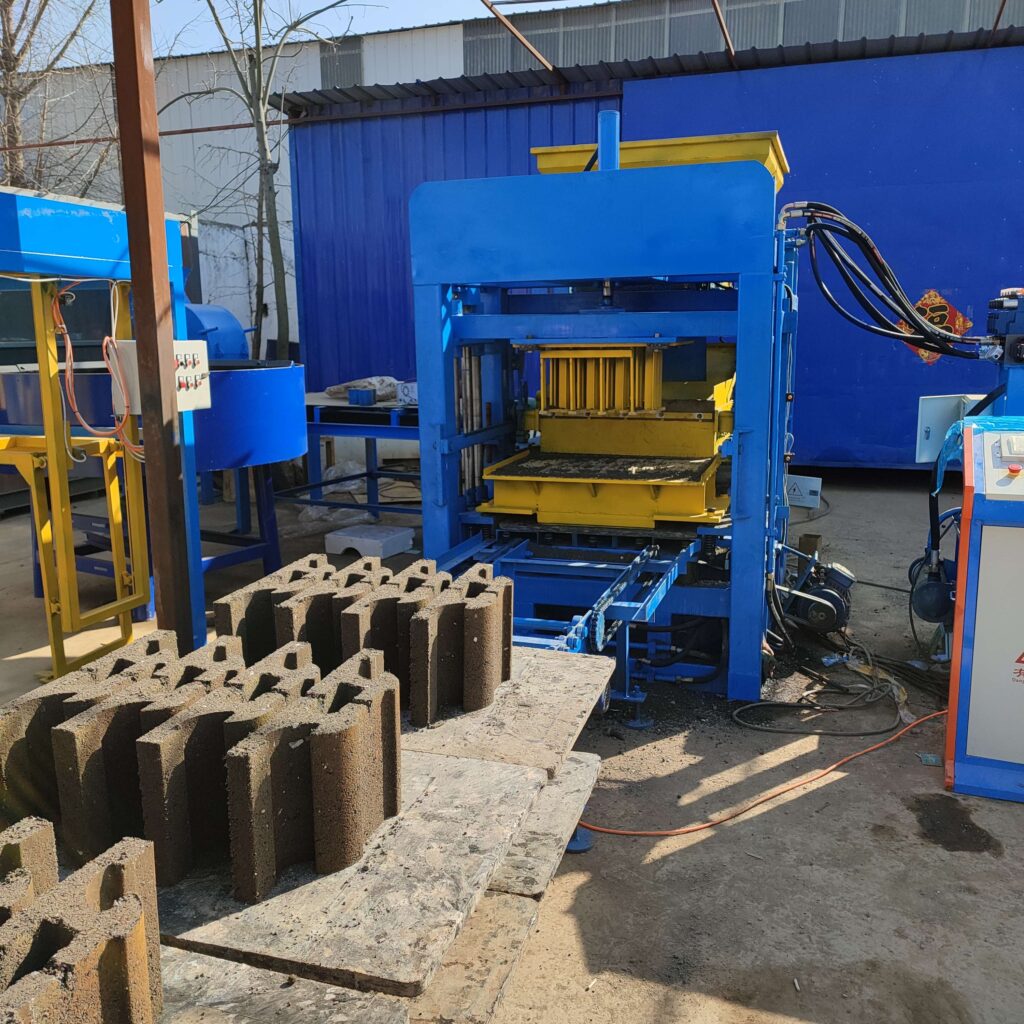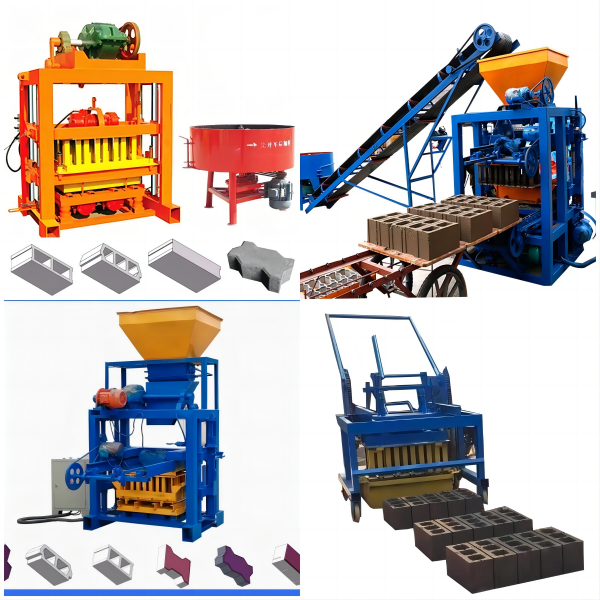
Pagsusuri sa Pamilihan at Mga Pagsasaalang-alang sa Pagbuo ng Istratehiya sa Pagkuha
Pag-unawa sa Ekoistema ng Pagmamanupaktura at ang Ebolusyon Nito
Ang sektor ng pagmamanupaktura ng block machinery sa loob ng pandaigdigang sentro na ito ay sumailalim sa malaking pagbabago sa nakalipas na dekada. Ang merkado ay may iba't ibang antas, binubuo ng libu-libong tagagawa mula sa maliliit na pagawaan na gumagawa ng murang, pangunahing modelo hanggang sa mga sopistikadong industriyal na negosyo na gumagamit ng mga advanced, awtomatikong linya ng produksyon. Ang huling pangkat ay lalong tumutok sa pag-angat sa value chain, malakas ang pamumuhunan sa R&D, teknolohiya ng precision manufacturing, at pagsunod sa mga pamantayang pangkalidad at kaligtasan na internasyonal. Ang ebolusyong ito ay nangangahulugang maaaring mag-angkas ng mga mamimili ng lahat mula sa murang manual na makina para sa mga umuunlad na merkado hanggang sa ganap na integradong, computer-controlled na mga planta ng produksyon na may kakayahang makipagkumpitensya sa pinakamahusay na teknolohiyang Kanluranin. Ang pag-unawa sa stratipikasyong ito ang unang mahalagang hakbang; ang iyong target na antas ng supplier ay matutukoy ng mga inaasahang kalidad ng iyong end-market, mga pangangailangan sa teknikal na suporta, at limitasyon sa badyet. Ang merkado ay hindi iisa, at ang isang paraan na akma sa lahat ay tiyak na magdudulot ng kabiguan.
Pagkilala at Pagsusuri sa mga Potensyal na Kasosyo sa Pagmamanupaktura
Ang unang yugto ng pagkilala sa mga supplier ay nangangailangan ng maraming paraan upang maihiwalay ang mga mapagkakatiwalaang kasosyo mula sa napakaraming opsyon.
- Digital at Palabas sa Kalakalan na Pagmamanman:Magsimula sa masusing pagsusuri online, ngunit lumampas sa mga pangunahing listahan sa direktoryo. Suriing mabuti ang mga website ng mga supplier para sa teknikal na lalim, ebidensya ng kakayahang pang-inhinyero (tulad ng mga 3D animation ng pagpapatakbo ng makina, detalyadong mga CAD drawing), at mga patotoo ng kliyente. Bago ang pandemya, ang mga pangunahing internasyonal na trade fair ang gintong pamantayan sa pagsusuri ng mga supplier; pagkatapos ng pandemya, marami ang nag-aalok ng detalyadong virtual na pagbisita sa pabrika at mga online na teknikal na seminar, na maaaring maging mahalagang pamalit para sa paunang pagsusuri.
- Ang Mahalagang Proseso ng Factory Audit:Ang isang malayuan o personal na pag-audit sa pabrika ay hindi maaaring pagtalunan. Ang pagsusuring ito ay dapat nakatuon sa ilang mahahalagang aspeto: ang kalagayan at antas ng teknolohiya ng mga kagamitan sa produksyon (halimbawa, ang laganap na paggamit ng CNC machinery), ang organisasyon ng assembly floor, ang proseso ng pagkontrol ng kalidad (tingnan ang mga naka-kalibrang instrumento sa pagsukat at dokumentadong inspection sheets), at ang bodega ng mga piyesa. Ang magulong workshop o kawalan ng sistematikong pagsusuri sa kalidad ay mga malaking babala.
- Pagsusuri sa Pananalapi at Legal na Pagsusuri:Ang pagpapatunay sa lisensya ng negosyo ng tagapagtustos, mga kredensyal sa pag-export, at katatagan sa pananalapi ay mahalaga. Madalas itong magagawa sa pamamagitan ng mga serbisyo ng pagpapatunay ng third-party. Ang isang kasosyo na hindi matatag sa pananalapi ay maaaring hindi makapagbigay ng garantiya o pangmatagalang suporta, na nagpapawalang-saysay sa anumang pansamantalang pagtitipid sa gastos.
Ang Protokol sa Pagpapatupad ng Pagkuha at Pagtiyak ng Kalidad
Pagtatalakay sa Teknikal at Pagsasaayos ng mga Detalye
Ang teknikal na talakayan ay kung saan inilalatag ang pundasyon para sa isang matagumpay na pagbili. Dapat itong maging tiyak, malinaw, at komprehensibo.
- Pagbuo ng Detalyadong Teknikal na Datos na Papel: This document should become an annex to your purchase contract. It must specify every critical parameter, including: machine dimensions and weight; installed power; production capacity (in blocks per hour for specific block types); cycle time; hydraulic working pressure; noise level limits; and the brand and model of all key components (PLCs, sensors, hydraulic pumps, motors). Vague promises of “high quality” must be replaced with measurable, verifiable specifications.
- The Component Sourcing Strategy: Discuss the “bill of materials” openly. While a machine built entirely with European or Japanese components may carry a premium, it often ensures reliability and easier parts sourcing. A hybrid approach, using imported critical components (like PLCs and hydraulic valves) with domestically sourced structural parts, can offer an excellent balance of cost and reliability. Ensure you receive a finalized list of all major components and their origins.
- Customization and Compliance Requirements: Clearly articulate any necessary customizations for your local market, such as voltage and frequency (50Hz/60Hz), safety standards (CE certification is a minimum for many regions), and specific pallet sizes or mold configurations. The supplier must provide documented proof of compliance with the standards you require.
Navigating the Commercial and Logistics Landscape
The financial and shipping arrangements are as critical as the technical specifications.
- Payment Term Structuring: Standard terms often involve a deposit (30-50%), with the balance paid before shipment or against a copy of the shipping documents. For larger orders, a Letter of Credit (LC) provides security for both parties. Negotiate these terms carefully, balancing your cash flow needs with the supplier’s requirement for financial security. Be wary of suppliers demanding full payment upfront.
- Incoterms and Logistics Management: The chosen Incoterm (e.g., FOB, CIF, EXW) defines risk and cost responsibility. FOB (Free On Board) is common, where the buyer assumes responsibility once the goods are loaded on the ship. For CIF (Cost, Insurance, and Freight), the supplier arranges and pays for shipping and insurance. Understand the full landed cost, which includes the machine price, shipping, insurance, import duties, and port handling fees in your country. Engage a reliable freight forwarder to manage the complex logistics chain.
- Pre-Shipment Inspection and Performance Testing: Never waive your right to a pre-shipment inspection. Either send your own qualified engineer or hire a third-party inspection company to witness the machine’s final assembly and test run. This inspection should verify that the machine is built to the agreed specifications, all components are present and correctly installed, and it operates as intended, producing sample blocks that meet quality benchmarks.
Post-Procurement Strategy and Long-Term Partnership Management
Commissioning, Training, and After-Sales Support Framework
The relationship with the supplier intensifies after the machine leaves the factory.
- Commissioning and Installation Planning: Clarify whether the supplier’s price includes commissioning (supervision of installation and start-up) by a factory engineer. Even if it is an extra cost, it is a highly recommended investment. A proper commissioning ensures the machine is set up correctly from the start, preventing early-life failures and optimizing performance.
- Comprehensive Technical Training: Insist on detailed training for your technical team. This should cover operation, routine maintenance, advanced troubleshooting, and an overview of the electrical and hydraulic systems. The supplier should provide exhaustive documentation, including parts manuals with exploded-view diagrams, electrical schematics, and hydraulic circuit diagrams in English.
- Establishing a Spare Parts Supply Chain: Develop a strategic spare parts plan with the supplier. Identify high-wear items and establish a min-max inventory for your warehouse. Negotiate favorable pricing for a starter kit of spares. The supplier’s responsiveness in supplying spare parts is a critical metric for evaluating them as a long-term partner. Inquire about their parts inventory management and typical shipping times for emergency orders.
Building a Collaborative Long-Term Relationship
The goal is to evolve the transaction into a strategic alliance.
- Feedback Loop for Product Improvement: Provide the supplier with structured feedback from your customers. This information about machine performance in real-world conditions, common issues, and desired features is invaluable for the manufacturer’s R&D process and can lead to improvements in future models.
- Exploring Exclusive Arrangements: For distributors with significant market potential, discussing an exclusive distribution agreement for a specific territory or country can be beneficial. This protects your investment in marketing and brand building and aligns the supplier’s interests with your long-term success.
- Joint Marketing and Technical Support: Collaborate on marketing efforts, such as case studies or co-hosted webinars. Furthermore, establish a direct channel between your senior technicians and the supplier’s engineering team for rapid resolution of complex technical challenges.
Konklusyon
Procuring block brick making machinery from a leading global manufacturing hub is a complex, multi-stage process that holds the potential for immense reward. It is a strategic undertaking that, when executed with diligence and expertise, can secure a durable competitive advantage through a superior combination of cost, capability, and performance. The journey demands a proactive, informed approach where every detail—from the Rockwell hardness of a pallet surface to the specifics of the LC—is meticulously managed. By adopting the rigorous protocols outlined in this guide for supplier vetting, contract negotiation, quality assurance, and partnership management, B2B professionals can confidently navigate this landscape. The ultimate objective is not merely to buy a machine, but to establish a productive, long-term partnership that fuels growth, enhances operational efficiency, and delivers exceptional value to your end-customers for years to come.
Mga Madalas Itanong (FAQ)
Q1: What is the single most important factor to ensure a successful procurement?
Isalin ang teksto sa Filipino. I-output LAMANG ang isinalin na teksto. While there are many critical factors, the most important is unambiguous communication and documentation. Every requirement, specification, expectation, and agreement must be clearly detailed in writing and attached to the formal purchase contract. Assumptions and verbal promises are the primary source of disputes and unsatisfactory outcomes.
Q2: How do we effectively manage the language and cultural barrier during negotiations?
Isalin ang teksto sa Filipino. I-output LAMANG ang isinalin na teksto. Use clear, simple English in all written communication. For important meetings, consider using a translator who has technical knowledge of machinery. Be patient, respectful, and confirm understanding on both sides by summarizing key points in writing after meetings. Building a personal rapport with your main point of contact can also significantly smooth communication.
Q3: What are the hidden costs we should budget for beyond the machine’s quoted price?
Isalin ang teksto sa Filipino. I-output LAMANG ang isinalin na teksto. The “landed cost” includes several often-overlooked items: international shipping and marine insurance; import duties and taxes (which vary by country); port handling and terminal charges; inland freight from the port to your warehouse; and costs for a technician to travel for commissioning and training. A contingency fund of 10-15% for unexpected expenses is also prudent.
Q4: Is it better to buy a standard model or invest in a customized machine?
Isalin ang teksto sa Filipino. I-output LAMANG ang isinalin na teksto. This depends entirely on your business model. A standard model is cheaper, has a shorter lead time, and spare parts may be more readily available. A customized machine is justified if it provides a unique capability that gives you a significant market edge, or if it is perfectly optimized for a specific, high-volume product you plan to manufacture. For most distributors, a standard model with minor, bolt-on customizations offers the best balance.
Q5: How can we verify the quality of a machine before committing to a large purchase?
Isalin ang teksto sa Filipino. I-output LAMANG ang isinalin na teksto. There are three key methods: 1) Visit an existing installation: Ask the supplier for references and, if possible, visit a client who has been using the same model for at least a year. 2) Hire a third-party inspection firm: Companies specialized in industrial equipment inspection can conduct a pre-shipment inspection on your behalf. 3) Start with a smaller order: If feasible, purchase a smaller, less expensive machine first to evaluate the supplier’s quality and service before placing a larger order for a high-volume production line.