시장 분석 및 전략적 조달 고려사항
제조 생태계와 그 진화에 대한 이해
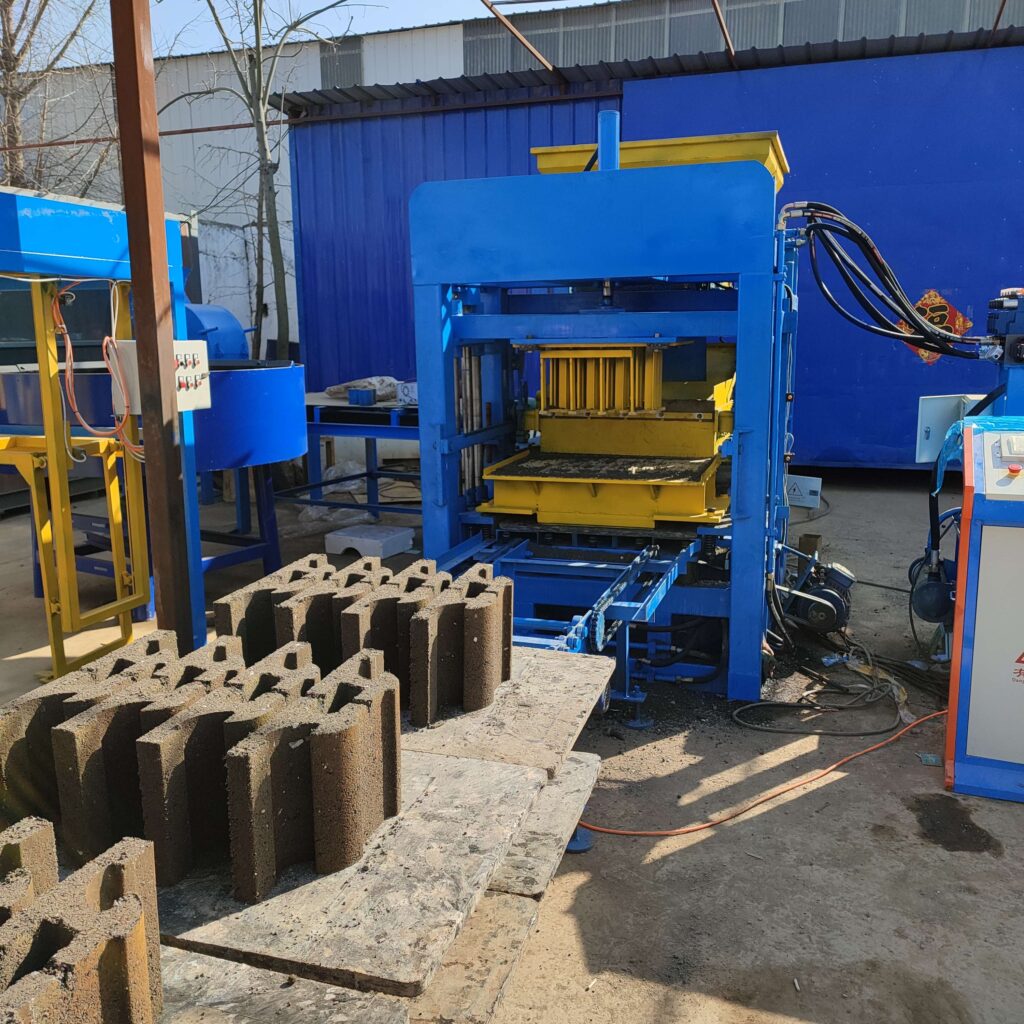
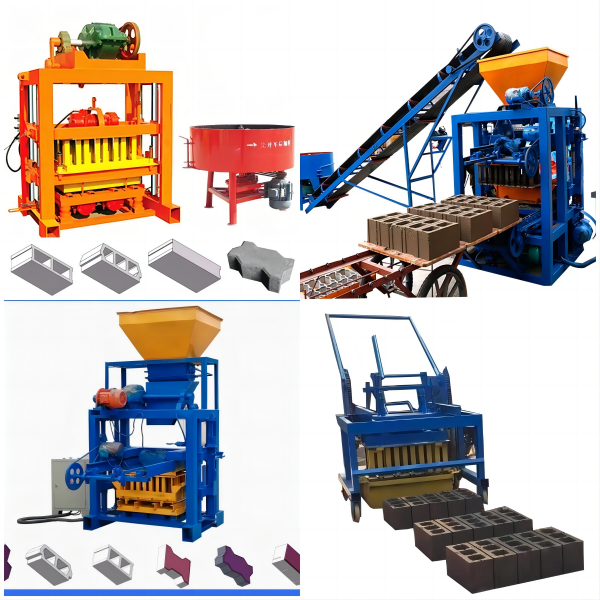
이 글로벌 허브 내 블록 기계 제조 부문은 지난 10년 동안 상당한 변혁을 겪었습니다. 시장은 계층화되어 있으며, 저렴한 기본 모델을 생산하는 소규모 작업장부터 첨단 자동화 생산 라인을 운영하는 정교한 산업 기업에 이르기까지 수천 개의 제조업체로 구성됩니다. 후자 그룹은 가치 사슬 상향 이동에 집중하며, 연구 개발, 정밀 제조 기술, 국제 품질 및 안전 기준 준수에 막대한 투자를 해왔습니다. 이러한 진화는 구매자가 개발도상국 시장용 저렴한 수동 기계부터 최고의 서구 기술과 경쟁할 수 있는 완전 통합 컴퓨터 제어 생산 공장까지 모든 것을 조달할 수 있음을 의미합니다. 이러한 계층화를 이해하는 것이 첫 번째 중요한 단계입니다. 귀하의 목표 공급업체 계층은 최종 시장의 품질 기대치, 기술 지원 요구 사항 및 예산 제약에 따라 결정될 것입니다. 시장은 단일체가 아니며, 일률적인 접근 방식은 실패로 이어질 수 있습니다.
잠재적 제조 파트너 식별 및 심사
초기 공급업체 선정 단계에서는 신뢰할 수 있는 파트너를 다수의 옵션 중에서 가려내기 위해 다각적인 접근법이 필요합니다.
- 디지털 및 무역 박람회 정찰철저한 온라인 분석으로 시작하되, 기본적인 디렉토리 목록을 넘어서야 합니다. 공급업체 웹사이트를 기술적 깊이, 엔지니어링 역량 증거(예: 기계 작동 3D 애니메이션, 상세한 CAD 도면), 고객 평가 등을 면밀히 검토하세요. 팬데믹 이전에는 주요 국제 무역 박람회가 공급업체 검증의 표준이었으나, 팬데믹 이후 많은 업체에서 상세한 가상 공장 투어와 온라인 기술 세미나를 제공하며, 이는 초기 평가에 유용한 대안이 될 수 있습니다.
- 중요 공장 감사 프로세스:원격 또는 현장 공장 감사는 필수 조건입니다. 이러한 실사는 여러 핵심 영역에 중점을 두어야 합니다: 생산 장비의 상태와 기술 수준(예: CNC 기계의 보급률), 조립 현장의 구성, 품질 관리 과정(교정된 측정 기기와 문서화된 검사 기록지 확인), 그리고 예비 부품 창고 등입니다. 정리되지 않은 작업장이나 체계적인 품질 검사가 부족한 것은 큰 위험 신호입니다.
- 재무 및 법률 실사:공급업체의 사업자 등록증, 수출 자격, 재정 안정성을 확인하는 것이 필수적입니다. 이는 종종 제3자 검증 서비스를 통해 이루어질 수 있습니다. 재정적으로 불안정한 파트너는 보증을 이행하거나 장기적인 지원을 제공하지 못할 수 있어, 단기적인 비용 절감이 무의미해질 수 있습니다.
조달 실행 및 품질 보증 프로토콜
기술 협상 및 사양 확정
기술 논의는 성공적인 구매의 기반이 마련되는 단계입니다. 이는 정확하고, 모호함이 없으며, 포괄적이어야 합니다.
- 상세 기술 데이터 시트 개발하기이 문서는 귀하의 구매 계약서에 첨부되어야 합니다. 여기에는 모든 중요한 매개변수가 명시되어야 합니다: 기계의 치수와 무게; 설치된 동력; 생산 능력(특정 블록 종류별 시간당 생산량); 사이클 시간; 유압 작업 압력; 소음 수준 한도; 그리고 모든 주요 구성 요소(PLC, 센서, 유압 펌프, 모터)의 브랜드와 모델. "고품질"이라는 모호한 약속은 측정 가능하고 검증 가능한 사양으로 대체되어야 합니다.
- 부품 조달 전략:"자재 명세서"에 대해 공개적으로 논의하십시오. 유럽이나 일본산 부품으로만 구성된 기계는 프리미엄이 붙을 수 있지만, 신뢰성과 부품 조달 용이성을 보장하는 경우가 많습니다. PLC 및 유압 밸브와 같은 핵심 부품은 수입하고 구조 부품은 국내에서 조달하는 하이브리드 방식은 비용과 신뢰성의 탁월한 균형을 제공할 수 있습니다. 모든 주요 부품과 그 원산지에 대한 최종 목록을 반드시 받으십시오.
- 맞춤화 및 규정 준수 요구사항:현지 시장에 필요한 맞춤 설정을 명확히 설명해야 합니다. 예를 들어 전압 및 주파수(50Hz/60Hz), 안전 기준(많은 지역에서 CE 인증은 최소 요구사항임), 특정 팔레트 크기나 몰드 구성 등이 포함됩니다. 공급업체는 귀하가 요구하는 기준에 대한 문서화된 준수 증명을 반드시 제공해야 합니다.
상업 및 물류 환경 탐색하기
재무 및 선적 계획은 기술 사양만큼 중요합니다.
- Payment Term Structuring: Standard terms often involve a deposit (30-50%), with the balance paid before shipment or against a copy of the shipping documents. For larger orders, a Letter of Credit (LC) provides security for both parties. Negotiate these terms carefully, balancing your cash flow needs with the supplier’s requirement for financial security. Be wary of suppliers demanding full payment upfront.
- Incoterms and Logistics Management: The chosen Incoterm (e.g., FOB, CIF, EXW) defines risk and cost responsibility. FOB (Free On Board) is common, where the buyer assumes responsibility once the goods are loaded on the ship. For CIF (Cost, Insurance, and Freight), the supplier arranges and pays for shipping and insurance. Understand the full landed cost, which includes the machine price, shipping, insurance, import duties, and port handling fees in your country. Engage a reliable freight forwarder to manage the complex logistics chain.
- Pre-Shipment Inspection and Performance Testing: Never waive your right to a pre-shipment inspection. Either send your own qualified engineer or hire a third-party inspection company to witness the machine’s final assembly and test run. This inspection should verify that the machine is built to the agreed specifications, all components are present and correctly installed, and it operates as intended, producing sample blocks that meet quality benchmarks.
Post-Procurement Strategy and Long-Term Partnership Management
Commissioning, Training, and After-Sales Support Framework
The relationship with the supplier intensifies after the machine leaves the factory.
- Commissioning and Installation Planning: Clarify whether the supplier’s price includes commissioning (supervision of installation and start-up) by a factory engineer. Even if it is an extra cost, it is a highly recommended investment. A proper commissioning ensures the machine is set up correctly from the start, preventing early-life failures and optimizing performance.
- Comprehensive Technical Training: Insist on detailed training for your technical team. This should cover operation, routine maintenance, advanced troubleshooting, and an overview of the electrical and hydraulic systems. The supplier should provide exhaustive documentation, including parts manuals with exploded-view diagrams, electrical schematics, and hydraulic circuit diagrams in English.
- Establishing a Spare Parts Supply Chain: Develop a strategic spare parts plan with the supplier. Identify high-wear items and establish a min-max inventory for your warehouse. Negotiate favorable pricing for a starter kit of spares. The supplier’s responsiveness in supplying spare parts is a critical metric for evaluating them as a long-term partner. Inquire about their parts inventory management and typical shipping times for emergency orders.
Building a Collaborative Long-Term Relationship
The goal is to evolve the transaction into a strategic alliance.
- Feedback Loop for Product Improvement: Provide the supplier with structured feedback from your customers. This information about machine performance in real-world conditions, common issues, and desired features is invaluable for the manufacturer’s R&D process and can lead to improvements in future models.
- Exploring Exclusive Arrangements: For distributors with significant market potential, discussing an exclusive distribution agreement for a specific territory or country can be beneficial. This protects your investment in marketing and brand building and aligns the supplier’s interests with your long-term success.
- Joint Marketing and Technical Support: Collaborate on marketing efforts, such as case studies or co-hosted webinars. Furthermore, establish a direct channel between your senior technicians and the supplier’s engineering team for rapid resolution of complex technical challenges.
결론
Procuring block brick making machinery from a leading global manufacturing hub is a complex, multi-stage process that holds the potential for immense reward. It is a strategic undertaking that, when executed with diligence and expertise, can secure a durable competitive advantage through a superior combination of cost, capability, and performance. The journey demands a proactive, informed approach where every detail—from the Rockwell hardness of a pallet surface to the specifics of the LC—is meticulously managed. By adopting the rigorous protocols outlined in this guide for supplier vetting, contract negotiation, quality assurance, and partnership management, B2B professionals can confidently navigate this landscape. The ultimate objective is not merely to buy a machine, but to establish a productive, long-term partnership that fuels growth, enhances operational efficiency, and delivers exceptional value to your end-customers for years to come.
자주 묻는 질문 (FAQ)
Q1: What is the single most important factor to ensure a successful procurement?
A: While there are many critical factors, the most important is unambiguous communication and documentation. Every requirement, specification, expectation, and agreement must be clearly detailed in writing and attached to the formal purchase contract. Assumptions and verbal promises are the primary source of disputes and unsatisfactory outcomes.
Q2: How do we effectively manage the language and cultural barrier during negotiations?
A: Use clear, simple English in all written communication. For important meetings, consider using a translator who has technical knowledge of machinery. Be patient, respectful, and confirm understanding on both sides by summarizing key points in writing after meetings. Building a personal rapport with your main point of contact can also significantly smooth communication.
Q3: What are the hidden costs we should budget for beyond the machine’s quoted price?
A: The “landed cost” includes several often-overlooked items: international shipping and marine insurance; import duties and taxes (which vary by country); port handling and terminal charges; inland freight from the port to your warehouse; and costs for a technician to travel for commissioning and training. A contingency fund of 10-15% for unexpected expenses is also prudent.
Q4: Is it better to buy a standard model or invest in a customized machine?
A: This depends entirely on your business model. A standard model is cheaper, has a shorter lead time, and spare parts may be more readily available. A customized machine is justified if it provides a unique capability that gives you a significant market edge, or if it is perfectly optimized for a specific, high-volume product you plan to manufacture. For most distributors, a standard model with minor, bolt-on customizations offers the best balance.
Q5: How can we verify the quality of a machine before committing to a large purchase?
A: There are three key methods: 1) Visit an existing installation: Ask the supplier for references and, if possible, visit a client who has been using the same model for at least a year. 2) Hire a third-party inspection firm: Companies specialized in industrial equipment inspection can conduct a pre-shipment inspection on your behalf. 3) Start with a smaller order: If feasible, purchase a smaller, less expensive machine first to evaluate the supplier’s quality and service before placing a larger order for a high-volume production line.