
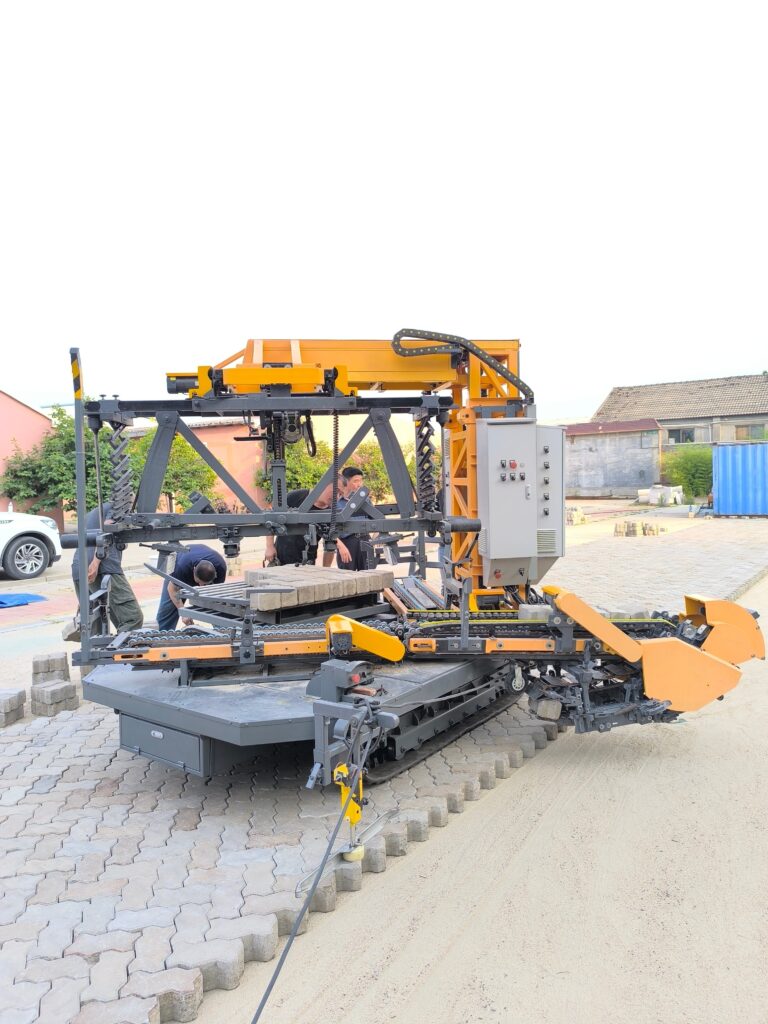
الإطار التشغيلي لآلات طباعة الطوب
آلات طباعة الطوب هي أنظمة متكاملة مصممة لأتمتة ترسيب الخرسانة أو الملاط بدقة لتشكيل عناصر البناء طبقة تلو الأخرى. على عكس الطرق التقليدية، تتم هذه العملية بالتحكم الرقمي، مما يوفر دقة ومرونة لا مثيل لهما.
1. هندسة النظام الأساسي
يُبنى الجهاز على تكامل تآزري لعدة أنظمات فرعية متطورة تعمل بتناغم لتحويل التصميم الرقمي إلى هيكل مادي.
- 3.1. وحدة التحكم المركزية وواجهة البرمجيات
في صميم كل نظام طباعة توجد وحدة تحكم رقمي حاسوبي (CNC) قوية تُدار بواسطة برمجيات متخصصة. تعمل هذه البرمجيات كمركز قيادة، حيث يتم استيراد النماذج الرقمية (عادةً بصيغة STL أو G-code)، وتغيير حجمها، وتقسيمها إلى طبقات أفقية رقيقة. ثم تُولِّد البرمجيات مسارات الأدوات والتعليمات الدقيقة لحركة الطابعة، ومعدل تدفق المادة، وسرعة الفوهة، مما يضمن أن يتطابق الناتج المادي تماماً مع المخطط الرقمي. - 3.2. نظام مناولة وخلط المواد
تعد إمدادات المواد الثابتة والموثوقة أمرًا بالغ الأهمية. يتكون هذا النظام من صومعة عالية السعة لتخزين الخليط الجاف (مزيج متخصص من الأسمنت والركام والإضافات) ووحدة خلط متكاملة. يتم نقل المادة الجافة تلقائيًا إلى الخلاط، حيث يتم إدخال الماء والإضافات السائلة الأخرى لإنشاء عجينة متجانسة وقابلة للضخ. غالبًا ما تُستخدم الخلاطات المستمرة لضمان تدفق غير منقطع للمادة، وهو أمر حاسم للطباعة واسعة النطاق دون انقطاع. - 3.3. نظام تحديد المواقع الآلي
يتم تركيز رأس الطباعة على نظام تموضع قوي يحدد نطاق عمل الآلة. تهيمن على السوق تكوينان رئيسيان:- أنظمة الجانترى:تتميز هذه الأنظمة بإطار صلب يحرك رأس الطباعة على طول محاور X و Y و Z فوق منصة طباعة ثابتة. وتشتهر أنظمة الجسر المتحرك بثباتها وقدرتها على إنتاج هياكل كبيرة وثقيلة بدقة عالية.
- أنظمة الذراع الآلية:تقدم ذراع روبوتية صناعية متعددة المحاور مرونة أكبر ونطاق عمل أوسع مقارنة بمساحتها. يمكنها إنشاء أشكال هندسية أكثر تعقيداً وغير مستوية، وغالباً ما تُستخدم في التفاصيل المعمارية المعقدة.
2. عملية الطباعة: من الملف الرقمي إلى الكتلة المادية
عملية الطباعة الفعلية هي سلسلة تصنيع إضافية دقيقة تُنفَّذ طبقةً تلو الأخرى.
- الفرع 3.1: تجهيز الركيزة والمعايرة
قبل بدء الطباعة، يجب تسوية منصة البناء أو سطح الطباعة بشكل مثالي. غالبًا ما ينفذ نظام الطباعة روتين معايرة تلقائي لضمان التصاق الطبقة الأولى بشكل صحيح. قد يتم تطبيق مادة تحرير على السطح لتسهيل عملية إزالة المنتج النهائي بسهولة. - 3.2. تقنية البثق والفوهة
يُضخ الخليط المُجهّز من الخلاط عبر خراطيم عالية الضغط إلى رأس الطباعة. ويكون رأس الطباعة مزودًا بفوهة بثق يمكن غالبًا تغيير قطرها لتحقيق درجات دقة طباعة وعرض خرزات مختلفة. يتحكم محرك سيرفو دقيق أو مضخة طرد في معدّل البثق، مما يضمن تزامنه التام مع حركة رأس الطباعة لترسيب خرزة مستمرة ومتجانسة من المادة. - ٣.٣ التصنيع والمعالجة طبقة تلو طبقة
تقوم الطابعة بترسيب الطبقة الأولى وفقًا لمسار الأداة، ثم تُبنى الطبقات اللاحقة فوق الطبقات السابقة. تم تصميم الخليط المادي المحدد ليمتلك خصائص انسيابية ريكولوجية، حيث يتدفق بسهولة تحت الضغط أثناء البثق، لكنه يتماسك فورًا بعد ذلك لدعم وزن الطبقات العلوية. يُعد هذا الترابط بين الطبقات أمرًا حاسمًا لسلامة الهيكل النهائي للكتلة أو الطوبة.
٣. الميزات التقنية الأساسية والابتكارات
تتميز طابعات الطوب البلوك الحديثة بعدة ميزات متقدمة تميزها عن معدات التصنيع التقليدية.
- 3.1. المراقبة في الوقت الفعلي والتحكم في الحلقة المغلقة
تم تجهيز الأنظمة عالية الجودة بمجموعة واسعة من أجهزة الاستشعار التي تراقب ضغط المواد، ومعدل التدفق، وموضع رأس الطباعة، والظروف البيئية. يتم إرسال هذه البيانات إلى نظام التحكم المركزي في دورة مغلقة، مما يسمح بإجراء تعديلات فورية. إذا تم اكتشاف أي انحراف، يمكن للنظام تعويضه تلقائيًا، مما يضمن الجودة الثابتة طوال عملية الطباعة. - 3.2. قدرات الطباعة متعددة المواد والألوان
تم تصميم بعض الطابعات المتقدمة بأنظمة توصيل متعددة للمواد، مما يتيح الطباعة المتزامنة لخلطات خرسانية مختلفة أو دمج صبغات الألوان في طبقات أو أقسام محددة من التصميم. تفتح هذه القدرة أسواقًا جديدة في الواجهات المعمارية والعناصر الزخرفية المخصصة. - 3.3. أنظمة المعالجة المتكاملة
لتسريع الشك الابتدائي وتحقيق القوة المبكرة، تُجهز بعض خلايا الطباعة بأنظمة معالجة مدمجة. قد تشمل هذه الأنظمة فوهات رذاذ ترش مركب معالجة ناعم، أو غرف بيئية مضبوطة تحافظ على درجة الحرارة والرطوبة المثلى، مما يقلل الوقت بين الطباعة والمناولة.
الآثار التجارية الاستراتيجية للموزعين ووكلاء المشتريات
Adopting or sourcing from block brick printing technology presents a paradigm shift with distinct competitive advantages for your business.
- Unprecedented Design Freedom and Customization: This is the most significant value proposition. You can offer clients fully customized bricks, blocks, and architectural elements with complex geometries, internal channels, and bespoke textures that are impossible or prohibitively expensive to produce with traditional molds. This allows you to move beyond commodity products into high-margin, specialized markets.
- Radical Reduction in Lead Times and On-Demand Production: The digital workflow eliminates the need for expensive and time-consuming mold fabrication. A design can be sent to the printer and produced within hours. This enables a just-in-time manufacturing model, reducing inventory costs and allowing you to respond with agility to client requests and urgent project timelines.
- Minimized Material Waste and Sustainable Operations: Additive manufacturing is inherently a low-waste process. Material is deposited only where needed, drastically reducing scrap compared to subtractive methods. This aligns with the growing global demand for sustainable construction practices and can be a powerful marketing tool.
- Labor Optimization and Reduced Skill Dependency: The printing process is highly automated, requiring minimal human intervention for operation. This reduces dependency on highly skilled laborers for complex forming tasks and mitigates risks associated with labor shortages, while also enhancing overall site safety.
- Supply Chain Consolidation and Localized Production: The compact nature of some printing systems allows for the establishment of small-scale, localized production facilities. This can drastically reduce transportation costs and logistics complexity, enabling you to serve regional markets more efficiently and resiliently.
خاتمة
Block brick printing machinery is not merely an incremental improvement; it is a disruptive force redefining the very nature of masonry unit manufacturing. For forward-thinking distributors and procurement agents, this technology represents a gateway to new business models, elevated product offerings, and a strengthened competitive stance. The ability to provide customized, high-quality, and sustainably produced building components on demand aligns perfectly with the future trajectory of the construction industry. By developing a deep expertise in this field and strategically incorporating printed products into your portfolio, you position your organization not just as a supplier, but as an innovative partner in construction, ready to meet the challenges and opportunities of the 21st century.
الأسئلة الشائعة (FAQ)
Q1: What types of materials can be used with these printing machines?
أ: The primary material is a specialized cement-based mix, often referred to as a “printable mortar” or “concrete ink.” These mixes are engineered with specific additives to control setting time, workability, and green strength. Research is ongoing into incorporating recycled materials and geopolymers to enhance sustainability.
Q2: What is the typical build volume or maximum product size achievable?
أ: Build volumes vary significantly by machine model. Gantry systems can have print envelopes exceeding 10 meters in length and 5 meters in width and height, capable of producing large walls or multiple blocks simultaneously. Robotic arms may have a smaller footprint but a larger spherical work envelope, ideal for complex, free-form structures.
Q3: How does the structural strength of a printed block compare to a traditionally molded one?
أ: When using properly formulated materials, printed blocks can achieve compressive strengths comparable to or even exceeding those of traditional high-grade concrete blocks. The layer-by-layer process can create anisotropic strength properties, but this is accounted for in the structural design and mix formulation.
Q4: What is the learning curve for operating this type of machinery?
أ: Operating the machine itself is designed to be user-friendly, with intuitive software interfaces. However, the core expertise lies in mastering the digital design (CAD) for printability and understanding the material science behind the mixes. Comprehensive training from the equipment provider is essential, and many operators become proficient within a few weeks.
Q5: Can these machines print entire buildings, or are they just for components?
أ: The technology exists on a spectrum. The machinery described here is primarily for manufacturing individual blocks, bricks, and prefabricated panels. Separate, larger-scale “contour crafting” systems are designed to print entire building shells on-site. The block printing approach offers more control and is better suited for integration into standard supply chains.
Q6: What are the primary operational costs associated with running this equipment?
أ: The key operational costs include:
- المواد الخام: The cost of the specialized printable mix.
- استهلاك الطاقة Significant electricity usage from the robotic system, mixer, and pump.
- الصيانة: Regular servicing of the pump, hoses, nozzle, and robotic positioning system.
- Software Licenses: Ongoing subscriptions for the proprietary printing software.
- العمل Skilled technicians for machine operation and monitoring.
