أنظمة معالجة المواد الخام والخلط
يبدأ أساس أي خط إنتاج ناجح بأنظمة متطورة لإدارة المواد الخام مصممة لضمان جودة مدخلات ثابتة وإمداد آلي. تشتمل المنشآت الحديثة على صوامع تخزين متعددة للمواد الأسمنتية بسعات تتراوح من 50 إلى 200 طن، مزودة بمراقبة متكاملة للمستوى وتشغيل آلي لإعادة الملء. تتضمن أنظمة معالجة الركام عادةً قادوس استقبال، وشبكات ناقلات، ومعدات غربلة تزيل تلقائياً الجسيمات كبيرة الحجم والشوائب. تستخدم عملية الخلط قادوس وزن دقيق بدقة تصل إلى ±0.5% من الأوزان المستهدفة، يتم التحكم فيها بواسطة أنظمة خلط محوسبة تضبط تلقائياً محتوى الرطوبة واختلافات كثافة المواد. تشمل الخطوط المتقدمة تتبع المواد في الوقت الفعلي الذي يحافظ على مستويات المخزون المثلى ويولد تلقائياً أوامر الشراء عند الوصول إلى الحدود المحددة مسبقاً. هذا المستوى من الأتمتة في معالجة المواد الخام يلغي الاختلافات في الجودة من المصدر ويضمن نسب خلط ثابتة على مدار الساعة، بغض النظر عن خبرة المشغل أو مستويات انتباهه.
دمج التكنولوجيا والنقل المادي
يكمن قلب اتساق الإنتاج في تكنولوجيا الخلط التي تمزج المواد بدقة مع الحفاظ على نسب الماء إلى الأسمنت الحاسمة لتطور قوة المنتج. تستخدم خطوط الإنتاج الحديثة خلاطات ثنائية العمود بسعات تتراوح من 750 إلى 5000 لتر لكل دفعة، مزودة بشفرات وبطانات مقاومة للاهتراء تحافظ على كفاءة الخلط طوال عمرها التشغيلي. تتضمن أنظمة قياس الماء عدادات تدفق بدقة ±1%، بينما تشمل الأنظمة المتقدمة مستشعرات رطوبة تضبط إضافة الماء تلقائياً بناءً على محتوى الرطوبة في الركام. يتم التحكم بدقة في أوقات دورة الخلط من 90 إلى 180 ثانية اعتماداً على خصائص المواد، مع ضمان وحدات التحكم المنطقية القابلة للبرمجة نفس عملية الخلط لكل دفعة. عادةً ما تستخدم أنظمة النقل بالحزام مع كاشطات وأغطية لنقل المواد من الخلاط إلى ماكينة الطوب، لمنع انفصال المواد وفقدان الرطوبة. يشمل التكامل بين مراحل الخلط والتشكيل أنظمة عازلة تضمن استمرارية تشغيل الماكينة حتى أثناء صيانة الخلاط أو دورات التنظيف.
نواة الإنتاج وأنظمة الأتمتة
تقنية القولبة وميكانيكا الدك
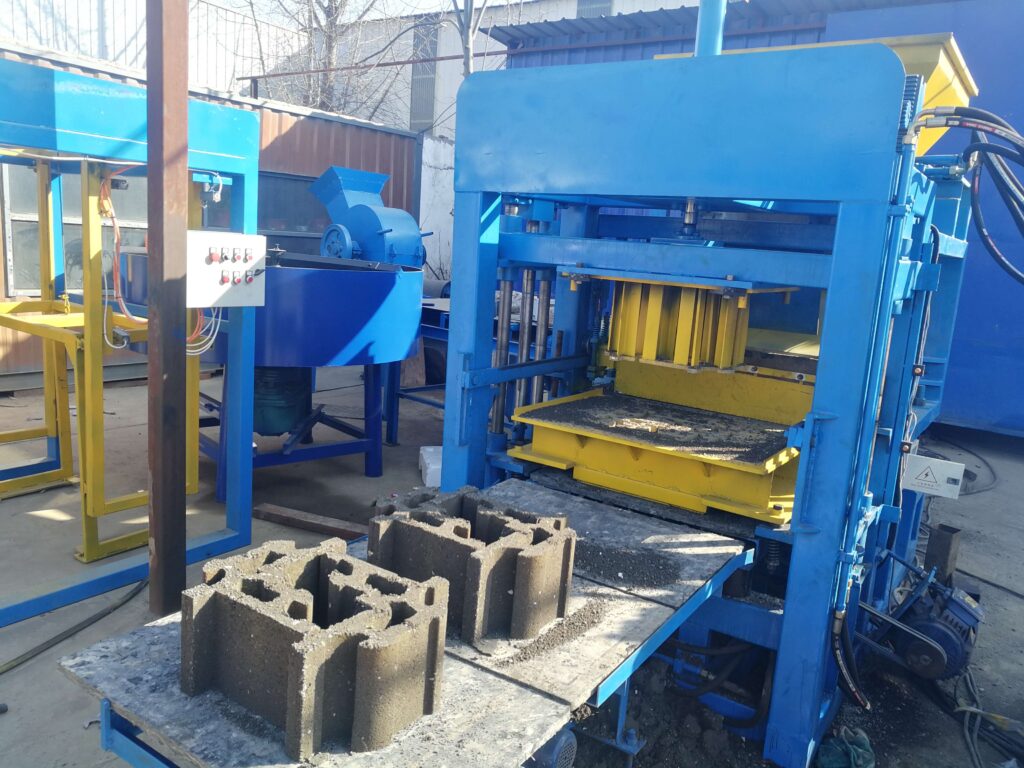
تتميز وحدة الإنتاج المركزية بآلات تصنيع الكتل عالية السعة المصممة للعمل المستمر مع الحد الأدنى من الإشراف. تستخدم هذه الأنظمة ضغطًا هيدروليكيًا يتراوح بين 140 و320 بار، مجتمعًا مع اهتزاز عالي التردد يبلغ 4000 إلى 7000 دورة في الدقيقة، لتحقيق الدك الأمثل للمادة وكثافة المنتج. وتدمج الآلات الحديثة أنظمة قوالب سريعة التغيير تقلل وقت تبديل المنتج من ساعات إلى دقائق، مما يتيح جدولة إنتاج مرنة تتوافق مع متطلبات السوق. وتقوم أنظمة تدوير الباليتات بتغذية باليتات المعالجة إلى الآلة تلقائيًا ونقل المنتجات المشكلة حديثًا إلى مناطق المعالجة دون تدخل يدوي. وتتميز الآلات المتطورة بضبط ارتفاع تلقائي يعوض عن تآكل القالب وتباين المواد، مما يضمن أبعاد منتج متسقة طوال العمر التشغيلي للمعدات. وتتراوح قدرات الإنتاج للخطوط الكاملة من 10,000 إلى 60,000 كتلة قياسية لكل وردية عمل مدتها 8 ساعات، مع تجاوز بعض الأنظمة المتخصصة 100,000 وحدة يوميًا من خلال أوقات دورة محسنة وترتيبات معالجة متوازية.
التعامل الآلي وإدارة المعالجة
تمثل مرحلة التعامل بعد التشكيل مرحلة حاسمة حيث يقلل التشغيل الآلي بشكل كبير من تلف المنتج ومتطلبات العمالة. تقوم آلات التكديس الآلية بنقل المنتجات الخضراء بعناية من منصات الإنتاج إلى أرفف المعالجة بدقة موضعية تصل إلى ±2 مم، مما يمنع تلف الحواف والتشوه. تختلف تكوينات أنظمة المعالجة من المعالجة الجوية الطبيعية إلى أنظمة الغرف المتحكم فيها بالكامل والتي تسرع تطوير القوة من خلال إدارة درجة الحرارة والرطوبة. وتدمج الخطوط المتقدمة أنظمة التخزين والاسترجاع الآلي لأرفف المعالجة، مما يحسن استخدام المساحة مع الحفاظ على جداول المعالجة الدقيقة. تحافظ غرف المعالجة ذات المناخ المتحكم فيه على درجات حرارة بين ٤٠-٧٠ درجة مئوية ورطوبة نسبية أعلى من ٩٠٪، مما يقلل وقت المعالجة من أسابيع إلى ساعات مع ضمان تطوير قوة موحدة في جميع أنحاء كومة المنتج. كما يدمج نظام استعادة الطاقة التقاط وإعادة استخدام الحرارة من مراحل العملية المختلفة، مما يقلل متطلبات طاقة المعالجة بنسبة ٣٠-٥٠٪ مقارنة بالأنظمة التقليدية.
إدارة الجودة وتحسين العمليات
أنظمة مراقبة الجودة المتكاملة
تدمج خطوط الإنتاج الحديثة مراقبة جودة شاملة في مراحل عملية متعددة، مما يضمن إخراجًا متناسقًا يستوفي أو يتجاوز المعايير ذات الصلة. تراقب أنظمة القياس بالليزر أبعاد المنتج باستمرار بدقة تصل إلى ±0.2 مم، مما يؤدي إلى تشغيل تعديل الآلة تلقائيًا عند الاقتراب من حدود التسامح. تختبر أجهزة اختبار الضغط عينات عشوائية من تدفق الإنتاج، لقياس تطور قوة التحمل وتقديم بيانات للتعديل التلقائي للخليط. تتم مراقبة تناسق اللون باستخدام مقياس الطيف الضوئي الذي يكشف الاختلافات اللونية الدقيقة قبل أن تصبح ذات أهمية تجارية. تتدفق البيانات من جميع محطات مراقبة الجودة إلى نظام تنفيذ تصنيع مركزي يرتبط معايير العملية بجودة المنتج، مما يتيح إجراء تعديلات تنبؤية وتحسينًا مستمرًا للعملية. يؤدي هذا النهج المتكامل لإدارة الجودة عادةً إلى خفض معدلات رفض المنتج إلى أقل من 0.5%، مقارنة بـ 3-8% في العمليات شبه الآلية، مع ضمان الامتثال المستمر لمواصفات العملاء والمتطلبات التنظيمية.
أدوات تحليل العمليات وتحسينها
The digital transformation of production lines enables data-driven optimization that maximizes efficiency and minimizes operating costs. Energy management systems monitor power consumption across all equipment components, identifying opportunities for load shifting and efficiency improvement. Production analytics track equipment utilization, identifying bottlenecks and optimizing production schedules to maximize throughput. Predictive maintenance systems analyze equipment vibration, temperature, and performance data to schedule maintenance before failures occur, typically increasing equipment availability by 8-15%. Advanced systems incorporate artificial intelligence algorithms that continuously analyze production data to identify optimal machine parameters for different material combinations and product types. These optimization tools typically deliver 12-25% improvements in overall equipment effectiveness while reducing energy consumption by 15-30% and maintenance costs by 20-40% compared to conventionally operated production lines.
Strategic Implementation and Operational Considerations
Project Planning and Implementation Timeline
The successful deployment of an integrated production line requires meticulous planning and phased implementation. Site preparation typically requires 3-6 months for civil works including foundation construction, utility connections, and building modifications. Equipment installation and mechanical commissioning generally span 4-8 weeks, followed by 2-4 weeks for electrical and control system integration. Process optimization and production ramp-up typically require an additional 4-6 weeks to achieve design capacity and quality standards. The complete project timeline from order placement to full production generally ranges from 8 to 14 months, depending on line complexity and site conditions. Successful implementation requires detailed project management with clearly defined milestones, regular progress reviews, and contingency planning for potential delays in equipment delivery or regulatory approvals.
Staffing Requirements and Skill Development
While automated lines significantly reduce direct labor requirements, they create demand for higher-skilled technical personnel. A typical production line operates with 4-8 personnel per shift including a line supervisor, machine operator, quality technician, and maintenance support. Technical support teams typically include mechanical and electrical technicians with specialized training in hydraulic systems, programmable controllers, and automation technology. Comprehensive training programs spanning 4-8 weeks ensure operational proficiency, covering equipment operation, routine maintenance, troubleshooting, and safety procedures. Many operations implement continuous improvement programs that engage operational staff in identifying efficiency opportunities and process enhancements, leveraging their daily exposure to equipment performance and production challenges.
خاتمة
Integrated brick and block production lines represent the current zenith of masonry manufacturing technology, delivering unparalleled levels of productivity, quality consistency, and operational efficiency. The strategic implementation of these systems transforms traditional masonry manufacturing from a labor-intensive craft to a technology-driven industrial process, creating sustainable competitive advantages through superior economics and product quality. The significant capital investment required is justified through dramatically reduced operating costs, minimal product rejection, and the ability to consistently meet the exacting requirements of modern construction projects. As construction methodologies continue to evolve toward greater precision and faster project timelines, the role of fully integrated production systems becomes increasingly vital for masonry manufacturers seeking to maintain market relevance and profitability. The ongoing digital transformation of these systems promises further improvements in efficiency, flexibility, and sustainability, ensuring their continued evolution as the manufacturing platform of choice for quality-conscious masonry producers worldwide.
الأسئلة الشائعة (FAQ)
Q1: What are the typical space requirements for a complete production line installation?
أ: Space requirements vary based on production capacity and configuration, but generally range from 2,000 to 8,000 square meters for the production facility itself. This includes areas for raw material storage (400-1,200 m²), production equipment (800-2,500 m²), product curing (600-3,000 m²), and finished goods storage (500-1,800 m²). Additional outdoor space is typically required for raw material stockpiles and ancillary facilities. The layout efficiency significantly impacts operational workflow, with optimized designs reducing material handling distances by 30-50% compared to conventional arrangements.
Q2: How does the operational cost structure differ between automated lines and conventional manufacturing?
أ: Automated lines demonstrate fundamentally different cost structures: labor costs typically reduce from 25-35% of production cost to 8-15%; energy costs increase from 8-12% to 15-22% due to automation systems but with lower energy cost per unit produced; maintenance costs rise from 4-6% to 7-10% but with higher equipment availability; and raw material utilization improves by 8-15% through precise batching and reduced product damage. The overall production cost per unit typically decreases by 25-40% despite higher capital investment, creating compelling economic justification for automation.
Q3: What infrastructure utilities are required for optimal production line operation?
أ: Key utility requirements include: electrical power ranging from 400-1,200 kVA depending on line capacity; water supply of 10-40 m³ per day with consistent pressure and quality; compressed air at 7-10 bar with sufficient volume for automation systems; and drainage capacity for process water and stormwater. Additional considerations include natural gas connections for curing systems where applicable, telecommunications infrastructure for data systems, and appropriate road access for material delivery and product shipment. Utility reliability significantly impacts production consistency, making backup power systems and water storage economically justified in many locations.
Q4: What environmental considerations and compliance requirements apply to modern production lines?
أ: Environmental compliance typically addresses: air quality management through dust collection systems with 99.9% efficiency; water management through closed-loop systems that minimize consumption and discharge; noise control through acoustic enclosures and isolation systems; and waste management through material recycling and byproduct utilization. Modern systems typically incorporate sustainability features including energy recovery systems, water recycling, and the use of industrial byproducts as raw materials. Regulatory compliance generally requires environmental impact assessments, continuous emissions monitoring, and regular reporting to relevant authorities.
Q5: How does production line flexibility accommodate different product types and market demands?
أ: Modern lines achieve remarkable flexibility through: quick-change mold systems that enable product changeovers in 15-45 minutes; programmable recipes that automatically adjust machine parameters for different products; modular material handling that accommodates various product dimensions and weights; and sophisticated production planning software that optimizes production sequences for efficiency. Advanced systems can simultaneously produce multiple product types through parallel processing arrangements or rapid changeover protocols. This flexibility enables manufacturers to maintain optimal inventory levels across product ranges while responding quickly to changing market demands and custom orders.